Author: admin

  • ERA Takes ‘Gospel’ of Reliable Electricity to Tooro, Kigezi

    ERA Takes ‘Gospel’ of Reliable Electricity to Tooro, Kigezi

    Powering Trust: ERA’s 14-Day Western Uganda Tour Puts Electricity Accountability, Security, and Consumer Voice at the Center


    FORT PORTAL/KABALE: For the past two weeks, the misty hills of the Kigezi highlands and the sun-drenched valleys of the Tooro Kingdom have been the center of a high-stakes dialogue aimed at fixing Uganda’s electricity “nerve center.”

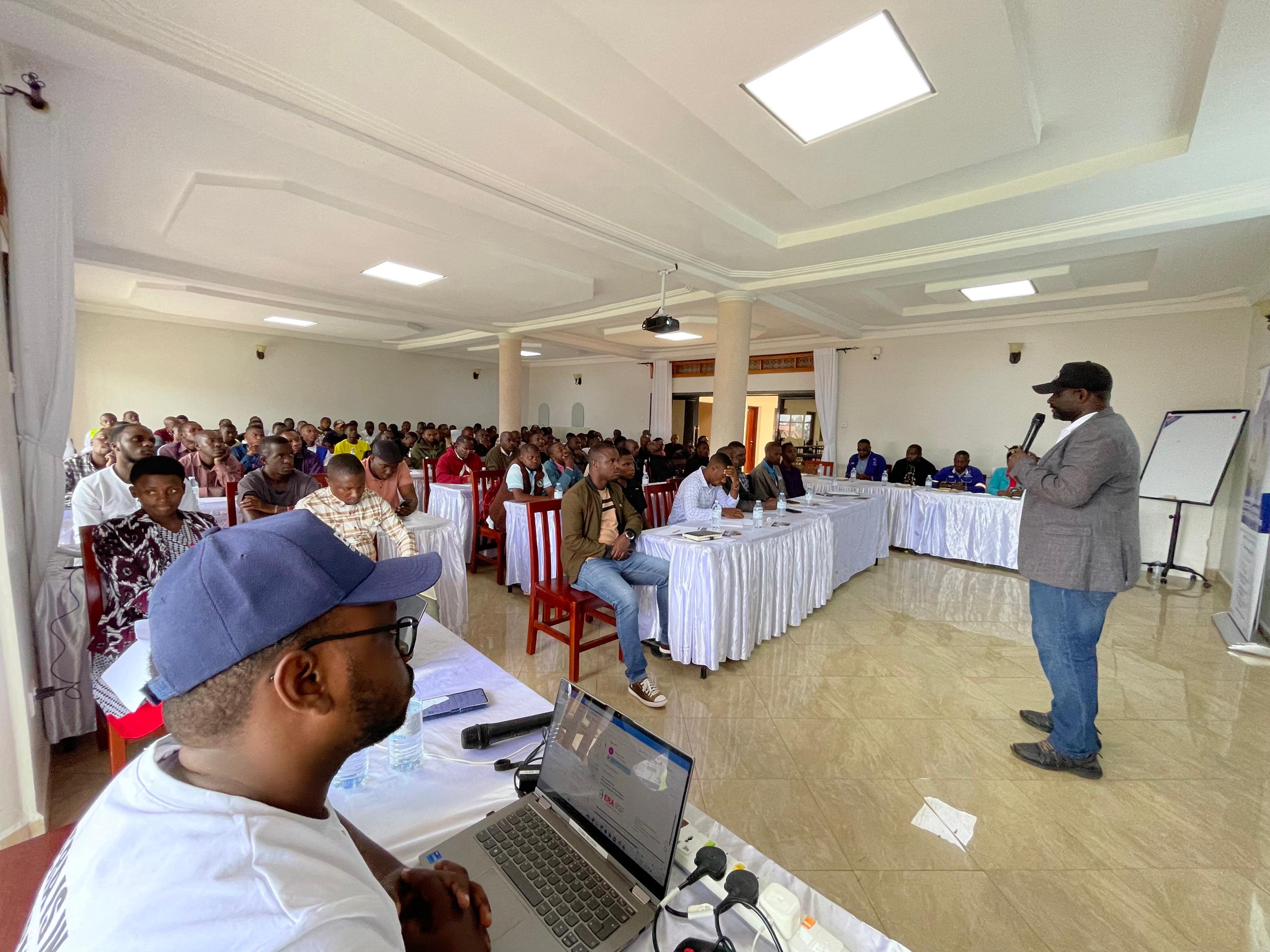
    The Electricity Regulatory Authority (ERA) has concluded an intensive 14-day stakeholder engagement tour across Fort Portal and Kabale, seeking to bridge the widening gap between power providers and the end-user. Coming at a critical time when the nation is navigating life after the Umeme concession, the engagements were more than just a regulatory formality—they were a “pulse check” for a region frustrated by outages but hungry for industrial growth.

    Accountability at the Forefront

    In Fort Portal, the mood was one of demanding accountability. Political leaders, led by Resident City Commissioners (RCCs) and Local Council chairmen, put ERA on the spot over the transition to the Uganda Electricity Distribution Company Limited (UEDCL).

    “Our people don’t care who is holding the wires; they care if the bulbs are on,” one local leader remarked during a heated session at a Fort Portal hotel.

    In response, ERA technical teams spent days explaining the 2026 Tariff Review, justifying the investments required to stabilize the grid. The regulator made it clear: the era of “wait-and-see” is over. With the new state-led distribution model, there is now a shorter line of accountability between the consumer and the government.

    Security and the War on Vandalism

    A significant portion of the engagement involved high-level meetings with security agencies. In both Kabale and Fort Portal, the message was uniform: electricity infrastructure is a national security asset.

    ERA officials revealed alarming statistics of power theft and angle-bar vandalism that have plunged entire sub-counties into darkness. The security leadership pledged a “no-nonsense” approach, involving community policing to protect the infrastructure that powers the region’s tea factories and tourism hubs.

    Empowering the ‘Last Mile’: Wirepersons and Media

    Perhaps the most impactful sessions involved the “boots on the ground”—the certified wirepersons. In Kabale, dozens of electricians were taken through the rigors of the new Installations Permit regulations. ERA emphasized that a house is only as safe as the person who wires it, warning that uncertified “kamyufu” (quack) electricians would face prosecution for endangering lives.

    Simultaneously, the media—the bridge to the public—was brought into the fold. Journalists from across the Kigezi and Tooro regions were trained on how to interpret tariff structures, ensuring that when the public hears about “Base Tariffs” or “Automatic Tariff Adjustments,” the information is accurate and jargon-free.

    The Business Voice

    The Kigezi Business Community and the Tooro tourism players didn’t hold back. For them, electricity is the difference between profit and bankruptcy.

    “We are the tourism capital of the world,” a hotelier in Fort Portal noted. “When power goes out during a peak tourist season, our reputation suffers.”

    ERA’s leadership reassured the business community that the ongoing substation upgrades in Kabale and the planned switchgear inspections in Fort Portal are specifically designed to minimize these “unplanned” interruptions that eat into private sector margins.

    A Commitment to the Region

    As the two-week marathon concluded, the sentiment on the ground was one of cautious optimism. By bringing the regulator from the high-rise offices of Kampala to the town halls of the West and Southwest, ERA has sent a clear signal: the consumer is finally being heard.

    For the people of Tooro and Kigezi, the hope is that these dialogues translate into what matters most—a steady, affordable, and safe flicker of light in every home and factory.

    KEY TAKEAWAYS FROM THE TOUR:

    Tariff Clarity: A deep dive into why prices fluctuate and how the 2026 review affects the local consumer.

    Zero Tolerance: A renewed partnership with Police and UPDF to combat infrastructure vandalism.

    Professionalism: A crackdown on uncertified electricians to reduce domestic fire outbreaks.

    Direct Access: Consumers were encouraged to use the ERA regional office in Mbarara for faster grievance resolution.

    Do you have a story in your community or an opinion to share with us: Email us at Submit an Article
  • Brad Pitt Seeks Answers in Angelina Jolie Winery Dispute

    The legal dispute between Brad Pitt and Angelina Jolie has entered a new phase as their dispute over a French winery continues in court.

    Pitt now wants Russian businessman Yuri Shefler to testify in the case linked to the former couple’s wine estate, Château Miraval.

    Pitt and Jolie bought the property during their marriage and later built it into a well known wine business. After their separation, Jolie chose to leave the venture and sell her stake.

    She later sold her share to a company connected to Shefler, a move that triggered the legal clash with Pitt.

    Pitt filed a lawsuit in 2022 and argues that Jolie moved forward with the sale without his approval. His lawyers say Shefler holds key information about the deal and about communication tied to the transaction.

    The legal team now wants Shefler to join a remote deposition. However, the businessman has resisted the request because he lives outside the United States.

    The dispute over Miraval remains one of the biggest unresolved business issues tied to Pitt and Jolie’s divorce, and the case continues to move through the courts.

  • Kevin Hart Calls Out Wax Statue That Looks Nothing Like Him

    Kevin Hart Calls Out Wax Statue That Looks Nothing Like Him

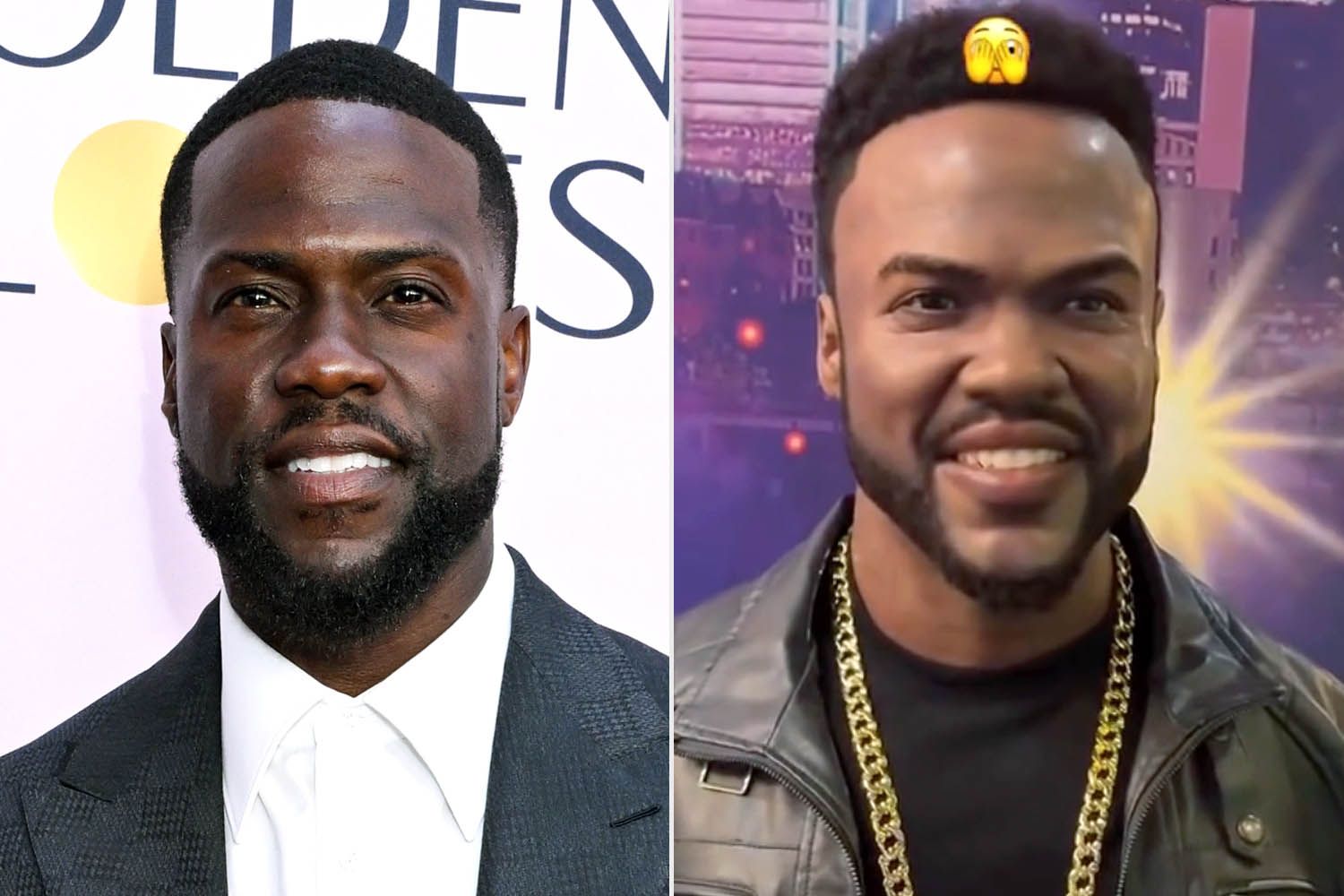
    Comedian and actor Kevin Hart is drawing attention online after speaking out about a newly unveiled wax statue that he says does not resemble him.

    The figure quickly became a talking point on social media after fans began comparing it to the real star. Screenshots and side by side images spread online as viewers weighed in on the likeness.

    Many users joined the conversation with jokes and memes, while others agreed with Hart and pointed out noticeable differences between the statue and the comedian’s real appearance.

    Some fans still defended the work, saying wax figures can be difficult to perfect.

    Hart addressed the situation in a playful but direct way, saying the statue should be redone. His reaction added fuel to the viral moment and kept the discussion going across social platforms.

    The episode also highlights a familiar pattern in celebrity culture. Wax figures of famous personalities often face close scrutiny from fans who expect an accurate match.

    In the age of social media, those reactions spread quickly and can turn a simple unveiling into a trending topic within hours.

  • Leonardo DiCaprio K Pop Light Stick Surprise at Academy Awards

    Leonardo DiCaprio K Pop Light Stick Surprise at Academy Awards

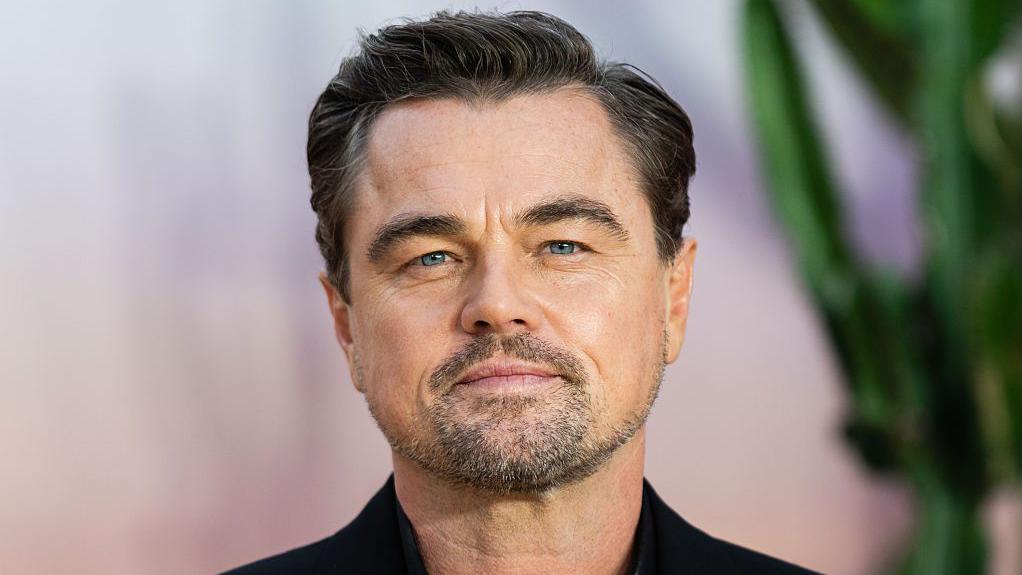
    Hollywood star Leonardo DiCaprio unexpectedly became one of the most talked about moments during the Academy Awards after fans noticed him holding a K pop light stick in the audience.

    The brief sighting quickly spread across social media. Viewers shared screenshots and clips as the unusual moment caught attention during the prestigious ceremony.

    Many fans reacted with humor, pointing out the rare crossover between Hollywood and K pop culture.

    Memes soon followed, with some users joking that the Oscar winner had quietly joined the global K pop fandom.

    The moment itself appeared simple and unplanned. Still, it stood out during a night usually filled with formal speeches and red carpet glamour.

    As the clip continued to circulate online, the scene became one of the most widely discussed highlights from the ceremony.

    It also showed how even a small moment involving a major star like Leonardo DiCaprio can quickly take on a life of its own online.

  • Kelly Clarkson Idol Prize Controversy Draws Fresh Interest

    Kelly Clarkson Idol Prize Controversy Draws Fresh Interest

    The Kelly Clarkson Idol prize controversy has sparked fresh discussion among fans after the singer revealed she never received every prize promised after her win on American Idol.

    Clarkson, who became the show’s first champion, recently shared that one reward listed for the winner never reached her. The missing item was the car that many viewers believed came with the title.

    Her comments quickly drew attention online and reignited interest in the early days of the competition. Fans began asking questions about how prize packages worked during the show’s first seasons.

    The Kelly Clarkson Idol prize controversy gained another angle when season six winner Jordin Sparks spoke about her own experience. Sparks said she did receive her car after winning the series.

    The different stories have sparked new conversations about how the show handled rewards in its early years.

    As fans revisit the moment, the Kelly Clarkson Idol prize controversy continues to draw attention to the evolving history of one of television’s biggest talent shows.

  • Huda Mustafa Faces Online Backlash Over Louis Russell Claims

    Huda Mustafa Faces Online Backlash Over Louis Russell Claims

    Reality TV star Huda Mustafa has stirred fresh online debate after reports linked her to a tense situation involving her boyfriend’s former partner.

    The Love Island personality began trending on social media after claims spread that she sent a warning to the mother of Louis Russell’s child. The reports quickly caught attention across fan pages and discussion forums.

    Online reactions soon split. Some users criticized the reported move and questioned the situation surrounding the relationship. Others defended Huda and urged people to wait for clear facts before forming opinions.

    Huda and Louis first drew public interest after their time connected to Love Island. Since then, their relationship has remained a frequent topic among fans who follow their lives closely.

    This latest wave of attention has only fueled more conversation online. The moment also shows how quickly personal issues involving reality TV figures can become public debate once they reach social media.

  • Bryan White Seeks Forgiveness From Nalubwama’s Family

    Bryan White Seeks Forgiveness From Nalubwama’s Family

    City socialite Bryan White has reportedly reached out to the family of the late Caroline Nalubwama, seeking forgiveness over her death.

    The development was revealed following a court session at the Makindye Chief Magistrate’s Court on March 16, where updates in the ongoing case were presented.

    Speaking to the media after the session, family representative Kayonjo Bright confirmed that Bryan White had contacted the family.

    “It is true that Bryan White asked our family to forgive him for the death of our relative. As a family, we are going to sit down and carefully review his request,” he said.

    Despite the gravity of the matter, Bright noted that the family appreciates how authorities have handled the case so far.

    “We thank the legal authorities for handling the case properly. We are hopeful that justice will be served,” he added.

    Bryan White was in November last year charged with serious offenses, including human sacrifice and manslaughter in connection with the death of the 25-year-old.

    The court adjourned the case to April 16, 2026, as investigations and legal proceedings continue.

  • Parliament passes Copyright Amendment Bill after intense artist lobbying – Sqoop

    Parliament passes Copyright Amendment Bill after intense artist lobbying – Sqoop

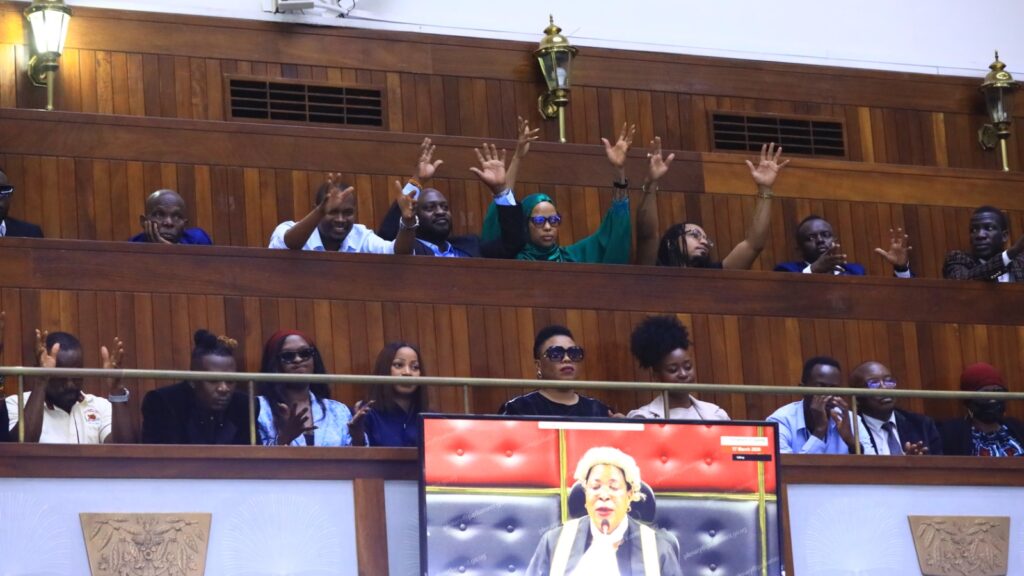
    Uganda’s Parliament on Tuesday passed the Copyright and Neighbouring Rights (Amendment) Bill, 2025, concluding yearsof debate and speculation over reforms aimed at strengthening protections and earnings for the country’s creative industry.

    The bill cleared its Third Reading, the final stage of parliamentary approval, and now awaits assent from the President, Yoweri Kaguta Museveni before becoming law.

    Its passage follows a tense week in which artists, producers and copyright organisations mounted an intense lobbying campaign to protect Clause 9, the provision widely seen as the economic backbone of the proposed reforms.

    The turning point came during last week’s Second Reading debate in Parliament, where Hon David Kabanda supported by Anita Among, the Speaker of Parliament, raised concerns and opinions about Clause 9, triggering alarm across Uganda’s creative sector.

    Clause 9 proposes a framework requiring broadcasters and commercial establishments such as bars, hotels and restaurants to compensate artists and rights holders when copyrighted music and other creative works are publicly used.

    Many artists interpreted the Speaker’s remarks as a signal that the clause, and the financial protections it promises could be altered or removed before the bill’s final passage.

    Within hours of the debate, leaders across the creative industry mobilised.

    Artists and rights holders issued a joint statement through Collective Management Organisations (CMOs), urging Parliament not to tamper with the clause. Several individual artists and industry bodies also wrote letters directly to the Speaker explaining why the provision was essential to the survival of Uganda’s music and creative economy.

    The pressure campaign intensified through the weekend, culminating in a closed-door meeting between sector leaders and the Speaker on Tuesday morning, hours before Parliament reconvened for the final session that would determine the bill’s fate.

    Among those who attended the meeting were Martin Yoyo, chairperson of the Uganda Performing Right Society board; Eddy Kenzo, president of the Uganda National Musicians Federation and presidential adviser on creatives; Jeff Ekongot, chief executive of the Uganda Musicians Association; and Charles Batambuze, representing the Uganda Reproduction Rights Organisation, the collective management body for literary works.

    Participants say the Attorney General briefed the meeting on the areas of contention over which they had reached an agreement including Clause 9. Issues that the CMO team raised included the protection of the monopoly status of collecting societies to ensure efficiency in the management of copyright in the country.

    Industry insiders believe the engagement helped clarify concerns within Parliament and ultimately influenced the direction of the final debate that afternoon.

    By the time MPs reconvened for the session, the bill moved forward and was passed at Third Reading.

    The bill’s approval marks the culmination of a legislative process that began in May 2025, when Norbert Mao, the Minister for Justice and Constitutional Affairs, introduced it to Parliament as part of efforts to modernise Uganda’s copyright framework.

    Like all legislation in Uganda, the bill moved through several stages before its final passage. With the completion of the Third Reading, the legislation is formally passed by Parliament.

    The amendment seeks to overhaul key elements of the country’s copyright regime, including improving the management and collection of royalties, protections for online works including takedown orders, and strengthening enforcement against unauthorised use of creative works.

    For artists and creators who have long argued that weak enforcement has deprived them of income from their intellectual property, the reform is seen as a potential turning point.

    Once assented to and published in the Uganda Gazette, the new law could reshape how musicians, filmmakers, writers and other creators earn from their work — particularly in broadcast media, digital platforms and public performance spaces.

    For many in the industry, however, the events leading up to Tuesday’s vote underscored the importance of sustained engagement between policymakers and the creative sector as Uganda attempts to build a more sustainable cultural economy.

    Don’t want to miss out on any story? For updates on all Sqoop stories, follow this link on Telegram: https://t.me/Sqoop and Whatsapp: https://whatsapp.com/channel

  • Rickman Encourages Artistes to Learn the Business of Music

    Rickman Encourages Artistes to Learn the Business of Music

    Rickman Manrick says patience and self belief have played a major role in his journey through the music industry.

    Born Derrick Ddungu, the the Ugandan singer believes recognition in music takes time.

    According to him, many performers must go through a long process before audiences fully connect with their work.

    Rickman Manrick

    Reflecting on the industry, Rickman says many artistes miss opportunities because they do not fully understand the business side of music.

    Grants and digital platforms such as YouTube are among the opportunities he believes artistes should explore.

    In some countries, the platform generates significant income, showing the importance of understanding how the system works.

    For him, patience remains one of the most important qualities an artiste can have.

    It takes time to be known. When you arrive somewhere and people do not know you yet, do not feel bad.

    Rickman Manrick

    Rickman also encourages upcoming artistes to remain authentic as they build their identities and navigate the industry.

    Music, he says, does not always bring money immediately. In many cases, it first helps an artiste build a name that can later open doors to other opportunities.

    Support for emerging talent is also important to him. After discovering Sheem Mwanje’s voice on TikTok, he reached out and proposed a collaboration.

    Through consistency and belief in his craft, Rickman continues building a career aimed at long term impact.

  • Rickman Advises Musicians to Make Money Beyond Music

    Rickman Advises Musicians to Make Money Beyond Music

    Singer Rickman Manrick has advised fellow artists to think beyond music when it comes to making money.

    Speaking in an interview with a local television station, Rickman emphasized the importance of leveraging one’s brand and popularity to generate income outside of music.

    According to the singer, musicians should embrace alternative revenue streams such as influencing, brand partnerships, and endorsement deals.

    “We have so many marketing tools now, making it easier for artists to break through. Music might not give you money directly, but it can give you a name—how you use it matters,” he explained.

    Rickman noted that while music helps artists gain fame and visibility, it is how they capitalize on that recognition that determines their financial success.

    He encouraged artists to tap into opportunities like ambassadorial roles, brand influencing, and endorsements, which can provide more consistent income compared to relying solely on music sales and performances

About UGNEWS24

UGNEWS24 is a Uganda local news service, a product of SOLAVIA GROUP LIMITED, Reg. No. 80048169153974.

Registered office

Plot 2335, Buwambo-Katadde-Najjo Road,
Nansana Municipality, Wakiso District, Uganda
P.O. Box 214231, Kampala

© 2026 SOLAVIA GROUP LIMITED. All rights reserved.