Author: admin

  • Congo Football Association President gets life sentence for embezzling funds meant for women’s football development and COVID-19 relief

    Jean-Guy Blaise Mayolas, the president of the Congolese Football Federation, has been sentenced to life in prison after being found guilty in a major corruption case involving football development funds.

    A criminal court in Brazzaville delivered the verdict on Tuesday, convicting Mayolas of several offences, including money laundering, embezzlement, and forgery.

    Prosecutors said the football official masterminded a scheme that diverted about $1.3 million provided by FIFA for football development projects. The funds were meant to support women’s football programmes and help the sport recover during the COVID-19 pandemic.

    Investigators revealed that a $500,000 grant from FIFA’s COVID-19 relief programme, which was intended to assist women’s football initiatives and improve infrastructure, was instead channelled through fraudulent transactions and falsified documents for personal benefit.

    Mayolas did not appear in court when the ruling was delivered and was sentenced in absentia. Authorities say his current whereabouts are unknown, and he is now considered a fugitive.

    The court also punished members of his family and associates linked to the scheme. Mayolas’ wife and son were both handed life sentences after being found guilty of participating in the misappropriation of funds. Meanwhile, FECOFOOT General Secretary Badji Mombo Wantete and the federation’s treasurer Raoul Kanda were each sentenced to five years in prison for their roles in the financial misconduct.

  • “I Paid Her LDC Fees, Now She Refuses to Marry Me!” – Law Officer Jailed After Love Deal Turns Sour

    “I Paid Her LDC Fees, Now She Refuses to Marry Me!” – Law Officer Jailed After Love Deal Turns Sour

    Drama has rocked western Uganda after a woman who reportedly received millions from her lover to study law ended up in prison for refusing to marry him.

    Fortunate Kyarikunda, a law enforcement officer at Rubanda Town Council, was on Tuesday hauled to civil prison by the Chief Magistrate’s Court in Rukungiri after failing to refund more than Shs14 million to the man who sponsored her education hoping she would become his wife.

    ADVERTISEMENT

    The complainant, Richard Tumwiine, a primary school teacher from Kanungu District, told court he spent years supporting Kyarikunda financially, including paying for her studies at the Law Development Centre in Kampala.

    But after completing the prestigious Diploma in Legal Practice, the relationship collapsed — and so did the marriage plans.

    Love Story Turns into Court Battle

    According to court records, Tumwiine and Kyarikunda met in 2015 while both were teachers at Kiringa Primary School in Kambuga Sub-county.

    Their relationship blossomed and by 2018 the couple had agreed to marry, with Tumwiine reportedly pouring money into the relationship, including about Shs9.4 million to sponsor Kyarikunda’s bar course at LDC.

    The pair even planned a traditional introduction ceremony in February 2022.

    But just when wedding bells seemed near, Kyarikunda allegedly pulled the brakes on the relationship.

    Her reason?
    She reportedly told Tumwiine that he was too old for her and that continuing the relationship would cause her stress.

    At the time, Tumwiine was said to be in his 60s, while Kyarikunda was still in her 30s.

    Teacher Runs to Court

    Feeling betrayed and financially drained, the teacher dragged her to court, accusing her of breaching a promise to marry him.

    In January 2023, the Kanungu Grade One Magistrate’s Court ruled in Tumwiine’s favour and ordered Kyarikunda to refund Shs9,439,100 he had spent on her, plus Shs1 million in general damages for the emotional pain he suffered.

    However, the law officer never paid the money.

    Instead, she filed petitions claiming she had never received court summons, arguing that her phone had been used by her sister at the time. The court rejected her claims.

    Arrested at Work

    After ignoring multiple court orders, Kyarikunda’s troubles finally caught up with her.

    On March 10, 2026, she was arrested while on duty at Rubanda Town Council and taken to Rukungiri to face the Chief Magistrate’s Court.

    By then, the unpaid amount had grown to Shs14,099,100.

    Magistrate Dinah Nekesa immediately ordered that she be committed to civil prison for up to six months unless the money is paid.

    “She Deliberately Refused”

    Tumwiine’s lawyer, Erasmus Nabimanya, welcomed the court decision, saying the woman had deliberately refused to comply with the ruling despite several opportunities.

    Meanwhile, Tumwiine earlier said he chose the legal route to avoid taking the law into his own hands.

    “I mobilized money from my salary, agricultural produce and rental structures because we were planning a future together,” he previously revealed.

    Although the court victory may not heal the heartbreak, the teacher hopes the case will teach people the importance of keeping promises — especially in matters of love and money.

    As Kyarikunda now sits behind bars, the once romantic relationship has turned into a costly lesson about mixing love, promises and finances.

  • Jackie Chandiru says delayed visit cost her final goodbye to her father – Sqoop

    Jackie Chandiru says delayed visit cost her final goodbye to her father – Sqoop

    Former Blu*3 singer Jackie Chandiru has opened up about one of the most painful regrets of her life — the unresolved conflict she had with her father before his death.

    Speaking during an interview on NRG Radio Uganda, the singer reflected on a deeply personal moment when she was asked what she would change if she had the chance to go back in time. For Chandiru, the answer was immediate and emotional.

    Nearly two years ago, her father, Felix Wesley Eyaa, died after an illness at Arua Regional Referral Hospital. At the time of his death, however, the two were not on good terms. Chandiru revealed that after a disagreement, she deliberately stopped communicating with him because she wanted him to understand how deeply he had hurt her.

    “I have a big head,” she admitted during the interview. “I didn’t want to talk to him because I wanted him to feel that I was really angry.” Despite his illness, the singer believed there was still time to mend their relationship. She assumed they would eventually reconcile and speak again.

    But that chance never came.

    According to Chandiru, her family had planned to travel and see her father on a Saturday. However, she had a performance scheduled and decided she would instead make the trip the following day. While working in the studio on Friday night, she received the devastating news that her father had passed away.

    The grief became even heavier when she later learned that during his final days, her father had tried to make peace. Family members told her that he had apologised and wanted to reconnect.

    “All the time he wanted to reach out, I didn’t,” Chandiru said, breaking down in tears.

    For the singer, the pain now lies in knowing that the conversation she postponed will never happen. The opportunity to forgive, to speak, or simply spend time with her father is gone forever.

    Don’t want to miss out on any story? For updates on all Sqoop stories, follow this link on Telegram: https://t.me/Sqoop and Whatsapp: https://whatsapp.com/channel

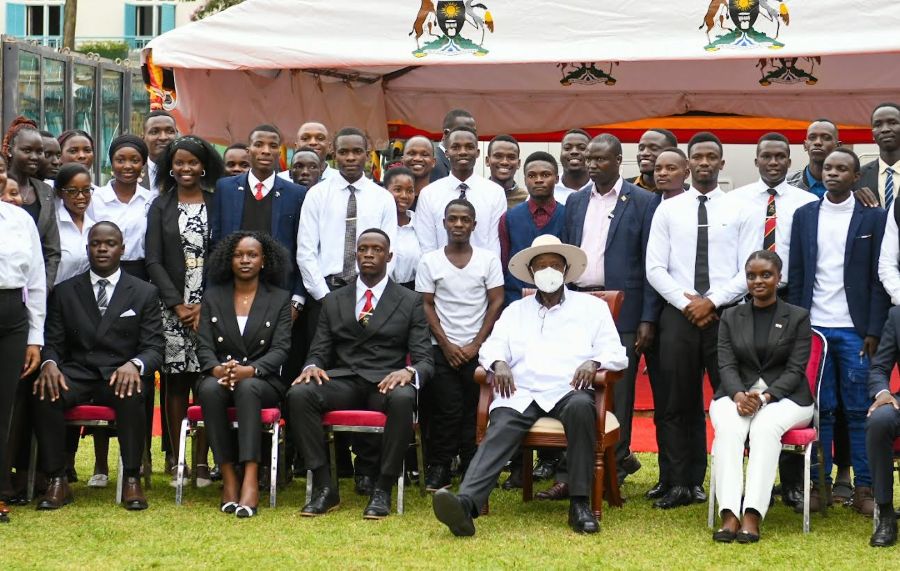
  • The only thing you did was take photos with President Museveni- Makerere student stings outgoing Guild President Churchill Ssentamu

    The only thing you did was take photos with President Museveni- Makerere student stings outgoing Guild President Churchill Ssentamu

    Some students at Makerere University have criticised outgoing Guild President Churchill Ssentamu James following the end of his tenure, with some accusing the student leader of failing to deliver meaningful results during his time in office.

    The criticism emerged on social media shortly after Ssentamu announced the official end of his presidential term, thanking students and university administrators for supporting his leadership.

    ADVERTISEMENT

    “Presidential Term officially done. Big thanks to every Makerere student who trusted me, the administration that supported us and my unstoppable cabinet,” Ssentamu wrote on X (formerly Twitter).

    He added that his leadership had worked diligently throughout the term.

    “We didn’t just mark time, we made a difference and for now, goodbye. God bless you and God bless Makerere. We build for the future,” he posted.

    However, the message quickly attracted mixed reactions from students online, with some questioning the achievements of the outgoing guild government.

    A student identified as Plato UG challenged Ssentamu’s record, suggesting that the most visible moment of his tenure was meeting President Yoweri Museveni.

    “The only thing you did was to sit with the President for a photo and tea then disappeared. Please show us what the university has achieved in your term,” the student wrote.

    The comments reflect the broader debate among sections of the student community regarding the impact of the 91st Guild government.

    Ssentamu’s tenure officially ended following the dissolution of the guild leadership structures as part of the transition to a new student administration.

    University authorities recently announced that the guild cabinet and Guild Representative Council had been dissolved in accordance with the guild statute, paving the way for the next electoral cycle that will produce the 92nd guild leadership.

    The guild presidency at Makerere remains one of the most closely followed student political positions in Uganda, often attracting national attention due to the university’s historical role in shaping the country’s political and civic leadership.

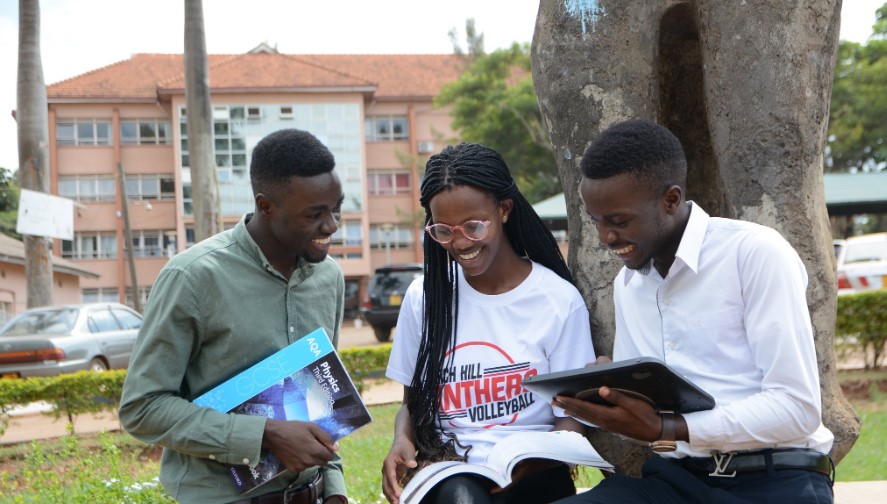
  • Makerere University to Host 2026 Career Fair for Students and Graduates

    Makerere University to Host 2026 Career Fair for Students and Graduates

    Makerere University will host the Makerere University Careers Fair 2026 from March 11 to March 13, 2026, offering students and recent graduates a platform to connect with employers and explore career opportunities.

    The three-day event will bring together companies, organizations, and development partners to engage with young talent through exhibitions, career talks, and networking sessions.

    ADVERTISEMENT

    According to the university, the fair is designed to help students gain insights into the job market, access internship and scholarship opportunities, and develop essential career skills needed for professional growth.

    Opportunities for Students and Graduates

    Participants will have the chance to interact directly with employers, learn about recruitment processes, and receive guidance on career planning, entrepreneurship, and professional development.

    The programme will also feature panel discussions and mentorship sessions, where industry leaders and professionals will share experiences and advice on navigating today’s competitive job market.

    Bridging Campus and the Job Market

    University officials say the careers fair aims to strengthen the connection between academic training and employment opportunities, helping students transition more smoothly from campus to the workplace.

    The event is also expected to expose students to scholarship opportunities and further education pathways, allowing them to expand their academic and professional prospects.

    Open to the Public

    Entry to the careers fair will be free for all participants, with students, recent graduates, and young professionals encouraged to attend and take advantage of the opportunities available.

    The annual careers fair has become one of the university’s key initiatives aimed at preparing graduates for sustainable careers and fostering partnerships between academia and industry.

  • Alien Skin vows he’ll never perform in Busoga again

    Singer Alien Skin has announced that he will no longer perform in the Busoga sub-region, citing repeated mistreatment during his visits.

    In a video that has gone viral online, the singer declared that he has “banned” Busoga from his performance schedule, accusing some fans in the region of mocking and disrespecting him.

    “Tell them the legendary has banned Busoga. I cannot perform in a place that wants to taunt me. They can continue following the artists they have always loved,” Alien Skin said in the clip.

    The remarks have sparked heated debate online. Some fans sympathise with Alien Skin, pointing to the attacks he endured, while others have condemned the comments.

    The singer’s statement follows several clashes between him and locals in parts of Busoga, including Iganga. The most serious incident reportedly happened in April 2025, when Alien Skin was attacked during a visit and suffered injuries that later required specialised treatment in Kenya.

  • MPs Faults Police Over Charges for Canine Services

    MPs Faults Police Over Charges for Canine Services

    Uganda Police has reported a decline in crime across the country, but Members of Parliament have raised concerns over alleged charges imposed on citizens seeking police canine services.

    While appearing before the Public Accounts Committee chaired by Hon. Gorreth Namugga, on Tuesday, 10 March, 2026, James Ochaya the Deputy Inspector General of Police said the latest police crime data shows a significant reduction in reported cases for 2025.

    Ochaya told the committee that although the annual police report is yet to be officially released, preliminary figures show that reported crime cases dropped from 218,725 in 2024 to 196,155 in 2025 which is a reduction of 22,560 cases, representing a 10.3 percent decline.

    “The criminal case rate stood at 427 persons per 100,000 people in 2025, down from 476 in 2024,” Ochaya said, noting that the figures are based on a national population estimated at about 45 million people.

    He attributed the decline to improved policing structures and stronger collaboration with communities and other security agencies.

    “We have strengthened sub-county policing, enhanced collaboration with other security agencies and increased community engagement,” Ochaya said.

    He also revealed that police operations in early 2026 had already resulted in thousands of arrests.

    “In January and February 2026, police arrested 7,159 suspects, of whom 3,724 were arraigned before courts of law,” he said.

    According to Ochaya, the Kampala Metropolitan Area accounted for a significant share of the arrests, with 3,512 suspects apprehended during the same period, of whom 1,935 were presented before court.

    However, the session turned tense when legislators questioned police leadership over reports that communities are being asked to pay Shs200,000 for canine services during criminal investigations.

    Namugga said the committee had received information that police sniffer dogs are routinely paid for by members of the public, despite police leadership indicating that the service should be free.

    “We are giving information that the dogs are paid for very expensively, but we are surprised the IGP does not know that the dogs are paid for,” she said.

    In response, Ochaya acknowledged the concerns and promised investigations.

    “We shall investigate and find out where the problem is and rectify,” he said.

    Other lawmakers shared personal experiences and complaints from constituents about payments allegedly demanded when requesting canine services.

    Silas Aogon (Ind., Kumi Municipality) said the practice appeared widespread across the country.

    Similarly, Susan Amero (Ind., Amuria District Woman Representative) urged police to clarify the policy and sensitise the public if the service is indeed free.

    “I had a farm in Kakiri and I went for a dog at Kakiri police station. I paid money for the dog to reach my farm to investigate theft, and nothing was even detected,” she said.

    She added that if the charges are legitimate, they should be formalised through official receipts so the funds can be accounted for as government revenue.

    Joseph Ssewungu (NUP, Kalungu West County) also questioned whether police have sufficient resources to transport canine units to crime scenes.

    He cited an example from Kalungu where a dog unit was only deployed after local leaders constructed a facility to house it.

    Police officials explained that transportation has often been a challenge but said the force is procuring specialised equipment to improve canine deployment, especially in rural areas.

    Do you have a story in your community or an opinion to share with us: Email us at Submit an Article
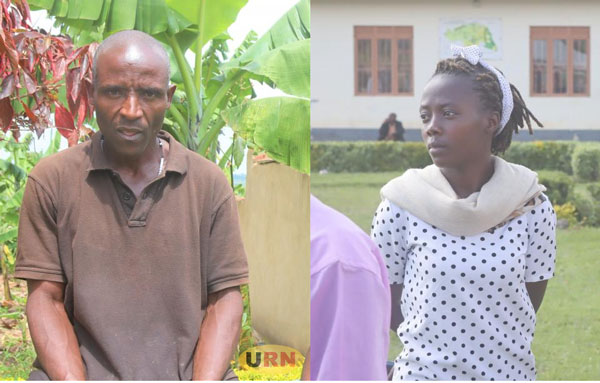
  • Sasha Vybz set to Headline the Visual Storytelling Edition of the Guinness Smooth Creators Lab

    Uganda’s creative community is set for a deep dive into the future of visual storytelling this Friday as celebrated cinematographer Sasha Vybz headlines the fourth edition of the Guinness Smooth Creators Lab.

    Taking place at Nomad, the upcoming edition will explore a timely and fast-evolving theme: “Artificial Intelligence, Cameras & the Future of Creativity.” The session will bring together filmmakers, content creators, photographers, and digital storytellers eager to understand how technology is reshaping the craft of visual storytelling.

    Over the past decade, Sasha Vybz has built a reputation as one of Uganda’s most influential cinematographers, known for crafting striking visuals across music videos, documentaries, and film productions. His work with some of the country’s biggest music stars, filmmakers, and corporate organisations has helped redefine modern Ugandan videography, pushing it toward a more cinematic global standard.

    At the Guinness Smooth Creators Lab, Sasha will take participants behind the lens – unpacking how emerging technologies, particularly artificial intelligence, are beginning to influence filmmaking, editing, visual effects, and storytelling itself. The conversation will explore how creators can embrace these tools without losing the originality, emotion, and human perspective that make great stories resonate.

    Beyond technology, the session will also examine how visual creators can build sustainable careers in an increasingly competitive digital economy. From developing a distinctive visual style to navigating production realities and attracting clients, Sasha will share insights drawn from years of working at the forefront of Uganda’s visual production industry.

    The Guinness Smooth Creators Lab has quickly grown into a platform where emerging creatives interact directly with industry trailblazers. Previous editions have featured leading voices across different creative fields, including digital art innovator Natasha Karungi, popularly known as Kashushu, who recently led a powerful session on how creatives can distribute, monetise, and scale their work in the digital space.

    Through these sessions, Guinness Smooth continues to move beyond inspiration, equipping young creators with practical knowledge, exposure, and networks that help transform passion into sustainable creative careers.

    “We want upcoming creators to have access to seasoned creators, not so they can become copies of them, but so they can learn from their journeys and then add their own unique twist to the art forms they pursue. The goal of the Guinness Smooth Creators Lab is to inspire creatives to refine their craft, find their voice, and make their work truly their own. I believe this Visual Storytelling Edition, featuring the legendary Sasha Vybz, will be one for the books,” said Denise Paula Nazzinda, Guinness Brand Manager, while commenting on the upcoming edition.

    As the Creators Lab continues to move across Kampala’s creative spaces, each edition shines a spotlight on a different creative discipline, building bridges between talent, knowledge, and opportunity.

    For Uganda’s next generation of storytellers, this session may be more than just a masterclass. It could be the moment when passion meets direction and creativity begins to pay off.

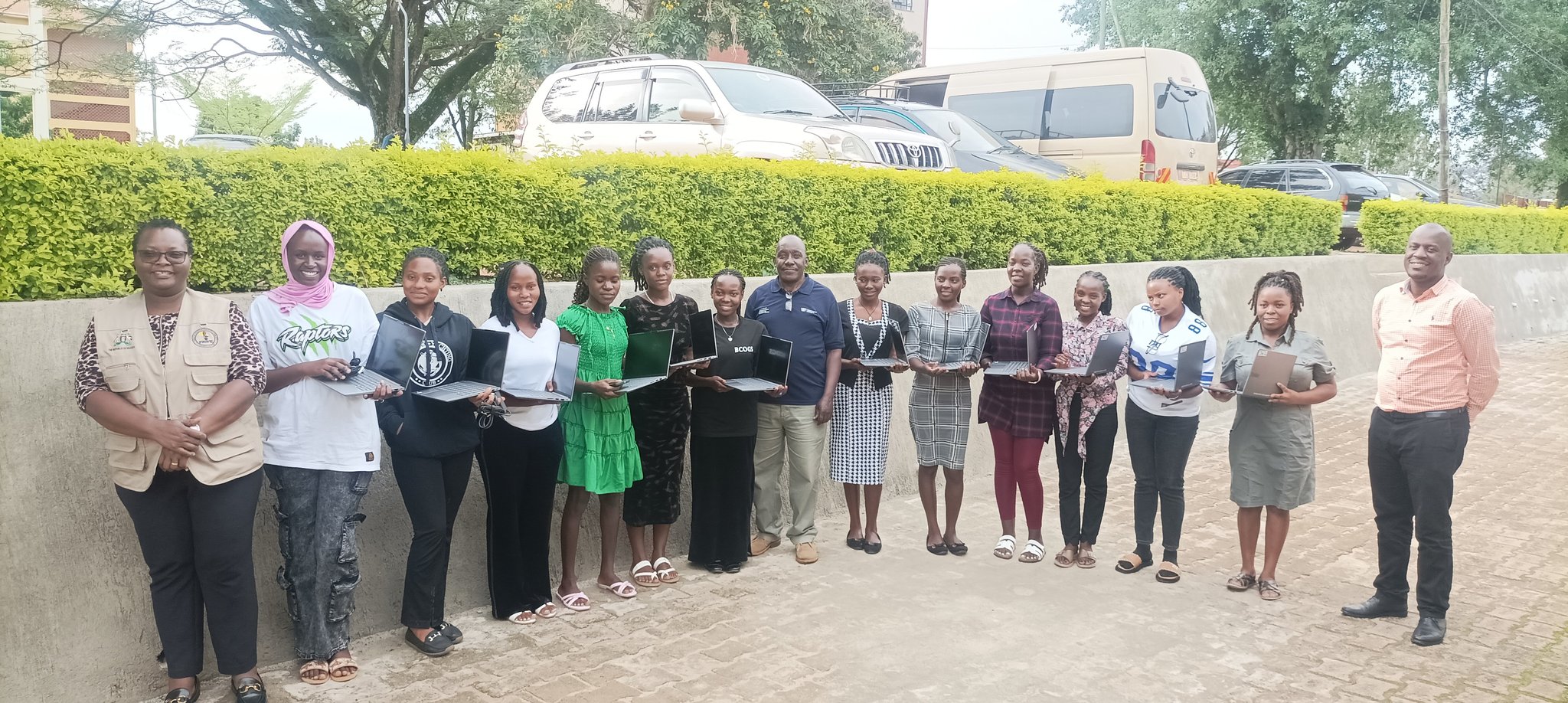
  • Bishop Stuart University Female Students Receive Free Laptops from FAWE

    Bishop Stuart University Female Students Receive Free Laptops from FAWE

    Female students pursuing the Higher Education Access Certificate (HEAC) at Bishop Stuart University have received laptops from the Forum for African Women Educationalists (FAWE) to strengthen their ICT skills and digital learning capacity.

    The beneficiaries are part of a group of young women enrolled in the HEAC bridging programme, which enables students who do not meet direct university entry requirements to qualify for degree programmes after completing the one-year course.

    ADVERTISEMENT

    According to FAWE, the laptops will help the students access digital learning materials, conduct research, complete assignments, and develop practical ICT skills needed for success in higher education and the modern job market.

    Supporting Women in ICT

    The initiative aligns with the Government of Uganda’s Women in ICT agenda, which seeks to increase the participation of women and girls in technology-related fields.

    It also supports Uganda’s broader national digital transformation strategy, which aims to equip young people with digital skills necessary for the evolving digital economy.

    Education advocates say providing female students with technological tools is critical in bridging the gender digital divide, particularly for students from underserved communities.

    Scholarships Currently Open

    The laptop distribution comes as FAWE continues to invite applications for its scholarship and bursary programme for the 2026/2027 academic year, implemented in partnership with the Mastercard Foundation.

    The programme aims to support academically talented but underrepresented young people across Uganda by providing financial assistance and academic support.

    For the 2026/2027 intake, FAWE is offering 600 bursaries, including:

    400 bursaries for the HEAC programme, which prepares students for entry into STEM degree programmes at partner universities.

    200 bursaries for Technical and Vocational Education and Training (TVET) programmes in science and technology fields.

    Students supported under the HEAC programme who successfully complete the bridging year are later sponsored to pursue full undergraduate degree programmes at selected partner universities across the country.

    Empowering the Next Generation

    FAWE officials say initiatives such as providing laptops and scholarships are designed to empower young women with education, digital literacy, and leadership skills.

    By strengthening access to higher education and technology, the programme aims to ensure that more young women are equipped to participate in Uganda’s digital and knowledge-driven economy while contributing to national development.

  • Why Protecting Journalists Is Now Africa’s Most Urgent Priority

    Why Protecting Journalists Is Now Africa’s Most Urgent Priority

    Across Africa, journalism is becoming an increasingly dangerous profession. Reporters covering elections, corruption, conflict or governance issues often find themselves working in environments where threats, intimidation and legal pressure are part of the job.

    In some countries, reporters face direct intimidation from political actors who view independent journalism as a threat. In others, the pressure comes through restrictive laws, online harassment and surveillance that makes investigative work increasingly difficult.

    While these risks are not new, media leaders now warn that the scale and complexity of the dangers are growing at a pace that demands urgent attention.

    That concern was strongly voiced during the just ended Africa Media Festival 2026 in Nairobi, where editors and media leaders from across the continent gathered to reflect on the future of journalism in an era defined by political tension, economic pressure and rapid technological change.

    One message emerged clearly from the conversations: Protecting journalists can no longer be treated as an afterthought within newsrooms. It must become a central responsibility of media institutions, governments and the broader society that depends on credible information.
    As Sibusiso Ngalwa, Secretary General of The African Editors Forum observed, the reality for many journalists is becoming more precarious by the day.

    “Journalists are being asked to do their work in conditions where the risks are obvious and growing. Duty of care means media organizations must take responsibility for preparing, protecting and supporting journalists before, during and after assignments, especially in hostile environments,” he said.

    The problem becomes even more severe in fragile or conflict-affected states where violence and insecurity are part of everyday life. In places such as Somalia, the Sahel region and parts of Central Africa, journalists often report from environments where armed groups, political interests and weak institutions combine to create a volatile atmosphere.

    Muthoki Mumo of the Committee to Protect Journalists pointed to Somalia as one of the starkest examples of the risks reporters face while trying to keep the public informed.

    “Somalia remains one of the most dangerous places in the world to be a journalist. Reporters face violence, intimidation and impunity for crimes committed against them, yet they continue to work so that the public is informed,” she explained.

    Yet despite these dangers, journalists continue to do their work because the role they play is essential to society. Without independent reporting, citizens lose access to reliable information about the decisions that shape their lives. Corruption thrives in darkness; public accountability weakens and democratic institutions begin to erode.

    For this reason, focus must be on the ‘duty of care’ within journalism. Media organizations must take responsibility for preparing and protecting their reporters before they are sent into risky situations. This includes proper risk assessments, safety training, digital security support and psychological care for journalists who cover traumatic events.

    In many African newsrooms, however, such systems remain limited due to financial constraints and the broader economic challenges facing the media industry. Amidst this pressure, the consequences of ignoring safety go far beyond individual reporters.

    As Churchill Otieno, President of The African Editors Forum, emphasized during the festival, protecting journalists is inseparable from protecting the public’s right to information.

    “Governments have an obligation to guarantee press freedom, while media owners must invest in safety, legal support and psychosocial care for journalists. Strengthening protection and duty of care is essential to ensuring journalists can continue working safely and independently in the public interest across Africa,” Otieno said.

    Ultimately, the safety of journalists is not only a professional concern for the media industry. It is a public interest issue that affects the quality of democracy and governance across the continent.

    When journalists are protected, societies remain informed and accountable. When they are silenced through fear or violence, the public loses one of its most important safeguards.

    At a time when Africa’s political, economic and technological landscape is rapidly evolving, ensuring that journalists can work safely may prove to be one of the most important investments the continent can make in its democratic future.

    Do you have a story in your community or an opinion to share with us: Email us at Submit an Article

About UGNEWS24

UGNEWS24 is a Uganda local news service, a product of SOLAVIA GROUP LIMITED, Reg. No. 80048169153974.

Registered office

Plot 2335, Buwambo-Katadde-Najjo Road,
Nansana Municipality, Wakiso District, Uganda
P.O. Box 214231, Kampala

© 2026 SOLAVIA GROUP LIMITED. All rights reserved.