Category: News

  • UNCC boss urges creators to tell stories that inspire and heal – Sqoop

    UNCC boss urges creators to tell stories that inspire and heal – Sqoop

    The Executive Director of the Uganda National Cultural Centre, Francis Peter Ojede, has called on content creators, students, and artists to embrace storytelling as a powerful tool for inspiration, healing, and social change.

    Speaking during the national commemoration of World Storytelling Day 2026 held at the National Theatre in Kampala on Tuesday, Ojede emphasized the enduring power of stories in shaping society.

    “Stories have always guided us, teaching and reminding us who we are,” he said.

    Drawing from traditional African heritage, Ojede reflected on how storytelling has long been a cornerstone of cultural transmission.

    “Before books and screens, people gathered around the fire to listen to elders. That’s how values like respect, courage, and community were passed on. Today the setting may have changed, but the purpose remains the same,” he noted.

    He stressed that storytelling remains relevant in modern times, especially in addressing societal challenges.

    “Through storytelling, we shine light where there is confusion, fear, or silence. We give people a voice, inspire hope, and build understanding,” he added.

    The 2026 celebration was held under the theme “Lights in the Dark,” which Ojede described as a timely reminder of the role stories play in difficult moments.

    “Even in challenging times, a story can guide, heal, and bring people together,” he said.

    He also challenged students in attendance to move beyond being passive listeners and actively participate in telling their own stories.

    “The experiences you carry matter. Your stories can inspire others and shape the future,” he said, encouraging young people to speak with confidence and curiosity.

    Ojede further noted that storytelling is central to the UNCC’s mission of preserving and promoting culture while shaping future generations.

    “Culture is not just about the past—it’s about building the future. Storytelling connects generations and strengthens identity,” he explained.

    Also speaking at the event, Mercy Mirembe Ntangaare highlighted the importance of storytelling in preserving identity in an increasingly globalized world.

    “This day celebrates our culture and heritage. It challenges us to ask who we are and where we come from,” she said.

    She warned that without a strong sense of identity, societies risk losing themselves.

    “In a global village, if we don’t define who we are, others will define us for us,” she added.

    The event brought together creatives, students, and cultural enthusiasts, all united by a shared message: that storytelling remains one of the most powerful tools for preserving identity, inspiring change, and shaping the future.

    [email protected] 

    Don’t want to miss out on any story? For updates on all Sqoop stories, follow this link on Telegram: https://t.me/Sqoop and Whatsapp: https://whatsapp.com/channel

  • Azawi Admits She Rarely Listens to Ugandan Music

    Azawi Admits She Rarely Listens to Ugandan Music

    We listen to musicians every day, but have you ever wondered who they listen to?

    Ugandan singer Priscilla Zawedde, popularly known as Azawi, has opened up about the kind of music that makes it to her personal playlist.

    During a conversation with Spark TV, Azawi shared her listening habits, revealing a mix of international acts and evolving tastes.

    In my free and personal time, I listen a lot to Coldplay, maybe even Arctic Monkeys. What else? Okay, I listen to people that make music that I am not so much familiar with.

    She added that her taste has recently expanded to include more genres, especially trap and hip-hop.

    Of late, I am also starting to listen to trap music, a little bit of hip-hop, but if I am listening to hip-hop, it is always the musicians from the older eras. I am a very big fan of Rick Ross, Kanye West in there.

    When the conversation turned to Ugandan music, Azawi admitted that she does not spend much time listening to local artistes.

    Still, she singled out one name that continues to stand out for her whenever she goes back to Ugandan songs.

    As for Ugandan musicians, it has been a while since I listened to many of them, but the Ugandan musician that I listen to, or the one that I listen to most of the time, is Mowzey Radio.

    She went on to explain that while many local artistes do not make it into her regular rotation, Radio remains the one she naturally returns to.

    Most of the rest, I do not normally listen to them. I do not know why, but I find myself playing him [Radio], maybe because he is a musician that I love naturally.

  • Speke Resort Munyonyo Prepares for a Vibrant Four-Day Easter Family Festival on Lake Victoria

    Speke Resort Munyonyo Prepares for a Vibrant Four-Day Easter Family Festival on Lake Victoria

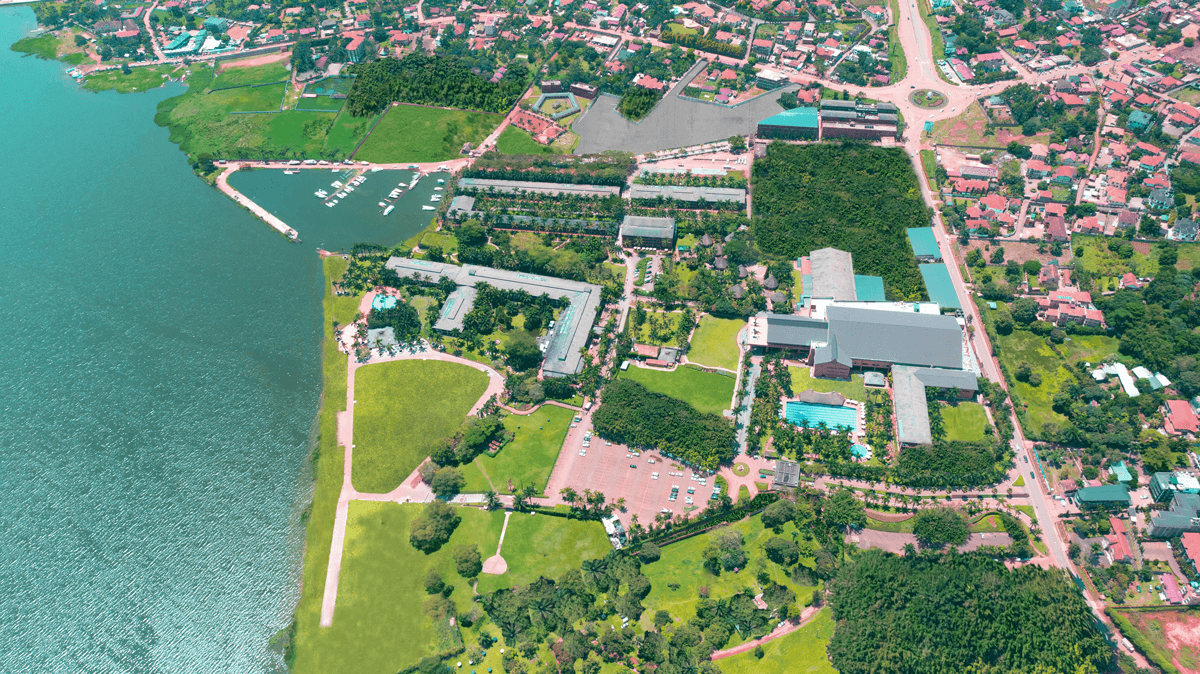
    Kampala – As Ugandans prepare to mark the Easter holidays, Speke Resort Munyonyo has unveiled an exciting lineup of events and staycation packages designed to turn the long weekend into a memorable lakeside celebration for families, couples, and leisure seekers.

    Located on the serene shores of Lake Victoria, just a short drive from Kampala, the resort is positioning itself as a prime destination for those seeking a hassle-free holiday escape without venturing far from the city.

    From Good Friday (April 3) to Easter Monday (April 6, 2026), the resort will host a four-day family festival filled with entertainment, dining, and recreational activities. Management says the program aims to blend relaxation, festivity, and quality family time against the scenic backdrop of Uganda’s largest lake.

    Here are five key highlights visitors can expect:

    1. Lavish Easter Sunday Brunch with Live Entertainment
    The centerpiece of the celebrations is the Easter Sunday Brunch, featuring an extensive gourmet buffet with live cooking stations, chef-inspired dishes, and lakeside views. Guests will enjoy live music in a vibrant atmosphere. The brunch is open to both residents and non-residents at UGX 200,000 per adult and UGX 100,000 per child.

    2. Fun-Filled Family Activities for Children
    Children will enjoy a dedicated program including an Easter egg hunt, meeting the Easter Bunny, cookie decorating, a petting zoo, and a mini carnival with interactive games. These activities will mainly take place on Easter Sunday but will extend the family-friendly experience throughout the weekend.

    3. Attractive Staycation Packages with Full-Board Experience
    The resort has introduced special staycation packages offering discounted accommodation, full-board meals (breakfast, lunch, and dinner), and access to leisure facilities such as the swimming pool, gym, spa, steam, and sauna—targeting families and individuals seeking a complete holiday experience.

    4. Live Music and Evening Entertainment Across the Weekend
    A lively entertainment schedule is expected, featuring live bands, DJ sessions, cocktails, and bonfires, particularly on Good Friday and across the weekend. The resort aims to strike a balance between celebration and its signature relaxed atmosphere.

    5. Full Access to Resort Amenities and Lakeside Serenity
    Guests will also enjoy landscaped gardens, private beach areas, water sports, an equestrian centre with pony rides for children, and multiple dining outlets. The Olympic-sized swimming pool and wellness facilities will remain open throughout the holiday.

    Speke Resort Munyonyo has described the Easter weekend as an all-in-one lifestyle experience, combining luxury accommodation, dining, and family entertainment in one setting.

    With Easter being a peak season for Uganda’s hospitality sector, early booking is advised to avoid last-minute disappointment.

    As Kampala residents and visitors seek meaningful ways to spend the Easter break, Speke Resort Munyonyo is positioning itself as a premium, family-focused destination along the shores of Lake Victoria.

    Do you have a story in your community or an opinion to share with us: Email us at Submit an Article

  • “There is no justification for price increases as supply remains stable,” Energy Minister Nankabirwa warns fuel companies against hikes

    Minister of Energy and Mineral Development Ruth Nankabirwa has assured Ugandans that there is no immediate reason for increase in fuel prices this month.

    Her remarks come at a time when motorists are already feeling the pinch, with fuel prices climbing from about Shs4,800–5,000 per litre to around Shs5,250–5,260 per litre in many parts of the country.

    “We are closely watching and Monitoring companies that want to take advantage of this situation and exploit Ugandans,” said Nankabirwa

    The minister said the government anticipated possible disruptions in global oil supply and acted early to secure fuel from alternative sources. She noted that this move was aimed at keeping the country stable and avoiding the sharp price spikes seen during the early stages of the Russia-Ukraine War.

    According to Nankabirwa, the Uganda National Oil Company played a key role by partnering with suppliers capable of delivering fuel from different markets.

    She added that Uganda currently has enough fuel reserves to remain stable in the short term. The country has petrol stocks that can last about 26 days, diesel for 21 days, and aviation fuel for up to 40 days. More shipments are also on the way, including 283 million litres of petrol and 183 million litres of diesel, which are expected to extend supply for nearly two months.

    Globally, concerns are growing over possible supply disruptions, especially for countries that rely on oil transported through the Strait of Hormuz. Any escalation in tensions in that region could push prices higher.

    While the government insists the situation is under control for now, sustained high global oil prices could still lead to increased transport costs and a rise in prices of goods and services in the coming weeks.

  • BABIRYE MILLY BABALANDA: The Standard Gauge Railway Launch is a Game Changer in Uganda’s Economic Transformation Journey

    BABIRYE MILLY BABALANDA: The Standard Gauge Railway Launch is a Game Changer in Uganda’s Economic Transformation Journey

    Over the weekend, our dear President, Gen. Yoweri Kaguta Museveni and H.E. William Ruto of Kenya jointly commissioned the Kisumu–Malaba section of the Standard Gauge Railway (SGR), marking yet another historic milestone in the deepening of regional integration and the advancement of Uganda’s long-term development agenda.

    The groundbreaking ceremony is very good news for Uganda as it signals a renewed commitment by East African partners to invest in transformative infrastructure that will unlock the region’s full economic potential. The Standard Gauge Railway is not only a transport project but also a strategic intervention designed to reshape the economic geography of our region.

    As a regional investment, the SGR carries immense potential to transform the fortunes of our farmers, manufacturers, and producers. It is fully aligned with our wealth creation agenda and also lies at the heart of efforts to operationalise the East African Community. By facilitating faster, cheaper, and more reliable movement of goods, the railway will stimulate trade, expand markets, and enhance competitiveness across member states.

    An accelerator of industrialization

    Designed to transport up to 25 million tonnes of cargo annually, the SGR will serve as a backbone for industrial growth. The planned 1,724-kilometre network highlights the scale and ambition of this project. Of these, the newly launched 369-kilometre section stretching from Naivasha to Malaba on the Uganda border is a critical link that will eventually connect to Kampala, with prospects of extension to Rwanda and beyond.

    Because we are a landlocked country, this section will serve as a crucial logistics hub and direct link to Kenya, our most convenient transit route to the Indian ocean. It is important to note that in just the first half of 2025 alone, Uganda received nearly 70 percent of its 7.37 million tonnes of cargo through Kenya’s Mombasa Port. The only downside, though, is that it takes up to 80 hours for cargo to reach the Ugandan border and more than 100 hours to arrive in Kampala. These delays are mainly caused by the challenges associated with road transport, most especially traffic jam and sometimes poor state of roads.

    The bigger challenge is that these delays come with many hidden costs, which consequently increase the cost of doing business. It is for this very reason that Uganda and her East African counterparts resolved to construct the SGR. By cutting the cost of transporting a 20-foot container from Mombasa to Kampala by nearly half (from approximately $3,200 to $1,600), such inflationary pressures will reduce, hence significantly reducing production costs. This will relieve our manufacturers and exporters who rely heavily on efficient logistics.

    Why the SGR is a game-changer?

    During the launch, the President emphasised the need for rationalising our national transport system. He revealed that once the SGR is done, heavy cargo transportation will be shifted to rail, petroleum products to pipelines, while roads will be reserved for passengers and light cargo. By all measures, this is both pragmatic and forward-looking as it will not only protect our road infrastructure but also enhance overall transport efficiency through multimodal integration, including water transport.

    But it is important to note that the economic implications of the SGR extend far beyond cost reduction. As one of the largest infrastructure investments in Uganda’s history, it will catalyse industrialisation, support production in industrial parks, and attract foreign direct investment. The railway will also serve as a commercial lifeline and logistics hub, positioning Uganda as a central node in regional trade.

    Equally important is the impact on employment and skills development. The construction phase alone will create approximately 150,000 jobs, providing opportunities for Ugandans while building local capacity in engineering and infrastructure development. These are critical foundations for sustainable economic growth.

    The SGR also brings significant safety and environmental benefits. By shifting freight from road to rail, we reduce road congestion, minimise accidents, and lower maintenance costs. This transition is essential for building a modern, efficient, and sustainable transport system.

    The beauty is that while our own SGR has been delayed, our neighbours who have already moved ahead of us give us a good opportunity to benchmark and validate our relentless pursuit of the SGR. For instance, Kenya’s SGR, launched in 2017, continues to generate substantial returns. In 2025 alone, its passenger revenue stood at $37.1 million, while cargo transport generated $128.7 million. These figures highlight the immense economic potential of rail infrastructure and provide a glimpse into what Uganda stands to gain.

    Part of our growth vision

    Most importantly, the SGR is a cornerstone in Uganda’s journey towards achieving the aspirations of Vision 2040 and the forthcoming National Development Plan IV. It directly supports the ten-fold growth strategy by lowering the cost of doing business, boosting productivity, and expanding economic opportunities.

    This project is not just about steel tracks and locomotives. It is also about unlocking Uganda’s future and connecting our people to opportunities, our businesses to markets, and our country to the global economy.

    As we commend H.E. President Museveni for his visionary leadership and steadfast commitment to transformative infrastructure, we must also recognise that the success of such projects depends on collective effort. Government, private sector, and citizens alike must embrace and support this strategic investment as it is a clear pathway to our national prosperity.

    The author is the Minister for the Presidency and MP-Elect for Budiope West Constituency

    Do you have a story in your community or an opinion to share with us: Email us at Submit an Article

  • ATWEMEREIREHO ALEX: The Man Who Became Myth: How Chuck Norris Shaped a Generation Beyond the Screen!

    ATWEMEREIREHO ALEX: The Man Who Became Myth: How Chuck Norris Shaped a Generation Beyond the Screen!

    There are men who act, men who inspire, and then there are men who transcend the fragile boundaries of time, cinema, and culture to become living archetypes. Chuck Norris is not merely a figure of film; he is a phenomenon, an enduring symbol of discipline, moral clarity, and unyielding strength in an era increasingly defined by ambiguity. To write about Norris is not to chronicle an actor’s career; it is to interrogate the anatomy of influence itself, how a man forged in modest beginnings became a global emblem of resilience, justice, and cultural mythology. In many ways, he did not simply occupy the cultural moment; he helped author it, embedding into popular consciousness a template of masculinity anchored in restraint, responsibility, and quiet authority.
    Born Carlos Ray Norris Jr. in 1940, his ascent was neither accidental nor ornamental.

    Before Hollywood, there was hardship; before fame, there was formation. A United States Air Force serviceman turned martial artist, Norris rose to become a multiple-time world karate champion, defeating some of the most formidable fighters of his era. His transition into cinema in the 1970s was not simply a career shift; it was a strategic expansion of influence. His early appearance alongside Bruce Lee in Way of the Dragon (1972) remains one of the most iconic fight sequences in cinematic history, a duel that was less about combat and more about philosophy-precision versus fluidity, restraint versus expression. That encounter did not merely entertain; it introduced audiences to competing schools of thought embodied through movement, discipline, and silence.

    By the 1980s, Norris had become a defining figure in the action genre. Films such as Lone Wolf McQuade (1983), Missing in Action (1984), Invasion U.S.A. (1985), Code of Silence (1985), and The Delta Force (1986) were not merely commercial successes; they were ideological statements. In an age marked by Cold War tensions and geopolitical anxieties, Norris’s characters embodied a certain moral absolutism: good was unmistakably good, evil was unmistakably evil, and justice, though delayed, was inevitable. His films consistently performed strongly in the global box office markets of the time, with The Delta Force alone grossing over $50 million worldwide, a significant figure for action cinema of that era. More profoundly, these films cultivated a psychological reassurance among audiences that even in the face of chaos, there exists an incorruptible force willing to confront injustice without compromise.
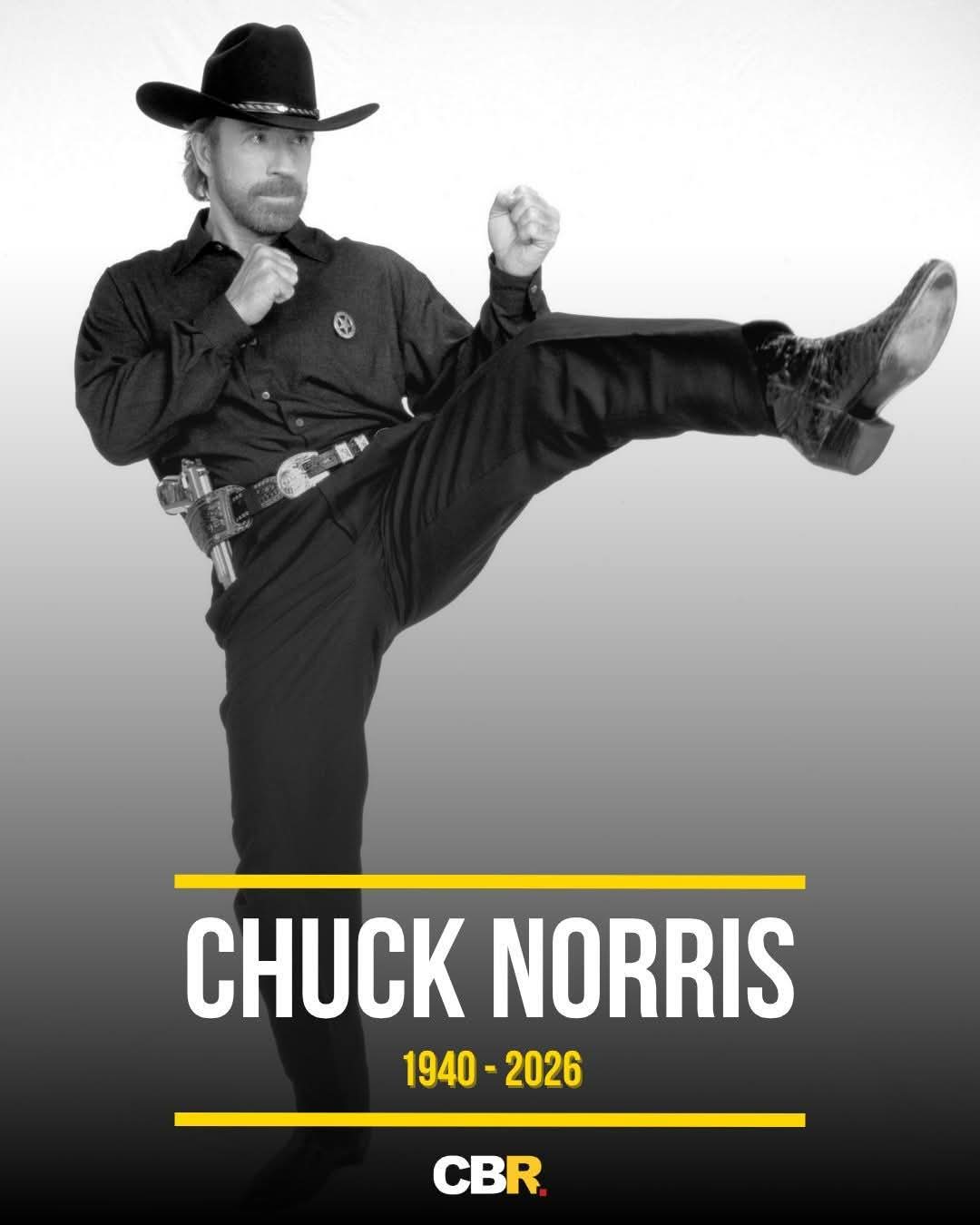
    Yet, it was perhaps his transition to television in Walker, Texas Ranger (1993–2001) that cemented his legacy across generations. Spanning eight seasons and over 200 episodes, the series was syndicated in more than 100 countries, reaching tens of millions of viewers weekly. Here, Norris was no longer just an action hero; he was a moral compass. As Cordell Walker, he fused law enforcement with ethical instruction, often resolving conflicts not merely through force, but through principle, a rare narrative discipline in modern entertainment. In a subtle yet powerful way, the series functioned as a moral classroom, where justice was not only enforced but explained, and where consequences were not only delivered but justified.

    Permit me, then, a confession that is at once personal and emblematic of a broader cultural truth.

    As a young boy in my formative primary and early secondary years, I encountered Norris not through scholarly discourse, but through illicit devotion. I would sneak out in the early evenings, constructing elaborate deceptions to evade parental scrutiny, all for the singular purpose of watching his films in modest, often overcrowded local video halls. There was something irresistibly magnetic about those flickering screens; the certainty of justice, the elegance of discipline, the quiet assurance that good, however embattled, would prevail. Those spaces, though physically humble, became arenas of ideological formation, where young minds, mine included were introduced to a worldview anchored in courage, consequence, and conviction.

    In retrospect, those acts of childhood rebellion were not mere mischief; they were early encounters with a moral universe that felt both distant and desperately needed.

    Norris, in his stoic minimalism, taught lessons that formal education often failed to articulate: that strength is inseparable from discipline, that justice requires courage, and that character is forged in the crucible of adversity. He demonstrated that silence can be powerful, that action need not be loud to be effective, and that integrity is most visible when tested under pressure.

    Scholars of media and cultural studies have long argued that cinema functions as a mirror of societal values. As Marshall McLuhan observed in Understanding Media (1964), “the medium is the message.”

    Norris’s films, therefore, were not merely entertainment; they were transmissions of ideological clarity in an increasingly fragmented world. Similarly, Joseph Campbell in The Hero with a Thousand Faces (1949) articulated the enduring power of the hero archetype, a framework within which Norris fits almost seamlessly. He was, and remains, the archetypal warrior: tested, disciplined, and ultimately redemptive. Yet beyond archetype, Norris localized the hero, bringing myth into everyday life, making heroism appear attainable, not abstract.
    Beyond the screen, Norris’s influence extended into literature, philanthropy, and civic engagement. His advocacy for youth development, particularly through programs like Kickstart Kids, reflects a commitment to translating cinematic values into tangible societal impact. This alignment between persona and practice is rare; many actors portray virtue, but few institutionalize it. In doing so, Norris blurred the boundary between fiction and lived reality, demonstrating that the ethics dramatized on screen could and should be practiced in society.

    From a legal and societal standpoint, Norris’s body of work also subtly reinforces foundational principles of justice and order. The narratives he championed resonate with doctrines embedded in legal systems worldwide: the rule of law, proportionality in the use of force, and the protection of the innocent. These principles find expression in frameworks such as the Universal Declaration of Human Rights, particularly Articles 3 and 8, which affirm the right to life, liberty, and effective remedy. While Norris’s methods were dramatized, the underlying ethos aligned with universal legal ideals, offering audiences not legal complexity, but moral direction.

    Critically, however, an objective analysis must acknowledge that his films often simplified complex geopolitical realities, presenting binary moral landscapes that may not fully capture the nuances of international relations or justice systems. Yet, this simplification was precisely their strength. In a world overwhelmed by moral relativism, Norris offered clarity perhaps not academically exhaustive, but emotionally and ethically resonant. He gave audiences something increasingly rare: certainty.

    The lessons from his films endure with remarkable clarity. In Lone Wolf McQuade (1983), we are taught that true authority is not derived from bureaucratic titles but from an internal code of honor that remains unshakeable even when one is isolated from the “system.”

    In Missing in Action, we learn that loyalty to one’s comrades transcends political convenience, and that abandoning the vulnerable is the gravest moral failure. In Invasion U.S.A. (1985), the narrative underscores that the defense of a nation begins with the vigilance of the individual, asserting that peace is a fragile construct maintained only by those willing to stand at the gate.

    In The Delta Force, we see the necessity of courage in confronting terror, reminding us that neutrality in the face of evil is complicity. In Code of Silence, Norris presents the difficult truth that integrity often demands standing alone even against one’s own institution when justice is compromised. His later appearance in The Expendables 2 (2012) functioned as a meta-textual nod to his legendary status, teaching us that the “old guard” of moral fortitude is never obsolete; it is merely waiting for the summons of duty. Even in his more recent work, such as Agent Recon (2024), the lesson persists: that the evolution of technology and warfare does not negate the fundamental requirement for human character and tactical discipline.

    Across these works, and through the legacy of Walker, Texas Ranger, a unifying principle emerges: that power is legitimate only when exercised with discipline, accountability, and a commitment to the greater good.

    Statistically, the action genre, to which Norris contributed significantly, has remained one of the most commercially viable categories in global cinema.

    According to industry analyses, action films consistently account for over 25% of global box office revenues annually. Norris was among the early architects of this dominance, helping to define a genre that continues to shape global entertainment economies. More importantly, he shaped audience expectations establishing a standard where action must be underpinned by purpose, not merely spectacle.

    Today, in an age of digital excess and fleeting fame, the endurance of Norris’s legacy is both instructive and humbling. Internet culture has immortalized him through humor, the so-called “Chuck Norris Facts” yet beneath the satire lies a profound truth: his persona has transcended authorship, becoming a collective cultural construct. He is no longer merely an individual; he is an idea, one that continues to evolve, adapt, and inspire across generations and continents.

    In the final analysis, Chuck Norris is not merely a relic of cinematic history; he is a case study in the power of disciplined identity. He reminds us that greatness is not accidental, that influence is earned through consistency, and that even in the realm of fiction, truth can find expression. He stands as a cultural bridge between eras between the clarity of the past and the complexity of the present offering a model of character that remains strikingly relevant.

    For those of us who once slipped quietly into dimly lit halls, hearts racing with anticipation, Norris was never just an actor. He was a standard. And standards, once set, do not easily fade.

    History will remember many stars. But it will reserve a special place for the man who did not merely act in stories but became one. May his soul repose in eternity, and may the ideals he embodied continue to instruct, inspire, and endure.

    The writer is a lawyer, researcher, governance analyst, and an LLM Student in Natural Resources Law at Kampala International University.

    alexatweme@gmail.com

    Do you have a story in your community or an opinion to share with us: Email us at Submit an Article

  • Kapeke Shuts Down Rumors About Dating Older Women

    Kapeke Shuts Down Rumors About Dating Older Women

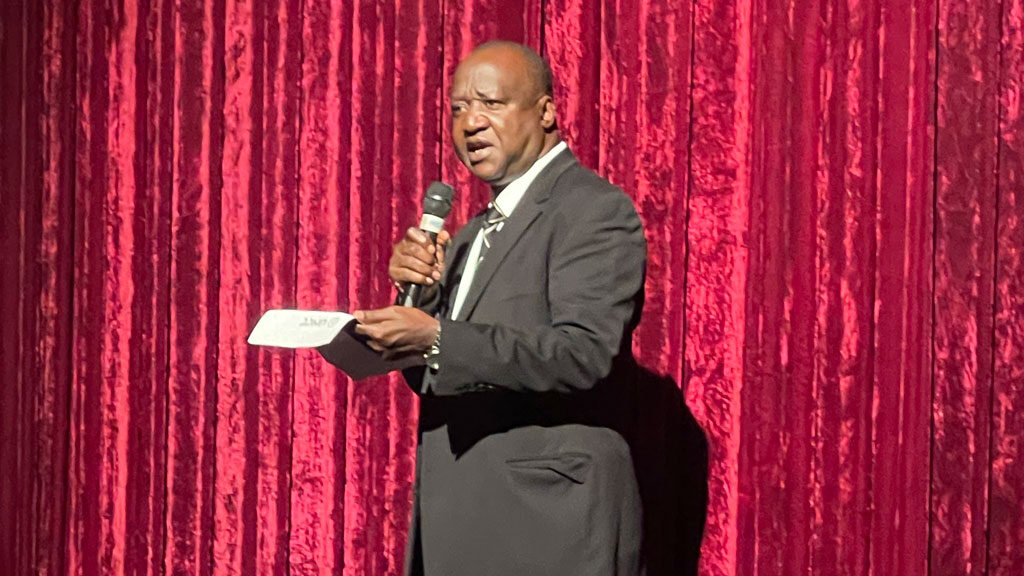
    Kapeke has addressed claims linking him to older women and makes it clear he does not entertain such talk.

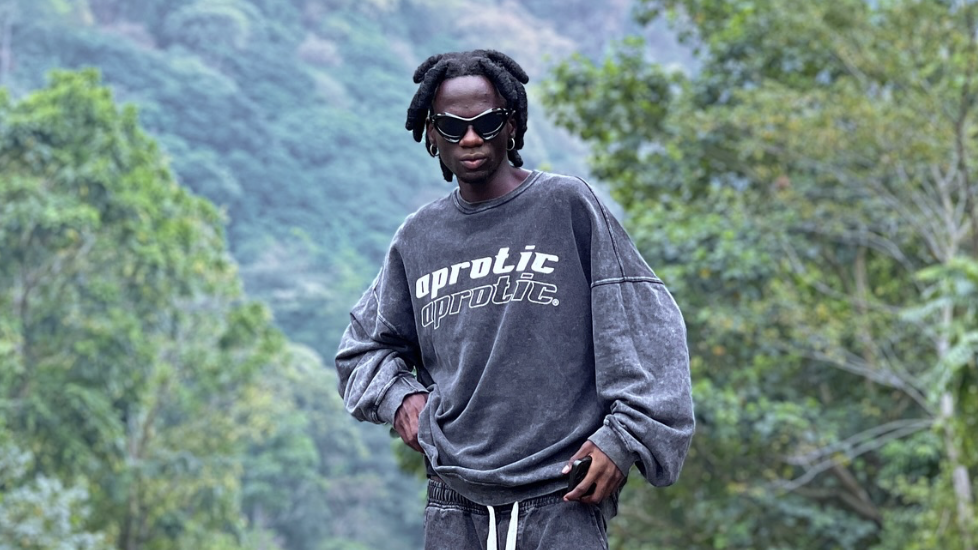
    The rapper, born Derrick Nsubaga, recently turned 25 and used a sit-down on Spark TV to shut down the rumors, insisting he has never dated a woman older than him.

    He added that he only dates within his age group.

    I have never loved a woman older than me. They are always 23, 24, 22. You know, agemates.

  • Napak RDC Odongo Milton Pledges to Continue Anti-Corruption Efforts and Promote Integrity

    Napak RDC Odongo Milton Pledges to Continue Anti-Corruption Efforts and Promote Integrity

    The Resident District Commissioner (RDC) for Napak District, Milton Odongo, has reaffirmed his commitment to intensifying the fight against corruption and improving service delivery in the district.

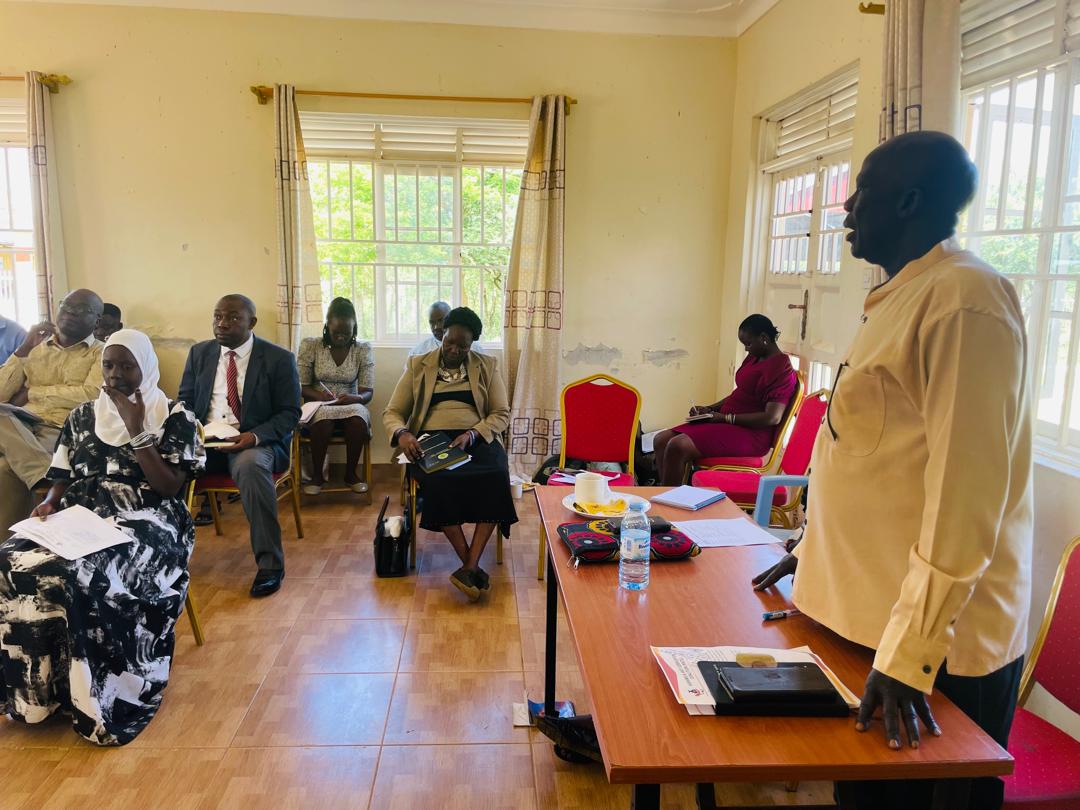
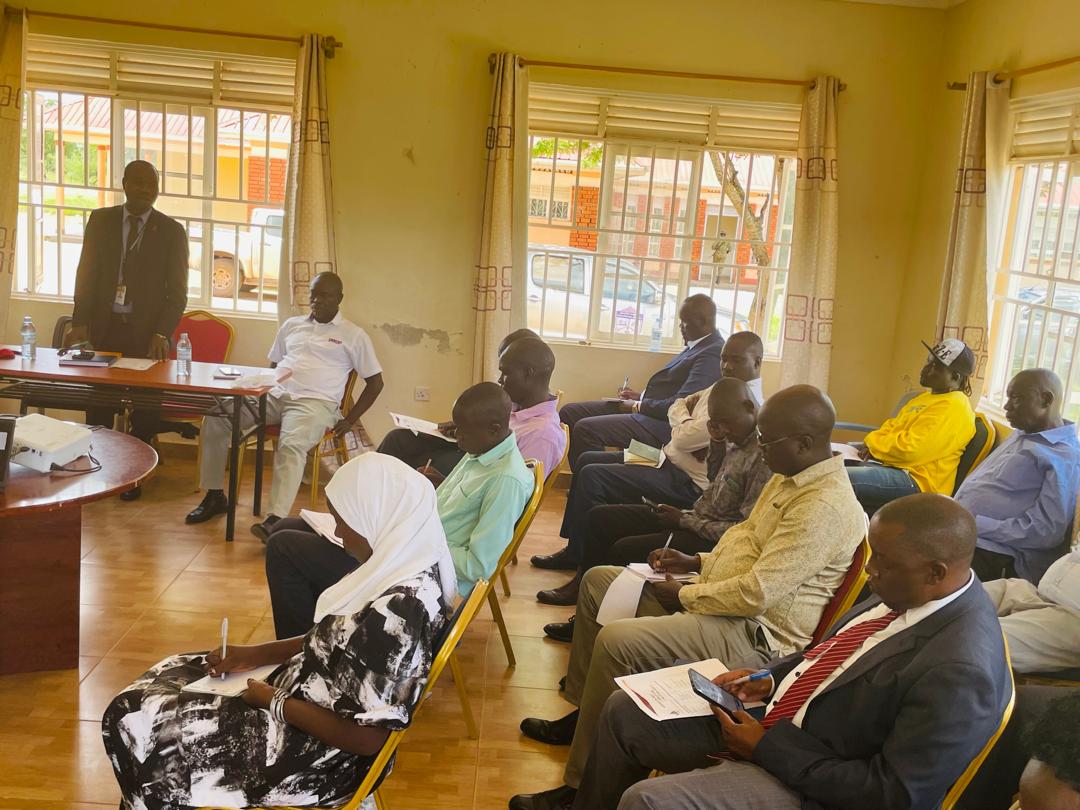
    Odongo, who also serves as Chairperson of the Napak District Integrity Promotion Forum (DIPF), made the remarks during a DIPF meeting organized by the Karamoja Anti-Corruption Coalition (KACC) on Tuesday, March 24, 2026, at Farmers Hall in Napak District.

    During the meeting, KACC’s Integrity Officer Amina Lowakori presented a range of concerns affecting service delivery in the district. These included dilapidated classroom structures with visible cracks at Lorengchwora Primary School, compromising learners’ safety and comfort.

    The report also highlighted a shortage of furniture for Primary One and Two pupils at both Lorengchwora and Lokopo Primary Schools, as well as inadequate staff accommodation at Lorengchwora Health Centre III and persistent drug shortages across health facilities.

    Members of the DIPF

    Dr. Charles Nuwagaba, the District Health Officer, responded to the health issues, stating that renovations of staff quarters will be done in Lorengchwora and the budget for drugs has been increased for the next financial year.

    Napak Chief Administrative Officer, Robert Abia Owili, commended KACC for its role in promoting accountability and supporting government oversight efforts. He noted that his office conducts weekly monitoring of government-funded projects and reaffirmed his commitment to sustaining these efforts to improve service delivery in the district.

    Sophia Lomongin, Head of Community Monitors at KACC, stated that the organization will closely follow up on the commitments made by government officials during the meeting.

    Meanwhile, Dr. Ayub Mukisa, Executive Director of KACC, expressed appreciation to both the RDC and the CAO for their responsiveness and willingness to address community concerns raised through the forum.

    KACC, in partnership with the Anti-Corruption Coalition Uganda (ACCU) and Transparency International Uganda, is currently implementing the Civic Engagement for Accountability Project (CEAP) in the Karamoja sub-region funded by the Embassies of Denmark, Ireland, Sweden, and the Netherlands.

    Do you have a story in your community or an opinion to share with us: Email us at Submit an Article
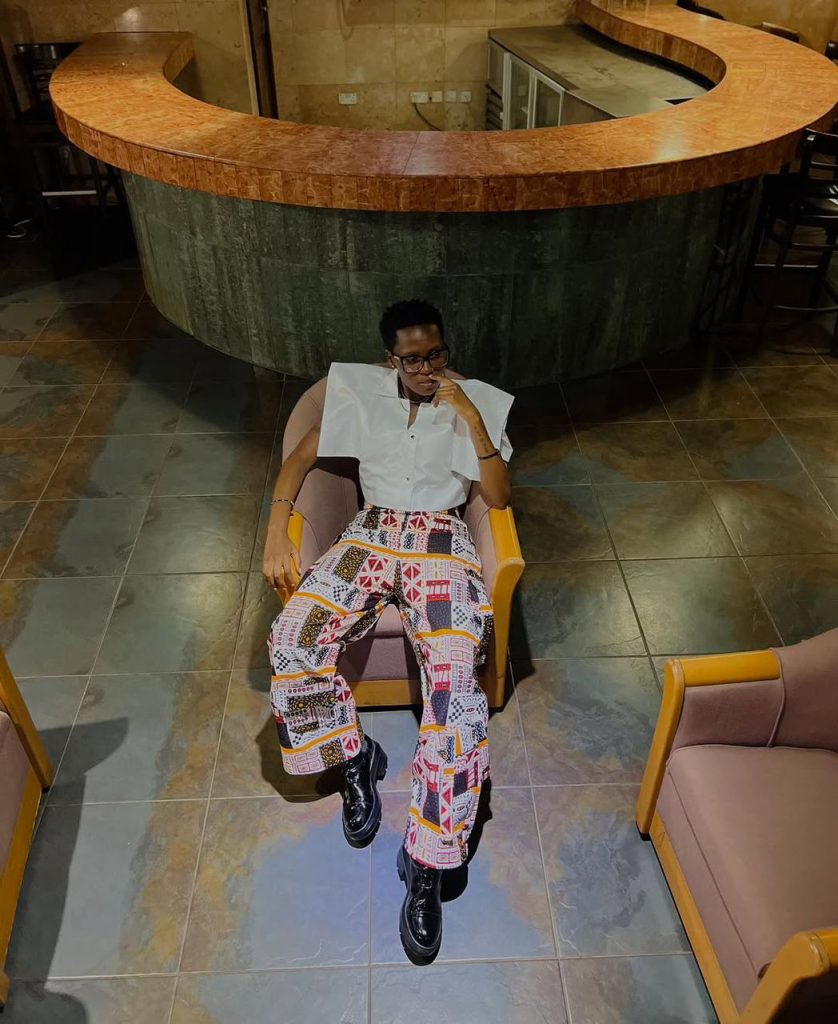
  • TikToker Ken Mukalakasa under investigation for alleged minor assault

    TikToker Ken Mukalakasa under investigation for alleged minor assault

    Minister of State for Youth and Children Affairs, Balaam Barugahara, has confirmed that TikToker Ken Mukalakasa is under investigation over allegations of abusing a minor.

    The case involves an unidentified boy believed to be underage. According to the minister, Mukalakasa initially denied the accusations but later admitted to engaging in assault when confronted.

    Balaam revealed that the incident allegedly occurred at a house party in Kajjansi, where Mukalakasa was reportedly recorded. The video has since circulated online, intensifying public scrutiny around the matter.

    “He wanted to deny, and I told him we are going to use forensic evidence to confirm. Now he hasn’t denied,” Balaam stated. He added that he advised Mukalakasa to seek forgiveness from God over the incident.

    However, the minister’s directive to security officials to release Mukalakasa on bond if he cooperates has drawn sharp criticism from members of the public.

    Many netizens argue that the case involves a serious criminal offense, particularly because it concerns a minor, and should be handled strictly through the courts.

    The post TikToker Ken Mukalakasa under investigation for alleged minor assault appeared first on MBU.

  • NRM South Africa Chapter Calls on President Museveni to Address Diaspora Concerns

    NRM South Africa Chapter Calls on President Museveni to Address Diaspora Concerns

    The National Resistance Movement South Africa Chapter (NRMSAC) writes to the NRM National Chairperson and the President of the Republic of Uganda, H.E. Rtd. Gen. Yoweri Kaguta Museveni to address concerns about misrepresentation and the undermining of NRM structures in South Africa, perpetrated by a group led by Mr Philip Kakuru for his personal interest.

    By the copy of the letter signed by the chairperson of the NRM South Africa Chapter, Mr Isma Luzige, the NRMSAC expressed its commitment and unwavering loyalty to the leadership of President Museveni and the National Resistance Movement (NRM) and congratulated H.E. President Museveni upon his victory, as he emerged as a winner in the presidential elections.

    “As members of the NRM South Africa Chapter (NRMSAC), we reiterate our firm commitment to supporting our country, our party, your leadership, and the national development agenda. We continue to encourage all Ugandans to set aside political differences and unite for the common good and prosperity of our nation ”.

    NRMSAC appealed to President Museveni to diffuse Mr Kakuru Philip’s arrangements that are aimed at disorganising the already established South Africa’s NRM structure, which has served its party with loyalty.

    “Your Excellency, we wish to respectfully bring to your attention a matter of serious concern affecting the unity and integrity of NRM structures in South Africa. A group led by Mr Philip Kakuru has organised a purported “victory celebration” scheduled for 27th–28th March in Cape Town, South Africa, without the involvement or consultation of NRMSAC leadership and members. Traditionally, such celebrations are organised in alignment with official NRM Secretariat programmes, including the swearing-in events scheduled to take place in May, and in accordance with the agreed NRMSAC roadmap, which we intend to implement as planned. We therefore categorically state that NRMSAC is not associated with this event,” said Chairman Mr Isma Luzige.

    “Mr Kakuru has consistently engaged in actions that foster division, including promoting sectarianism and tribalism among members. Such conduct is contrary to the core values and principles of the National Resistance Movement and undermines party unity. We are also concerned that this group has recently registered a parallel entity referred to as “NRMO South Africa Branch”, with the apparent intention of undermining the legitimate leadership and activities of NRMSAC. In addition, they are impersonating the official NRM South Africa Chapter on various media platforms, thereby misleading members and the public,” he said.

    “It has also come to our attention that this group is attempting to initiate the formation of a SACCO without consultation, participation, or approval from recognised NRM South Africa Chapter members. No official meetings have been convened to discuss or approve such an initiative. This further demonstrates a pattern of unilateral actions aimed at destabilising established party structures within the diaspora,” he added.

    The NRMSAC appealed to President Museveni to intervene and address and restrain individuals misusing his name and office for personal agendas, which they said were damaging the image and credibility of the NRM both within South Africa and internationally.

    “We ask you to safeguard the unity and integrity of NRM structures in South Africa and provide clear guidance on the recognition of legitimate leadership and authorised activities within the diaspora.”

    Do you have a story in your community or an opinion to share with us: Email us at Submit an Article

About UGNEWS24

UGNEWS24 is a Uganda local news service, a product of SOLAVIA GROUP LIMITED, Reg. No. 80048169153974.

Registered office

Plot 2335, Buwambo-Katadde-Najjo Road,
Nansana Municipality, Wakiso District, Uganda
P.O. Box 214231, Kampala

© 2026 SOLAVIA GROUP LIMITED. All rights reserved.