On Monday, March 16, I&M Bank extended a gesture of compassion and solidarity by donating Ramadan/Eid hampers to hundreds of vulnerable Muslim families in Gayaza and Bweyogerere. The initiative aimed to support communities during this holy month- a period marked by fasting, prayer, and acts of charity.
The donated hampers comprised essential food items including rice, sugar, cooking oil, posho (maize flour), beans- staples intended to help families break their daily fast.
The outreach exercise was conducted in partnership with Al-Waasi Charity, a non-governmental organization dedicated to supporting and empowering marginalized groups.
In Gayaza, the donations were specifically distributed to Muslim refugees living in the area, many of whom face significant economic challenges. Meanwhile, in Bweyogerere, the bank reached out to Muslims residing in the Kakajo slum settlement as well as Talbia Primary School, a community institution that serves children from underprivileged backgrounds.
The I&M Bank delegation was led by Nadia Mindra, the Head of Treasury, who was flanked by the bank’s staff. The team actively engaged with beneficiaries during the distribution, reinforcing the bank’s commitment to community connection beyond financial services.
According to Ssemanda Husama, Programs Director at Al-Waasi Charity, the partnership reflects the power of collaboration in addressing community needs.
“Basing on our experience, these contributions bring a smile to the faces of many families who would otherwise struggle during this time. They help families access a meal during an important period of reflection and devotion,” Ssemanda said.
Annette Nakiyaga, the Head of Marketing and Corporate Communications at I&M Bank, noted that the initiative aligns seamlessly with the bank’s identity and values.
“This exercise is a natural fit for us and reflects who we are. I&M Bank’s Corporate Social Responsibility (CSR) strategy is anchored on four key pillars: Education and Skills Development, Economic Empowerment, Environmental Conservation, and Enabling Giving. What we are doing today falls under ‘Enabling Giving,’ ensuring that our brand promise, ‘On Your Side,’ is not just words but a lived reality in the communities we serve,” she explained.
Nakiyaga further highlighted that with an established branch in Bweyogerere, it made the outreach even more meaningful. “This is essentially home for us. Supporting the people here strengthens our bond with the community and reaffirms our commitment to being a responsible and caring neighbor,” she added.
I&M Bank continues to drive impact through initiatives that support education, expand economic opportunities, promote environmental stewardship, and provide timely support to vulnerable communities.
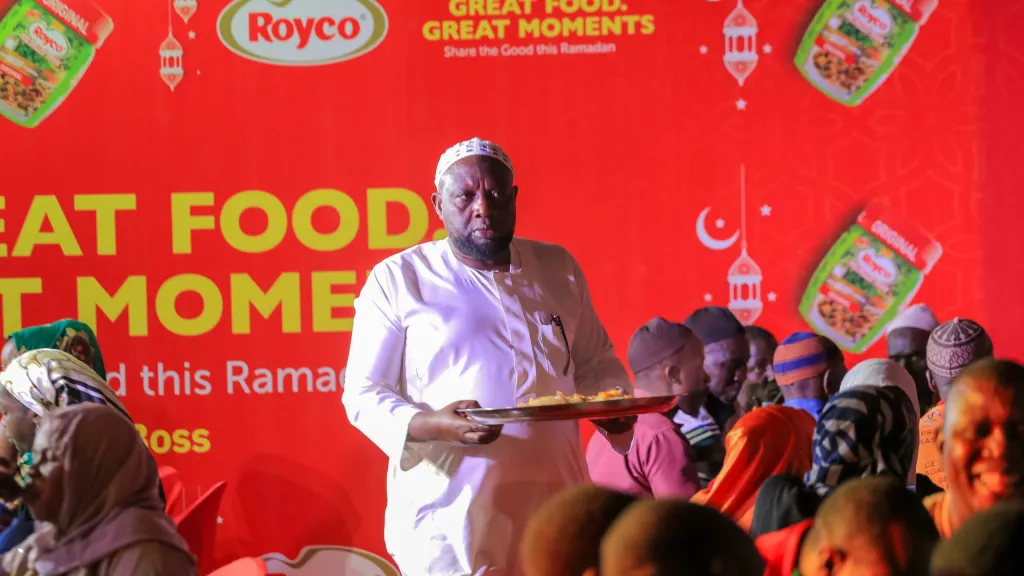
Royco concluded its Ramadan engagement with a community Iftar at Mbogo Mosque in Kawempe, on Wednesday, 18th March 2026.
It brought together Sheikhs, Sheikats, and members of the community for a shared moment of reflection and togetherness ahead of Eid celebrations.
The Iftar marked the final engagement in a series of activities that began with Darasa and continued through community Iftars across different mosques and regions throughout the holy month.
Over the course of Ramadan, Royco activated engagements across 50 mosques, reaching an estimated 200 Muslims per mosque, as part of its commitment to support meaningful community moments.
As part of today’s gathering, Royco is set to support over 400 Muslims through the distribution of food items and essential supplies, reinforcing the spirit of generosity that defines Ramadan.
Speaking at the event, Grace Nandawula, Head of Marketing at Unilever, said:
As we come to the end of Ramadan, we are reminded that this season calls us to give, to share, and to uplift one another. We are grateful to have walked this journey with communities across the country and to stand with you as you prepare to celebrate Eid.
Throughout the holy month, Royco also encouraged communities to take part in a nationwide giving initiative, further promoting shared responsibility and collective generosity.
As the Muslim community prepares to celebrate Eid, Royco extends its warm wishes for joy, peace, and blessings.
NAGRC&DB Hands Over Teso Breeding Centre Site, Signalling Livestock Transformation in Bukedea
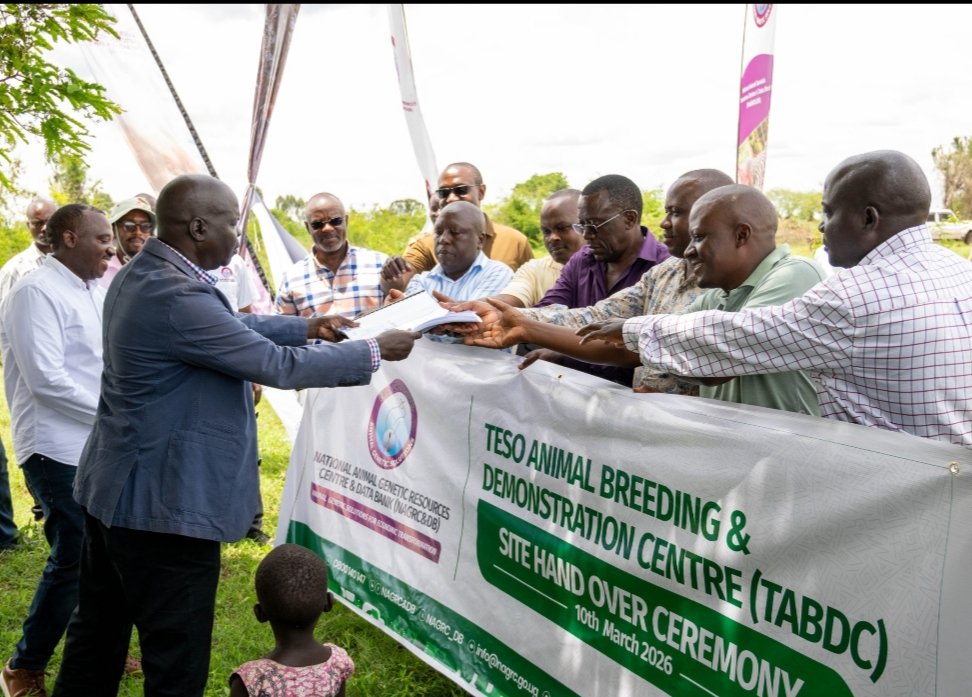
Bukedea, Uganda – The National Animal Genetic Resources Centre and Data Bank (NAGRC&DB) has officially handed over the site for the Teso Animal Breeding and Demonstration Centre (TABDEC) to contractors, clearing the way for construction works to begin in earnest across the Teso sub-region.
The handover was officiated by Board Chairman Ben Anyama, marking a key milestone in a project expected to reshape livestock production in Eastern Uganda. The facility will sit on two sites—approximately 61 acres at Aoroko and 278 acres at Amujeju in Bukedea District.
Once complete, TABDEC will operate as an integrated breeding, training and demonstration hub. Planned infrastructure includes administrative blocks, staff housing, a learning centre, artificial insemination (AI) training hostels, poultry and hatchery units, piggery and fish production systems, feed processing units, valley tanks, modern cattle sheds and hay barns.
Jobs Now, Opportunity Ahead
Even before completion, the project is already injecting life into the local economy, with contractors mobilising labour, suppliers and services—creating immediate opportunities for youth and small businesses in the area.
But the long-term promise is far bigger.
Why This Project Matters
For decades, Teso’s livestock sector has struggled to recover from the twin shocks of cattle rustling and insurgency, which wiped out herds and weakened household incomes.
The establishment of TABDEC represents a deliberate shift—from recovery to transformation.
When operational, the centre will decentralise access to improved animal genetics and services, reducing farmers’ dependence on distant government farms. It is expected to directly support farmers—especially women and youth—with:
High-yield dairy breeds such as Jersey, Friesian and Ankole crosses
Climate-resilient beef breeds including Boran and Brahman crosses
A steady supply of poultry from a modern hatchery system
Integrated fish, piggery and on-site feed production using local inputs
Beyond inputs, the centre is projected to train up to 5,000 farmers annually in artificial insemination, climate-smart agriculture, agribusiness skills and market access.
If implemented effectively, this could reposition Teso as a competitive player in Uganda’s dairy and poultry value chains—boosting incomes, improving nutrition and expanding rural employment.
Delivering on Mandate
NAGRC&DB’s rapid progression from groundbreaking to site handover reflects an institution under pressure to deliver tangible results. The agency’s core mandate—improving animal genetics and decentralising breeding services—is increasingly being tested against real community expectations.
Officials say TABDEC is part of a broader national push to modernise livestock farming and move households from subsistence to commercial production.
Watchdog Perspective
This is the kind of intervention that matters—where policy meets the soil, and promises are measured in livelihoods, not speeches.
But delivery will be the true test.
Ugandans have seen too many projects stall after launch. The real success of TABDEC will depend on transparency in construction, timely completion, and whether farmers—especially at the grassroots—actually gain access to the services envisioned.
If done right, this could become a model for regional agricultural transformation. If mismanaged, it risks joining the long list of underperforming public investments.
For now, the signal is clear: Teso’s livestock revival has moved from blueprint to breaking ground.
The Watchdog is on duty.
Do you have a story in your community or an opinion to share with us: Email us at Submit an Article
National Unity Platform leader Robert Kyagulanyi has surfaced in the United States, where he says he has begun a series of international engagements after quietly leaving the country.
Kyagulanyi, widely known as Bobi Wine, revealed on 18 March 2026 that his first meetings took place in Washington, D.C., including discussions on Capitol Hill—the seat of the U.S. Congress.
In a brief message shared on X, he said he had already started engaging key stakeholders, signalling a shift to international advocacy following his departure from Uganda.
Capitol Hill, which hosts both the Senate and the House of Representatives, is a major centre of political decision-making in the United States. It is often visited by global leaders and activists seeking to influence policy or rally international support.
The announcement comes just days after Kyagulanyi said he had gone into exile. He claimed he had spent more than two months in hiding, alleging that security agencies were searching for him.
According to him, he managed to evade arrest with the help of ordinary citizens who concealed his whereabouts.
A fresh debate has emerged around Uganda’s newly approved Copyright Amendment Bill, with Mawokoto North MP Hillary Kiyaga, popularly known as Dr. Hilderman, clarifying key details that could disappoint some veteran musicians.
Speaking on NTV Uganda after Parliament passed the Copyright and Neighbouring Rights (Amendment) Bill, 2025, Hilderman stressed that the law will not apply retroactively. This means artists who previously signed contracts and transferred ownership of their music rights cannot reclaim them under the new legislation.
He gave a clear example, noting that rights purchased by Salim Saleh and Kasiwukira from artists like Paul Kafeero will remain valid because the agreement was made before the bill came into effect.
Hilderman’s remarks appear to counter earlier sentiments from Eddy Kenzo, the president of the Uganda National Musicians Federation (UNMF). Kenzo had suggested that once the bill is signed into law by the president, veteran artists who sold off their catalogs years ago could regain ownership of their work.
However, Hilderman clarified that this will not be the case. According to him, the law does not revisit past agreements but instead takes effect moving forward, from the moment it is assented to and its regulations are implemented.
“Those artists will need to create new music and start afresh,” he explained, saying that older works remain bound by the original contracts under which they were sold.
The legislator added that the amendment is designed to protect artists who still retain full ownership of their music, as well as safeguard the rights to future works. In essence, while the new law strengthens protections within the industry, it offers little relief for artists hoping to recover rights lost under earlier deals.
Artists who already signed contracts and transferred their copyrights cannot have those agreements reversed. For example, the rights General Salim Saleh purchased from music producer Kasiwukira remain unchanged because the contract was signed before the Copyright Bill.… pic.twitter.com/nitytBTSJ7
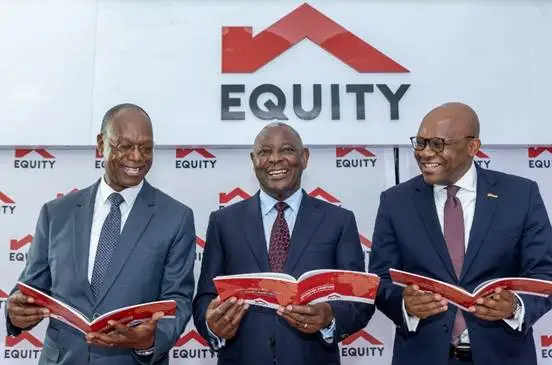
Equity Group Holdings Plc has announced record FY2025 results in Kenya’s corporate history, posting a 55% increase in Profit After Tax of KSh75.5 billion, up from KSh48.8 billion. The performance reflects the Group’s successful business transformation, diversified revenue growth, enhanced efficiency, and robust regional contributions. The balance sheet expanded by 9% to KSh1.97 trillion (FY2024: KSh1.8 trillion), with customer deposits rising 4% to KSh1.46 trillion (FY2024: KSh1.40 trillion) and net loans increasing 8% to KSh882.5 billion (FY2024: KSh819.2 billion). The Group closed the year with 22.4 million customer accounts, supported by a strong regional distribution and digital ecosystem.
Strong revenue performance saw net interest income grow 17% to KSh 126.9billion, non‑funded income rise 7% to Ksh90.8 billion, and total income increase by 12% to Kshs 217.7 billion (FY2024: KSh193.8 billion). Operational efficiency improved significantly, with the cost‑to‑income ratio falling to 51.0% from 58.2%, driven by continued migration to self‑service channels, productivity gains, and tighter cost discipline supported by Group-wide shared services and digital infrastructure. Over 98% of customer transactions were conducted outside branches, with 88.4% processed through digital channels, reflecting continued demand for digital services with increased investment in customer‑centric digital infrastructure. Loan loss provisions declined 28%, while NPL coverage strengthened to 67.7%, supported by a reduced cost of risk of 1.7%.
From L-R: Equity Group Chairman, Prof. Isaac Macharia, Group Managing Director and CEO, Dr. James Mwangi and EquityBCDC Managing Director, Willy Mulamba, during the FY 2025 Investor Briefing event. Equity Group Holdings Plc posted a 55% growth in Profit After Tax to Kshs. 75.5 billion, up from Kshs. 48.8 billion in the same reporting period in 2024, marking a record performance driven by its successful strategic transformation. The Board proposed a dividend payout of Kshs. 21.7 billion, translating to Kshs. 5.75 per share, a 35.3% increase from Kshs. 16 billion (Kshs. 4.25 per share) in 2024. Regional banking subsidiaries registered a 53% growth in profit after tax to Kshs. 36.3 billion, driven by strong performance across key markets including DRC, Uganda, and Tanzania, alongside robust loan expansion of 17% in DRC, 22% in Rwanda, and 61% in Tanzania. Diversification efforts were reinforced by strong momentum in insurance, with gross written premiums rising 75% and profit before tax increasing 36%. The Group also delivered significant social impact, investing approximately Kshs. 99.5 billion in sustainability initiatives, underscoring its continued evolution into a diversified, technology-driven pan-African financial services group.
Commenting on the results, Equity Group Managing Director and CEO Dr. James Mwangi said the performance demonstrates the strength of the Group’s strategic transformation, driven by diversified revenue streams, improved efficiency and growing contributions from regional subsidiaries: “The 2025 performance reflects the success of our deliberate transformation into a diversified, regional financial services group. We delivered strong profit growth by expanding and deepening our income streams, improving efficiency across the franchise, and strengthening the quality of our balance sheet. Importantly, our regional subsidiaries now contribute about half of our banking profitability, demonstrating the value of our pan-African footprint and the resilience that comes from diversification.”
On the back of this performance, the Directors have recommended a dividend of Kshs 5.75 per share, up from Kshs 4.25 amounting to a payout of Kshs 21.7 billion (2024: Kshs 16 billion), representing a 35.3% growth in dividends.
Equity Bank Kenya Limited (EBKL) reported a 63% rise in profit after tax to KSh39.2 billion (FY2024: KSh24.1 billion), driven by a 28% increase in net interest income and a 37% reduction in interest expense. Shareholders’ funds grew 11% to KSh136.2 billion, while returns on assets and equity strengthened to 3.9% from 2.4% and 26.8% from 20.2%, respectively. The performance reinforces EBKL’s leadership in supporting enterprise growth, with the Bank having been recognised at the Kenya Bankers Association Sustainable Finance Initiative (KBA SFI) Awards as the Best Bank for MSME Financing contributing 45% of all banks lending to SMEs.
From L-R: Equity Group Chairman, Prof. Isaac Macharia, Group Managing Director and CEO, Dr. James Mwangi and Equity Life Assurance Kenya Limited Managing Director, Angela Okinda, during the FY 2025 Investor Briefing event. Equity Group Holdings Plc posted a 55% growth in Profit After Tax to Kshs. 75.5 billion, up from Kshs. 48.8 billion in the same reporting period in 2024, marking a record performance driven by its successful strategic transformation. The Board proposed a dividend payout of Kshs. 21.7 billion, translating to Kshs. 5.75 per share, a 35.3% increase from Kshs. 16 billion (Kshs. 4.25 per share) in 2024. Regional banking subsidiaries registered a 53% growth in profit after tax to Kshs. 36.3 billion, driven by strong performance across key markets including DRC, Uganda, and Tanzania, alongside robust loan expansion of 17% in DRC, 22% in Rwanda, and 61% in Tanzania. Diversification efforts were reinforced by strong momentum in insurance, with gross written premiums rising 75% and profit before tax increasing 36%. The Group also delivered significant social impact, investing approximately Kshs. 99.5 billion in sustainability initiatives, underscoring its continued evolution into a diversified, technology-driven pan-African financial services group.
Regional operations accounted for about half of Group profitability in FY2025, underscoring Equity’s emergence as a pan-African financial services group. In the DRC, profit after tax rose 58% to KSh24.7 billion, supported by 17% loan growth. Uganda’s profit after tax jumped 500% to KSh3.6 billion, while Rwanda posted profit after tax of KSh5.4 billion, with total assets up 5% and the loan book expanding 22%. Tanzania’s profit after tax grew 125% to KSh2.7 billion, alongside a 75% increase in shareholders’ funds. Overall, subsidiaries contributed 51% of banking profit before tax and 48% of banking profit after tax.
Equity Insurance Group continued its strong expansion, driven by newly acquired life, general, and health underwriting licenses. Gross written premiums rose by 75% to Kshs 9.17 billion, delivering Profit Before Tax growth of 36% to Kshs 2.0 billion, and a 150% rise in insurance revenue to Kshs 3.57 billion. All subsidiaries delivered solid growth: Equity Life Assurance which delivered a Profit Before Tax of KShs 1.77 Billion now serves unique 6.9 million customers with 19.2 million policies issued since inception, Equity General Insurance reported Kshs 1.79 billion in Gross Written Premiums and Kshs 199 million in Profit Before Tax in its first year of operations whilst Equity Health Insurance reported Gross Written Premium of KShs 20 Million and KShs 40 million in Profit Before Tax in its first 4 months of operations
Africa continues to show strong economic momentum, with 11 of the world’s 20 fastest‑growing economies in 2025, including South Sudan, Rwanda, and Uganda. A minerals boom is lifting growth in DR Congo, Tanzania, and Uganda, while high gold, copper, and coffee prices – combined with low oil and wheat prices and a weaker US dollar – are supporting East African economies. Although geopolitical risks have risen due to the Iran conflict, the impact is expected to be temporary; oil prices briefly spiked to about $100 but are projected to ease to the mid‑$60s after a ceasefire, helping stabilize trade and inflation. Global inflation remains contained, though recent rate cuts in the DRC and Kenya may face short‑term pressure from higher oil prices.
From L-R: Equity Group Chairman, Prof. Isaac Macharia, Group Managing Director and CEO, Dr. James Mwangi and Equity Bank Kenya Managing Director, Moses Nyabanda, during the FY 2025 Investor Briefing event. Equity Group Holdings Plc posted a 55% growth in Profit After Tax to Kshs. 75.5 billion, up from Kshs. 48.8 billion in the same reporting period in 2024, marking a record performance driven by its successful strategic transformation. The Board proposed a dividend payout of Kshs. 21.7 billion, translating to Kshs. 5.75 per share, a 35.3% increase from Kshs. 16 billion (Kshs. 4.25 per share) in 2024. Regional banking subsidiaries registered a 53% growth in profit after tax to Kshs. 36.3 billion, driven by strong performance across key markets including DRC, Uganda, and Tanzania, alongside robust loan expansion of 17% in DRC, 22% in Rwanda, and 61% in Tanzania. Diversification efforts were reinforced by strong momentum in insurance, with gross written premiums rising 75% and profit before tax increasing 36%. The Group also delivered significant social impact, investing approximately Kshs. 99.5 billion in sustainability initiatives, underscoring its continued evolution into a diversified, technology-driven pan-African financial services group.
The Equity Group Foundation (EGF) is driving meaningful social impact across Africa – supporting 1,115 scholars with global university scholarships, including 145 airlifted during the year, training nearly one million entrepreneurs, and enabling over 500,000 MSMEs to access Kshs 401 billion in credit. It has empowered 3.8 million farmers with climate‑smart agriculture skills, distributed over half a million clean energy solutions, and planted 44.6 million trees. Through the growing Equity Afya network, now 150 centres strong, 4.6 million patients received affordable, quality healthcare.
The Foundation is scaling its Innovation and Technology Pillar by training over 600,000 youth in AI, machine learning, and data analytics through partnerships with iamtheCODE, Huawei, and WorldQuant University. With strengthened impact measurement under the global Sustainable Disclosure Impact Data (SDID) framework and recognition through the 2025 Sustainable CSR Award, EGF continues to show how integrated investments in education, enterprise, health, and climate resilience drive inclusive growth.
The Group’s strong performance also reflects its intentional focus on anchoring a refreshed corporate culture and strengthening staff productivity to deliver a consistently delightful customer experience. By institutionalizing robust internal controls, elevating performance standards, and embedding disciplined, data‑driven execution across all teams, the Group has enhanced operational efficiency, strengthened risk management, and deepened customer‑centricity.
These strategic measures, combined with a culture of accountability, agility, and service excellence, continue to position the Group to deliver superior outcomes across all markets.
Equity Bank was named the Best Regional Bank in East Africa and retained its position as Kenya’s most valuable brand in 2025, reaffirming the Group’s regional leadership and commitment to financial inclusion and socio‑economic transformation. Beyond lending, the Group is strengthening market linkages for SMEs by enabling cross-border trade through its regional footprint and integrated digital payments and transaction-banking capabilities; helping businesses access new customers, suppliers and growth opportunities across the region.
Dr. Mwangi added that the Group will continue to execute its 2030 strategy anchored in the Africa Recovery and Resilience Plan (ARRP), leveraging next‑generation digital and AI‑enabled capabilities to scale impact, deepen inclusion and accelerate growth across the continent: “Our focus is to build a future-ready institution that is scalable, secure and impact-led. Through our Africa Recovery and Resilience Plan, we are investing in next-generation digital and AI-enabled capabilities that enhance customer experience, strengthen risk management and lower the cost-to-serve, while extending access to affordable credit, insurance and investment solutions. As we progress toward our 2030 ambitions, we are evolving beyond traditional banking into a Transformation Finance Institution that mobilizes capital, connects ecosystems and accelerates inclusive, sustainable prosperity across Africa,” he said.
Equity Group’s 2030 strategy positions the organization for transformative, continent‑wide growth. Anchored in the Africa Recovery and Resilience Plan (ARRP), the Group aims to operate in 15 countries and serve 100 million customers by 2030. With strong governance, upgrades include next‑generation digital, AI‑enabled systems, and the launch of innovative applications supported by a modern go‑to‑market model. These developments drive more effective service to diverse customer segments while building a culture of client centricity, agility, and innovation. Through blended finance, strategic partnerships, and ecosystem development, Equity is evolving from a traditional bank into a Transformation Finance Institution – mobilizing private capital to drive inclusive, sustainable prosperity across Africa.
Kabira Country Club is offering a special Eid al-Fitr package, giving Muslims a convenient and comfortable place to celebrate the occasion.
The Eid Combo Platter, priced at Shs55,000, features kebabs, biryani, salad and dates, and is served with either a soda or water.
The venue offers relaxed seating for both individuals and groups, with a well-balanced menu designed to make the celebration enjoyable and satisfying.
Management says the combo has been carefully prepared to highlight traditional flavours, with a mix of slow-cooked meats and classic sides aimed at bringing people together in a spirit of joy and gratitude.
For reservations, guests can contact Kabira Country Club on 0752 711 080 or +256 312 227 222, or book through the club’s website.
Meanwhile, the facility is close to completing a major expansion that will include a shopping mall, 350 fully furnished apartments, and a luxury hotel with about 110 high-end rooms. The development is expected to further strengthen its position as one of the leading hospitality destinations in Uganda.
Ugandan singer Rickman Manrick has revealed that rapper Fefe Bussi played a key role in inspiring his music journey.
Speaking in an interview with a local television station, Rickman shared that his passion for writing music dates back to as early as 2008 when he was still in school.
According to him, fellow musician Gravity Omutujju introduced him to Fefe Bussi, whose rap challenges sparked his interest in music.
“Fefe Bussi was Gravity’s friend and I was studying with Gravity. In 2008 we met because Gravity was always speaking about him. I was actually inspired to start writing music by him. I was not performing it but only putting it down,” he explained.
Rickman noted that although he didn’t immediately pursue performing, the exposure motivated him to begin writing lyrics, which later shaped his music career.
He also expressed gratitude to both Fefe Bussi and Gravity, saying he witnessed their journeys from the early stages and drew inspiration from their growth in the industry.
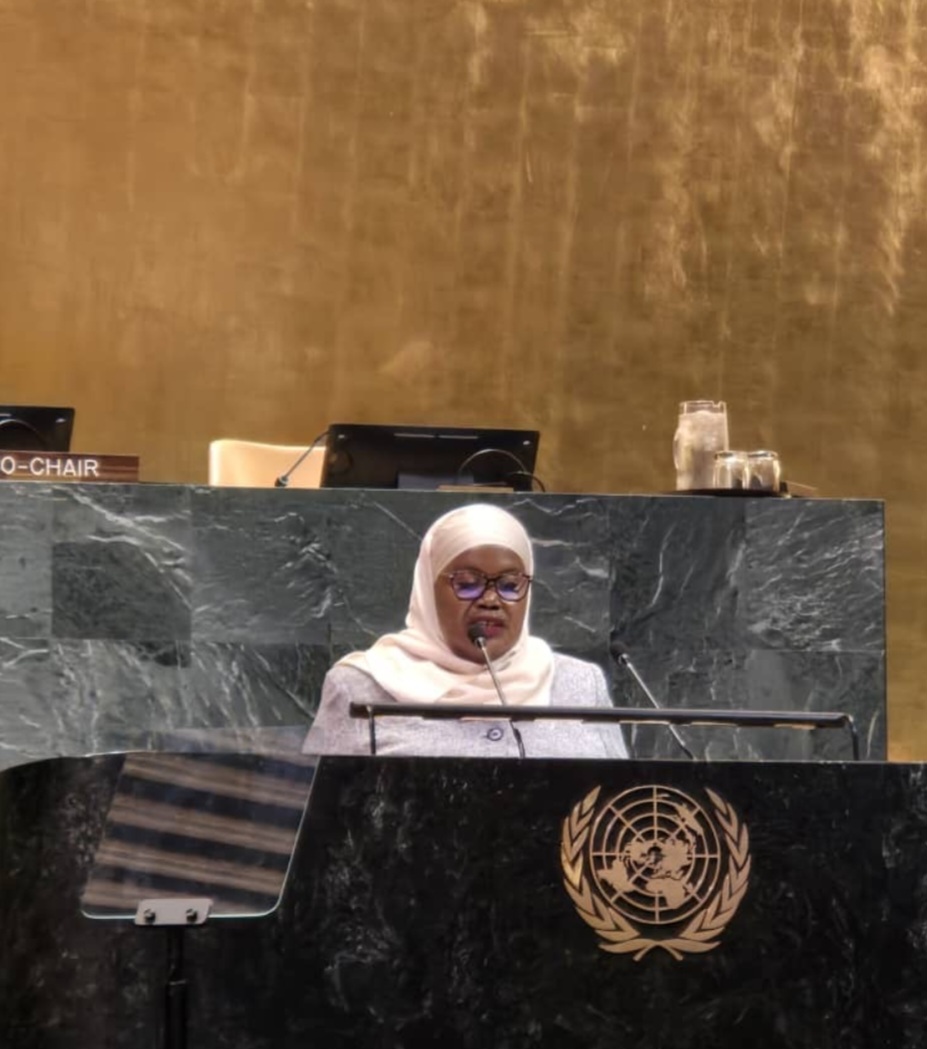
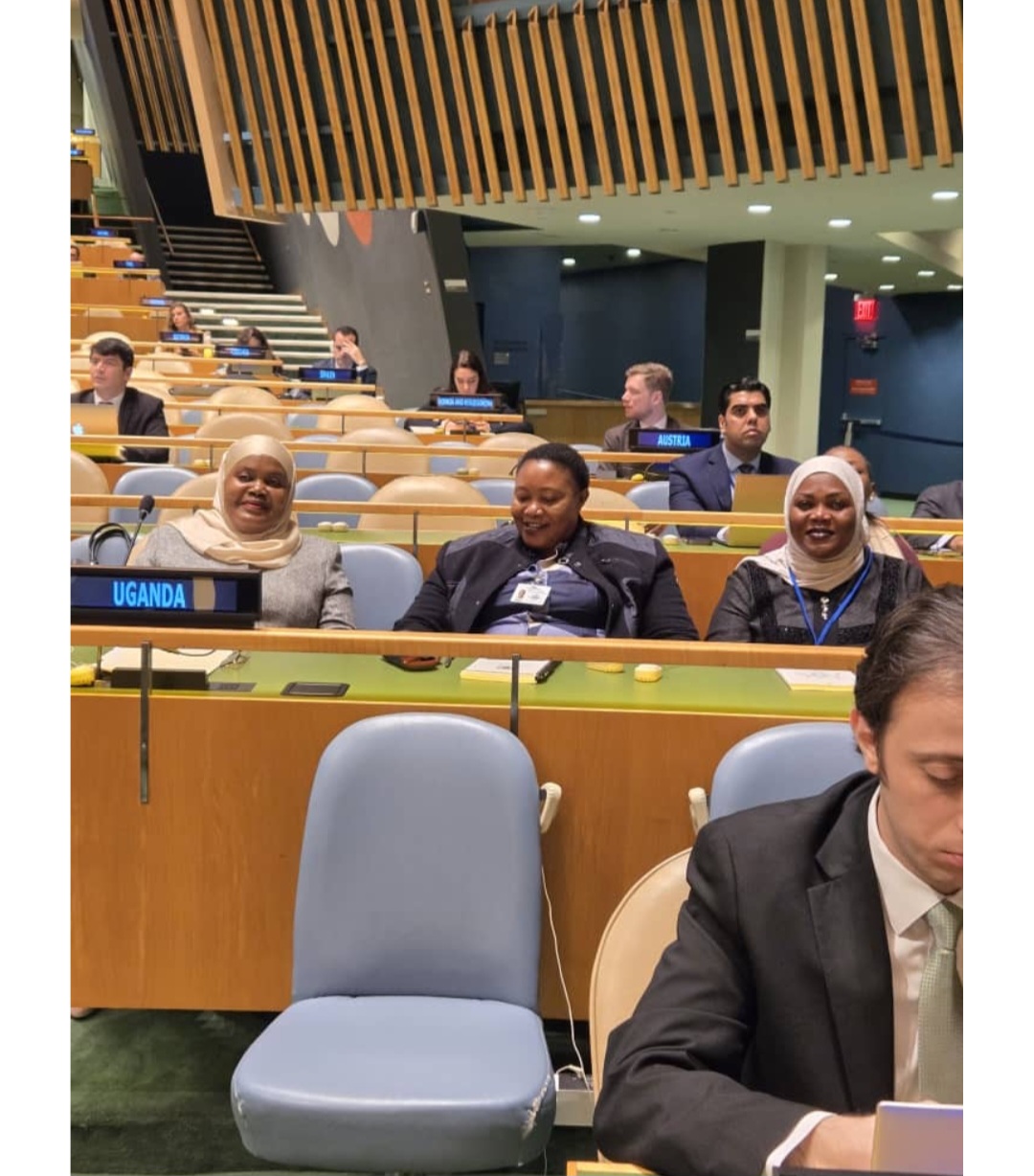
The Government of the Republic of Uganda participated in the High-Level event commemorating the International Day to Combat Islamophobia, held on Monday, 16 March 2026, at the United Nations General Assembly Hall in New York.
The event was convened by the Organization of Islamic Cooperation (OIC) in collaboration with the United Nations Alliance of Civilizations, bringing together representatives of member states and international organizations to reaffirm the global commitment to addressing discrimination, intolerance and violence directed toward Muslim communities.
Uganda’s delegation comprised Rt. Hon. Rukia Isanga Nakadama, Third Deputy Prime Minister and Minister without Portfolio, who delivered Uganda’s national statement; Hon. Babirye Milly Babalanda, Minister for the Presidency; Hon. Betty Amongi, Minister of Gender, Labour and Social Development; Hon. Justine Kasule Lumumba, Minister for General Duties in the Office of the Prime Minister; Hon. Peace Mutuuzo, Minister of State for Gender, Labour and Social Development; Hon. Sarah Opendi; Hon. Flavia Kabahenda; Ms. Zaminah Malole, Secretary of the Presidential Awards Committee and Ms. Catherine Nassuna, Under Secretary at the Ministry of Water and Environment as well as other senior government officials.
The High-level event featured opening statements from senior international leaders including Ahmet Yildiz, Permanent Representative of Türkiye to the United Nations and Chair of the OIC Group; Annalena Baerbock, President of the United Nations General Assembly at its 80th Session; António Guterres, Secretary-General of the United Nations; Miguel Ángel Moratinos, High Representative for the United Nations Alliance of Civilizations and UN Special Envoy to Combat Islamophobia; and Hissein Brahim Taha, Secretary-General of the OIC, whose statement was delivered by Hameed Opeloyeru, Permanent Observer of the OIC to the United Nations.
In her statement, the Third Deputy Prime Minister reaffirmed Uganda’s strong commitment to combating all forms of religious intolerance and discrimination. She highlighted that Islamophobia continues to manifest through hate speech, stigmatization, discrimination and violence against Muslims and their places of worship, often amplified through digital platforms and misinformation.
She emphasized the need for coordinated international action, including strengthening legal and policy frameworks to prevent discrimination based on religion or belief, improving reporting and investigation of hate crimes and promoting education that fosters mutual respect and intercultural dialogue.
Rt. Hon. Nakadama further underscored Uganda’s long-standing tradition of religious tolerance and cultural diversity. She noted that Uganda is characterized by pluralism and that Article 29 of the country’s Constitution as amended guarantees freedom of worship.
She stressed that national and religious institutions in Uganda actively promote interfaith dialogue, peaceful coexistence and respect among communities, adding that unity within diversity strengthens social cohesion and contributes to sustainable peace and stability.
During the high-level interventions, member states and international organizations expressed concern over the global rise in incidents of religious intolerance and discrimination targeting Muslim communities.
Delegations called for strengthened international cooperation, responsible use of digital platforms to counter hate speech and greater investment in education and dialogue to build inclusive societies.
The meeting concluded with a collective reaffirmation of the importance of upholding human dignity, equality and the right of every individual to practice their religion freely, in line with the principles of the United Nations Charter.
Do you have a story in your community or an opinion to share with us: Email us at Submit an Article
High Court Dismisses Gukiina Land Claims Against Speke Hotel in Kongero Dispute
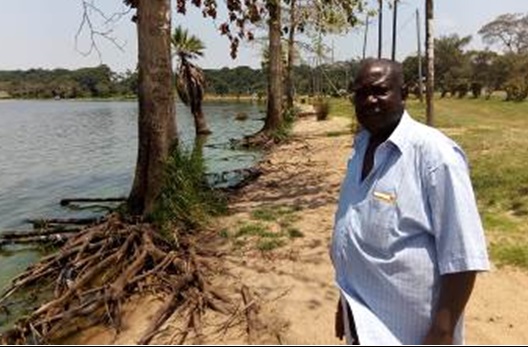
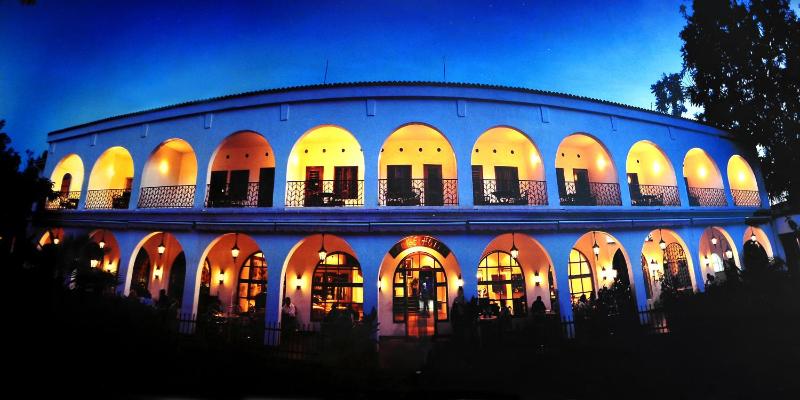
Kampala, Uganda— The High Court has delivered a decisive ruling in a long-running and complex land dispute involving businessman Dr. Peter Musoke Gukiina and Speke Hotel (1996) Ltd, bringing clarity to ownership claims over prime lakeside land in Kongero, Wakiso District, writes Watchdog Uganda.
In a judgment delivered by Hon. Justice P. Basaza-Wasswa, the court dismissed Gukiina’s claims that he held a lawful kibanja (occupancy interest) on several plots owned by Speke Hotel, effectively affirming the hotel’s position as a bona fide registered proprietor.
Speke Hotel (1996) Ltd is owned by Billionaire Sudhir Ruparelia
The Dispute
At the center of the case was a contested stretch of land comprising Busiro Block 443 plots 49, 52, 74, and 76. Gukiina argued that, beyond his legally registered Plot 50, he had acquired a kibanja interest extending into the neighboring plots—land now owned by Speke Hotel.
He accused the hotel and its agents of trespass, unlawful eviction, and destruction of his developments, including a banana plantation, structures, and business installations.
However, all defendants—including businessman Sudhir Ruparelia and previous landowners—denied the claims, maintaining that Gukiina had no legal interest beyond Plot 50.
Court’s Key Findings
The court methodically dismantled Gukiina’s case, grounding its decision in documentary evidence and established legal principles:
1. No Kibanja Rights Beyond Plot 50
The judge found that all agreements presented by Gukiina clearly indicated that his kibanja purchases were strictly limited to Plot 50.
Attempts to argue that the kibanja extended into adjacent plots were rejected as inconsistent with the written agreements.
The court emphasized the “best evidence rule”—that documentary evidence cannot be contradicted by oral claims.
2. Failure to Prove Lawful or Bona Fide Occupancy
Under Uganda’s Constitution and Land Act, a lawful or bona fide occupant must demonstrate consent, long-term occupation, or legal acquisition.
The court ruled that Gukiina failed on all fronts:
No proof of consent from registered landowners
No credible evidence of long-term, uncontested occupation
No documentation supporting claims beyond Plot 50
3. Contradictions and Weak Evidence
The judgment highlighted inconsistencies in Gukiina’s claims—particularly regarding alleged destruction of a large plantation, which conflicted with earlier criminal proceedings referencing only a few banana stems.
Additionally, the court drew an adverse inference from Gukiina’s failure to call key witnesses, including:
4. Speke Hotel Upheld as Bona Fide Purchaser
The court accepted that Speke Hotel lawfully acquired the contested plots through proper transactions and without notice of any competing claims.
Final Ruling
The court concluded:
Gukiina is not a lawful or bona fide occupant of the disputed plots
His claim to kibanja rights on the four plots fails entirely
Speke Hotel remains the legitimate owner of the land
Why This Ruling Matters
This judgment carries significant implications for Uganda’s land sector:
1. Reinforces Sanctity of Land Titles
The decision strengthens the principle that registered ownership takes precedence, especially where claims are not backed by clear documentation.
2. Clarifies Kibanja Rights
It sends a strong message that kibanja (occupancy) claims must be:
3. Warns Against Informal Land Deals
Many Ugandans rely on informal agreements when buying land interests. This ruling underscores the risks of such arrangements, especially when disputes arise years later.
4. Signals Judicial Intolerance for Contradictory Claims
The court’s reliance on consistency, documentation, and credible witnesses highlights a tightening judicial approach to land litigation.
The Bigger Picture
Land disputes remain one of the most contentious issues in Uganda, often involving overlapping rights between registered owners and occupants.
This ruling is likely to influence similar cases, particularly in fast-developing areas like Wakiso, where land values—and conflicts—continue to rise.
For investors, it provides reassurance. For occupants without formalized rights, it is a cautionary tale.
Do you have a story in your community or an opinion to share with us: Email us at Submit an Article
About UGNEWS24
UGNEWS24 is a Uganda local news service, a product of
SOLAVIA GROUP LIMITED,
Reg. No. 80048169153974.