Ugandan singer Bruno K has sparked conversation online after sharing a message about self worth and personal boundaries.
In a post shared on X, Bruno K reflected on how people should respond when they feel unappreciated, ignored, or disrespected in different relationships.
He explained that valuing oneself often means knowing when to step back, set boundaries, and protect one’s peace.
“How to value yourself,” he wrote before outlining several situations people encounter in everyday life and how they can respond.
Not appreciated, keep distance. Not invited, do not go. Invited late, decline. Ignored, stop approaching. Betrayed, forgive and move on. Forgotten, forget them. Insulted, outshine them with success. Used, set firm boundaries. Disrespected, walk away with dignity. Underestimated, let your results speak. Taken for granted, reduce access. Drained emotionally, choose rest over guilt. Compared to others, stay in your lane. Manipulated, trust actions not words. Replaced easily, remember your worth.
The post quickly attracted attention from fans online, with many agreeing with the singer’s reflections about protecting personal boundaries and maintaining self respect.
Bruno K often uses his social media platforms to share thoughts about life, relationships, and personal growth alongside updates about his music career.
Nigerian artistes enjoyed a strong year on Spotify in 2025.
The streaming platform revealed that musicians from Nigeria generated more than N60 billion (approx. Shs163 billion) during the year.
The figures were shared in the company’s annual report released on Monday.
The report highlights the rising influence of Nigerian music globally. Earnings from the platform have grown by more than 140 percent over the past two years.
Independent artistes remain at the centre of the growth. About 58 percent of royalties generated by Nigerian artistes on the platform came from independent acts and labels.
Listening numbers also tell the story. Nigerian artistes recorded 30.3 billion streams in 2025, while fans spent around 1.6 billion hours playing their music.
Female artistes also gained stronger support at home. Local streams for Nigerian women in music increased by 55 percent during the year.
Spotify users created more than 60 million playlists featuring Nigerian artistes in 2025, showing how far the country’s music continues to spread.
The 30 year old star shared the news in a video posted on TikTok. In the clip, she spoke about the emotional struggles she has faced for years.
Doja Cat said she learned at a young age to pretend she was happy. She often acted like everything was fine even when it was not. She also said she sometimes hid the things she truly liked or felt.
The rapper described the condition as agonising. She believes she has likely lived with it for most of her life.
Band musician Ronald Mayinja has opened up about the circumstances that led to his departure from the National Unity Platform.
Speaking during an interview with a local television station, Mayinja alleged that party president Bobi Wine sold off the party ticket he had expected to receive for Gomba East ahead of the 2021 Ugandan general election.
According to Mayinja, he had earlier agreed with Bobi Wine that he would run on the NUP ticket for the Gomba East parliamentary seat. However, he was later shocked to learn that the ticket had been given to another candidate.
“Bobi Wine sold my party ticket in Gomba East in 2020. We discussed it at Sheraton Kampala Hotel, but he later sold it off to another person. I was very disappointed in him and chose to quit the National Unity Platform,” Mayinja explained.
The singer said the incident deeply frustrated him and ultimately pushed him to distance himself from the opposition party.
Mayinja further criticized Bobi Wine’s political ambitions, arguing that he is not yet ready to lead the country.
According to him, the NUP leader should instead focus on contesting for a Member of Parliament position rather than the presidency.
Ugandan musician Eddy Kenzo has expressed disappointment in the Speaker of Parliament Anita Among over her remarks regarding the Copyright Amendment Bill.
Kenzo, who has been one of the strongest advocates for the amendment of the copyright law, has spent more than two years lobbying for the bill to be passed in Parliament of Uganda.
However, the singer said he was disappointed by comments made by the Speaker on Thursday when the bill was tabled for its second reading.
During the discussion, Among questioned why television and radio stations should be required to pay musicians when playing their music already helps promote them.
“I was very disappointed by the Speaker. Her comment that ‘how can I pay someone for playing their music yet I am promoting it’ was uncalled for, and as musicians we are worried,” Kenzo said.
The Copyright Law Amendment Bill seeks to strengthen protections for artists and ensure musicians earn royalties whenever their songs are played on broadcast platforms.
The bill is expected to return to Parliament this week for further debate as stakeholders from the creative industry continue pushing for its approval.
Early morning, my alarm blares. Oops! It’s yet another day of scraping by on a shoestring budget. Living on your own terms has its allure: no curfews, no rules, and the freedom to indulge in the weirdest food combinations imaginable. But more often than not, it’s katogo and cabbage on the menu, rather than the chicken I dream of, and that’s on a lucky day. With nothing for breakfast, I get dressed in a jiffy and rush to class, hoping to make it through another day. By the way, government students are the best timekeepers you’ll ever meet. We always know the exact date and day of the week, down to the minute. You’d think we were auditioning for a calendar commercial. And why? Because of that mythical thing called a “living out allowance”, the puppet master of every government student’s life.
It’s interesting that university has no break time. Or I would rather say, it is never part of my schedule. Its lunch time! Noodles and spaghetti are staples, yesterday, today and tomorrow. Regardless, I dream big. “Sneakers aren’t enough; I need boots.” “I’m dropping android for iPhone.” Meanwhile, the allowance stares back sceptically, whispering, “Really? Thats your plan?” Undeterred I respond, “Yes, I’m gonna show you fire!” I wouldn’t want to call it the Parousia but waiting for money feels like an endless vigil. patience gives way to prayer, then to calls home, only to be met with stories of borrowed hope. “We’ve been waiting for your allowance, too. Your little brother isn’t well,” they explain. Each day, hope wanes, and borrowing shifts from a dirty word to a lifestyle.
ADVERTISEMENT
Despite the struggle, I have perfected the art of looking sharp. Clad in well-pressed suits, no one would guess that I am surviving on one meal or none at all. Out of begging and hustling, I managed to start a small business that rarely returns a profit. I’m more of a ‘CEO’ in title than in earnings. Others juggle with part-time jobs, doing whatever it takes just to get by. Dear God, it wasn’t my intention to hide from friends but I have over-leveraged. I have maxed out my tabs at every shop in the neighbourhood. It’s overwhelming. survival is the goal. Out of despondence, with no lifeline in sight, a new dream is born as the pressures of being broke sink deep. The dream of storming the administration, rallying with cries of “We want our money!” Yet somehow, it always stops at the talking stage, the plans of revolution lost in the shuffle of daily life.
And then, randomly, a miracle happens. “You have received…” The message pops up, and the excitement is almost tangible. At that momentous epoch, it feels like you’re floating on air, free from the chains of debt and hunger. But here’s the catch: the money is always a lot, until you actually receive it. No scientist, no mathematician has ever cracked the mystery of how fast that money disappears. In the end, the allowance that was supposed to fund my grand dreams ends up settling debts and buying one or two good meals. It’s amusing how friends on private think we are rich.
“Broke but not broken” has become my personal mantra whenever I ransack my room for coins. with bank accounts on life support, I’ve mastered the art of creative budgeting and professional stress management. I always remember I’m not alone in this madness. whatever it takes, make sure you survive. Surviving this chaos means you’ve already earned the credentials to run this country!
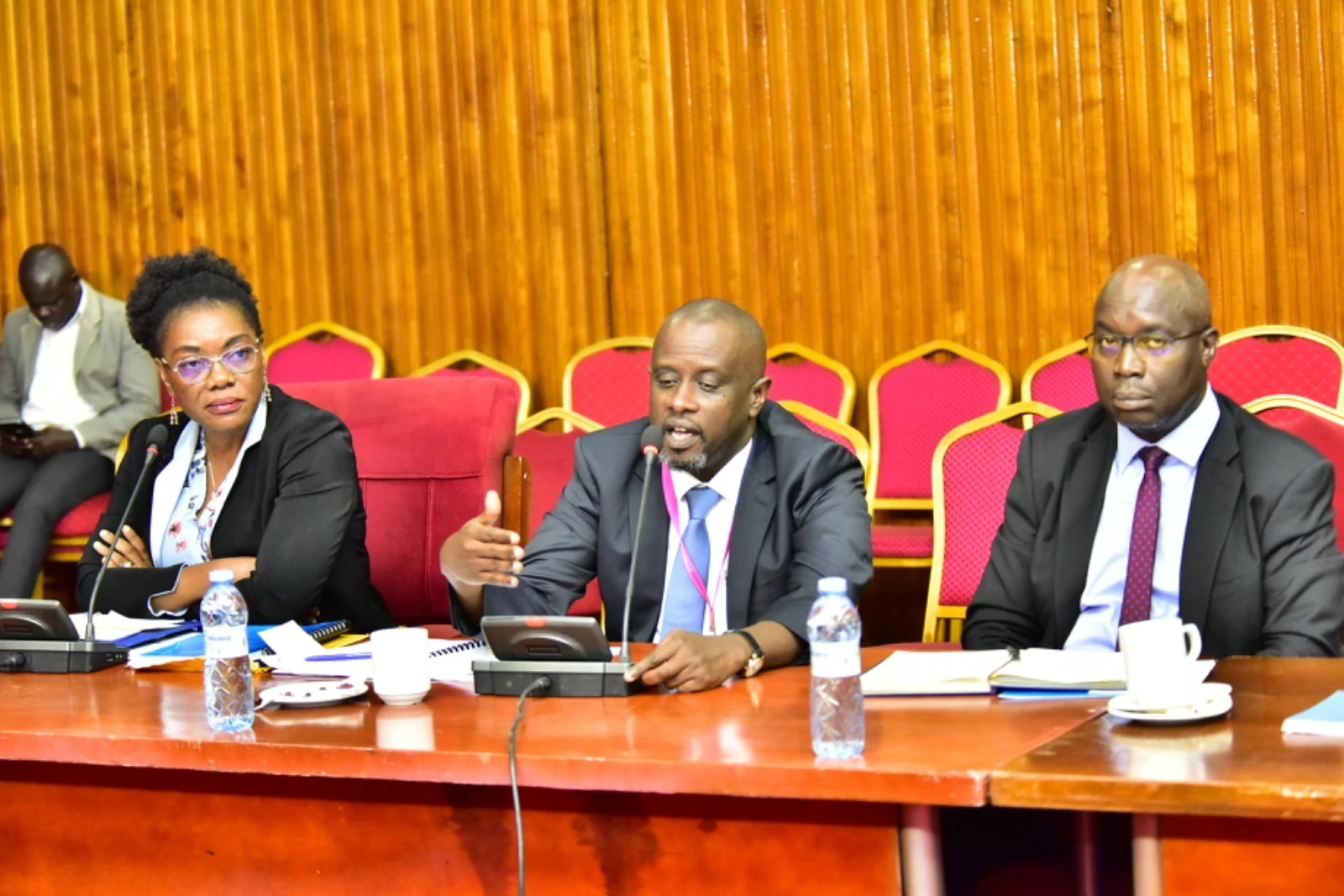
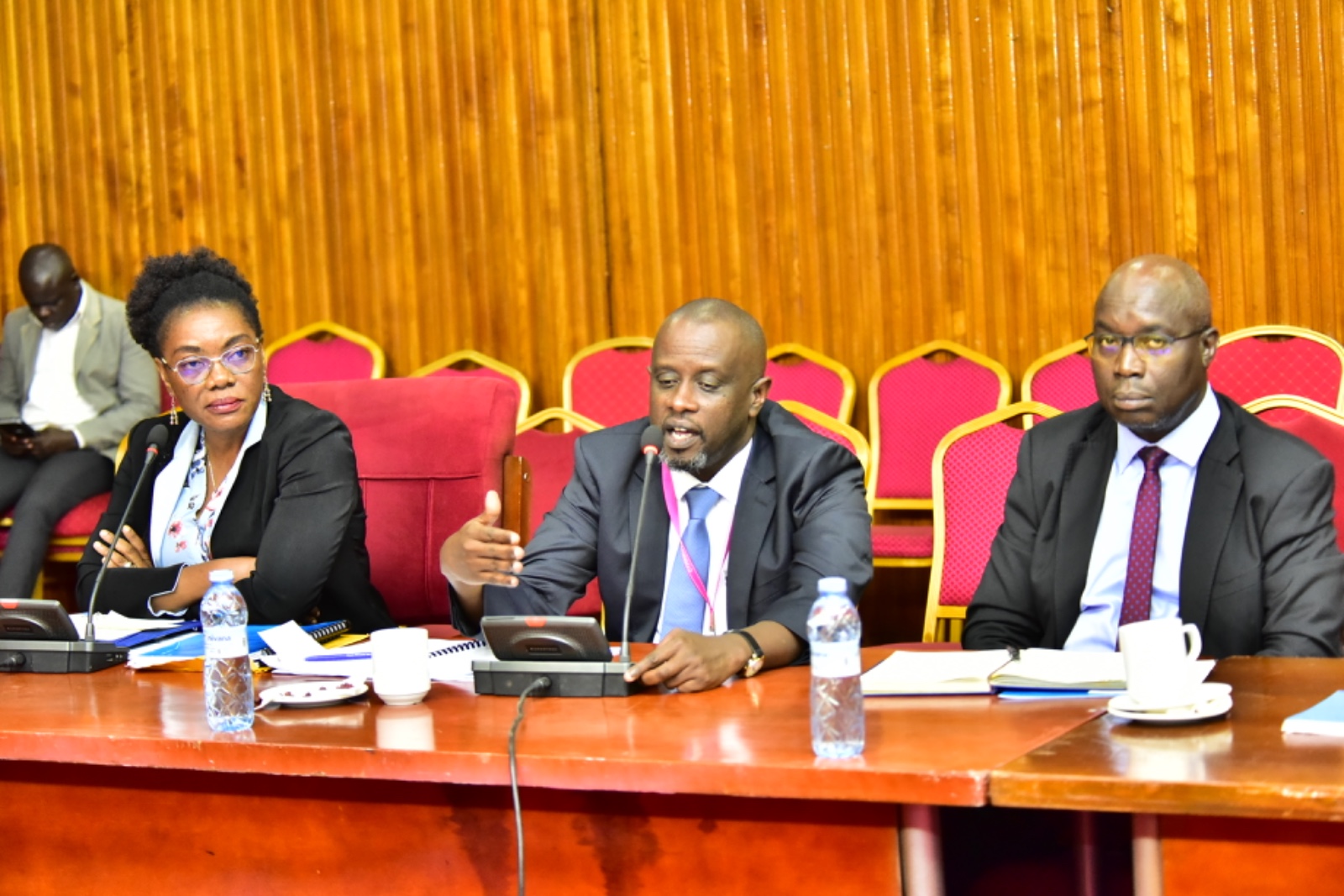
Butabika National Referral Mental Hospital has a funding deficit of Shs102 billion to effectively run its wage, non-wage and capital development priorities, according to Executive Director, Dr. Juliet Nakku.
While appearing before the Public Accounts Committee (Central Government) on Monday, 16 March 2025, Dr. Nakku said the institution requires Shs24 billion to among others, improve staffing levels but has only been given a wage budget of Shs9.6 billion.
She added that the hospital requires a none-wage budget of Shs60 billion and capital development budget of Shs40 billion, but only received Shs10 billion and Shs2.2 billion respectively.
“We have 14 psychiatric specialist doctors serving a population of 1000 patients which is a drop in the ocean. Ideally we should have one doctor to 30 patients but the ratio is now one doctor to 100 patients, and one nurse to 60 patients, which is very high for nursing that is very intensive in mental health,” said Dr. Nakku.
She added that the staff structure has increased over the last two years from 533 to 833 positions, however, these require funding to be filled.
The comments followed concerns by legislators over the increasing rates of mental illness in the country.
Hon. Gorreth Namugga, the Chairperson of the Committee noted that there is a high prevalence depression rate of close to 4.6 per cent, adding that the suicide rates in communities have also increased.
“The escalating level of mental illness in children of 22.9 per cent is simply too high. What should parents do to mitigate this? Have you implemented the policy of integrating mental health services into primary health care?” Namugga asked.
Hon. Asuman Basalirwa (JEEMA, Bugiri Municipality) commended the training institution under the hospital, and asked whether there is a transition policy for the trainees into the hospital system.
“What is the availability of the health professionals that you train, to serve within other regional referral hospitals?” Basalirwa said.
Amuria District Woman Representative, Hon. Susan Amero observed that little publicity has been done by the hospital on the topic of mental illness and how to improve mental health.
“When have you ever appeared on radios or televisions to sensitise the public about mental health and how they can avert such situations?” Amero asked.
Dr. Nakku highlighted a number of causes of increased mental health problems among young individuals including unemployment rates, family breakdowns and academic stress.
“We have previously talked about school programmes that do not allow young people to rest enough. They have preps that start at 4.00a.m. yet they slept at 11.00p.m. the previous night. The high academic expectations from parents and the community also contribute to mental breakdown cases,” she said.
She also noted the alcohol and substance abuse problem, to which she attributed 30 per cent of patients at Butabika Hospital.
Responding to the availability of mental health professionals at health facilities, Dr. Nakku said efforts have been made to increase the number of psychologists, counsellors and social workers at all health centres and district hospitals in the country.
“This will enable people to get help early within their communities before they decompensate so severely to come to Butabika. What we need support with is for Parliament to lobby for wage increase for other hospital facilities to recruit those staff,” she added.
Dr. Nakku told the committee that the hospital carries out social media campaigns and radio talk shows to increase mental health awareness, adding that curated information is also provided via their call centre.
On any given Friday night in Kampala, the lights dim, the music swells and the bar counter becomes a stage. Behind it, bartenders measure, shake and garnish as cocktails slide across polished counters to eager patrons.
A decade ago, in popular bars like Riderz, Piato, Nimaro and Iguana, the bartender you met was most likely a man. But that narrative is steadily changing.
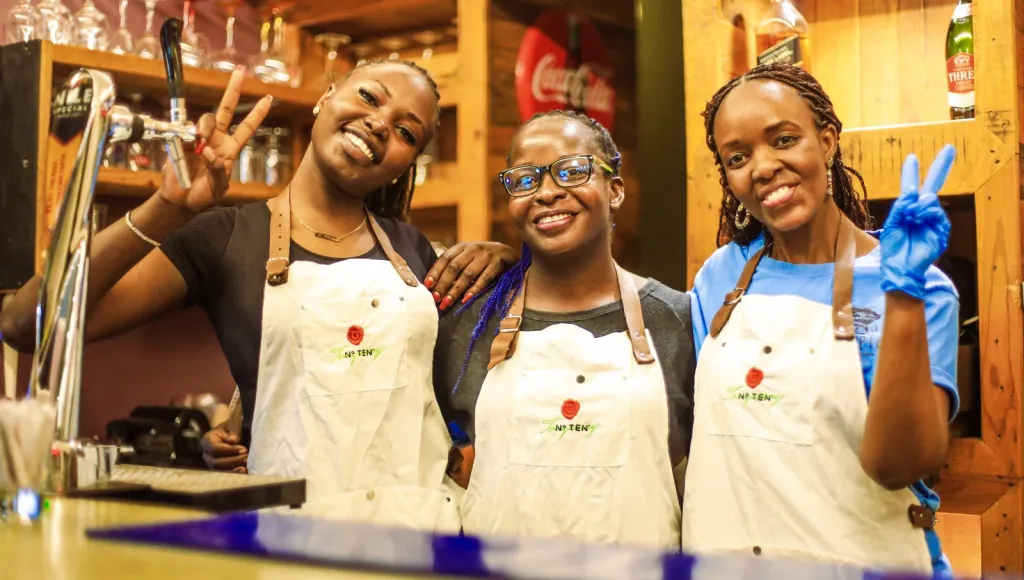
Paulyne Akanjuna at BushPig, Molly Ayat at Aurous and Jane Apio, a trainer with Uganda Breweries Limited, are among the women redefining the craft. As the world marked International Women’s Day on March 8, their stories reflected both the glamour and grit of life behind the bar.
All three started out as waitresses before moving behind the counter. For Akanjuna, who has bartended at BushPig since 2019, the bar simply felt more exciting. “I wanted something greater, something more captivating,” she says.
Ayat’s journey was more deliberate. She moved from waitress to cashier before negotiating quiet exchanges with bartenders, washing their glasses in return for lessons. When management offered staff a chance to switch stations, she seized the opportunity.
Apio’s entry into bartending was unexpected. Nearly nine years ago, while still a waitress, she entered the Diageo Master Bartender competition despite not technically qualifying — and won, becoming the first and only woman to take the title. Today, she mentors bartenders across the country.
Their paths echo that of pioneering bartender Ada Coleman, who became head bartender at the American Bar in The Savoy Hotel in 1903 and created the iconic Hanky Panky. More than a century later, women in Kampala are continuing that legacy.
Behind the bar, each bartender has her own style. Akanjuna and Ayat enjoy working with gin, praising its versatility in cocktails, especially with premium bottles like Tanqueray No. Ten. Apio prefers tequila and enjoys experimenting with bold flavours. “I fell in love with cocktails because of the shape of a margarita glass,” she says.
But bartending comes with challenges. Long hours on their feet are common, and misconceptions persist. “People think we are drunk because we work in a bar,” Ayat says. “Yet some bartenders don’t even drink.”
The women also face moments of doubt from customers. Apio recalls serving a man who asked to see the bartender. “I told him I was the bartender and he asked me to call the real bartender,” she says.
Despite such moments, they continue to build their craft and reputation.
According to Melanie Kaita, Reserve Ambassador at Uganda Breweries Limited, bartenders play a much larger role than simply mixing drinks. “Bartenders are storytellers, brand custodians and ambassadors of responsible consumption. Mentorship is critical because when we invest in the people behind the counter, we elevate the entire industry,” she says.
As Kampala’s nightlife evolves, women like Akanjuna, Ayat and Apio are proving that the bar is no longer a male preserve. They are not just mixing drinks — they are shaping the city’s cocktail culture, one shake at a time.
The glow of neon lights washed over Masaka on March 6, transforming the district into a pulsating hub of rhythm, color, and youthful energy. The Tusker Lite Neon Raves, already famed for their electrifying atmosphere, found a perfect home in a town that has long been synonymous with artistry.
Masaka’s cultural legacy is undeniable. It has given Uganda voices that echo far beyond its borders — Eddy Kenzo’s global Afrobeats triumph, Mathias Walukagga’s lyrical depth, Geoffrey Lutaaya’s soulful melodies, and Suuna Ben’s vibrant stage presence. Yet, as the Neon Raves showed, Masaka’s story is not only sung but danced.
At the center of the night’s spectacle was Lukwago Usher, Masaka’s dance prodigy turned mentor, who served as one of the judges. Known simply as Usher, he brought with him the weight of experience and the passion of someone who has lived the art form.
His journey — from choreographing for Masaka Kids Africana to founding the Dream Team Masaka Foundation — has been defined by a belief that dance is more than movement; it is storytelling, discipline and opportunity.
Usher’s choreography has shaped performances that have dazzled audiences worldwide, but his focus remains firmly rooted in Masaka. Ahead of the event, he said dance is not just about technique but also emotion and storytelling — a message that ultimately set the tone for what competitors delivered on stage.
The Neon Raves as a Cultural Canvas
The Neon Raves in Masaka were more than just a competition; they became a cultural meeting point where music, dance and youth expression collided. In Masaka, that fusion felt particularly powerful. Contestants presented routines that blended street choreography with contemporary flair, each performance reflecting the district’s creative heartbeat.
De-Squad, the first all-female crew at the Neon Raves, captivated the audience with fast-paced moves set to pop, dancehall and Amapiano beats. Their intense footwork, attitude and carefree stage presence quickly drew the crowd in.
Other crews — The Hites, Vika Big Boys, Vibes Dancers, Hypers, Cindy Dancehall Machine, The Mask, Under the Influence and Wanted Dance Crew — pushed the energy even further. Many did not simply dance; they seemed to leave their souls on stage, twisting, locking and attempting daring moves that stretched the imagination.
When Vika Big Boys took to the stage and punctuated their routine with rare backflips and explosive choreography, it became clear they had come determined to win.
Props also played a memorable role throughout the night. From DC’s Joker-style make-up seen at earlier Neon Raves in Hoima to the creative use of beer crates, props have become part of the spectacle. Masaka followed the tradition, with neon outfits, exaggerated designs and even baby oil — one crew appeared coated in it — sending the crowd into loud cheers.
As in any competition, the judges were not shy about critique. Music fans remember figures such as Simon Cowell on American Idol, Ian Mbagua on Tusker Project Fame, or Dominic Sandoval — popularly known as D-Trix — on America’s Best Dance Crew.
In Masaka, Lukwago played that role, keeping dancers on their toes with pointed comments and precise observations on how they could improve.
According to Sandra Againe, Brand Manager for Tusker Lite, Lukwago’s experience made him the ideal judge for the competition.
“Lukwago is an experienced dancer and choreographer, so him being a judge for the Neon Rave in Masaka is perfect,” she said. “He understands the culture and stories that were told by the dancers in Masaka.”
He was joined on the judging panel by Malcolm Ssenyondo, a dancer who began performing in 2013 with Masaka Kids Africana and has appeared in music videos including Kazindalo by Kalifah Aganaga and Angellah by Hilderman.
After a night of twisting, flipping and locking, Cindy Dancehall Machine were crowned winners, with De Dancers’ Group finishing as runners-up and Representable Performers taking third place.
All these teams have now qualified for the finale set for Kampala; the ultimate showdown will see all the winners return to claim the crown of Uganda’s best dance crew.
Masaka’s Legacy, Masaka’s Future
The Neon Raves served as a reminder that Masaka’s artistic legacy is anything but static. Just as Kenzo’s beats and Walukagga’s ballads once defined eras, the dancers performing beneath the neon lights are now writing the next chapter.
With Usher guiding the judging panel, the message was clear: authenticity and creativity remain the currency of tomorrow’s stars.
And the night did not end with the dance battles. Masaka’s reputation as a cradle of talent continued to shine when hometown performer Suuna Ben stepped onto the stage.
His performance began calmly, almost deceptively so. But those familiar with his sets know that the calm rarely lasts long. Before long, the energy surged, and the crowd responded as the hometown star delivered yet another electrifying moment to close a night Masaka is unlikely to forget.
The Tusker Lite Neon Raves’next stop is Mbarara where the affair will bring both dance and sports to the fore as the raves will coincide with the Tusker Lite Mbarara City Marathon.
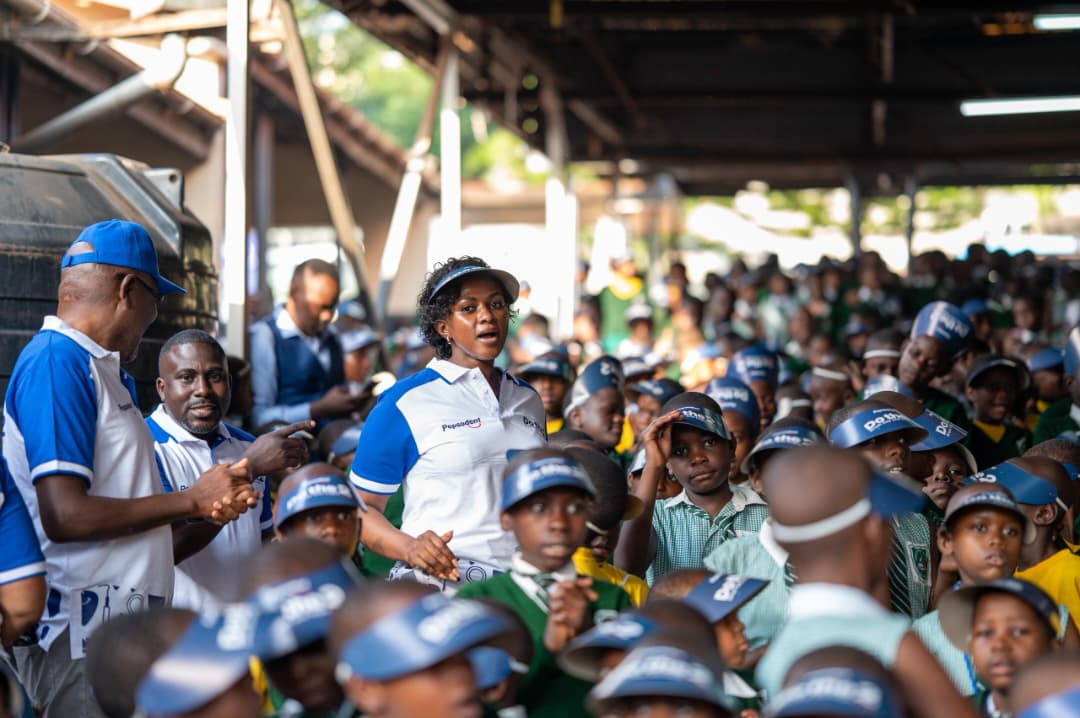
Unilever Uganda has launched a large-scale school outreach campaign through its oral care brand Pepsodent, targeting at least 100,000 pupils across 40 primary schools in Kampala and Wakiso districts to improve oral hygiene habits among children.
The initiative, launched at Nakasero Primary School, forms part of activities to mark World Oral Health Day, an annual global awareness day observed on March 20 to highlight the importance of oral health and encourage preventive dental care.
This year’s outreach is being implemented under the theme “Do the 2 – Brush Day and Night,” encouraging children to brush their teeth at least twice a day using fluoride toothpaste in order to prevent tooth decay, gum disease, and other dental complications.
Through interactive school-based sessions, pupils are being taught proper toothbrushing techniques, the importance of maintaining oral hygiene, and how daily habits affect long-term oral health. The programme also includes the distribution of oral care products to enable learners to practice the lessons both at school and at home.
Speaking during the launch, Luck Ochieng, Managing Director for Unilever East Africa, said the campaign seeks to instill lifelong hygiene habits among children at an early age.
“Today, we are here to mark World Oral Health Day. We have a plan to reach 100,000 school-going children in 40 schools across central Uganda, specifically in Kampala and Wakiso,” Ochieng said.
“For today, we spent time educating the children on how to brush properly, what kind of toothpaste to use, and how to maintain oral hygiene, which is very important for their confidence and their oral health.”
He explained that children are a key focus group because many oral health problems begin developing early in life but only become visible years later.
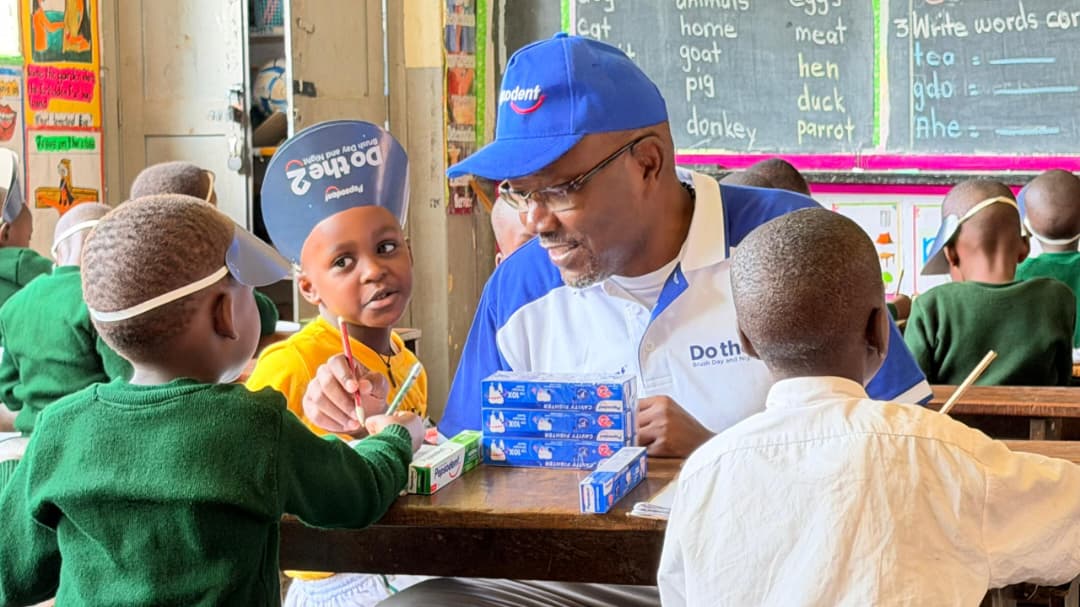
Luck Ochieng, Managing Director for Unilever East Africa, interacts with a pupil during a school outreach session at **Nakasero Primary School as part of activities marking World Oral Health Day, where Pepsodent launched its “Do the 2 – Brush Day and Night” campaign promoting proper oral hygiene among schoolchildren.
“Statistics show that globally, we have over 3.5 billion people who suffer from various forms of oral and dental hygiene issues. That is a big number, and many times the problems manifest when people are already adults, yet they are largely preventable when addressed early,” he said.
According to the World Health Organization, untreated tooth decay in permanent teeth is the most common health condition worldwide. Globally, more than 2 billion people suffer from cavities in permanent teeth, while around 514 million children experience tooth decay in their primary (milk) teeth.
Dental diseases such as cavities and gum infections develop gradually, often due to poor oral hygiene practices, frequent sugar consumption, and limited access to preventive dental care.
Ochieng said many of these problems can be prevented if children are taught correct hygiene practices early in life.
“What we see is that we can impact what happens later in life if we influence young people early. Schools present a massive opportunity to reach a large number of children in one place and shape behaviours that will influence the rest of their lives,” he said.
He noted that poor oral health also has broader consequences for children’s education and well-being.
“Data shows that many school-going children miss school because of cavities and dental pain. That disrupts their learning. When children maintain good oral hygiene, they can eat well, remain healthy, and build confidence,” Ochieng said.
A healthy mouth, he added, also plays a key role in children’s social well-being.
“A clean mouth, fresh smell, and healthy teeth give children confidence to speak and interact with others without feeling self-conscious,” he said.
Ochieng also used the occasion to call on parents to reinforce oral hygiene habits at home.
“To parents, this day is a fantastic opportunity to amplify the importance of oral health. Practice with your children the behaviour of brushing twice a day, day and night. Teach your children to use fluoride-based toothpaste and brush regularly after meals,” he said.
He explained that fluoride toothpaste helps strengthen teeth and protect them from cavities.
“We bring Pepsodent as a good fluoride-based toothpaste that they can use, but any other fluoride-based toothpaste could work as well. What is important is teaching children early and making the practice fun so that it becomes a lifelong habit,” he added.
Ochieng said the “Do the 2” campaign aligns with broader public health goals aimed at promoting preventive healthcare.
“The government of Uganda is keen on driving preventive rather than curative solutions around health challenges. We believe we have an opportunity to be part of that journey by promoting good hygiene habits among children,” he said.
He also highlighted the scale of Unilever’s global presence, noting that the company operates in about 190 countries and serves more than two billion consumers daily, with over 80 years of operations in Uganda.
School leaders welcomed the initiative, saying it will have a lasting impact on learners.
Angella Kisolo, Deputy Head Teacher at Nakasero Primary School, said the sensitization programme will help children maintain better oral health.
“As we celebrate World Oral Health Day, we are excited that our children have been involved and sensitized. I believe they are going to keep their teeth very healthy,” Kisolo said.
She noted that proper oral hygiene plays a critical role in children’s academic performance and self-confidence.
“Having clean teeth gives children confidence when they speak to others because their mouth has a pleasant smell. It also helps them concentrate in class because when you have a toothache, you cannot focus on learning,” she said.
According to Uganda’s National Oral Health Policy, oral diseases remain a major public health concern in the country, with prevention and early education identified as key strategies for reducing dental illnesses.
Globally, the FDI World Dental Federation, which leads the World Oral Health Day campaign, estimates that nearly 90 percent of the world’s population will experience some form of oral disease during their lifetime, making oral health one of the most widespread health challenges worldwide.
Through the Pepsodent school campaign, Unilever Uganda hopes to equip children with knowledge and habits that will help them maintain healthy smiles and better overall well-being throughout their lives.
Do you have a story in your community or an opinion to share with us: Email us at Submit an Article
About UGNEWS24
UGNEWS24 is a Uganda local news service, a product of
SOLAVIA GROUP LIMITED,
Reg. No. 80048169153974.