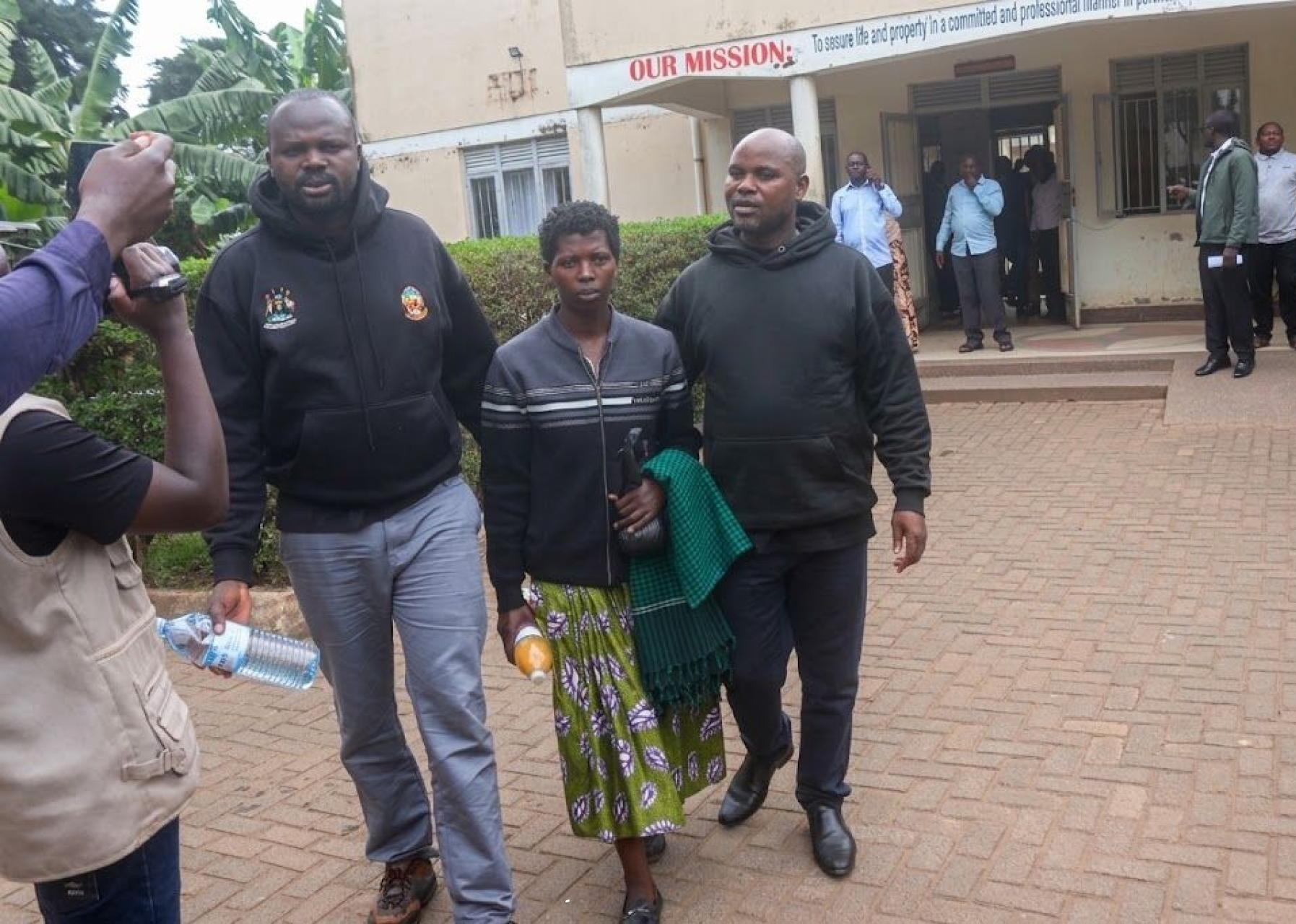
NANSANA, WAKISO — Police in Nansana, Wakiso District, have arrested a 34-year-old Congolese national suspected of dealing in stolen mobile phones and transporting them to the Democratic Republic of Congo (DRC).
The suspect, identified as Justine Kulimushi, was arrested on August 20, 2026, following intelligence that he had returned to Uganda and was purchasing suspected stolen mobile phones from Kalungi Plaza.
According to police, the arrest is linked to investigations into the theft of an iPhone valued at approximately Shs3 million, which was reported at Nansana Police Station on April 21, 2026.
Investigations into the stolen phone reportedly showed that it had been taken to Kalungi Plaza before being transported to Beni in the Democratic Republic of Congo.
Further intelligence gathered by police indicated that Kulimushi frequently travelled to Uganda to purchase stolen mobile phones for transportation to the DRC.
Following information that he had returned to Uganda and was buying suspected stolen phones, a joint team of Nansana Police and intelligence officers conducted an operation at Kalungi Plaza and arrested him.
Police said they recovered 27 second-hand mobile phones of different makes and models from the suspect. The phones had reportedly been factory-reset or flashed, allegedly to conceal their previous ownership and make them difficult to trace.
According to police, the phones are suspected to have been stolen from different parts of the Kampala Metropolitan area before being collected for resale to Kulimushi and other dealers.
The suspect remains in police custody as investigations continue to establish the source of the recovered phones, identify their rightful owners and trace other individuals allegedly involved in the suspected network.
Police have appealed to members of the public who have lost mobile phones to report to the nearest police station and provide details that could assist investigators in identifying and recovering their property.
Do you have a story in your community or an opinion to share with us: Email us at Submit an Article
The Deputy Chief of Defence Forces and Inspector General of the Uganda Peoples’ Defence Forces (UPDF), Lieutenant General Sam Okiding, has urged senior officers to take responsibility for mentoring and developing junior personnel under their command to strengthen professionalism and career development within the force.
Lt Gen Okiding made the remarks during a handover ceremony at the UPDF 4 Infantry Division headquarters in Gulu, where Major General Wilberforce Sserunkuma officially assumed command of the Division from Major General Felix Busizoori.
“Mentor your juniors whenever you are deployed,” Lt Gen Okiding advised.
He further encouraged Maj Gen Sserunkuma to build on the achievements recorded by his predecessor and sustain the Division’s focus on security, professionalism and community engagement.
In his remarks, Maj Gen Sserunkuma pledged to preserve and strengthen the civil-military relations structures established under Maj Gen Busizoori, saying such partnerships were crucial to maintaining peace, security and stability in the region.
Maj Gen Busizoori leaves the Division with a record of achievements in security and community development.
During his tenure, he played a key role in operations aimed at weakening the CODECO militia in the eastern Democratic Republic of Congo (DRC) under Operation Mlinzi wa Wanyonge. He is also credited with contributing to the reduction of cross-border incursions from South Sudan.
Under his leadership, the Division oversaw the construction of two firing ranges, including one described as the largest in the country.
Maj Gen Busizoori also spearheaded the construction of a modern conference hall at the 4 Infantry Division headquarters. The facility, named Gen Muhoozi Kainerugaba Hall after the Chief of Defence Forces, was commissioned by Lt Gen Okiding.
He also played a role in efforts to stabilise the volatile Apaa land dispute, contributing to the transformation of the area from a conflict-prone zone into an important food-producing region.
Beyond security and development initiatives, Maj Gen Busizoori championed community welfare programmes, including the rehabilitation of 45 boreholes for local communities as part of activities marking the 45th Tarehe Sita celebrations.
The handover ceremony was attended by State Minister for Northern Uganda Beatrice Akori, local leaders and Resident District Commissioners (RDCs) from across Northern Uganda.
Do you have a story in your community or an opinion to share with us: Email us at Submit an Article
The Minister of Defence and Veteran Affairs, Hon. Kiryowa Kiwanuka, has defended the ongoing 2026 Uganda Peoples’ Defence Forces (UPDF) recruitment exercise, saying the process is based on nationality and residence rather than tribe or religion.
Minister Kiryowa made the remarks while responding to concerns raised by Members of Parliament during the 19th sitting of the first meeting of the first session of the 12th Parliament, chaired by Speaker Rt. Hon. Jacob Oboth-Oboth.
Several legislators raised concerns over alleged irregularities in the recruitment process, including the registration of candidates from different ethnic backgrounds in regions outside their areas of origin.
One legislator cited a case involving a Munyankore who was reportedly recruited from Mbale District.
In response, Minister Kiryowa clarified that the UPDF does not recruit based on tribe or religion, but considers nationality and residence.
He explained that candidates are recruited from the areas where they register, provided their documents demonstrate that they are residents of those areas.
The minister also responded to concerns raised by a Member of Parliament from Pallisa District regarding a candidate identified as Osire.
According to the legislator, Osire reported for physical recruitment on August 18 but was allegedly instructed by an officer to write a name different from his own. The MP said the candidate was subsequently disqualified and alleged that he was beaten before being ejected from the recruitment centre.
Minister Kiryowa said the ministry would investigate the allegations and establish what transpired.
“Of course, we are going to investigate the matter and establish what happened,” he said.
The minister, however, urged Members of Parliament to sensitise people in their constituencies about the importance of integrity and discipline in matters concerning national security and the UPDF.
He questioned why a candidate would agree to write a name other than his own during the recruitment process.
“However, we don’t think that Osire would be a desirable member of our fraternity if he can write a wrong name. We cannot understand how someone can simply write a wrong name for himself,” Minister Kiryowa said.
He explained that academic documents are required during recruitment to verify candidates’ identities and qualifications and prevent such discrepancies.
The minister added that if the instruction to use a different name was intended as a test by the officer conducting the recruitment, it would have been inappropriate.
“If it were a test at that centre, I hope it wasn’t, because I may come back and report that they tested everyone and they found that this one failed the test,” Minister Kiryowa said.
However, a Member of Parliament from Kasanda argued that military personnel are expected to obey orders from their superiors and, therefore, the candidate should not have been excluded if he was merely following an instruction from the recruitment officer.
Maj Gen David Gonyi, Commandant of the Senior Command and Staff College, Kimaka, and UPDF Whip in Parliament, disagreed with the argument.
He explained that the candidate could not be considered to have been acting under military orders because he had not yet been recruited into the UPDF.
“First of all, the gentleman was not a soldier yet, and in interviews they will never tell you what they will ask you. If they ask you to call yourself something else and you accept, how do we trust that you will be able to protect everyone else in the country?” Maj Gen Gonyi said.
Do you have a story in your community or an opinion to share with us: Email us at Submit an Article
KAMPALA — Makerere University has strengthened its position as East Africa’s top-ranked university after making a significant jump in the latest Webometrics Ranking of World Universities.
In the July 2026 edition of the rankings, Makerere climbed to 776th globally, up from 925th in the January 2026 edition, representing a rise of 149 places.
The university also improved its continental position, moving from 13th to 11th in Africa, while retaining its position as the top-ranked university in Uganda and East Africa.
The latest ranking represents another boost for Uganda’s oldest university, whose global visibility has continued to grow through its research, academic work, partnerships and digital presence.
Makerere attributed the improvement to better performance in key areas assessed by Webometrics, particularly its Impact Rank and Excellence Rank.
The Impact Rank measures the number of external domains referring to or linking to the university. Makerere’s performance in this area improved from 1,593 to 1,185.
The university also recorded improved performance in the Excellence Rank, which measures research papers among the top 10 per cent most cited between 2019 and 2023. Makerere’s figure moved from 1,095 to 715.
The Webometrics Ranking of World Universities seeks to recognise and promote the digital transformation of higher education institutions by assessing how effectively universities reflect their academic, research and societal contributions online.
Makerere said the latest position demonstrates the importance of ensuring that the university’s work in teaching and learning, research, knowledge transfer and partnerships is increasingly visible on digital platforms.
The university said it remains committed to ensuring that its academic and research achievements are reflected online through journals and other platforms.
The July 2026 ranking therefore gives Makerere another reason to celebrate, with the university not only moving closer to the global top 700 but also strengthening its standing as the leading university in Uganda and East Africa.
MUKONO – Hundreds of young Ugandans from Mukono and neighbouring districts have turned up in large numbers for the ongoing Uganda People’s Defence Forces (UPDF) recruitment exercise, hoping to secure an opportunity to join the national army.
The Friday, August 21, exercise attracted applicants from Mukono, Kayunga, Buvuma and Buikwe, with candidates undergoing a series of physical, medical and academic assessments to determine their suitability for military service.
One of the most challenging moments came after a four-kilometre fitness run designed to test the applicants’ physical endurance. Among those who struggled during the exercise was Abdalla Nahate, a native of Butaleja District.
Nahate reportedly collapsed after the demanding run and became distressed, pleading with the medical team to return his academic documents so that he could leave the recruitment centre and return home.
He reportedly told the medical team that he had failed to make it into the army.
Nahate was later rushed to Mukono Referral Hospital for further medical attention.
His ordeal highlighted the demanding nature of the UPDF recruitment process, in which applicants are expected to meet strict physical, medical and academic requirements before being considered for enlistment.
According to the recruitment guidelines, eligible Ugandan applicants are not required to pay money to join the UPDF. Candidates report to designated recruitment centres, where they undergo several stages of screening, including physical fitness tests and medical examinations.
Applicants who fail to meet the required standards at any stage are released from the exercise. In some cases, candidates may be referred through their respective district representatives, while those with medical conditions that can be addressed may be advised to seek treatment and return when appropriate.
Medical screening covers a range of health conditions, as well as dental health and physical fitness. Candidates found to have conditions requiring further medical attention may be advised to return home for treatment rather than proceed with the recruitment process.
The recruitment exercise in Mukono is expected to conclude tomorrow with the screening of applicants from Buikwe District, as medical teams continue assessing candidates competing for the available opportunities to join the UPDF.
For many of the young people gathered at the recruitment centre, the exercise represents more than a test of physical endurance. It is an opportunity to pursue a career in the military, serve their country and build a future in the national army.
GOT A HOT STORY? LET US KNOW!
Got breaking news, explosive secrets, or hard evidence?
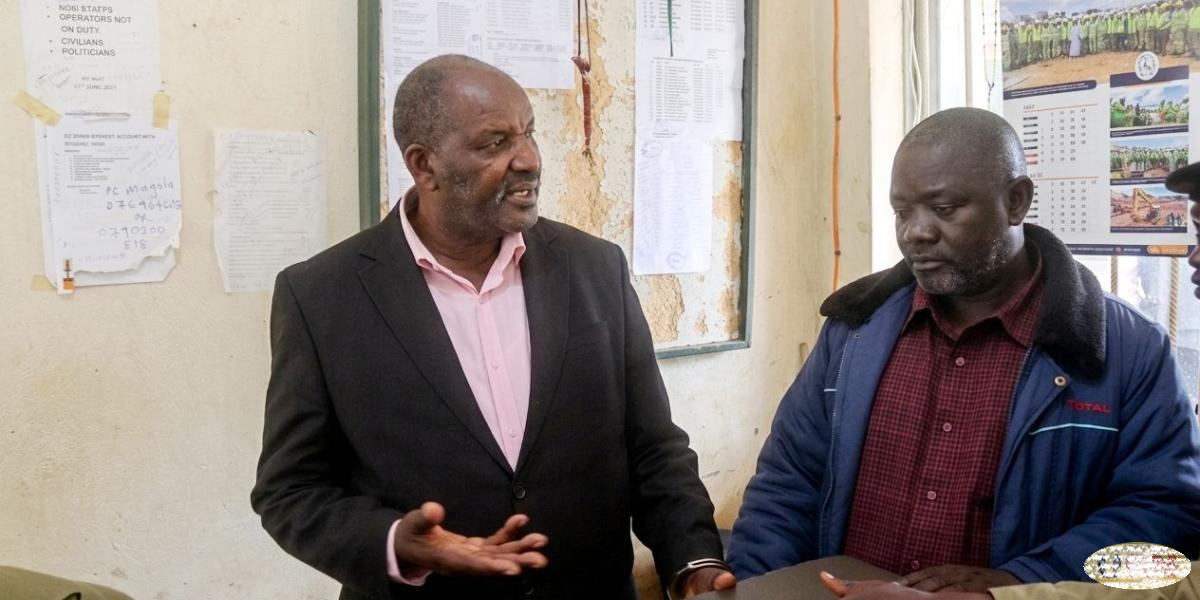
Four people, including members of the Kisoro District Service Commission arrested and transferred to Kampala over allegations of soliciting and receiving bribes from job seekers.
Erastus Nshaka, the Kisoro District Service Commission chairperson, together with Abel Richard Turamuhawe, alias Nshurubwiko, a commission member; Amos Hakizimana, the Kisoro District Speaker; John Muftimukiza, commonly known as Torch, a district councillor representing Nyarusiza Sub-county; and businessman (broker of the jobs deal) Aliphonsi Muhanika, are expected to be arraigned before the Anti-Corruption Court.
According to police investigations, Nshaka is accused of receiving eight million shillings from businessman Charles Mbarusha in 2023 after allegedly demanding fifteen million shillings to secure a Clinical Officer position for Mbarusha’s sister, Jolly Mutuzo.
It is alleged that although Mutuzo attended and passed the interview, she was not appointed, and the money was allegedly not refunded.
Francesca Mugisha allegedly approached Charles Mbarusha and offered to refund ten million shillings on condition that he withdraws the complaint and acknowledges the settlement.
Nshaka is also accused of demanding 100 bags of cement from an enrolled nurse, Ivan Nirere, as an inducement to secure him a government job through alleged intermediary Aliphonsi Muhanika.
Abel Richard Turamuhawe alias Nshurubwiko at Kisoro police station
On March 10, 2024, Nirere allegedly delivered an initial 50 bags of cement to Nshaka’s construction site in Kanyabukungu Village, Nyakabande Sub-county, with the balance expected after his appointment.
However, no job was secured, and repeated demands for the return of the cement were allegedly ignored.
Nshaka and Turamuhawe are further accused of soliciting and receiving ten shilligs from Brian Turikumwe in February 2026 as an inducement to secure his appointment as an Assistant Town Clerk.
Investigators allege that Turamuhawe introduced Turikumwe to Nshaka and directed him to deliver the money to Nshaka’s residence in Kanyabukungu Village, Nyakabande Sub-county. The money was allegedly received with assurances that Turikumwe would be awarded the job.
Although Turikumwe was subsequently shortlisted and interviewed, he was not appointed. His repeated demands for a refund were allegedly ignored.
Hakizimana is accused of soliciting and receiving about 11.5 million shillings from several job applicants between October and December 2025, allegedly promising to influence their recruitment by the Kisoro District Service Commission.
According to investigators, evidence includes statements from applicants who allegedly paid Hakizimana, WhatsApp communications linking him to Nshaka, and Hakizimana’s own statements in which he allegedly admitted receiving and using the money. Some of the applicants were subsequently appointed, while others were unsuccessful.
Hakizimana allegedly refunded 8 million Shillings, which was recovered and exhibited as evidence.
Muftimukiza is accused of receiving 8 million Shillings from Nelson Bazamanzo on the promise of securing a government midwifery position in Kisoro District Local Government for Bazamanzo’s sister, Pamela Nyirabatega.
After allegedly receiving the money, Muftimukiza failed to secure the appointment and began avoiding Bazamanzo and Nyirabatega.On Friday afternoon, police at Kisoro
Police Station handed over the suspects to investigators from the State House Anti-Corruption Unit.
District Speaker Amos Hakizimana, Johns Muftimukiza and Joseline Nyirambabazi at Kisoro police station
Nshaka, Turamuhawe alias Nshurubwiko, Hakizimana, Muftimukiza alias Torch, Muhanika and Nyirambabazi were placed in a Toyota Hiace, registration number UBP 685V, and driven to Kampala to face the Anti-Corruption Court.
Mariam Natasha, the spokesperson for the State House Anti-Corruption Unit, confirmed that the suspects are expected to appear before the Anti-Corruption Court on Monday, August 24, 2026, to answer the charges. Natasha said the charges include corruption, abuse of office, and obtaining money by false pretences.
She also said John Nyakahuma, the Kisoro District Chief Administrative Officer; Alex Matata; Francesca Mugisha, a member of the District Service Commission; and another Alex Matata, the deputy head teacher at Chahi Seed Secondary School and Uganda National Teachers’ Union (UNATU) chairperson for Kisoro branch, are on the run over the same allegations.
Natasha said investigations into phones belonging to complainants had allegedly linked Matata, Nyakahuma and Mugisha to demands for bribes from job seekers. So far, six complainants have voluntarily handed over their smartphones to police to assist investigators in building the case against the three suspects. Natasha said preliminary investigations indicate that the suspects could have extorted up to Shillings 200 million from job applicants.
Erastus Nshaka and Aliphonsi Muhanika at Kisoro police station
Rodgers Nabaasa, the lawyer representing the accused, said there was no evidence to show that his clients had cases to answer because they had not yet been formally charged before court. Nabaasa also called for the arrest and prosecution of the complainants, arguing that offering a bribe is also a criminal offence.
The arrests come amid growing scrutiny of the Kisoro District Service Commission over allegations of corruption, irregular recruitment and sexual exploitation of job seekers. In May 2026, Kisoro District Council suspended the District Service Commission and petitioned the State House Anti-Corruption Unit to investigate allegations of bribery, nepotism and irregular recruitment.
During a council session, councillors accused the commission of recruiting more people than the number of vacancies officially advertised.
According to the councillors, 174 teachers were recruited against 105 advertised positions. Nursing positions reportedly increased from 10 advertised vacancies to 22 recruits, while midwifery positions increased from eight to 16 and medical doctor positions from one to four.
Councillors alleged that the additional recruitment was part of a purported “jobs-for-sale” scheme in which applicants were allegedly asked to pay between ten and 15 million shillings to secure employment.
Vice Chairperson Alex Nambajimana told the council that he was prepared to present an audio recording allegedly implicating commission officials and then-Chief Administrative Officer John Nyakahuma in soliciting bribes and sexual favours from job seekers.
Nyakahuma denied the allegations.
The Kisoro District Service Commission members are Erastus Nshaka, Rev. Fr. Emmanuel Safari, Richard Turamuhawe, Peace Mbabazi, Galidensia Busingye and Francesca Mugisha.
GOT A HOT STORY? LET US KNOW!
Got breaking news, explosive secrets, or hard evidence?
KAMPALA — The satellite internet race has officially blasted off in Uganda, with Roke Telkom and Paratus Uganda taking the lead as the first provider to bring Starlink’s low-Earth-orbit satellite service to the local market.
The breakthrough follows the signing of a memorandum of understanding and operational licence agreement between the Uganda Communications Commission (UCC) and Starlink on May 15, 2026, clearing the way for the new generation of high-speed, low-latency satellite connectivity.
For Roke Telkom, the development marks a major expansion of its connectivity arsenal and puts the home-grown internet service provider at the centre of Uganda’s fast-changing telecommunications landscape.
Paratus Uganda, launched last year through a joint venture between pan-African telecommunications giant Paratus Group and Kampala-based Roke Telkom, is now moving to connect enterprises that have long struggled with unreliable or unavailable terrestrial infrastructure.
The company is targeting customers in mining, healthcare, tourism, NGOs and government, particularly those operating deep in remote and underserved areas where fibre connectivity can be difficult and expensive to deploy.
The Starlink service is also expected to strengthen the resilience of businesses already connected to Paratus Uganda’s network by adding satellite connectivity to its existing infrastructure.
Paratus Uganda has been supporting customers through the 2,000-kilometre protected Goma-to-Mombasa route, while benefiting from Paratus Group’s wider East-West Southern Africa backbone, redundancy systems and value-added network services.
Paratus Uganda Country Manager Edwin Kyambadde said the company had been receiving strong demand from enterprise customers eager for LEO satellite connectivity.
“There has been significant demand for LEO services from enterprise customers who have been waiting for Starlink to become available in Uganda,” Kyambadde said.
“Now that Starlink is licensed, the hard work begins as we connect customers across the country.”
Kyambadde described the development as a game-changer for businesses operating beyond the reach of conventional infrastructure.
Paratus Group Chief Commercial Officer Martin Cox said Uganda’s entry into the Starlink network would further advance the group’s strategy of creating a seamless, multi-layered telecommunications network across Africa.
Uganda becomes the ninth African country where Paratus Group will offer Starlink services.
“Satellite plays a critical role in extending our reach into areas where terrestrial infrastructure is limited,” Cox said.
He said customers in Uganda and across East Africa would benefit from greater resilience, faster deployment and borderless connectivity.
But behind the satellite breakthrough is Roke Telkom, a Ugandan telecommunications player with nearly two decades of experience in the local market.
Established in 2006, Roke is a UCC-licensed internet service provider that has built its reputation around connectivity and enterprise support.
Through the partnership with Paratus Group, Roke brings its deep knowledge of the Ugandan market and established customer base, while Paratus contributes its pan-African network reach and satellite connectivity capabilities.
The combination could prove particularly valuable for businesses working in locations where conventional fibre infrastructure has yet to reach.
From remote mining sites and tourism facilities to health centres, government operations and humanitarian projects, Starlink’s satellite-based connectivity offers the possibility of rapidly bringing reliable internet services to areas where traditional infrastructure remains limited.
The Roke Telkom-Paratus Uganda partnership therefore puts Uganda’s locally established ISP at the heart of the country’s Starlink rollout, combining local expertise, regional infrastructure and satellite technology in what could become a major new chapter in Uganda’s connectivity story.
GOT A HOT STORY? LET US KNOW!
Got breaking news, explosive secrets, or hard evidence?
A multi-billion-shilling Government programme designed to lift millions of Ugandans out of poverty through agriculture, water access, agro-processing and financial inclusion has come under a cloud of accountability questions, with serious weaknesses exposed in the management of the Local Economic Growth Support Project (LEGS) under the Ministry of Local Government.
The findings put the spotlight on the Ministry’s leadership, headed by Eng. Paul Mukasa Kasule, with operational responsibilities also involving officials such as Madam Maria Nakitende, after the latest examination of the project uncovered contested land ownership, funds that were not accounted for and loans disbursed contrary to financing agreement provisions.
The LEGS project is a $150 million initiative, approximately Sh545 billion, being implemented through the Ministry of Local Government with financing from the Government of Uganda, the Islamic Development Bank and the Lives and Livelihoods Fund.
The project is intended to improve household incomes and reduce poverty in dry and remote rural areas by supporting agriculture, water access, agro-processing, local enterprises and financial inclusion.
But the latest findings show that some of the very projects intended to transform rural communities have themselves become entangled in land, financial management and implementation problems.
One of the major concerns is the ownership of land on which infrastructure financed under the project has been constructed.
The ownership of a portion of the land on which the Rwakibira Valley Dam in Gomba District was constructed is contested by a private individual.
The situation presents a potential ownership dispute over infrastructure developed using public project resources.
In Nakaseke District, the problem is even more direct.
The land on which the Katalekamese market shade was constructed is privately owned.
The findings raise questions over how land was identified, verified and secured before public funds were committed to construction projects.
SH2.73BN LOANS DISBURSED TO PRIVATE COMPANIES
The financial management of the project has also come under scrutiny over loans disbursed through the Microfinance Support Centre (MSC).
In the financial years ended June 30, 2024 and June 30, 2025, the Microfinance Support Centre disbursed loans amounting to Sh2.73 billion to private companies.
The disbursements were contrary to provisions contained in the financing agreement.
The finding puts the project managers and responsible officials under pressure to explain how the loans came to be extended to private companies despite the conditions governing the financing arrangement.
The concern is particularly significant because LEGS is intended to support local economic growth, household incomes and rural enterprises, meaning the management of its financing arrangements is central to whether the programme achieves its objectives.
SH216M ADVANCE NOT ACCOUNTED FOR
Another financial accountability concern involves Kyenjojo District Local Government.
The project advanced Sh216.53 million to Kyenjojo District Local Government to facilitate dairy breed and nutritional improvement.
However, the funds were not accounted for.
The absence of accountability for the Sh216.53 million raises questions about the controls in place to track project money transferred to local governments and to ensure that funds are used for their intended purposes.
It also puts pressure on those responsible for supervising project implementation and financial reporting to account for how the money was utilised.
MARKET SHED UNDER-UTILISED
Physical inspection of projects funded under the programme also exposed problems with utilisation and design.
At Magoma Market shed in Nakaseke District, the facility was found to be under-utilised.
The finding raises concerns over whether some of the infrastructure being constructed under LEGS is adequately matched to the needs and activities of the communities it is intended to serve.
At Kiwoko in Nakaseke District, the maize processing plant was found to be small in size and lacking proper ventilation.
The inadequate ventilation was identified as posing a health risk.
The issue raises questions about the planning and design of the facility before construction and whether the infrastructure adequately meets the operational requirements of a maize processing plant.
WATER PROJECT HIT BY ACCESS ROAD PROBLEM
The project’s water infrastructure has also encountered implementation difficulties.
Part of the water supply system for Kinoni in Nakaseke District had not been constructed because there was no access road to the proposed site.
This means that a project intended to improve access to water was unable to complete part of its planned infrastructure because the location could not be accessed through an adequate road.
The finding underscores the importance of proper site assessment and coordination before infrastructure projects are undertaken.
SH545BN PROJECT AIMED AT 16 MILLION UGANDANS
The issues are emerging at a time when LEGS is being expanded under a second phase of implementation.
The $150 million project, approximately Sh545 billion, was designed as a major Government intervention to boost rural incomes, improve access to water and strengthen agricultural production.
The first phase targeted 17 districts, while the second phase has been expanded to 55 districts and is expected to benefit nearly 16 million Ugandans.
The programme focuses on boosting crop yields through better seeds, tractors and irrigation systems, improving access to safe water for households and agriculture, constructing storage facilities and processing plants, improving market roads and supporting financial inclusion.
It also seeks to support youth, women and disabled entrepreneurs through microfinance and other forms of enterprise support.
The second phase, which was rolled out earlier this year, is a five-year programme focusing on climate change, youth and women entrepreneurship, small-scale irrigation, agro-processing and improved post-harvest handling.
The project is being implemented by the Ministry of Local Government with financing from the Lives and Livelihoods Fund, the Islamic Development Bank and the Government of Uganda.
Its expansion to 55 districts means that the management weaknesses now exposed could have implications far beyond the districts already covered by the inspected projects.
The LEGS project is a direct response to Uganda’s National Local Economic Development Policy adopted in 2014 and is intended to support community-driven solutions, enterprise development and stronger local value chains.
Its broader objective is to improve the economic wellbeing of rural communities through increased access to water, enhanced agricultural productivity, environmental conservation and stronger local economic activity.
However, the findings highlight the gap that can emerge between the ambitious objectives of a major Government programme and the effectiveness of controls used to deliver it.
With LEGS carrying a financial envelope of about Sh545 billion and targeting nearly 16 million Ugandans in its expanded phase, the findings put the Ministry of Local Government and the officials responsible for the programme’s administration under renewed scrutiny.
The central question now is whether the Ministry’s leadership and project management structures are doing enough to ensure that the enormous resources committed to LEGS translate into properly planned, legally secure, functional and fully accountable projects for the rural communities they are intended to serve.
GOT A HOT STORY? LET US KNOW!
Got breaking news, explosive secrets, or hard evidence?
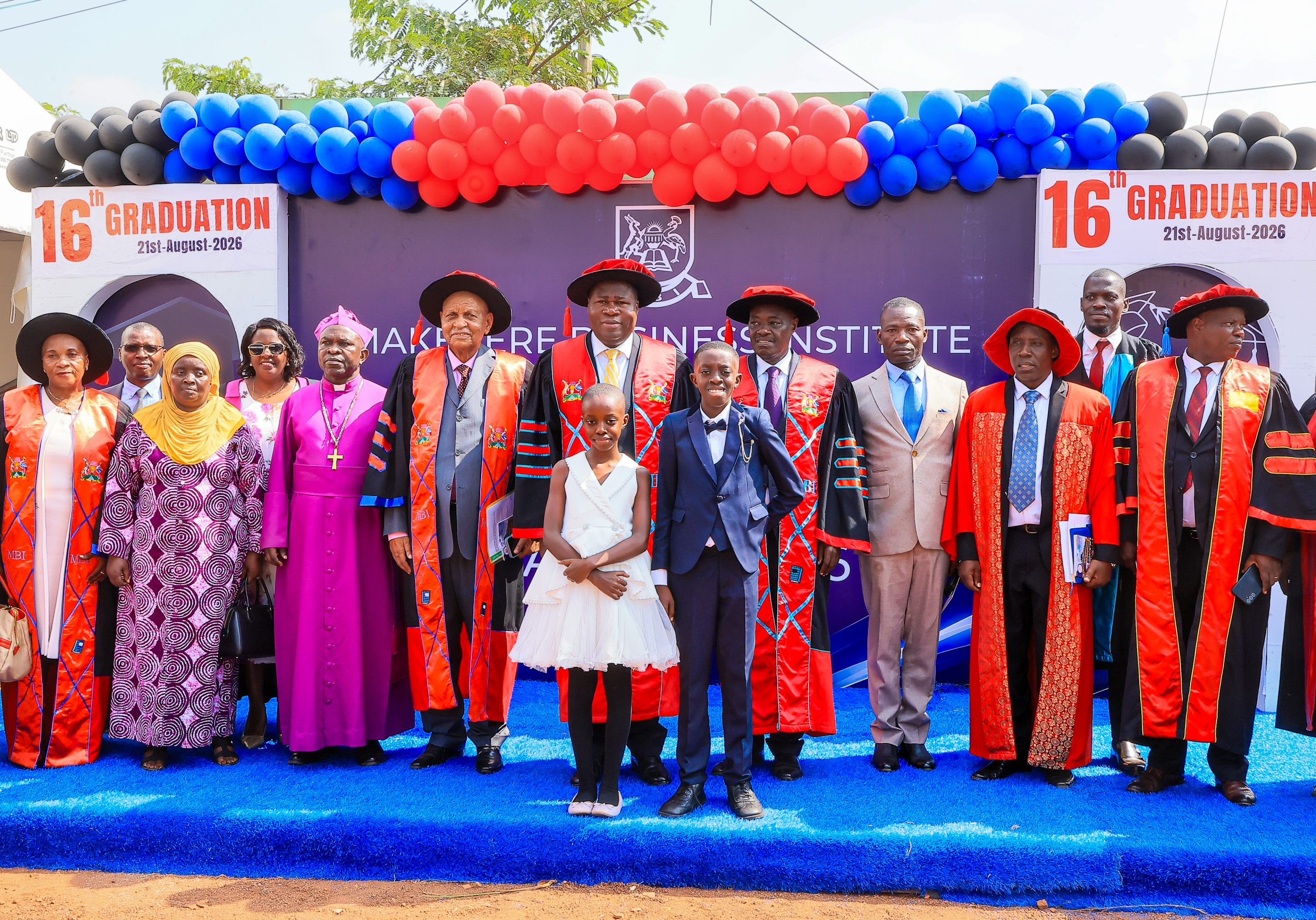
KAMPALA: Speaker of Parliament Rt. Hon. Jacob Marksons Oboth-Oboth has challenged Ugandan graduates to look beyond paper qualifications and focus on practical skills, innovation, integrity and enterprise as they enter an increasingly competitive job market.
Oboth-Oboth made the call on Friday, August 21, while addressing the 16th Graduation Ceremony of Makerere Business Institute (MBI) at its campus in Makerere, Kampala, where 564 students graduated with certificates and diplomas in Journalism, ICT, Business and Finance.
The ceremony also marked 33 years of MBI’s service in education and was attended by parents, guardians and former Makerere University Chancellor Prof. Mondo Kagonyera.
The Speaker told the graduands that the value of education should not end with the acquisition of certificates, warning that the real test begins when graduates are required to apply their knowledge to solve real-world problems.
“Today you receive a certificate; tomorrow the world will ask what you can do with it. Education must therefore give us more than documents. It must give us skills, character and the courage to create opportunities,” Oboth-Oboth said.
Speaker Oboth arriving at MBI
He said tertiary institutions have a critical responsibility to prepare young people for an evolving national and global economy by equipping them with practical knowledge and the ability to adapt to changing demands.
The Speaker also urged the graduands to embrace technology without losing the human qualities that remain essential in the workplace, particularly character, judgment and integrity.
“Artificial intelligence will transform the workplace, but it will never replace character, judgment, and integrity,” he said.
Oboth-Oboth encouraged the graduates to use their training to establish enterprises, create employment and develop solutions to challenges affecting their communities and the country at large.
He also addressed concerns raised over the rising operational costs faced by private education institutions, including taxation, utilities, internet expenses and infrastructure requirements.
The Speaker reassured education administrators that Parliament would advocate for an enabling policy environment aimed at ensuring that Ugandans can access affordable and quality education.
The plight of orphans and vulnerable children also featured prominently in his address, with the Speaker highlighting challenges including school dropout, early pregnancy and marriage, child labour, drug abuse and mental health difficulties.
He said Parliament remained committed to advocating for policies that keep vulnerable children in school while creating pathways through which they can access skills, opportunities and productive livelihoods.
The Speaker warned that Uganda could not afford to leave sections of its potential workforce behind, urging stakeholders to ensure that vulnerable children are given a fair opportunity to complete their education and acquire employable skills.
Kawempe Division South MP Hajjat Madina Nsereko Ntale reinforced the message, urging the graduands to embrace hard work, discipline and self-reliance as they transition from school into the world of work.
She pointed to government wealth-creation programmes, including the Parish Development Model (PDM), as some of the opportunities young people can utilise to build sustainable livelihoods.
Nsereko Ntale urged the government to work with young people as genuine partners in implementing such programmes, challenging the graduates not to spend all their time looking for formal employment.
Speaker Oboth flanked by Prof. Kagonyera (R) and Hon Itungo (L)
Instead, she encouraged them to utilise available opportunities, including the UGX1 million PDM SACCO funding, to establish viable enterprises and create jobs for others.
“Become employers rather than job seekers,” she told the graduands.
In his closing remarks, Oboth-Oboth congratulated the management and staff of Makerere Business Institute for 33 years of educating and equipping Ugandans, urging the graduating class to regard their qualifications as a launch pad rather than the end of their journey.
He challenged them to make their education count for God and the country by applying their knowledge with integrity, innovation and a strong sense of responsibility.
Makerere Business Institute was founded in 1993 by Nathan Itungo, the Member of Parliament for Kashari South. The institution offers certificates and diplomas in business, ICT, journalism and vocational disciplines.
GOT A HOT STORY? LET US KNOW!
Got breaking news, explosive secrets, or hard evidence?
Equity Group Holdings Plc has announced a solid first‑half performance for 2026, underscoring its continued regional leadership and the momentum of its transformation into a resilient, people-centric, technology‑enabled pan‑African financial services institution.
Profit After Tax rose by 32% to KSh45.5 billion from KSh34.6 billion for the same period, a reflection of improved balance sheet quality and growth, rising contributions from its regional subsidiaries and increased non-funded income contribution.
Net interest income continued to strengthen, rising 17% to KSh69.3 billion from KSh59.3 billion, reflecting the depth of the Group’s lending franchise and disciplined balance sheet management. Total income grew 25% to KSh124.9 billion, up from KSh100.2 billion, driven by a sharp rise in non‑funded income, which expanded 36% to KSh55.6 billion from KSh40.9 billion.
Non‑funded income now contributes 44.5% of the Group’s total income, up from 40.8% in H1 2025, underscoring Equity’s multi‑line business, geographic diversification and revenue quality mix
The balance sheet also continued its upward trajectory, expanding 20% to KSh2.16 trillion. This growth was anchored by a 21% rise in customer deposits to KSh1.59 trillion and a 19% increase in net loans to KSh981 billion, demonstrating sustained customer confidence and strong credit demand across the markets where Equity operates. Shareholders’ funds grew 27% to KSh350 billion, reinforcing the Group’s capital strength.
Equity now serves 23.3 million customers through various digital platforms, including Equity Online for Business & Individuals, Eazzy FX, the Equity Mobile App, *247#, and Equitel, complemented by 410 branches, 886 ATMs, 92,572 agency outlets, and 1.4 million merchants. Together, these channels reflect one of the region’s most extensive and diversified financial services ecosystems.
While releasing the half-year results Dr James Mwangi, Group Managing Director and CEO said, “The Group’s performance is unfolding against a backdrop of resilient regional economic growth. Kenya is projected to expand by 4.5%-5%, the Democratic Republic of Congo by 5.6%, Tanzania by 5.9%, Uganda by 6.4%, Rwanda by 6.8%, and South Sudan by 20%. These growth rates are supported by firm commodity prices and policy reforms and are expected to sustain, making the region where we operate one of the fastest growing regions in the world. Equity’s half-year 2026 performance is the outcome of a multiyear transformation agenda focused on resilience, diversification, and technology enablement. The Group has repositioned its operating model, strengthened its regional presence, and invested heavily in digital and AI‑enabled capabilities to build an institution equipped for the future.”
Operational efficiency continued to improve, with the cost‑to‑income ratio improving to 48.6% from 51.7%, driven by productivity gains, shared services, and a decisive customer shift toward digital channels. Return on Assets stood at 4.5%, while Return on Equity reached 26.5%, demonstrating strong asset productivity and disciplined capital allocation.
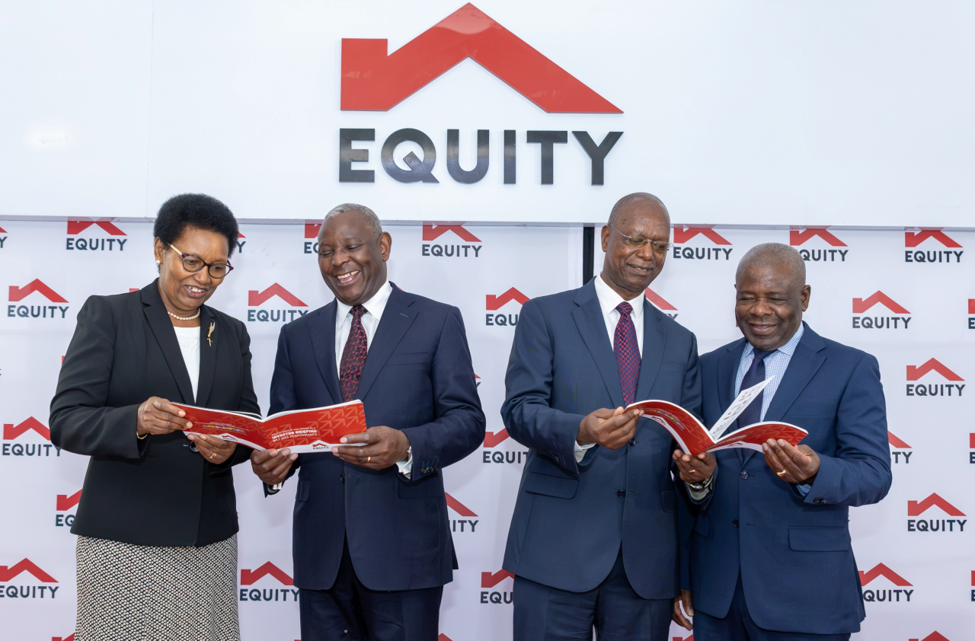
From L-R: Equity Bank Tanzania Non-Executive Director, Evelyn Rutagwenda, Equity Group Managing Director and CEO, Dr. James Mwangi, Equity Group Chairman, Prof. Isaac Macharia, and Equity Group Non-Executive Director, Jonas Mushosho, during the H1 2026 Investor Briefing.
He added: “Our H1 2026 performance reflects the success of our deliberate transformation into a diversified, regional, technology‑enabled financial services Group. We are building a future ready institution; scalable, secure, and impact led, anchored in digital capabilities, staff upskilling, and a culture of disciplined execution. As we progress towards our Africa Recovery and Resilience Plan (ARRP) 2030 ambitions, we are evolving beyond traditional banking into an integrated tech enabled financial institution that mobilizes capital, connects ecosystems, and accelerates inclusive, sustainable prosperity across Africa.”
Equity’s technology-enabled transformation is now firmly embedded across the Group. Customer behavior continues to shift decisively toward digital channels, with 98.3% of all transactions occurring outside branches and 89.7% processed through digital platforms, demonstrating that customers are actively choosing the convenience and reliability of Equity’s digital ecosystem.”
Digital adoption continues to accelerate across the Group, with 98.3% of all transactions now occurring outside branches and 89.7% processed through digital platforms. These trends highlight customers’ growing preference for Equity’s digital ecosystem and the reliability of its technology infrastructure.
The Group has continued modernizing core systems, payments infrastructure, and risk analytics. Workforce capability has also advanced significantly: 82% of staff have completed a business focused generative AI course. Furthermore, 55% of staff have completed two additional courses via the Huawei ICT Academy.
Combined, staff completed 119,980 hours of guided AI instruction. 406 staff were admitted to Masters degree programs through WorldQuant University in Financial Engineering and Applied AI. These investments enable faster service delivery, enhanced risk management, and scalable growth across all markets.
The Group has continued to reinforce its risk buffers and strengthen asset quality. NPL coverage improved to 70%, up from 68%, while loan loss provisions fell 6% year‑on‑year. The loan book recorded a notable improvement in non‑performing loans, declining from 13.7% to 9.5%, driven by disciplined underwriting, improved analytics, and a diversified portfolio. Cost of risk improved to 1.4% down from 1.7% These gains reflect the Group’s commitment to long‑term resilience and sustainability.
Equity Bank Kenya’s recovery momentum continued posting a 32% increase in Profit After Tax to KSh25.7 billion (H1 2025: KSh19.5 billion) demonstrating strong leadership in the Kenya market with a 13% growth in assets underpinned by a 24% deposits growth and 8% loans growth. The bank recorded a return on average assets and a return on average equity of 4.8% and 34.7% respectively, all while maintaining its MSME leadership by disbursing 36% of the KSh101 billion MSME loans issued in Kenya between January and March 2026.
Regional subsidiaries delivered strong and accelerating performance, now contributing 42% and 52% of the Group’s banking profitability and revenue respectively, 51% of Group deposits, 54% of Group loans and 52% of Group banking assets, a testament to the success of the Group’s pan‑African expansion strategy. Equity BCDC in the Democratic Republic of Congo achieved a 30% rise in Profit After Tax to KSh11.8 billion. Equity Rwanda grew Profit After Tax by 12% to KSh2.9 billion, and Equity Tanzania delivered exceptional performance with 82% growth to KSh2.0 billion.
From L-R: Equity Group Non-Executive Director, Dr. Lakshmi Shyam-Sunder, Equity Group Managing Director and CEO, Dr. James Mwangi, Equity Group Chairman, Prof. Isaac Macharia, and Equity Group Non-Executive Director, Ms. Farida Khambata, during the H1 2026 Investor Briefing.
Equity Insurance Group maintained its strong trajectory, with gross written premiums rising 24% to KSh6.4 billion and profit before tax increasing 34% to KSh1.25 billion. The life and general insurance businesses wrote KSh4.5 billion and KSh0.6 billion while the health insurance business wrote KSh1.2 billion in Gross Written Premiums.
The number of policies issued to date increased to 22.6 million life insurance policies and 7.2 million unique customers consuming life insurance products and further, 24,745 Micro and Small Enterprises (MSMEs) consuming general insurance covers, strengthening the resilience of the families and communities. 79% of the policies issued by the Insurance Group were distributed digitally, demonstrating strong growth driven by technology. Insurance is increasingly becoming a meaningful third pillar of growth alongside banking and payments.
The Group’s non-banking subsidiaries improved and enhanced their contribution, contributing 4.8% of the Group’s revenue, up from 4%. Profit before tax contribution is up to 4.2% from 3.8% while profit after tax contribution has grown to 3.7% from 3.2%.
The Equity Group Foundation (EGF) continued to deliver transformative social impact across Africa through Equity Group’s integrated model of economic empowerment, social impact and sustainability. Across its Education and Leadership Development pillar, EGF currently supports over 11,663 active high school scholars and has expanded global university opportunities with 121 new global university admissions in 2026, valued at USD 23,422,515 (Kshs. 3,021,504,435).
To date, EGF under the Wings to Fly scholarship program and the Elimu Scholarship Program has benefitted 60,009 scholars. The Equity Leaders Program has also surpassed 10,505 cumulative paid internships, strengthening Africa’s future leadership and workforce pipeline.
The total number of scholars accessing global universities reached 1,236 scholars while those who have transitioned to public universities are over 35,300 scholars across Kenya, Rwanda, Uganda and the Democratic Republic of Congo (DRC).
To date, over 4,039 youth in Kenya and the DRC have benefited from the Wings to Fly TVET Scholarship Program, with 33% pursuing IT and 31% science and engineering, alongside agriculture, hospitality, business and other fields.
Under Enterprise Development and Financial Inclusion, EGF has cumulatively trained over one million entrepreneurs facilitating more than KSh436 billion in credit access to MSMEs, accelerating entrepreneurship, financial inclusion and job creation across the region.
In Food and Agriculture, the Foundation continued to deepen agricultural commercialisation and climate resilience, including through the USD 25 million SASTAIN programme in partnership with Mastercard Foundation targeting 60,000 smallholder farmers and Agri-MSMEs in Tanzania and DRC.
Through its Energy, Environment and Climate Action pillar, EGF advanced sustainability efforts by planting over 48.7 million trees and scaling clean energy, water and sanitation solutions to strengthen environmental resilience and green growth across communities.
Equity Group Holdings received its accreditation as a Direct Access Entity (DAE) to the Green Climate Fund (GCF) marking a transformative milestone that positions the Group to directly mobilize global climate finance to further support Africa’s climate resilience and sustainable development agenda.
The accreditation significantly strengthens Equity Group Foundation’s ability to scale high-impact climate adaptation and mitigation programmes by unlocking access to catalytic concessional funding, blended finance and strategic partnerships for climate-smart agriculture, nature restoration, renewable energy, resilient health systems, green enterprise development and community resilience.
Riding on the Foundation’s proven implementation capacity and deep community reach across the region, the GCF accreditation will accelerate the delivery of innovative, locally led climate solutions to protect livelihoods, create green jobs, strengthen vulnerable communities and ecosystems, while advancing Equity Group’s mission of transforming lives and livelihoods.
Equity Afya continued to expand access to affordable and quality healthcare through a growing network of 156 medical centers that have now served over 5.3 million patient visits. Additionally, Equity Afya opened its first community pharmacy outlet, taking a first step into its vision to promote access to affordable, high-quality medicines through a targeted network of 1000 community pharmacies across the region.
EGF’s Innovation and Technology Pillar also scaled its initiative that targets rapidly to train 600,000 youth in AI, machine learning and data analytics through partnerships with iamtheCODE, Huawei ICT Academy and WorldQuant University and other partnerships. 12,882 staff completed the GenAI course and have progressed to undertake two additional prescribed Huawei certification courses of which a total of 5,743 staff have completed.
Through the existing partnership with WorldQuant University, 406 staff have been admitted to the MSc in Financial Engineering programme. Simultaneously, Equity was also invited to participate in a new pilot certificate programme in Applied AI Certificate that will inform the rollout of the envisioned future master’s programme in Applied AI. In addition, 6,073 users are now enrolled at the iamtheCODE Digital Academy, with 11,456 hours of instruction completed to date further strengthening staff technology and upskilling programs.
These achievements continue to position Equity Group as a future-ready institution driving inclusive prosperity, sustainable development, and long-term resilience across Africa through innovation, human capital development, and transformative partnerships.
With ROA and efficiency at peak levels, the Group is properly positioned for the next chapter of growth as part of its 2030 strategy, anchored on the Africa Recovery and Resilience Plan (ARRP).
The strategy outlines ambitions to augment operations to 15 countries, serve 100 million customers, and implement next‑generation digital and AI‑enabled systems to scale transformation finance across the continent. The Group remains well‑capitalized and equipped to support these growth objectives.
GOT A HOT STORY? LET US KNOW!
Got breaking news, explosive secrets, or hard evidence?