Ugandan singer Kapa Cat has taken a swipe at the country’s current crop of musicians, accusing them of making the music industry dull with a lack of competition and creativity.
Speaking in an interview with Galaxy TV, the outspoken singer said today’s music scene has become predictable, leaving fans with little to get excited about. She agreed with fellow singer Jowy Landa’s recent comments that Uganda’s music industry is no longer as vibrant as it once was.
Kapa Cat revealed that she has repeatedly challenged several female artists to friendly lyrical showdowns aimed at entertaining fans and reigniting excitement in the industry. According to her, most of them have declined the invitation because they are afraid of facing her.
“I’ve approached a number of female musicians about having music battles, but they keep saying they’re scared. That’s why the industry has become boring,” she said.
The singer insisted she is ready to go head-to-head with any female artist in a respectful musical contest, adding that healthy competition is exactly what the industry needs. When it comes to male artists, Kapa Cat named Peter Miles as the only musician she feels would make for a worthy and comfortable battle.
Her remarks come amid growing criticism that Uganda’s music industry has lost its competitive edge. Many fans argue that older songs continue to dominate airwaves while few new releases leave a lasting impression.
Music lovers have also been reminiscing about the golden era of fierce rivalries involving Bebe Cool, Jose Chameleone and Bobi Wine, saying those battles kept fans engaged and pushed artists to consistently raise their game.
Enock Mugabi aka iWitness is a Journalist, Seasoned Writer and Music Analyst with a passion for sports. Connect with him on social media using the links below in bio.
Engineer Stephen Kaweesa, the politician who became widely known for his viral “Ekyo kye kiloto kyange” remark after losing the Nansana Municipality parliamentary election, is back in the political race—this time seeking to retain his position as LC1 chairperson of Katooke Zone in Nabweru Division, Nansana Municipality, Wakiso District.
Kaweesa, a former National Unity Platform (NUP) supporter, lost the party’s parliamentary flag to the now Nansana Municipality MP, Zambali Bulasio Mukasa, during the party’s internal elections.
He later contested the parliamentary seat as an independent candidate but was defeated by Mukasa in the 2026 General Elections.
After the election, Kaweesi joined the Patriotic League of Uganda (PLU). He is now seeking another term as LC1 chairperson for Katooke Zone, a position he says he has held since 2018.
Kaweesa dismissed claims that he entered the LC1 race because he failed to win the parliamentary seat, saying he is simply seeking to retain the position he held before and during the 2026 elections.
“I keep hearing that I entered the LC1 race because I lost the parliamentary seat. That is false. I have been chairperson since 2018, and I was still in office in 2026 when I ran for Parliament. Now I am contesting to retain the seat,” he said.
He said the LC1 elections have attracted intense competition because the position comes with community influence and access to certain benefits.
“Government promised to increase our salary from Shs10,000 to Shs100,000, but that has not happened. However, there are other benefits. There is the respect from the community, priority in government programmes, and the money we get from stamping land sale agreements and recommendation letters. That is why people invest so much in these elections,” Kaweesa said.
The Local Council 1 elections are scheduled to take place on 28 July 2026.
Burna Boy has officially claimed another major career milestone after emerging as the best-selling African artist of all time.
The Grammy-winning Nigerian superstar topped the latest rankings by global music analytics platform Chartmasters, amassing approximately 14.46 million equivalent album sales (EAS) to finish ahead of every other African artist.
The ranking reflects an artist’s combined album sales, digital downloads and streaming performance, further highlighting Burna Boy’s global appeal as Afrobeats continues to dominate audiences worldwide.
Burna Boy’s international breakthrough came in 2018 with the release of “Ye,” a hit that introduced his music to a much wider audience.
Since then, he has released a string of successful albums, including African Giant, Twice As Tall, Love, Damini and I Told Them…, helping establish him as one of Africa’s biggest music exports.
His success has also translated to the stage.
Over the years, Burna Boy has sold out major venues such as Madison Square Garden in New York, London Stadium and Stade de France, cementing his status as one of the continent’s biggest live performers.
The latest recognition comes shortly after Burna Boy made history at the 2026 FIFA World Cup as the first African artist to perform at both the tournament’s opening ceremony and the inaugural World Cup final halftime show.
He joined Shakira to perform “Dai Dai,” the tournament’s official anthem, before a global audience.
From topping streaming charts to filling stadiums around the world, Burna Boy continues to break new ground and strengthen his legacy as one of Africa’s most successful music stars.
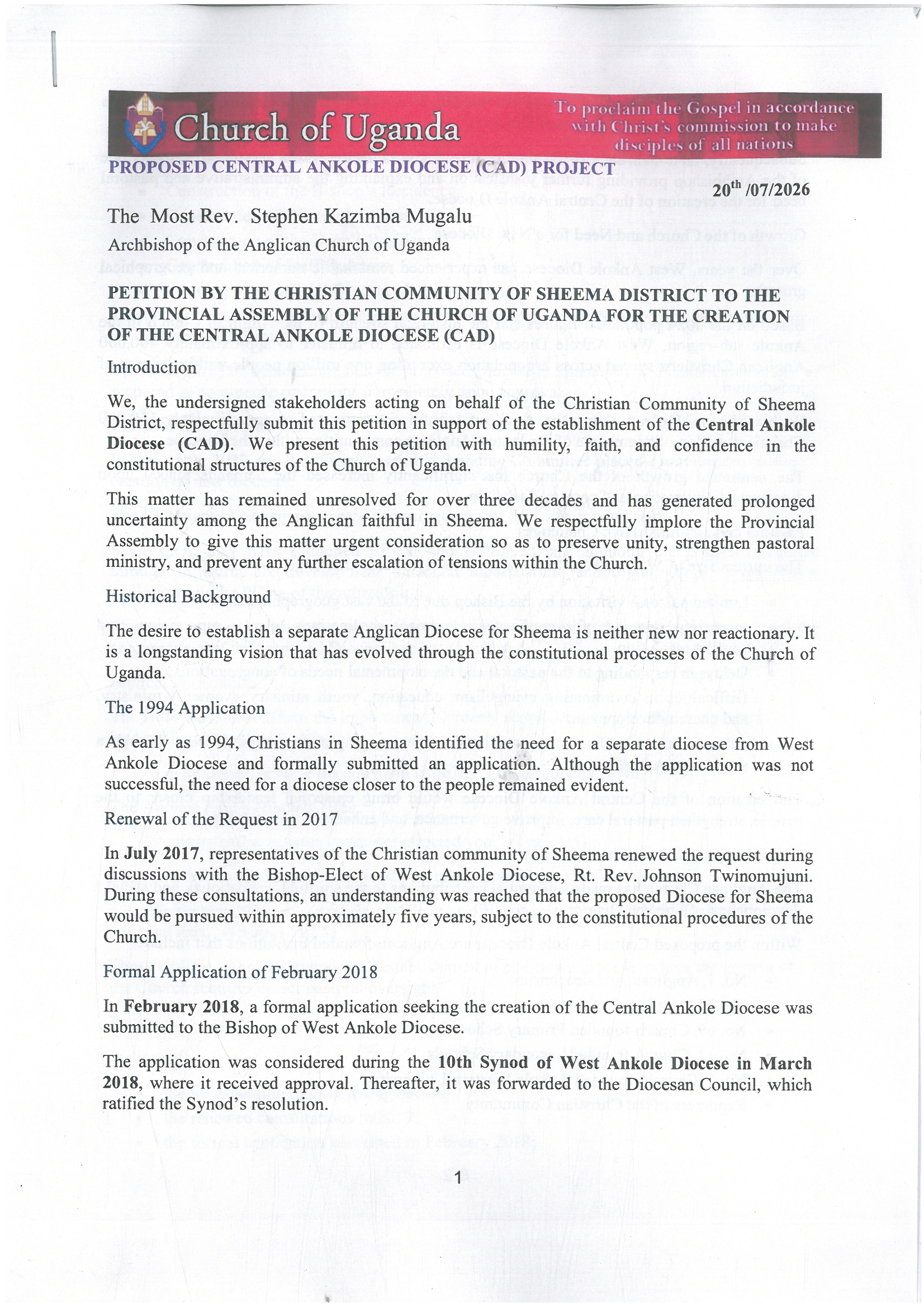
The long-running campaign to carve a new Anglican diocese out of West Ankole Diocese has erupted once again after Christians in Sheema District formally petitioned the Church of Uganda’s Provincial Assembly, demanding the immediate creation of the proposed Central Ankole Diocese (CAD).
In a detailed petition addressed to the Archbishop of the Church of Uganda, The Most Rev. Stephen Kazimba Mugalu, the faithful argue that they have waited for more than three decades, fulfilled every constitutional requirement, invested heavily in infrastructure and finances, and can no longer continue under what they describe as prolonged uncertainty.
The petition, dated July 20, 2026, paints a picture of a determined Christian community that believes the time has finally come for Sheema to have its own bishop and independent diocesan administration.
The petitioners insist that the matter has dragged on for over 30 years and has become a source of anxiety among Anglican believers in Sheema. They appealed to the Provincial Assembly to urgently resolve the issue, warning that continued delays risk creating unnecessary tensions within the Church while denying Christians the pastoral services they deserve.
According to the petition, the dream of establishing the Central Ankole Diocese did not begin recently.
The campaign dates back to 1994, when Christians in Sheema first submitted a formal application seeking separation from West Ankole Diocese. Although that application failed, church members say the need for a diocese closer to the people has never disappeared.
The issue resurfaced in July 2017, when representatives of the Christian community held discussions with the then Bishop-Elect of West Ankole Diocese, Rt. Rev. Johnson Twinomujuni.
During those consultations, the petition states, there was an understanding that the creation of a Sheema Diocese would be pursued within about five years through the constitutional structures of the Church of Uganda.
Encouraged by those discussions, Christians submitted another formal application in February 2018 requesting the establishment of the Central Ankole Diocese.
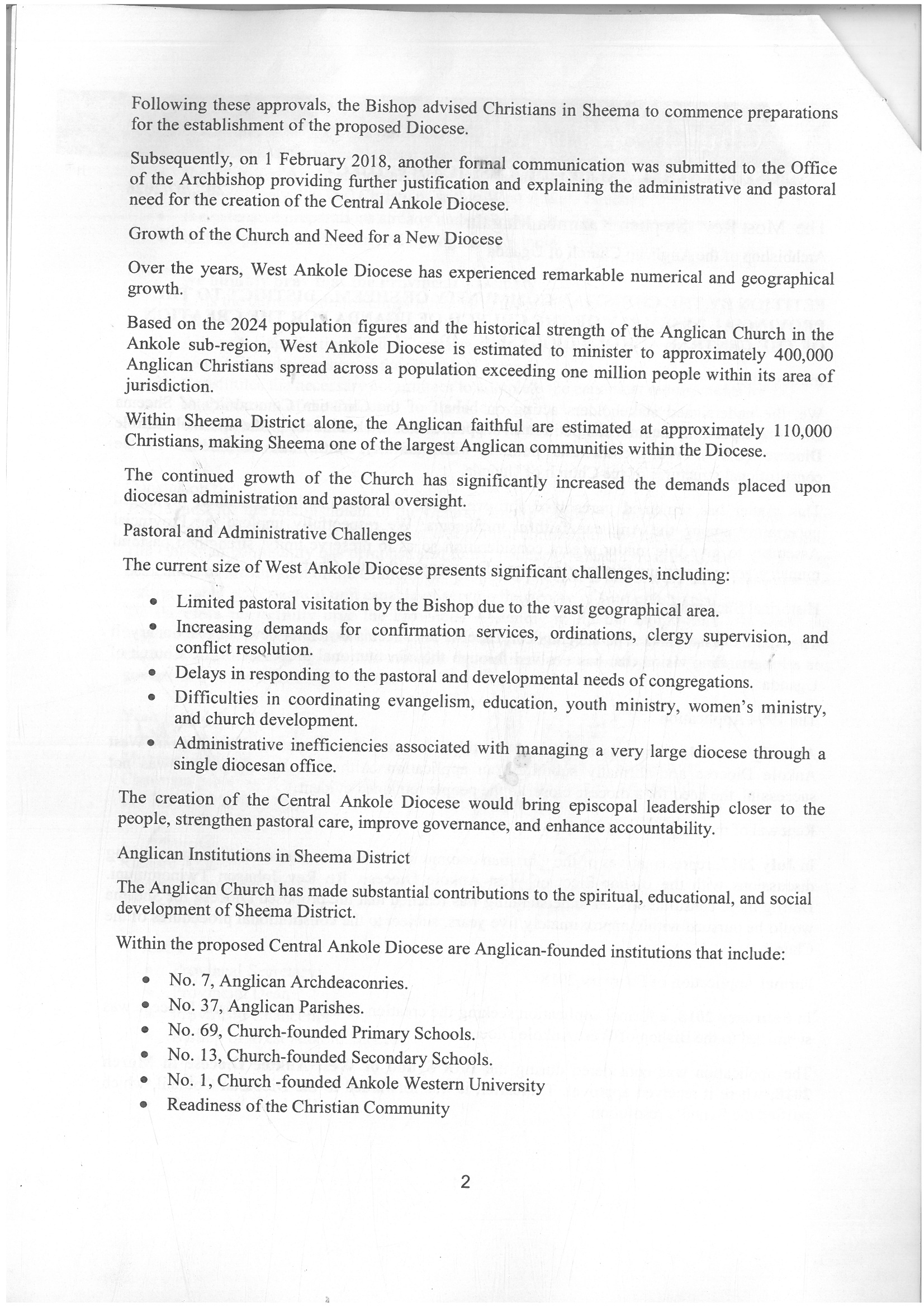
The application was tabled before the 10th Synod of West Ankole Diocese in March 2018 where it reportedly received approval.
It was later forwarded to the Diocesan Council, which ratified the Synod resolution.
Following the approvals, the Bishop reportedly advised Christians in Sheema to begin preparations for the proposed diocese.
The petition further reveals that another communication explaining the pastoral and administrative justification for the new diocese was submitted to the Office of the Archbishop on February 1, 2018.
Despite these steps, the diocese has never been established.
The petition argues that West Ankole Diocese has since grown so rapidly that it has become extremely difficult for one bishop and one diocesan administration to effectively serve the expanding Christian population.
Using the latest demographic estimates, the petition says West Ankole Diocese currently ministers to approximately 400,000 Anglican Christians spread across a population exceeding one million people.
Within Sheema District alone, the Anglican population is estimated at around 110,000 Christians, making it one of the largest Anglican communities within the Diocese.
The petitioners argue that this growth has stretched diocesan resources beyond manageable levels.
According to the latest petition, the Bishop can no longer regularly visit all congregations because of the vast geographical coverage.
The increasing demand for confirmations, ordinations, supervision of clergy and conflict resolution has also placed enormous pressure on diocesan leadership.
The Christians further complain that congregations experience delays whenever they require pastoral intervention or developmental support.
They also cite challenges in coordinating evangelism, youth ministry, women’s ministry, church education programmes and administrative functions from a single diocesan headquarters.
The petitioners believe that creating the Central Ankole Diocese would solve these problems by bringing episcopal leadership much closer to the people, strengthening pastoral care, improving governance and increasing accountability.
They further argue that Sheema already possesses a strong institutional foundation capable of sustaining an independent diocese.
According to the petition, the proposed Central Ankole Diocese would begin operations with seven Anglican Archdeaconries, 37 Anglican parishes, 69 Church-founded primary schools, 13 Church-founded secondary schools and Ankole Western University, all of which would fall under the jurisdiction of the new diocese.
The petition stresses that the Christian community has done far more than merely ask for approval.
It says Sheema Christians have already invested heavily in preparing for the diocese long before receiving official authorization.
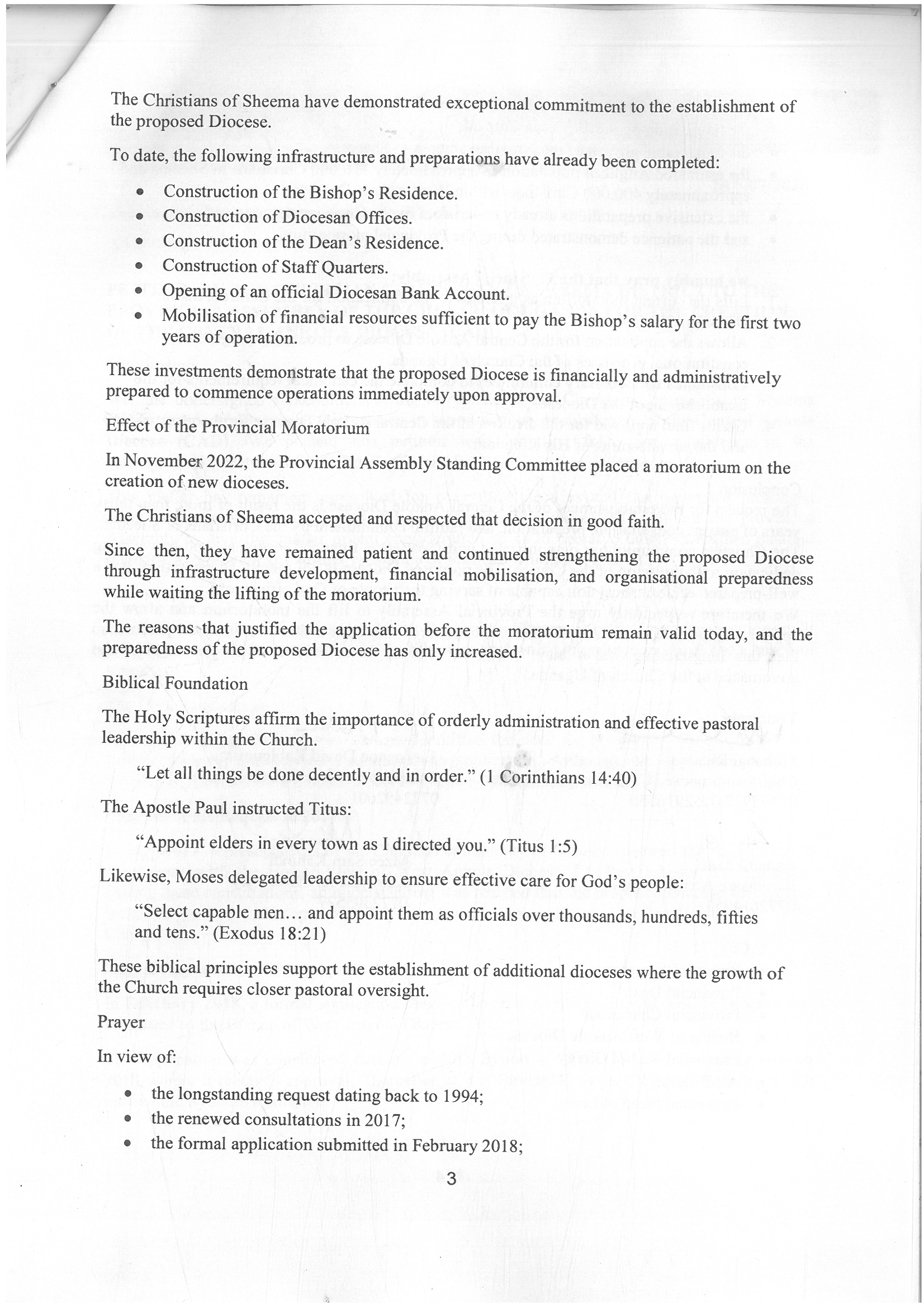
Among the completed projects listed are a fully constructed Bishop’s Residence, Diocesan Offices, Dean’s Residence, and Staff Quarters.
An official diocesan bank account has already been opened.
Even more remarkably, the petition states that Christians have mobilised enough financial resources to fully pay the salary of the future bishop for the first two years of operation.
The petitioners describe these achievements as clear proof that the proposed diocese is financially stable, administratively organised and capable of commencing work immediately once approval is granted.
The Christians also addressed a major obstacle standing in their way.
They reminded the Provincial Assembly that in November 2022, the Standing Committee imposed a moratorium on the creation of new dioceses across the Church of Uganda.
According to the petition, Christians in Sheema accepted that decision without protest and chose to remain patient.
Instead of abandoning the dream, they continued mobilising resources, constructing infrastructure and strengthening organisational systems while waiting for the suspension to be lifted.
The petition argues that nothing has changed to invalidate their request.
On the contrary, they say every reason that justified the application before the moratorium has become even stronger today.
To strengthen their case, the petition invokes several biblical teachings supporting orderly administration and decentralised church leadership.
The Christians quote 1 Corinthians 14:40, which commands believers to ensure that “all things be done decently and in order.”
They also cite Titus 1:5, where the Apostle Paul instructed Titus to appoint elders in every town.
Another scripture referenced is Exodus 18:21, where Moses delegated authority by appointing leaders over thousands, hundreds, fifties and tens to ensure effective governance among God’s people.
According to the petitioners, these biblical examples justify creating additional dioceses whenever church growth demands closer pastoral oversight.
Having outlined their historical, administrative and biblical arguments, the Christians conclude by making four specific requests to the Provincial Assembly.
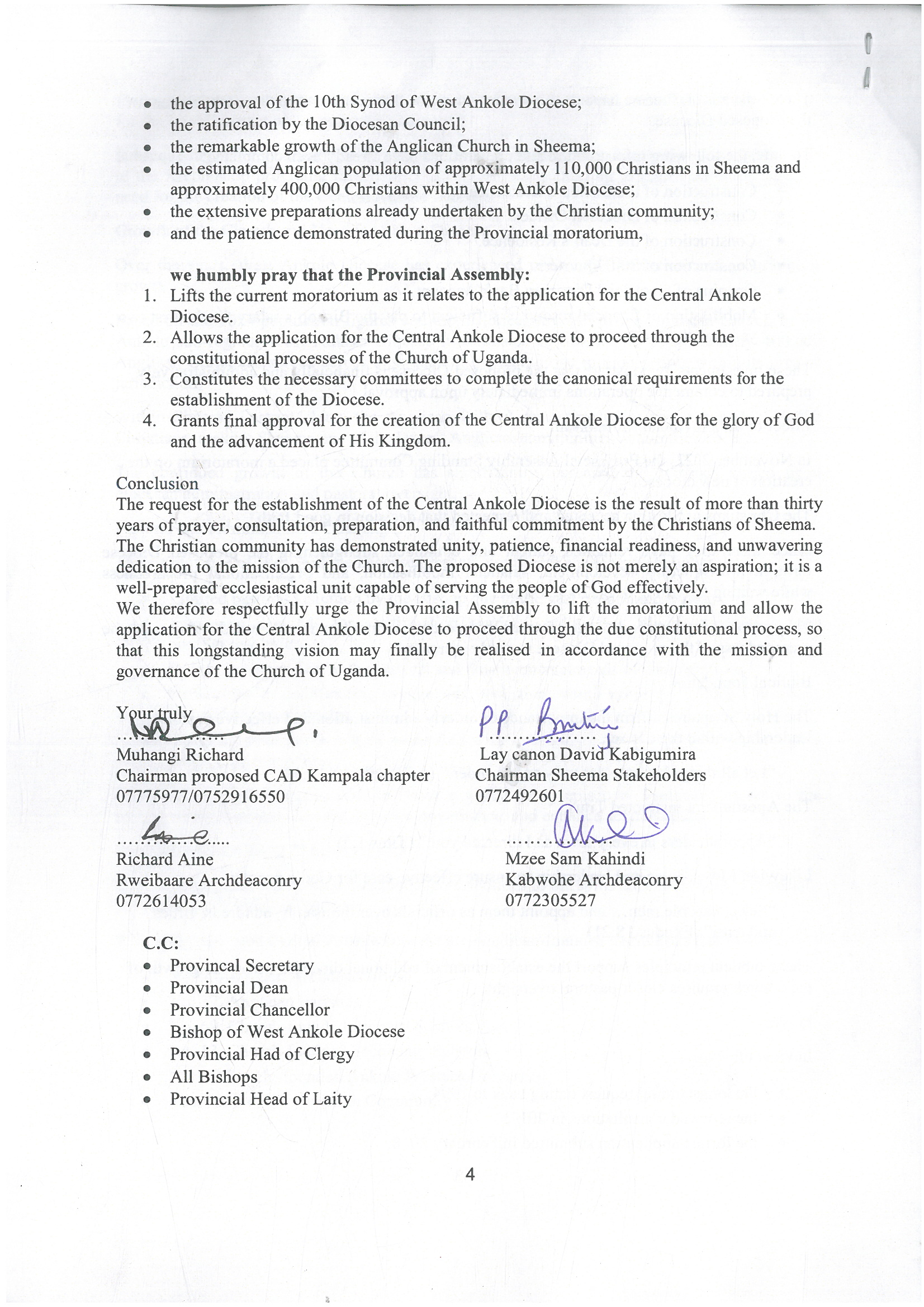
First, they ask the Assembly to lift the existing moratorium as far as the Central Ankole Diocese application is concerned.
Secondly, they want the application allowed to proceed through the constitutional procedures of the Church of Uganda.
Thirdly, they request the appointment of all necessary committees required to complete the canonical processes leading to the establishment of the new diocese.
Finally, they pray that the Provincial Assembly grants final approval for the creation of the Central Ankole Diocese “for the glory of God and the advancement of His Kingdom.”
The petition concludes by stating that the campaign for the Central Ankole Diocese represents more than three decades of prayer, consultation, preparation and unwavering commitment by Christians in Sheema.
It says the faithful have demonstrated unity, patience, financial preparedness and dedication to the Church’s mission, insisting that the proposed diocese is no longer just a dream but a fully prepared ecclesiastical unit waiting only for official approval.
The petition was signed by Muhangi Richard, Chairman of the Proposed Central Ankole Diocese Kampala Chapter; Lay Canon David Kabigumira, Chairman of the Sheema Stakeholders; Richard Aine of Rweibaare Archdeaconry; and Mzee Sam Kahindi of Kabwohe Archdeaconry.
Copies were also forwarded to the Provincial Secretary, Provincial Dean, Provincial Chancellor, Bishop of West Ankole Diocese, Provincial Head of Clergy, all Bishops and the Provincial Head of Laity as the campaign to secure Sheema’s long-awaited diocese gathers fresh momentum.
The Church of Uganda has been contacted for a comment.
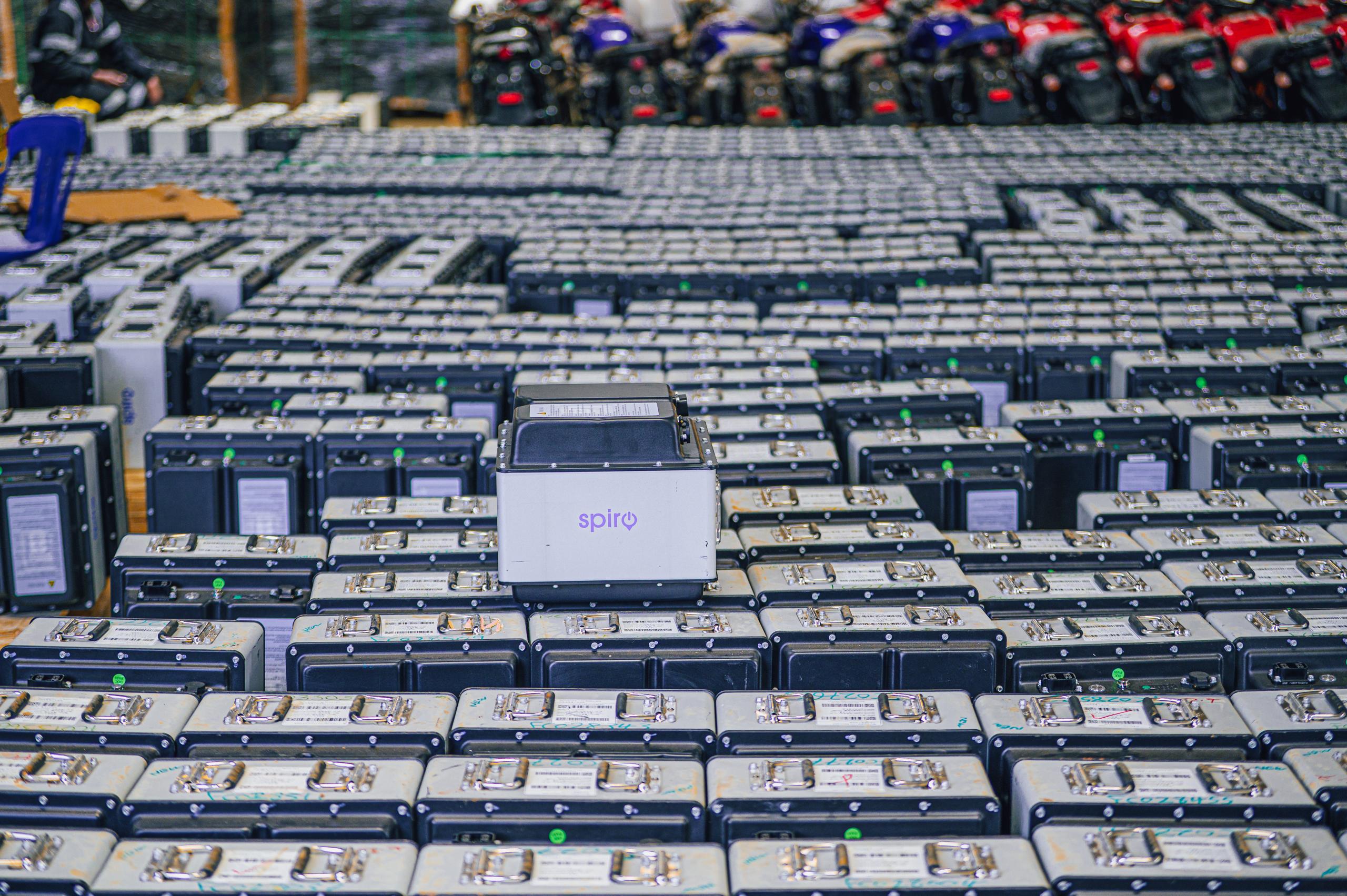
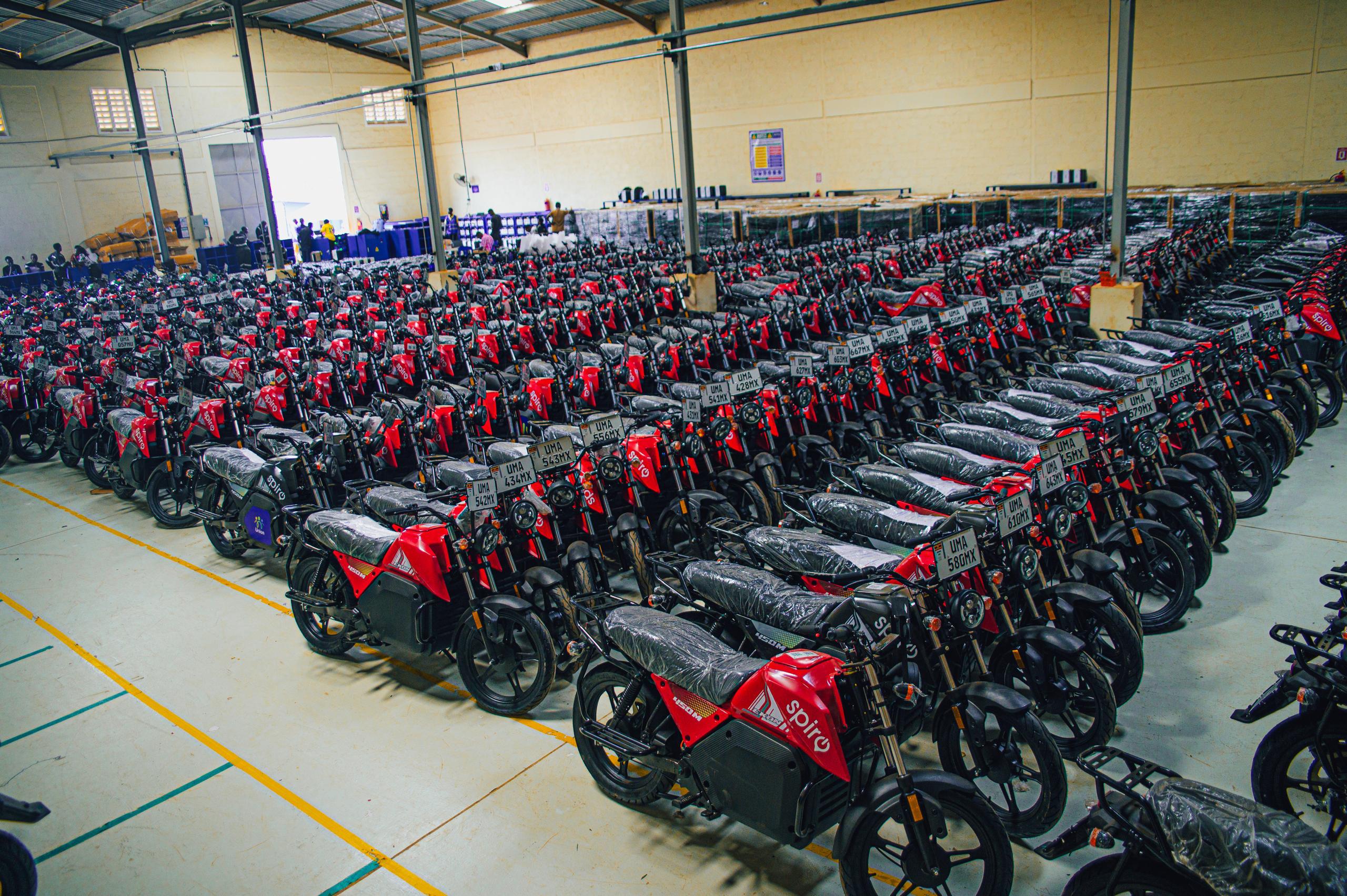
SPIRO, Africa’s leading electric mobility company, on Tuesday, July 21st, 2026 Dubai, UAE published its inaugural Sustainability Report.
The publication provides a comprehensive overview of the environmental, social and economic impact of its operations and aims at establishing a baseline, to track future progress on its path to scale clean transport infrastructure and affordable mobility solutions.
‘’Having grown up in India, I have witnessed firsthand the impact of vehicle emissions on public health and urban environments. At SPIRO, our responsibility as founders is not only to scale innovation, but to ensure that the systems we build endure economically, socially, and environmentally for generations to come,” said Gagan Gupta, Founder of SPIRO and Chairman of Equitane.
“This report reflects how far SPIRO has come—not only in terms of growth, but in our ability to measure and improve our impact. As we expand across Africa, sustainability will remain a core business driver, shaping how we invest, manufacture, innovate and partner for the long term,” highlighted Anant Badjatya, Group Chief Executive Officer, SPIRO.
By establishing our first comprehensive ESG baseline, including Scope 1, 2 and 3 emissions, we are creating the foundations needed to track progress, set measurable targets and strengthen transparency as SPIRO continues to scale across Africa. Sustainability is not a standalone initiative—it is integrated into how we operate, innovate and create long-term value,” said Imtinen Hamlaoui, Head of ESG and Sustainability.
Among key highlights : As part of its sustainability roadmap, SPIRO completed its first end-to-end greenhouse gas inventory, covering Scope 1, Scope 2 and Scope 3 emissions across its operations and value chain. Among others, operational efficiency measures taken last year delivered an estimated 15–25% reduction in energy use at assembly facilities, reinforcing SPIRO’s commitment to continuously improving energy efficiency and reducing the environmental footprint of its operations.
The report also outlines SPIRO’s long-term sustainability roadmap, including its ambition to achieve net-zero Scope 1 and Scope 2 emissions by 2040. As the company expands, its electric mobility ecosystem is projected to help avoid approximately 700,000 tonnes of CO₂ emissions annually by 2030. To further strengthen energy resilience and reduce grid dependency, SPIRO is evaluating the deployment of 80–125 KVA on-site solar solutions across selected battery-swapping stations, while smart energy management initiatives implemented at its assembly facilities have already delivered an estimated 15–25% reduction in energy consumption.
The report also highlights SPIRO’s growing investment in people and local capabilities. Through the Spiro Academy, the company trained more than 4,000 individuals across Africa in 2025 in areas including EV maintenance, battery management and technical operations. Initiatives such as Africa’s first women electric motorcycle assembly line further reinforce SPIRO’s commitment to skills development, workforce inclusion and local industrial growth.
Beyond environmental performance, the report underlines the growing economic benefits of electric mobility. Commercial riders using SPIRO motorcycles reduce operating costs by 70–80% compared with petrol-powered alternatives, while benefiting from lower maintenance costs and reduced exposure to fuel price volatility.
Spiro is Africa’s largest electric mobility company and operates the continent’s most extensive battery-swapping network for electric two-wheel vehicles. With more than 100,000 electric motorcycles on the road, over 2,500 swapping stations and more than 30 million battery swaps to date, Spiro is replacing expensive fossil-fuel transport with affordable, accessible and sustainable mobility solutions. Through its growing regional production and assembly footprint, Spiro is committed to building electric vehicles made in Africa by Africans for Africa and the world.
GOT A HOT STORY? LET US KNOW!
Got breaking news, explosive secrets, or hard evidence?
Vinícius Júnior is making headlines, but this time it is not for what he did on the football pitch.
The Real Madrid and Brazil winger has gone viral after appearing with a noticeably more defined jawline following the 2026 FIFA World Cup.
Fans quickly flooded social media with side-by-side photos, with many expressing surprise at the footballer’s new appearance.
Multiple Brazilian outlets reported that the 26-year-old recently underwent a chin harmonization procedure in Goiânia, a cosmetic treatment that enhances the shape of the chin and jawline.
However, Vinícius has not publicly addressed or confirmed the reports.
The reported transformation has divided opinion online. While some fans praised his refreshed look, others joked that he looked like a completely different person.
Whether intentional or not, Vinícius’ new appearance has become one of the most talked-about stories in football since the World Cup ended.
Seven miners have been rescued alive from the collapsed Mabuka gold mine in Namayingo District, bringing hope after a weekend tragedy that claimed at least five lives. Police in the Busoga East policing region on Tuesday concluded rescue operations at the mine, where dozens of miners were trapped after the underground shaft caved in, burying workers beneath mud and debris.
The rescued miners were taken to Masafu Hospital in Busia District for specialised treatment. They have been identified as Kevin Mitangi, Edwin Kiirya, Alpha Kayolo, Geoffrey Lubanga, Simon Wabwire, Aron Barigye and another critically injured survivor identified only as Geoffrey. By Monday evening, five bodies had been recovered from the mine and taken to Buyinja Health Centre IV mortuary for postmortem examinations.
According to police, about 20 people had entered the mine despite the absence of basic safety measures, including a proper oxygen supply system and protective equipment. Preliminary findings indicate that about eight miners managed to escape immediately after the collapse and fled the scene, while 12 were trapped approximately 120 feet underground.
Busoga East Regional Police Spokesperson Michael Kasadha said the rescued miners are steadily recovering and will record statements with police once they are discharged from the hospital. Kasadha revealed that the mine had previously been closed after the district security committee found serious safety deficiencies during an inspection. According to him, the operators had installed a makeshift oxygen system consisting of a modified plastic hosepipe and a temporary tank, which investigators considered inadequate and dangerous for underground mining.
He said when the mine collapsed to greater depths, the improvised oxygen system was destroyed, leaving the trapped miners without any source of breathable air. Kasadha warned members of the public against operating or working in unlicensed and unsafe gold mines, saying such activities continue to expose miners to fatal accidents. Police say investigations into the circumstances surrounding the collapse are ongoing.
GOT A HOT STORY? LET US KNOW!
Got breaking news, explosive secrets, or hard evidence?
Prospective medical interns are pressing government for answers on their welfare and on how the National Education and Training for Health (NETH) Policy will actually be implemented, with their scheduled August deployment now less than two weeks away.
The push for clarity comes as the Ministry of Health continues reviewing the NETH Policy following pushback from various stakeholders over how it is being rolled out. Speaking to journalists on 21st July 2026, representatives of the 2026/2027 medical pre-interns said they still have no communication on critical issues such as welfare facilitation, internship allowances, and deployment arrangements.
ADVERTISEMENT
Dr Silver Ssegonga, who spoke on behalf of the prospective interns, acknowledged that government has recognised the concerns and confirmed the policy is under review, but stressed that formal guidance on next steps is now urgent given how close deployment is.
“We request clarity on the way forward, particularly regarding welfare facilitation and internship arrangements,” Ssegonga said.
According to documents reviewed by New Vision, 2,290 medical doctors have already been allocated placements across 17 universities, with Kampala International University alone accounting for 578 of those allocations. Despite this, none of the allocated students currently knows what their allowance will actually be, with only about 10 days left before deployment begins.
The NETH Policy, introduced in 2025 by the Ministries of Health and Education and Sports, proposes broader reforms to how health professionals are trained, including changes to internship arrangements and welfare facilitation, provisions that have drawn concern from professional associations and prospective interns alike.
The Federation for Uganda Medical Interns (FUMI), which says it represents more than 2,000 medical doctors, dental surgeons, pharmacists, nurses, and midwives undertaking internships across 73 hospitals countrywide, is appealing to government to wrap up the review process in consultation with key stakeholders.
FUMI president Dr Jacob Mwadha said prospective interns remain willing to serve in any part of the country, including the most remote and difficult postings, but maintained that solid welfare support matters for effective service delivery. The federation wants government to issue a written statement clarifying the policy’s status, the welfare provisions planned for interns, and how any outstanding payment backlogs will be addressed before deployment begins. Among the interns’ proposals is a shift from quarterly to monthly allowance payments, to ease accommodation, transport, and meal costs during the internship year.
Dr Daniel Kirunda, another representative of the prospective interns, argued that getting welfare support sorted on time would let interns focus fully on patient care rather than worrying about logistics.
“Timely facilitation enables health workers to concentrate on service delivery and respond effectively to patients’ needs,” Kirunda said.
Kirunda added that interns are also seeking clarity on how a 2021 presidential directive that raised medical interns’ facilitation is being implemented, and want the current rates reviewed against today’s cost of living.
The interns point out that many public health facilities are already dealing with staffing shortages, making the timely deployment of this new cohort important for keeping services running. According to the group, getting all eligible interns deployed would help strengthen service delivery in regional referral hospitals and other public facilities, where interns typically support senior clinicians in patient management.
Medical internship is a mandatory one-year supervised training programme that doctors, dental surgeons, pharmacists, nurses, and midwives must complete after graduation before they can be fully registered by their respective professional councils.
Government leaders, including the Vice President, Prime Minister, and Minister of Health, have publicly confirmed that the NETH Policy is under review. The prospective interns say they remain hopeful the review will wrap up before August deployment, to allow a smooth transition for the new cohort and uninterrupted healthcare delivery across the country.
Nigerian music star 2Face has responded to speculation that he has reunited with his ex-wife, Annie Idibia.
Rumours began after a video showing the former couple dancing together at a nightclub circulated on social media. The clip quickly sparked reactions from fans, with many wondering if the pair had reconciled.
Annie was the first to address the rumours. In a post on her Instagram Stories, she dismissed the speculation and said the video was old.
Old videos circulating everywhere, false news everywhere!!! Believe everything u see on SM at ur expense!
2Face later echoed her statement by confirming that the circulating clip was not recent.
Abeg nah old video o.
The video surfaced about a year and a half after 2Face announced that he and Annie had ended their marriage.
Since then, both have largely kept their personal lives out of the spotlight, making the viral clip a topic of discussion among fans.
A long-running leadership dispute within the Inzu Ya Masaaba cultural institution has been resolved after parties to several court cases reached a consent judgment through mediation before the High Court in Mbale. The consent judgment, entered following a successful mediation process involving the disputing parties and their lawyers, settles multiple civil suits that had been filed over the leadership and governance of the Bugisu cultural institution.
The mediation panel comprised Justice Richard Buteera, Justice Prof. Andrew Khaukha, and Francis Atoke, the Solicitor General Emeritus, alongside Francis Ginara, President Emeritus of the Uganda Law Society. Under the agreement, the court affirmed that the cultural leader of Inzu Ya Masaaba is the Umukuuka We Bamasaba. The parties also agreed to restore the five-year rotational system of governance among the three traditional lineages of Wanale, Mubuya and Mwambu, a key issue that had been at the centre of the leadership wrangles.
As part of the settlement, the constitution of Inzu Ya Masaaba, as amended on April 29, 2011, will be reinstated. Any future amendments will undergo an extensive, consultative and inclusive process involving all key stakeholders before being submitted to the relevant body for adoption and subsequent gazettement by the Ministry of Gender, Labour and Social Development.
The consent judgment further allows Jude Mike Mudoma to complete his five-year term as Umukuuka, running from July 26, 2023, to July 25, 2028, after which leadership will be handed over to the Wanale lineage in line with the restored rotational arrangement. The agreement also brings an end to all pending court cases arising from the dispute, with the parties agreeing to withdraw all related suits and applications. Each side will bear its own legal costs.
The consent judgment resolves several cases that had been filed before the High Court, including suits brought by John Amram Wagabyalire, Masolo Yaya Gidudu Richard and another, Engineer Darlington Sakwa, and Umukuuka Jude Mike Mudoma, among others. The settlement is expected to pave the way for reconciliation within the Bamasaba cultural institution after years of litigation over the institution’s leadership and governance.
GOT A HOT STORY? LET US KNOW!
Got breaking news, explosive secrets, or hard evidence?