Music producer D’Mario has opened up about his decision to part ways with rapper Feffe Bussi and his record label, FBM, saying the move was necessary for his personal growth and career development.
According to D’Mario, he wanted to establish his own brand, expand his career, and explore new opportunities after feeling limited while working under the FBM setup.
We parted ways with Feffe Bussi so that I could establish myself, grow, and pursue other opportunities. I felt limited.
The producer further revealed that his association with a single artist’s studio made it difficult for other musicians to comfortably work with him.
He noted that some artists feared their music projects could be leaked or were simply uncomfortable recording in a studio closely linked to another artist.
It felt like I was working for only one artist, yet previously I had worked with many different people. The environment couldn’t accommodate everyone all the time. Sometimes artists felt insecure recording with a producer who works from a particular artist’s studio.
D’Mario disclosed that he spent one and a half years working with Feffe Bussi under FBM before deciding it was time to return to operating independently.
He also announced that he is now launching his own production house, Cyber Unit, marking the beginning of a new chapter in his career.
“We worked together under FBM for one and a half years. Now I’m going to run my own Cyber Unit. We had joined forces so people could easily access us, but now it’s time for me to build my own path.”
Burna Boy has added another record to his growing list of achievements after becoming the first African artist to surpass 50 million monthly listeners on Spotify.
The milestone places the Grammy-winning Nigerian singer in the company of some of the world’s biggest music stars and highlights the growing global influence of Afrobeats.
The surge in listeners follows a string of high-profile releases and international collaborations that have expanded Burna Boy’s audience far beyond Africa. His recent World Cup anthem “Dai Dai” with Shakira, along with his extensive catalogue of global hits, has helped drive his monthly audience to a historic high.
For years, Burna Boy has remained one of Africa’s most-streamed artists, but crossing the 50 million mark takes him into uncharted territory.
No African artist had reached that milestone on Spotify before now, making the achievement another landmark moment for both Burna Boy and the continent’s music industry.
The record also reflects the remarkable international growth of Afrobeats over the past decade. Once regarded as a regional genre, African music now commands audiences across Europe, North America, Asia and Latin America, with Burna Boy among the artists leading that global expansion.
From sold-out stadium tours and Grammy success to chart-topping albums and streaming records, Burna Boy has consistently pushed African music onto the world’s biggest stages.
His latest Spotify milestone adds another chapter to that journey, further cementing his place among the most influential artists of his generation and setting a new benchmark for African musicians on the global streaming platform.
Uganda’s Embassy in the United Arab Emirates has landed in fresh trouble after the Auditor General exposed glaring weaknesses in the management of President Yoweri Museveni’s special fund meant to uplift Ugandan businesses in Dubai, raising serious questions about accountability under Ambassador H.E. Zaake Kibedi and his deputy Aisa Ismail.
The findings, contained in the Auditor General’s report for the financial year ending December 2025, paint a picture of an embassy that is failing to properly manage one of the government’s flagship diaspora empowerment initiatives, leaving taxpayers’ money at risk while the intended beneficiaries continue operating without effective oversight.
Although the Embassy received an unqualified audit opinion and utilised its entire approved budget of UGX 22.571 billion, auditors unearthed worrying shortcomings in planning, governance and the administration of the Presidential Fund for Ugandan Small and Medium Enterprises (SMEs) in Dubai.
The report reveals that the Embassy did not conduct an end-of-strategy assessment for its previous strategic plan. Even more worrying, by the time auditors visited in October 2025, the mission had no approved strategic plan covering the period from 2025/2026 to 2030/2031, leaving the mission operating without an approved roadmap for its future activities.
However, it is the management of the Presidential Fund for Ugandan entrepreneurs in the UAE that has triggered the biggest concerns.
The Auditor General established that beneficiaries of the fund were selected without any documented criteria, making it impossible to determine whether the recipients were chosen fairly or deserved government support.
The audit further found that the entire intervention lacked clearly defined accountability structures, creating uncertainty over who is responsible for supervising the programme and ensuring that public money was safeguarded.
Even more alarming, beneficiaries who received the money are not repaying their loans, despite having signed Memoranda of Understanding committing them to refund the funds within the agreed timelines.
The Presidential Fund was introduced in 2022 after President Museveni donated US$100,000 to support Ugandan-owned Small and Medium Enterprises operating in the UAE.
Under the arrangement, qualifying businesses were to receive interest-free loans of AED 20,000, repayable within one year, to expand their enterprises, create jobs, boost exports to the UAE, increase remittances back home and strengthen Uganda’s economic footprint in one of the world’s fastest-growing business hubs.
The initiative was also intended to benefit Uganda’s rapidly growing diaspora community in the UAE, now estimated at about 160,000 Ugandans, many of whom work in hospitality, security, construction, domestic work, trade and other businesses that contribute significantly to both the Ugandan and UAE economies.
The President had envisioned the revolving fund as a sustainable empowerment programme where beneficiaries would repay the loans, allowing more Ugandans to access the same support. Instead, the Auditor General found that repayments are not being made as agreed, threatening the long-term sustainability of the initiative.
The report further questions the governance arrangements surrounding the fund, noting that the nature of the intervention and its accountability centres were not well defined, exposing the programme to weak oversight and possible abuse.
The spotlight is now firmly on the Embassy’s leadership to account for the management of the fund and address the governance weaknesses identified by the country’s supreme audit institution.
UAE embassy officials have been contacted for a comment.
GOT A HOT STORY? LET US KNOW!
Got breaking news, explosive secrets, or hard evidence?
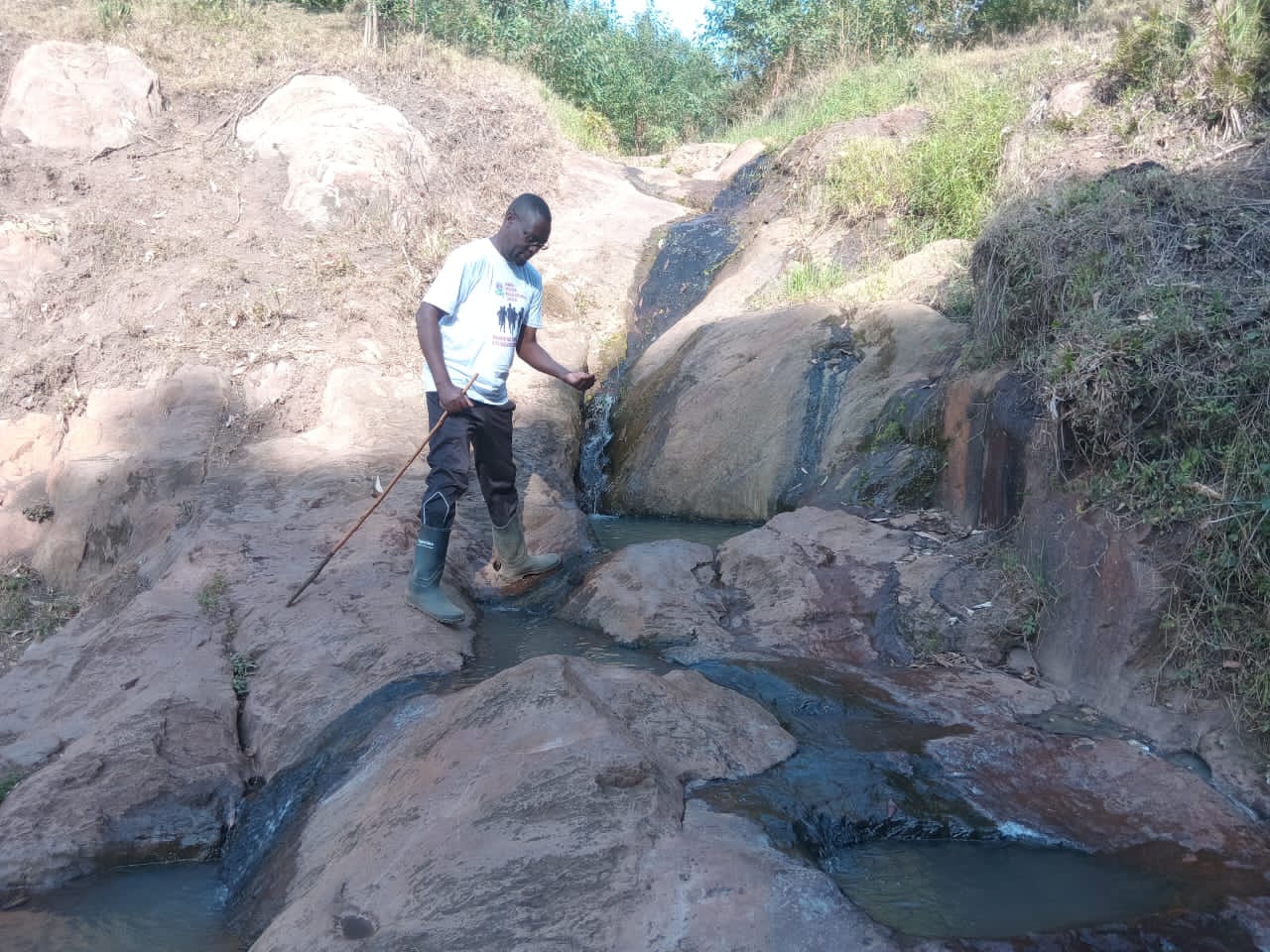
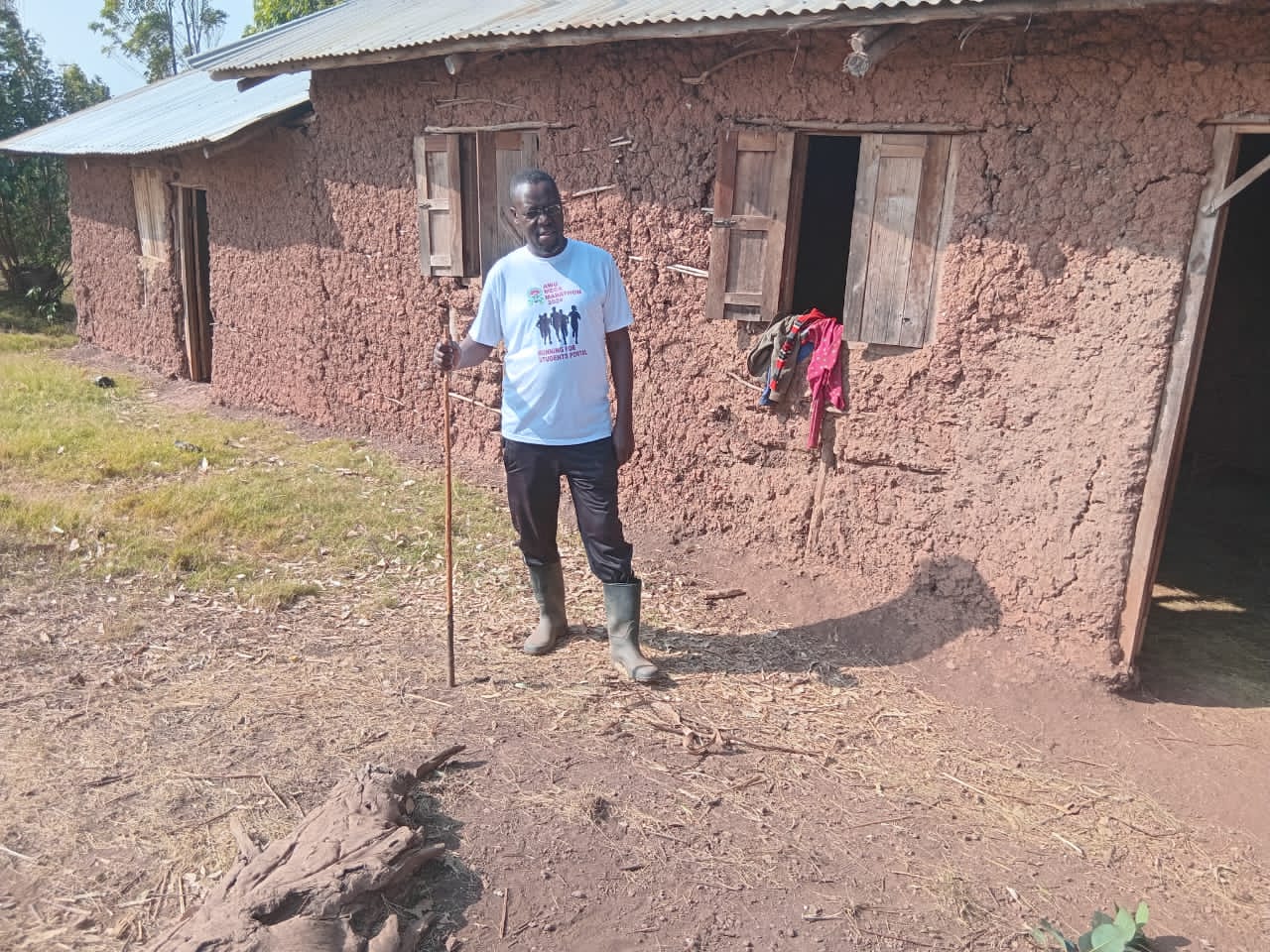
SHEEMA: Former Sheema County South MP aspirant and veteran journalist Johnson Musinguzi Byarabaha has sounded the alarm after discovering what he described as one of the most neglected schools in Sheema District—a tiny pre-school perched high on the breathtaking Muhito Hills.
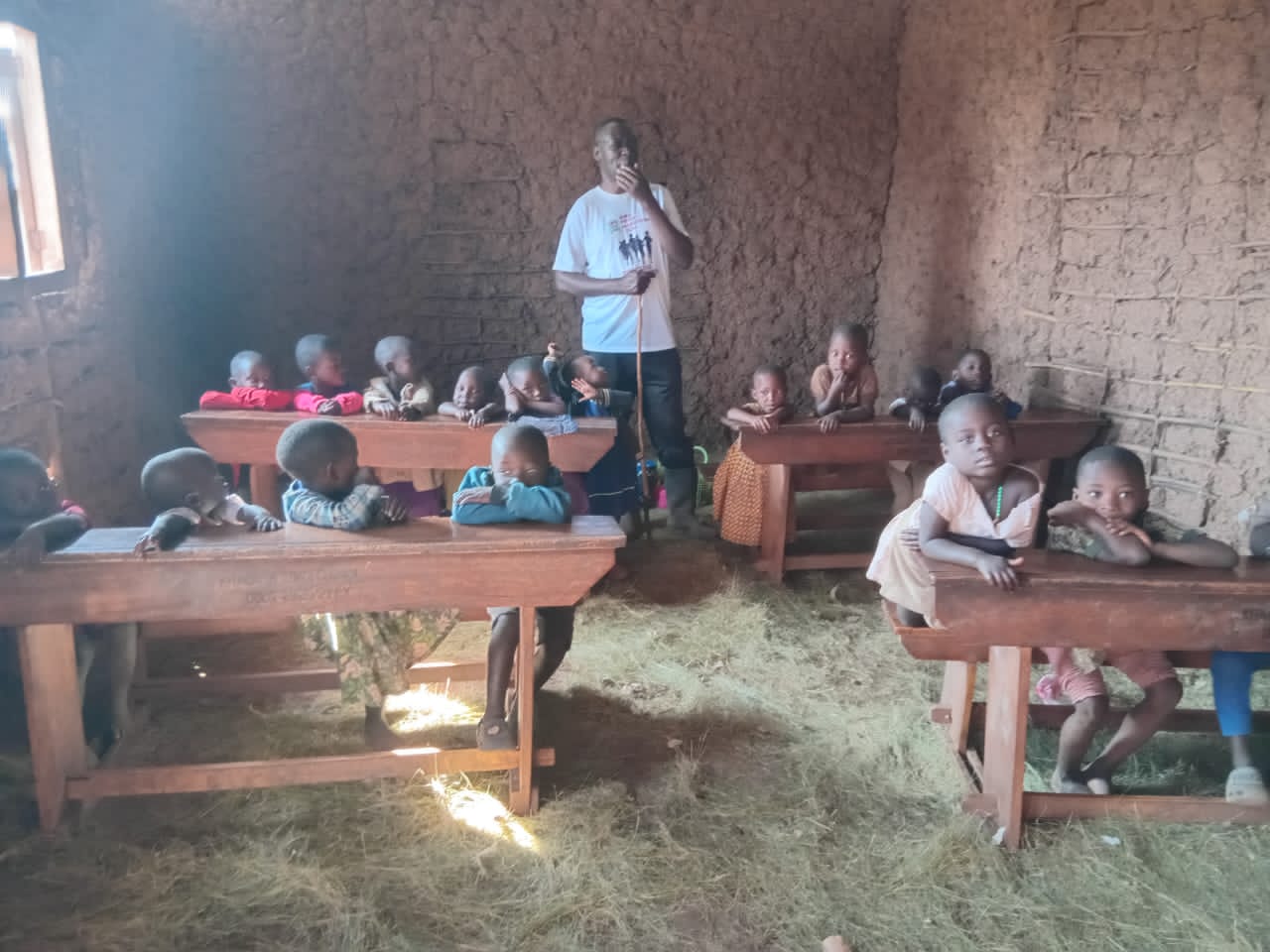
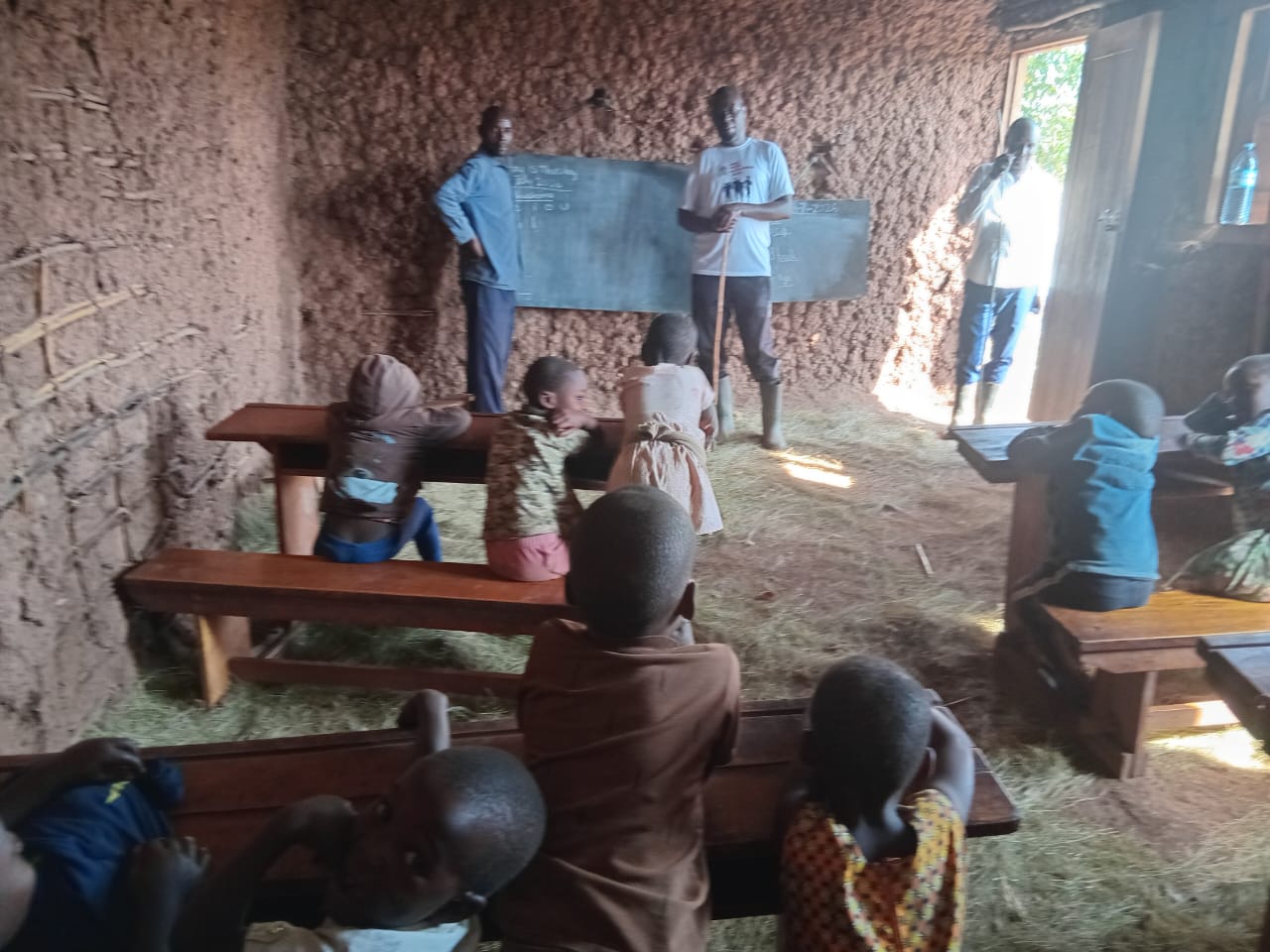
Byarabaha, who trekked up the famous hills on Thursday, said he was left heartbroken after finding Bihanda Pre-school operating under extremely difficult conditions despite serving children from an entire LC 1 village.
Located in Muhito South Ward, Kitagata Town Council, the school sits nearly 1,500 metres above sea level on the scenic Muhito Hills, a popular tourist destination overlooking the rolling valleys of Sheema and situated only a few kilometres from the famous Kitagata Hot Springs.
But behind the stunning scenery lies a painful reality.
Byarabaha climbing Muhito hills
The school reportedly has only one teacher, pupils have no uniforms, there is no suitable toilet, and learning takes place under conditions that Byarabaha says no child deserves.
“I scaled Muhito Hills and found a pre-school called Bihanda at the top of the hill. It has only one teacher. The children have no uniforms, and I didn’t even see a befitting toilet,” Byarabaha said.
He learnt that after completing pre-school, only the few children who can manage the difficult daily journey down the steep hills continue their education at Rwemihingo Primary School, leaving many others with no realistic chance of progressing.
“After pre-school, those who are able slope down to Rwemihingo Primary School for further studies. This is an entire LC, yet many children simply drop out after pre-school because of the distance and the difficult terrain,” he said.
Muhito Pre-School
The former parliamentary aspirant described the situation as unacceptable, saying children living in hard-to-reach communities deserve the same educational opportunities as those elsewhere in the country.
Byarabaha has now launched a public appeal to well-wishers, companies and development partners to rescue the forgotten school.
“I have appealed to well-wishers to help this school. At the very least, we need to construct two proper classrooms so these children can learn in a safe and dignified environment,” he said.
He specifically challenged telecommunications companies operating in the area to give back to the community through corporate social responsibility initiatives.
“I particularly call upon telecom companies such as Airtel, MTN and tower providers like American Tower Corporation (ATC) which already have masts in the area, to support these children. This is an opportunity to transform lives by investing in education.”
Residents say the hilltop community has for years struggled with poor access to essential services, leaving education among the biggest casualties.
Ironically, while Muhito Hills continue attracting hikers, cyclists and tourists eager to enjoy panoramic views and spectacular sunsets, the children living on the same hills remain trapped by poverty and limited access to education.
Byarabaha says no child should be forced to abandon education simply because they were born on top of a hill. He hopes his appeal will inspire government agencies, NGOs and private companies to intervene before another generation is lost to school dropouts.
GOT A HOT STORY? LET US KNOW!
Got breaking news, explosive secrets, or hard evidence?
Bebe Cool is once again making headlines after acquiring a lavish multi-billion-shilling mansion for his sweetheart, Zuena Kirema, in the prestigious Bwebajja neighbourhood along Entebbe Road.
The news gained momentum after Zuena took to social media to share photos of the stunning property, accompanied by a heartfelt message that read: “Alhamdulillah. Thank you Allah. Thank you Mwami Ssali.” The post immediately attracted thousands of congratulatory messages from fans, friends and fellow celebrities, many interpreting it as confirmation that the family had secured a new home.
Information obtained by our team indicates that the luxury residence sits atop one of Bwebajja’s scenic hills in Wakiso District and is valued at around $1 million (approximately Shs4.47 billion). However, some property listings place its market value closer to $1.2 million, making it one of the area’s most impressive residential homes.
Built on 50 decimals of private Mailo land with a ready land title, the mansion boasts 16 bedrooms and 16 bathrooms, offering ample space and comfort. It also features a custom-designed swimming pool complete with a diving platform, expansive outdoor entertainment areas, beautifully manicured gardens, and breathtaking panoramic views stretching across the surrounding hills and parts of Lake Victoria.
The home is fitted with modern luxury amenities, including full air conditioning, built-in wardrobes in every bedroom, a private home office, servant’s quarters, a spacious storage room, electronic gates, a perimeter wall, an advanced security alarm system, and generous parking space.
Although Bebe Cool and Zuena have not publicly confirmed the property’s purchase price, Zuena’s celebratory social media post has fueled widespread speculation that the couple has officially moved into their latest investment.
The reported acquisition further cements Bebe Cool’s reputation as one of Uganda’s most successful entertainers, with years of musical success complemented by strategic investments and a growing portfolio of high-value assets.
Enock Mugabi aka iWitness is a Journalist, Seasoned Writer and Music Analyst with a passion for sports. Connect with him on social media using the links below in bio.
Ugandan socialite Nnalongo Sheila Don Zella has candidly revealed that she is searching for a life partner, saying her greatest desire is to find a genuine companion rather than someone with wealth.
Speaking openly, Don Zella explained that she is looking for someone who is compatible with her and emotionally intelligent enough to support her through difficult moments.
Truth be told, I’m searching for a companion to settle with. I need someone compatible with me, and it’s not all about having money. I just need a person who is smarter. If I’m down, that person should be able to pull me out of those sad moments.
She stressed that her search has nothing to do with physical intimacy, insisting that what she truly longs for is emotional companionship.
I’m not looking for sex because there are many ways I can get that. What I’m looking for is a companion. Sometimes we even pay just to watch and experience mental excitement.
Just like how I walk into a bar, buy drinks for my friends without sipping any of them—that alone makes me happy. That’s satisfaction for my mental health.
Away from her personal life, Don Zella also announced that she is reclaiming ownership of her music and seeking compensation for the work she invested in developing artists during her time in the entertainment industry.
She revealed that she intends to claim royalties from individuals who uploaded her music to various streaming platforms without her involvement.
She also believes she deserves a share of the earnings from artists she helped build by funding studio sessions, promoting their music, and contributing to their branding.
“I’m also back to claim my music from those who uploaded it to different music streaming platforms. And to everyone I supported in their music journey—from promotions to taking you to the studio and facilitating your recordings—I want my percentage. Jeff Kiwa did it, and I think I should do it as well. That’s the money I should be enjoying and spending in my free time. It was profit and the reward for my knowledge. I was a very smart woman who knew how to brand artists.”
Spice Diana has shared her excitement as the 2026 FIFA World Cup continues, revealing that she’s supporting England throughout the tournament.
Spice Diana made the remarks during an interview on Sanyuka TV’s Uncut, where she also opened up about how she became an Arsenal fan.
According to Spice Diana, England is the national team she is rooting for to lift the World Cup trophy. She said her attention is fully on the Three Lions as football fans around the world eagerly follow the tournament.
She also explained that becoming an Arsenal supporter was not an instant decision. She revealed that after visiting the Emirates Stadium, she enjoyed the experience so much that she shared photos on social media.
The overwhelming response from Arsenal supporters, including what she described as her most-liked post with over two million likes, convinced her to fully embrace the club.
I am for England and it’s where my attention is. As for supporting Arsenal, it took me time to decide but when I went to the Emirates and I enjoyed it so I posted and the fans loved it and that’s my post liked post with 2 million likes and I decided that’s my team and I won’t change.
She went on to praise Arsenal’s fanbase, describing it as a community built on genuine love and loyalty. “It is even a winning team regardless,” she added, reaffirming her commitment to the North London club.
Catch all the remaining tournament matches live, comprehensive pre- and post-match coverage, exclusive magazine programming, and a world-class line-up of international football legends on DStv. #EverythingCanWait
Spice Diana has revealed that although she recently accepted Shs1.4 million in royalty payments from the Uganda Performing Rights Society (UPRS), she remains dissatisfied with the amount, insisting it does not reflect the value of her music over the past two years.
Speaking during an interview on Sanyuka TV, the singer recalled that the first royalty payment she ever received from UPRS was Shs20,000, which she returned because she felt insulted by the amount.
However, she admitted that when the recent payment of Shs1.4 million arrived, she decided to accept it, saying she needed the money at the time despite still believing it was unfair.
I didn’t return this one because for the first one, which was Shs20,000, I felt disrespected. But with the Shs1.4 million, that day I needed money and I said I won’t get petty and I took it. But I wasn’t satisfied because I don’t feel like that’s what I have made for the last two years.
Her remarks come amid growing criticism of UPRS from local musicians. Recently, Weasel Manizo announced that he had cut ties with the royalties collection body after reportedly receiving Shs250,000 for the Goodlyfe music catalogue covering the past 18 months.
Despite her frustrations with UPRS, Spice Diana remains focused on expanding her music career beyond Uganda.
She revealed that she has already recorded several international collaborations with artists from Nigeria, Zimbabwe, and other countries, but explained that scheduling conflicts and coordinating video shoots abroad have delayed their release.
There are other factors like the other artist having their own plans and also having to travel to other countries to do the videos.
But before this year ends, I hope to drop a very nice collaboration. I have recorded projects already, but time is the problem. I have lots of them with Nigerians, Zimbabweans, and others.
The last time I received money from UPRS, I got 20K, which I returned. The most recent payment I received was 1.4M, and I did not return it because I needed the money. I did not feel like that amount represented everything I had earned over the past two years. – Spice Diana SanyukaUnCut SanyukaUpdates FfeBannoDdala
Singer Diana Nalubega has dismissed the long-held belief in the music industry that marriage marks the end of a female artist’s career, describing it as nothing more than a myth.
Speaking about her own journey, Diana explained that marriage and motherhood only become obstacles if an artist allows them to.
She believes that a supportive partner and clear personal goals make it possible for women to balance family life with a successful music career.
Marriage doesn’t stop a musician who knows what they want from pursuing their career, especially when their spouse is supportive.
Even pregnancy shouldn’t be seen as the end. These days, artists give birth and continue with their work. That’s not what caused me to take a break from music.
The singer clarified that her absence from the music scene was never planned. Instead, life simply took a different turn.
I didn’t intend to take a break from music. It just happened. Somehow, I lost steam, and my other responsibilities took up more of my attention. But it wasn’t intentional.
Diana also addressed the growing attention her daughter has been receiving on social media, especially after appearing in some of her TikTok videos.
She explained that she has never deliberately tried to introduce her daughter to the music industry.
According to the singer, many people mistake her daughter for her younger sister because she became a mother at a very young age.
I gave birth to my child when I was still in Senior Four. Most people think she’s my sister, but she’s actually my daughter.
Diana further revealed that she stayed with her child’s father until their daughter was two years old before he abandoned his parental responsibilities.
She said she single-handedly raised her daughter and admitted that the emotional trauma she experienced after being left to parent alone made her hesitant to have another child for many years.
Ghana has secured offtake commitments from buyers in the United Arab Emirates and Saudi Arabia for semi-finished cocoa products, opening a new Gulf route for Africa’s second-largest cocoa producer as it seeks to shift more export earnings from raw beans to processed cocoa in a global cocoa market projected to reach $26.2 billion by 2035.
The agreements, signed on July 7, 2026, cover cocoa liquor, cocoa butter, cocoa cake and cocoa powder, according to Cocoa Marketing Company Ghana Limited.
However, the company did not disclose the value of the deals, the agreed volumes, or the share of Gulf demand that Ghana is expected to supply.
According to CMC, the commitments followed engagements led by its Managing Director, Dr Wisdom Dogbey, as the company works to diversify Ghana’s cocoa export destinations and strengthen its position in the global cocoa value chain.
Deal Comes As Cocoa Market Faces Pressure
The deal comes as Ghana and Ivory Coast, which together produce about half of the world’s cocoa, face pressure from volatile prices, weaker demand from chocolate makers, crop disease, ageing trees, illegal mining and payment delays to farmers.
In Ghana, the pressure has been particularly visible in 2026 after global buyers slowed purchases, leaving about 50,000 tonnes of beans unsold.
The country also cut its fixed farmgate price earlier in the year, underlining the strain on a sector that accounts for about 15 percent of national export revenue, even as cocoa paste remained Ghana’s single largest export earner in 2025, generating $789.3 million.
Against that backdrop, the Gulf commitments give Ghana a clearer outlet for processed cocoa at a time when the government is seeking to raise local processing to at least 50 percent of production.
Dubai Seeks A Bigger Cocoa Role
In the UAE, the deal aligns with Dubai’s plan to expand from commodity trading into cocoa processing, storage, financing and distribution, as global demand shifts towards higher-value cocoa and chocolate products.
The Dubai Multi Commodities Centre, or DMCC, recently launched a Cacao Centre to tap into a global cocoa market projected to grow from about $16.6 billion in 2025 to $26.2 billion by 2035.
The premium chocolate segment, driven by single-origin products, artisanal offerings and health-conscious formats, is also expected to expand from $31.9 billion in 2024 to $40.6 billion by 2030.
Although Dubai’s cocoa trade remains relatively small, the market is gaining momentum, with the UAE importing $17.3 million worth of raw cocoa beans and $65.3 million worth of finished chocolate and cocoa products in 2023, while raw cocoa bean exports reached $16.4 million, making the country the world’s 28th-largest exporter.
For Dubai, Ghana’s semi-finished cocoa products offer a direct link to West African supply, while supporting its ambition to connect producers with processors, traders and food companies across the Middle East and Asia.
Saudi Arabia Targets Cocoa Inputs
Saudi Arabia offers Ghana a separate market opportunity, as the kingdom imports limited volumes of raw cocoa beans but buys large quantities of cocoa-based preparations for its food manufacturing industry.
In 2024, Saudi Arabia imported only about $200,400 worth of raw cocoa beans, equal to 24,892kg. By contrast, its imports of cocoa and cocoa preparations reached $701.4 million in the same year.
That gap makes Ghana’s cocoa liquor, butter, cake and powder more relevant to Saudi processors, which need cocoa inputs for confectionery, beverages, bakery products, packaged foods and industrial cocolate.
Saudi Arabia’s cocoa products and industrial chocolate market was valued at $530.08 million in 2025 and is projected to reach $995.03 million by 2035, while its wider chocolate market is expected to grow from $1.32 billion in 2025 to $1.98 billion by 2032.
Africa’s Value-Chain Test
The latest commitments also signal Ghana’s effort to widen its cocoa markets beyond traditional Western buyers and towards higher-income Gulf economies in the Middle East.
CMC said the deals support Ghana’s plan to reposition its cocoa industry from a raw commodity supplier to a processor of higher-value exports, while improving factory utilisation, widening the country’s buyer base and helping it retain more earnings from the global chocolate value chain.
The commitments also give Gulf markets a more direct supply link to one of the world’s leading cocoa-producing regions.
GOT A HOT STORY? LET US KNOW!
Got breaking news, explosive secrets, or hard evidence?