Author: admin

  • Inside MP Enos Asiimwe’s Hotel attack: What exactly happened

    Inside MP Enos Asiimwe’s Hotel attack: What exactly happened

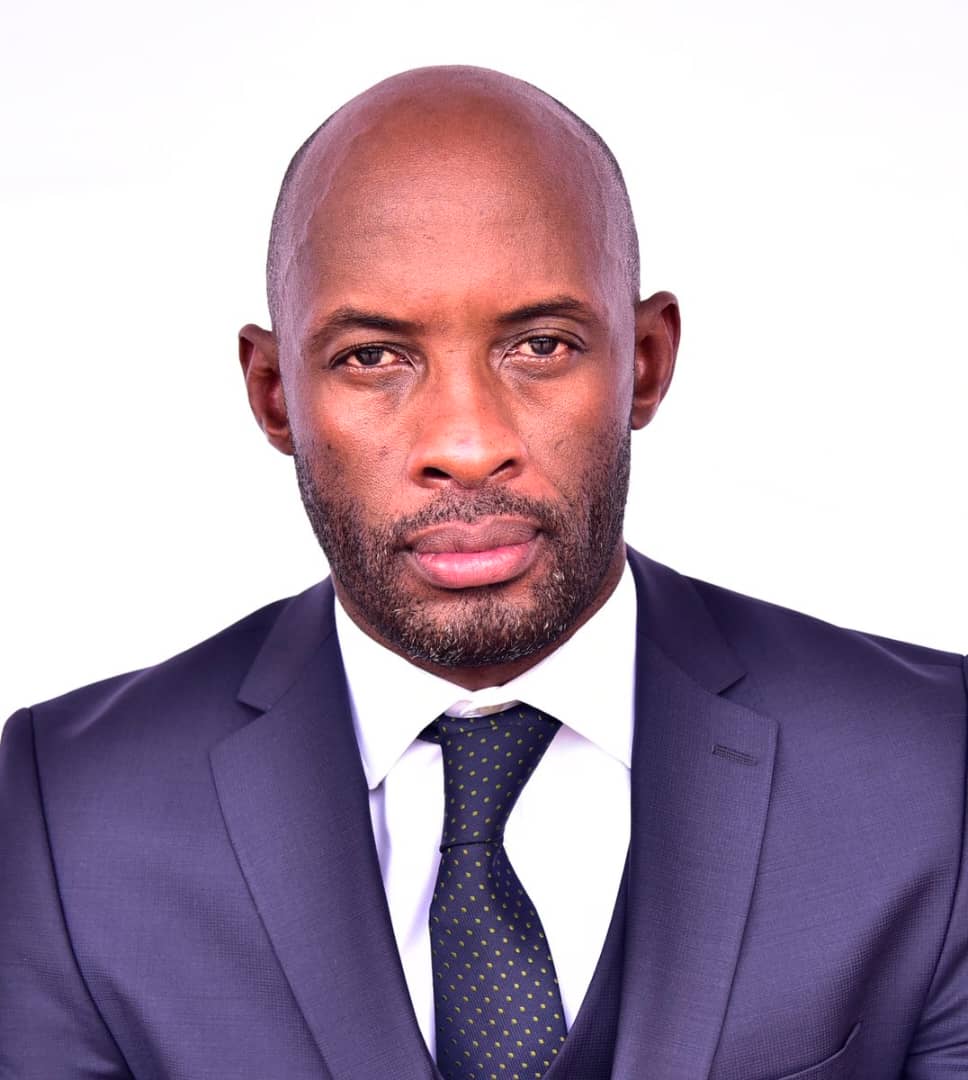
    The tensions are high in Lyantonde! The community, security, and all agencies within the District are on high alert, “with a major role of preventing a March 15th-like incident from reoccurring.” A member of Parliament representing the people of Kabula county, Hon. Enos Asiimwe, was attacked on the fateful night of March 15th, 2026, at Courtyard, an upscale residence within Lyantonde, with an intent to end his life. Seven people, including hotel staff, the gunman, and other suspects, were apprehended and remain under detention in Lyantonde District as interrogations continue.

    A number of highly placed sources within the security fabric linked the attack to lapses at the Hotel, high political tensions, and individual conflicts, among other things. Sources say there have also been a number of changes in statements made by the arrested suspects, including Kevin Obulejo Madrua, the receptionist at the Hotel. According to security sources, the receptionist confessed to having been part of the wider attack with an intent to rob the MP, who has long been a client at the Hotel.

    Obulejo, who has worked at the hotel for more than a year, has been close to hotel owner Justus Kyabahwa and has also been the first point of interaction while serving clients, including Hon. Enos Asiimwe. While the claim remains the official statement, there are many unanswered questions about why someone who holds custody of all spare keys to rooms at the Hotel would choose to use machetes and guns to steal from a person whose entry and exit to the hotel room were solely in his hands, with master keys to his room “and could steal with ease each time the occupant of the room remained away,” one of the security officers in Lyantonde told this website.

    It has also been established that while the Hotel has cameras within, the control of such cameras solely remains in the hands of the Hotel owner, Justus Kyabahwa. The camera inside the hotel had earlier short-circuited, rendering them dysfunctional, save for those outside the hotel that helped security ascertain the time the suspected assailant entered the area.

    “That actually makes the hotel owner a candidate for interrogation. Of all days, why would cameras be dysfunctional on the same day the attack was planned?” a security source told this website.

    _How the attack happened_
    Well, as several accounts suggest different tales, it has been established that the attacker, who held a rifle, staged close to Hon. Enos Asiimwe’s room on the first floor of the guest rooms at the hotel. “Actually, in one of the accounts, the attacker is said to have heard Enos (Hon. Enos) open his door and also opened his, moved to attack. Luckily, the MP realized immediately, closed his door, and when the attacker used the gun he held to force entry, Hon. Enos jumped off the 1st floor instantly, leaving him with a compound fracture,” one of the Hotel staff told this website.

    Hon. Enos Asiimwe was later taken to Hospital in Kampala and later flown to Nairobi, Kenya, for further advanced treatment. Sources from the police investigations team in Lyantonde suggest the attacker allegedly claims he was only hired to finish the job (kill Hon. Enos), leaving questions like: Who hired him? Why did they hire him? When did they plan? Where are they?

    While our highly placed sources within the police refuse to answer the questions, it has been established that the attacker recently worked under Magnum Security Services at Col. Fred Rukundo’s farm, just annexed to the farm of hotel owner Justus Kyabahwa. It is also alleged that they two have not lost contact ever since.

    “It however doesn’t necessarily mean the attack was planned by them,” the source told this website.

    Hon. Asiimwe has served Lyantonde for the past five years as Member of Parliament representing the people of Kabula County. He is not known in any shoddy dealings save for a few real estate investments and agriculture, away from his legislatorial duties.

    It has also been established that each time the MP books for the Hotel, he either uses VISA Cards or Mobile Money. “There is no way Hotel workers would know he had money with him or not,” a hotel source said.

    He, however, has faced a number of outbursts from political opponents from within and out of his camp. In a District with one County MP, Woman MP, and a District chairperson, his support directly affects or effects proposition or opposition to a number of political contestants.

    While the withdrawal of Achilles Kawooya from the Kabula County MP race in 2026 left ground fertile for Hon. Asiimwe to win the recent MP race, new entrants joined the race with support from those opposing Asiimwe’s retention of the seat.

    “I believe those opposed to Enos Asiimwe’s candidature are deeply grounded and can have a direct impact on the elimination of a candidate. We have witnessed such things happening to opponents and cannot rule that out. We only pray the MP can return and offer guidance on what exactly happened. The Political terrain now seems very risky for the people of Lyantonde,” one of the Political leaders who asked not to be named due to the sensitivity of the matter told this website.

    In his maiden communication upon reaching Hospital, Hon. Enos Asiimwe said, the attack will not stop his drive for a better Lyantonde. “I am grateful to be alive, and I trust the police will bring the culprits to justice.”

    The Resident District Commissioner for Lyantonde, David Nkojjo, in his Easter Communication to the people of Lyantonde, said security is on high alert within the area to prevent any such incident from happening again.

    Do you have a story in your community or an opinion to share with us: Email us at Submit an Article
  • More details emerge about Ggaba school attack as suspect and victims are identified, police say he visited days earlier seeking admission

    More details emerge about Ggaba school attack as suspect and victims are identified, police say he visited days earlier seeking admission

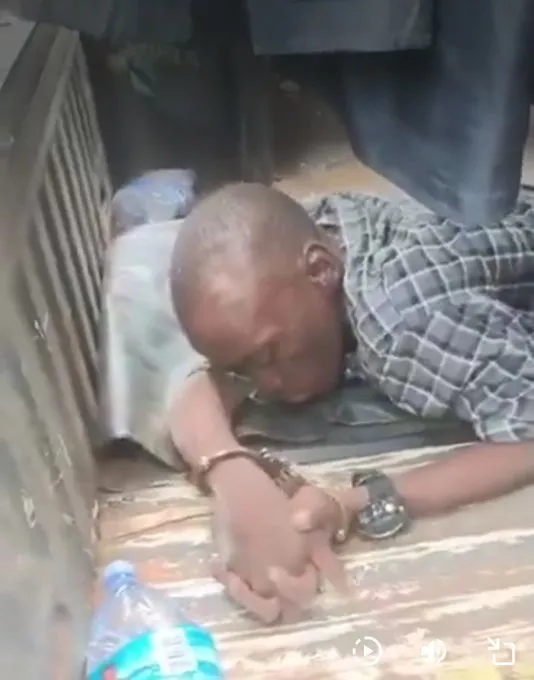
    Police have identified both the suspect and the victims in Thursday’s deadly attack at Ggaba Early Childhood Development Programme School in Makindye Division, Kampala.

    According to police spokesperson Racheal Kawala, the suspect, Okello Christopher Onyu, entered the school armed with knives and carried out the attack.

    The suspect, Okello Christopher Onyu.

    Four children were killed in the incident. They have been identified as Odeke Ryan (1½ years), Gideon Eteko (2½ years), Keisha Alungat (2 years), and Ignatius Sseruyange (2½ years).

    Kawala added that ten other children who were affected were examined and later handed over to their parents.

    Preliminary investigations indicate that, days before the attack, the suspect had visited the school seeking admission for his child and had even paid the required fees.

    However, police say the motive behind the attack is still under investigation.

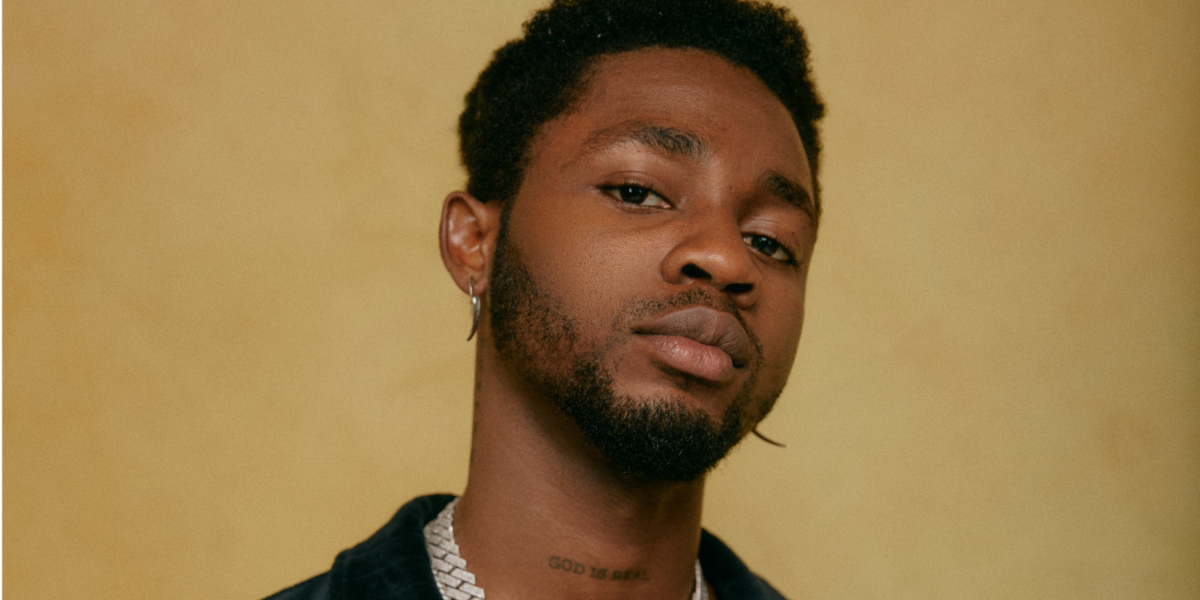
  • Davido Explains Why He Is No Longer Interested in Politics

    Davido Explains Why He Is No Longer Interested in Politics

    Politics may no longer be part of the plan for Davido.

    The music star admitted that although he once had political ambitions, recent observations have changed his thinking.

    He pointed to the struggles of celebrities who moved into politics, saying the transition rarely brings success.

    Davido explained that his career, reputation and fan base now make the decision more complex.

    He also suggested that politics requires a different level of commitment, describing it as a full-time path that may not align with his current journey.

  • When silence speaks loudest: How Khaby Lame conquered the Internet – Sqoop

    When silence speaks loudest: How Khaby Lame conquered the Internet – Sqoop

    In a digital world obsessed with noise, Khaby Lame built an empire by saying nothing at all. Behind his viral clips and effortless humour, Khaby Lame represents a new kind of global icon — one shaped by migration, faith, and the realities of digital life. This feature dives into his rise, his influence on global culture, and how his authenticity continues to resonate with millions across borders and backgrounds.

    His name is Khabane Lame, but he is known worldwide as Khaby Lame. Born in Dakar, Senegal, he is the most followed content creator on TikTok. He became famous for video clips in which he reacts to absurd “life hack” videos with a blank, slightly annoyed face, showing the hack was not needed. At the time of writing this, he had more than160 million followers: a world record achieved without uttering a single word. In January he sold his brand rights for nearly $1 billion (about Shs372.4 trillion).

    But there is another dimension to his story that the western media rarely mention: Khaby Lame is a practising Muslim and a hafiz, a Muslim devotee who has memorised the entire Koran. This after being sent to a Quranic school near Dakar at the age of 14. The tension between the sacred body of the hafiz and the commercialisation of the influencer’s digital life makes his journey a rich case study. For me, as a researcher of digital identity, his online career also raises questions about turning personal data into digital assets.

    From the suburbs of Turin to the top of the global stage

    Khaby Lame’s story reads like a modern-day myth. Not because it is hard to believe, but because it mirrors the core narratives of digital modernity. It starts with hardship, goes through a period of creative isolation and ends with global recognition. This is what the French thinker Roland Barthes called “mythical speech”, a story that seems natural and simple, but is actually shaped by deeper forces and structures. In 2020, at the beginning of the Covid-19 pandemic, Khaby Lame lost his job as a factory worker.

    He was stuck at home and locked down in social housing in the suburbs of Turin, Italy, where his parents had moved when he was a baby. Out of this hardship he made a simple decision: he started filming short videos. Just 17 months later, he reached more than 100 million followers on TikTok. He was the first content creator based in Europe to reach that milestone. His story reflects the promise often promoted by TikTok that the platform can lift anyone up. All you need, it suggests, is a mobile phone, and talent will quickly be rewarded with global fame. This should be celebrated. But the myth of instant success also needs a closer look. Behind every viral rise lie smart decisions, hard work, and the powerful, and often unpredictable, role of the platfom’s algorithm.

    Comic tradition

    What sets Khaby Lame apart from almost all the creators before him is the semiotic system (of signs and symbols) he invented – or rather reactivated. He brought back an old comic tradition. Many compare him to British comedy actor Charlie Chaplin. Others see echoes of US comedian Buster Keaton. Both were masters of Hollywood’s silent slapstick comedy. Khaby Lame revives the codes of 1930s Hollywood silent comedy cinema: mime, meaningful glances, no dialogue, and burlesque sketches (short theatrical scenes) that convey messages.

    But the Chaplin connection ends there, as the two men inhabit their bodies in radically different ways. Chaplin’s films carry emotional weight, driven by social and political themes. His character, the tramp, is a poor wanderer pushing back against an unfair industrial world. Khaby Lame’s style is closer to Keaton’s. He says nothing. He simply shows how unnecessary and complicated these internet quick fixes are. His absolute impassivity in the face of the absurd is what Keaton perfected with his famous “great stone face”.

    But while the comic structure is similar, their relationship to their bodies is not. Throughout his life, Keaton remained completely indifferent to religion or metaphysics in any form. Khaby Lame is the opposite. He is a hafiz. The separation of his digital identity from his physical person is notable. Wordless humour allowed him to build a global audience because there are no language barriers, just as silent film stars like Charlie Chaplin became global icons a century ago. TikTok’s algorithm favours content that anyone can understand instantly. Chaplin needed a movie theatre, Khaby Lame needs only a phone and an algorithm. The mechanics are similar. The way it spreads has completely changed.

    Digital identity

    In January 2026, Khaby Lame’s carefully crafted expressive persona took on a new status. It became a financial asset. He sold his company, Step Distinctive Limited, for $975m to Rich Sparkle, a publicly traded company based in Hong Kong. The agreement includes the transfer of rights to use his image, voice and behavioural models to create an artificial intelligence-powered digital twin. This digital twin will produce multilingual content, including material for advertising and promotions. Companies will be able to run commercials in several countries without Khaby being physically present.

    According to Rich Sparkle, this could help generate over $4 billion in annual sales, especially through livestream e-commerce (a format already dominant in Asia), broadcast simultaneously around the world. This transaction marks a turning point. Digital identity no longer merely represents a person. It becomes an asset that can be separated from the individual who created it. Now, a creator is no longer a brand ambassador, but a brand in its own right. In theory, Khaby Lame’s digital being is now legally separate from Khaby Lame himself. The digital twin is, in this sense, the Buster Keaton body that digital platform capitalism has always dreamed of – impassive, reproducible, available across all time zones.

    Signature gesture

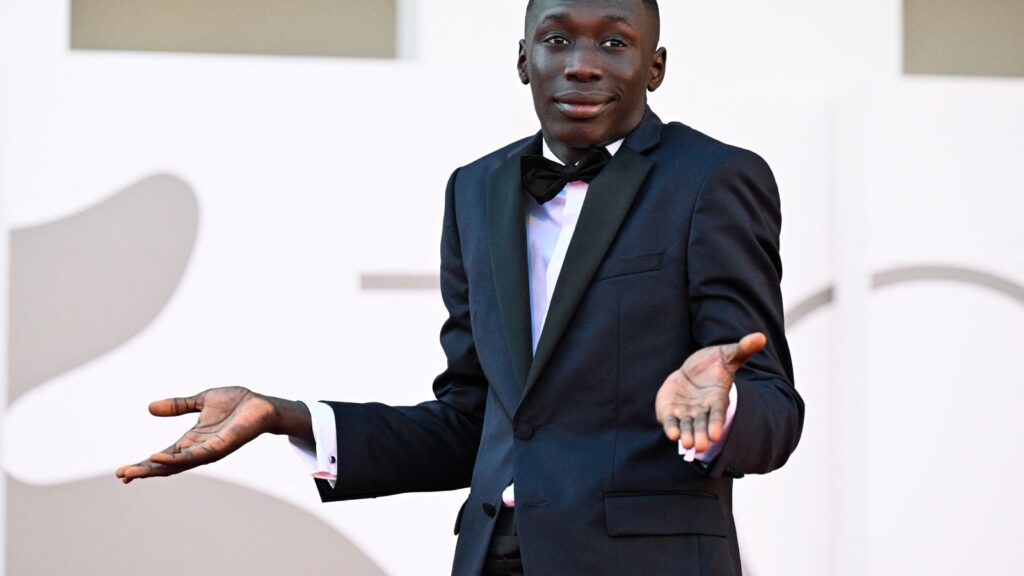
    Khaby Lame’s signature gesture is to place both palms open and turned upward. This seems simple and easy to understand, a light and humorous sign of disbelief. But the gesture carries deeper meanings. In Islamic tradition, as in many African cultures, this same gesture is linked to dua, the act of raising one’s hand in supplication to God. What millions of viewers read as a comic signature is also a spiritual practice. Yet Khaby Lame’s digital double is not simply an image. It can act in his name.

    It can speak with his voice. It can repeat his familiar gestures. This is no longer simple representation. It is a form of transferring his way of expressing himself onto a digital system. The same open hands, the same expressive gaze, the same voice that once recited the suras of the Koran in a school in Dakar are now the attributes of a commercial transaction valued at nearly a billion dollars. There is an ethical question in handing over his active identity to financial markets.

    An ethical question

    For many young Africans, especially in Senegal, Khaby Lame embodies the possibility that digital spaces are territories where Africans can succeed, where the hierarchies inherited from colonial history can, at least symbolically, be overturned. But the deal raises a difficult question: what does it mean to sell your digital self in a world where Black and African bodies have been used and profited from for centuries without consent and fair compensation? Is this a win or a new form of exploitation?

    Can the financial benefits balance the transfer of his identity? More African creators are building global audiences every year. That means these questions will become harder to ignore. Who owns a creator’s digital twin once it is sold? Who set the rules for its use? Khaby Lame is not just a social media success story. He is a revelation of the future and, perhaps unwittingly, a pioneer.

    Adapted from theconversation.com

    Don’t want to miss out on any story? For updates on all Sqoop stories, follow this link on Telegram: https://t.me/Sqoop and Whatsapp: https://whatsapp.com/channel

  • President Museveni bids farewell to outgoing Russian Ambassador Vladlen Semivolos 

    President Museveni bids farewell to outgoing Russian Ambassador Vladlen Semivolos 

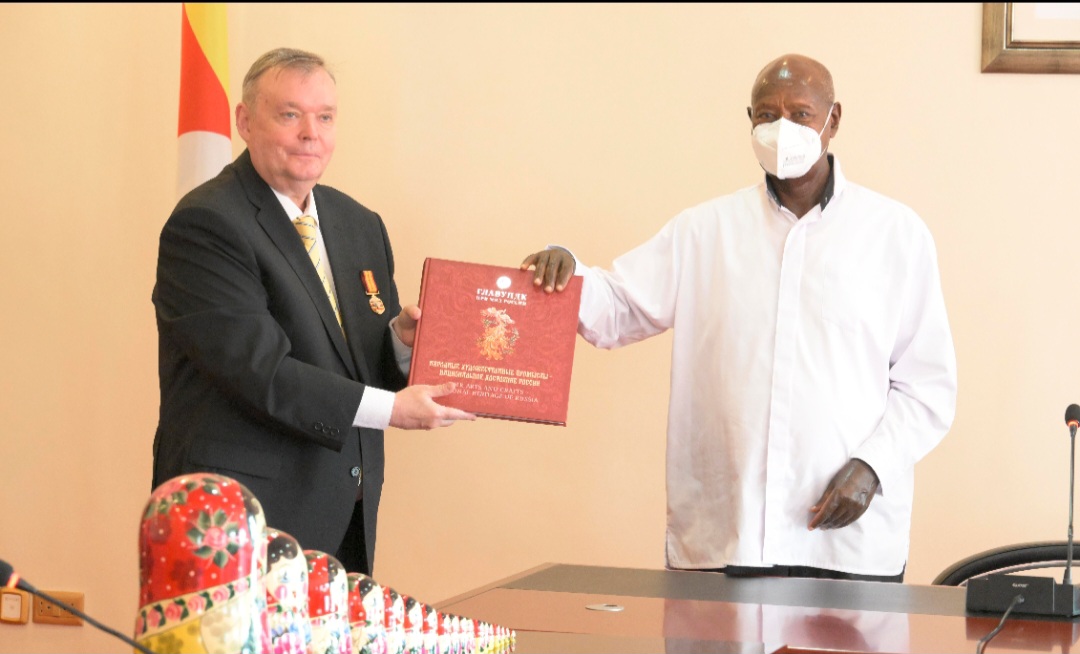
    President Yoweri Kaguta Museveni has today bid farewell to the outgoing Ambassador of the Russian Federation to the Republic of Uganda, H.E Vladlen Semivolos at State House, Entebbe.

    During the meeting, President Museveni and his guest reflected on historical relations, and praised the outstanding contribution in strengthening and consolidating Uganda-Russia relations.

    President Museveni also wished Ambassador Semivolos well as he takes on his next chapter of life.

    “I congratulate you on finishing your tour of duty and I commend your efforts in ensuring the continued warmth and cooperation between our countries and people. I wish you good luck in your future endeavors,” President Museveni remarked.

    H.E Semivolos, expressed gratitude for the warm reception and friendly connections established during his tenure in Uganda.

    “I take pride and special privilege to have served in this country and I honour your support in various fields that have benefitted both Uganda and Russia,” he noted.


    Do you have a story in your community or an opinion to share with us: Email us at Submit an Article

  • Forest Cottages announces Easter BBQ Buffet at Shs75,000 for Adults, Shs50,000 for Children

    Families and friends looking to celebrate Easter in style can look forward to a lively and memorable experience at Forest Cottages.

    The popular getaway has unveiled a special Easter Sunday package designed to bring people together over great food, entertainment, and fun activities for all ages.

    Dubbed the Easter Sunday Special BBQ Buffet Lunch, the offer is priced at Shs75,000 for adults and Shs50,000 for children. The package includes a hearty barbecue buffet, along with two beers, a soft drink, fresh juice, or a glass of wine.

    Guests will also enjoy a vibrant atmosphere filled with entertainment, including a live band performance. For children, the day promises plenty of excitement with an Easter egg hunt, egg painting, bouncing castles, and free swimming.

    Set in a calm, forested environment, Forest Cottages offers a peaceful escape from the city, making it an ideal spot to relax and celebrate the holiday.

    Reservations can be made by calling: +256 707 780 371, +256 752 711 746, or +256 414 287 308.

  • Omah Lay Raises Concern Over Decline in Afrobeats Quality

    Omah Lay Raises Concern Over Decline in Afrobeats Quality

    Omah Lay has issued a warning about the future of Afrobeats.

    The “Understand” hitmaker said the genre risks losing its essence as more artistes chase quick money instead of focusing on quality and creativity.

    He noted that many musicians now treat music casually, without investing the time and effort needed to improve their sound.

    According to Omah Lay, this shift is already affecting how Afrobeats connects with audiences, particularly outside Africa.

    He expressed concern that the next generation may inherit these lower standards, making it harder to maintain the genre’s global impact.

    While he acknowledged that Afrobeats continues to grow worldwide, he urged artistes to raise their standards and protect the culture through better music.

  • Police Net 100 Suspects in Another KMP Operation

    Police Net 100 Suspects in Another KMP Operation

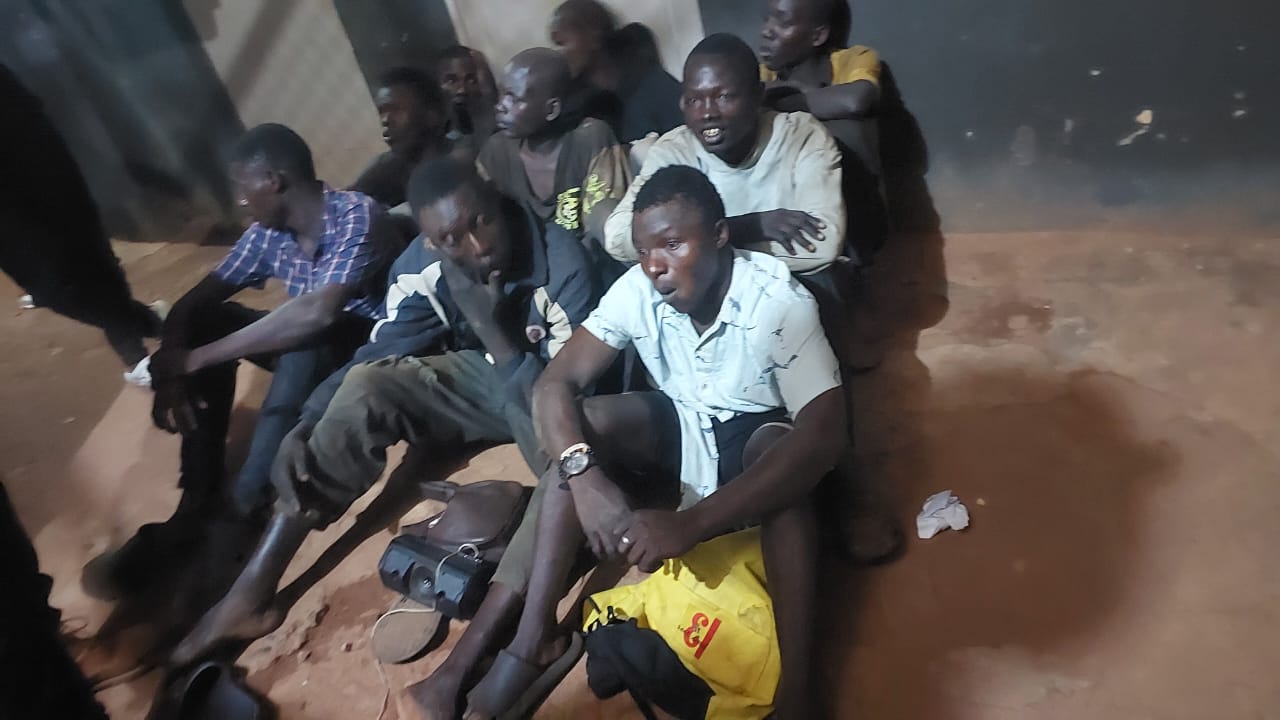
    Kampala Metropolitan Police carried out another massive overnight crackdown, arresting 100 suspects across the city.

    This is in a bid to ensure safe and secure Easter celebrations.

    According to Racheal Kawala, the KMP police spokesperson, the operations ran from 8:30pm to 3:00am on April 1 2026, covering multiple high-risk areas in Entebbe, Mukono, Old Kampala, Katwe, and Kira.

    In Entebbe, police conducted operations in Kasenyi and Nakiwogo, arresting 23 suspects, while in Mukono, operations in Kawoola, Katoogo, Takajjunge, and Kubiri led to the arrest of 36 suspects. Old Kampala Police targeted the New Taxi Park and Kakajo, apprehending 24 suspects, and at Katwe Division, operations in St Augustine Zone resulted in 14 arrests. In Kira Division, covering Mulawa, Kitukutwe, and Kiwologoma, police arrested 11 suspects.

    During the operations, officers recovered dry marijuana leaves, rolled sticks, fresh plant materials, and other exhibits, which are now part of ongoing investigations. All suspects are currently in police custody pending court proceedings.

  • Behind the Icy persona: Icy Sonie gets real on love, soft life and reality tv drama – Sqoop

    Behind the Icy persona: Icy Sonie gets real on love, soft life and reality tv drama – Sqoop

    Ever wondered what your favourite personalities are like when the cameras are off and the ring lights go dim? In this edition, we step into the world of Icy Sonie, and it is as unfiltered as it is entertaining.

    Born Sonia Anena, Icy Sonie is quick to laugh about her softer side, admitting that while she considers herself funny, that charm might be reserved for those closest to her. “To my family and friends,” she says. “The rest of the world? That is still up for debate.”

    Fresh off the reality TV reunion, she teases unseen drama from behind the scenes but keeps her cards close to her chest. “Let’s just say my lawyer might need to be present if I spill everything,” she jokes, hinting at moments viewers never got to witness.

    But beyond the TV persona, Icy’s story has layers.

    The name “Icy” itself traces back to a heartbreak from her high school days. “I became Icy because of someone’s son,” she reveals. “I was so young, and that heartbreak turned my heart icy.” It is a moment that clearly left a mark, shaping not just her identity, but her outlook on love.

    And speaking of love, she does not sugarcoat her views on modern dating.

    “Dating might actually be harder than getting into heaven,” she says bluntly, describing a landscape where selfishness often overshadows loyalty. In her view, heartbreak is not limited to a certain type of man either. “Anywhere you see men? Run for your life,” she adds with a laugh that carries more truth than humor.

    When it comes to relationships, one thing is clear. She is not in the business of fixing anyone. “When did I become Bob the Builder?” she quips. “I physically convulse at the thought.”

    Away from matters of the heart, Icy Sonie fully embraces the soft life. Her philosophy is simple and unapologetic: “I see it, I like it, I want it, I get it.” Whether broke or not, she admits it is a habit she refuses to negotiate.

    Still, she is not without self-awareness. Reflecting on one controversial moment from the show, she recalls a comment directed at a fellow cast member that she instantly regretted. “The moment I said it, I knew I was in trouble,” she admits, acknowledging how quickly things can spiral in the public eye.

    Through it all, Icy Sonie remains a blend of humor, honesty and unpredictability. An Acholi girl at heart, she hints at cultural nuances only a few would fully grasp, adding another layer to her identity.

    Don’t want to miss out on any story? For updates on all Sqoop stories, follow this link on Telegram: https://t.me/Sqoop and Whatsapp: https://whatsapp.com/channel

  • OBED KATUREEBE: Bobi Wine will enjoy camera for a few months; then it will be business as usual 

    OBED KATUREEBE: Bobi Wine will enjoy camera for a few months; then it will be business as usual 

    Hon. Robert Kyagulanyi a.k.a Bobi Wine is in exile in the USA, where he is meeting some leaders, lobbying them to sanction the top leadership in Uganda. To wit President Yoweri Museveni and the Chief of Defence Forces, Gen. Muhoozi Kainerugaba. In his view, these two denied him victory in the January 2026 General Elections.

    Kyagulanyi left Uganda, after the January 2026 General Elections, claiming he was running away from possible arrest. However, government still denies that it had any intentions of arresting him.

    Poor Kyagulanyi; like Gen. David Sejusa before him, Kizza Besigye, Col. Samson Mande, the late Col. Anthony Kyakabale, Maj. Herbert Itongwa and others, who after political disagreements with President Museveni, ran to the West and tried to wow the leadership in those capitals to stop any cooperation with President Museveni but were roundly rejected. What followed was frustration and isolation in those freezing capitals. They finally thought of making peace with President Museveni and they came back to Uganda. All of them are now free men enjoying their country.

    The West that these people run to, after political defeat, are not fools. These countries have better intelligence networks in Uganda and in the region that give them thorough reports of what is happening in Uganda. Mere rhetorical statements that Museveni is a dictator, who does not want to live with the Opposition cannot be believed. These people have their own intelligence that tells them exactly what Uganda and who President Museveni is. Therefore, any skewing of stories from Uganda, trying to biase leaders in the Western capitals will certainly fall flat. Without a doubt, they will rely most on their own intelligence than reports from disgraced political actors.

    In fact, from what is has been gathered is that most of the people Kyagulanyi has met so far, is that they are telling him to explore avenues of dialoguing with the leadership of the NRM. And this, of course, does not require the intervention of the Mzungu (White person) in the USA or any other Western capital. Uganda has enough eminent persons to handle that.
    Kyagulanyi is yet to be more frustrated, because in the near future even the chance they are offering to meet him will be no more. He will be making phone calls that will go unanswered. Or else, he will be answered with rude remarks.

    The earlier Kyagulanyi realises that the only way to rediscover his political struggles is by engaging Ugandans and not the Western world. He needs to return and do critical evaluation of methods of work. He has to pose critical questions, to his party colleagues, on why the party performed the way it performed. He inevitably must engage those he is opposed to, especially the ruling NRM in general and President Museveni in particular.

    This fallacy that engaging President Museveni is betraying the Opposition is totally wrong. Unfortunately, that perception has been created and those that have fallen for it are making irredeemable political mistakes. To the contrary, the Opposition that engaging President Museveni are making strong bargains in favour of Ugandans.

    Life in exile is described as an “exasperating,” “poisonous,” and a “terrible to experience” existence, characterized by an unhealable rift between an individual and their home country. It is a state of profound alienation, often involving involuntary displacement, where individuals feel cut off from their secure, familiar surroundings and forced into a foreign, often hostile, environment.

    Whatever disagreements Kyagulanyi could be having with Yoweri Museveni, the two can talk it over and a working relationship can be forged. Political disagreements can only be resolved by the two politicians. The West, where we tend to run looking for powerful godfathers, are not competent enough to appreciate our issues and be able to amicably resolve them.

    Kyagulanyi will be given audience on a few media platforms, but that can only be for a few months. What will then follow will be a total media blackout, because he will be having nothing new to tell the world. Then boredom will kick in. Feelings of isolation and loneliness will grow in volumes, which is not good for his mental health.

    Exiles often experience deep feelings of abandonment, loneliness, and fear, feeling disconnected from both their past and present reality. The exiled person may feel that their life has stopped or that time is being measured, only from the moment the exile began, leading to a nostalgic, often stagnant existence.

    There is a traumatic realization that “there is no return to the familiar,” forcing the creation of a new, often uncomfortable life. Exiles frequently face a “powerlessness” and loss of control, struggling with new, unfamiliar rules, or even visa and travel restrictions.

    The feeling of being “cut off” or a stranger, even without moving, caused by trauma, divorce or estrangement. Often used in religious contexts, this describes feeling like a stranger in one’s own country or culture, a feeling of not belonging because of different values or beliefs. The earlier he returns to Uganda, the better for Kyagulanyi and his family.

    The writer works with Uganda Media Centre

    Do you have a story in your community or an opinion to share with us: Email us at Submit an Article
About UGNEWS24

UGNEWS24 is a Uganda local news service, a product of SOLAVIA GROUP LIMITED, Reg. No. 80048169153974.

Registered office

Plot 2335, Buwambo-Katadde-Najjo Road,
Nansana Municipality, Wakiso District, Uganda
P.O. Box 214231, Kampala

© 2026 SOLAVIA GROUP LIMITED. All rights reserved.