Author: admin

  • A battle with Maulana & Reign could damage their career – Chiko

    A battle with Maulana & Reign could damage their career – Chiko

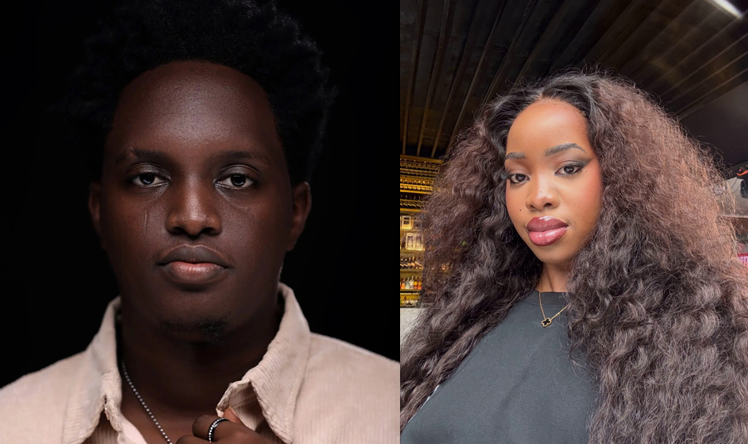
    Stand-up comedian Chiko, one half of the popular duo Madrat and Chiko, has addressed talk of a potential comedy showdown with Maulana and Reign, and he’s clearly not convinced it’s a good idea.

    Appearing on NBS After 5, Chiko explained that engaging in a comedy battle with the duo might do more harm than good.

    According to him, such a clash would only boost Maulana and Reign’s visibility (“clout”) while risking damaging their careers.

    “We can give them clout that they are chasing, but what we fear is that comedians are not many, and we might end up ending their comedy career prematurely.”

    He emphasized that they prefer to “handle their people well,” suggesting a sense of responsibility toward fellow comedians in Uganda’s relatively small comedy industry.

    Chiko also pointed out that Maulana and Reign would be better matched against skit-based comedians like Taata Kimbowa and Jose Chakala, rather than going head-to-head with more established stand-up acts.

    As for who qualifies to battle Madrat and Chiko, he set the bar high, mentioning names like Fun Factory, Patrick Salvador Idringi, and Anne Kansiime as their peers.

    “The individuals I think they can battle favourably with are Taata Kimbowa and the likes of Jose Chakala. For us, we only welcome battles between Fun Factory, Salvador, and Anne Kansiime. At least, that is our level. We don’t want to shame you comedians, and they become a laughing stock in public.”

    Chiko further left the door slightly open, saying that if Maulana and Reign are serious, they should prepare properly, write solid jokes, present them, and then a battle could be considered.

    “We advised them that if they want our battle to happen, they should sit down, write jokes, and reveal them to us, then the battle will happen.”

    The post A battle with Maulana & Reign could damage their career – Chiko appeared first on MBU.

  • Martha Mukisa: Ready for marriage, but still single

    Martha Mukisa: Ready for marriage, but still single

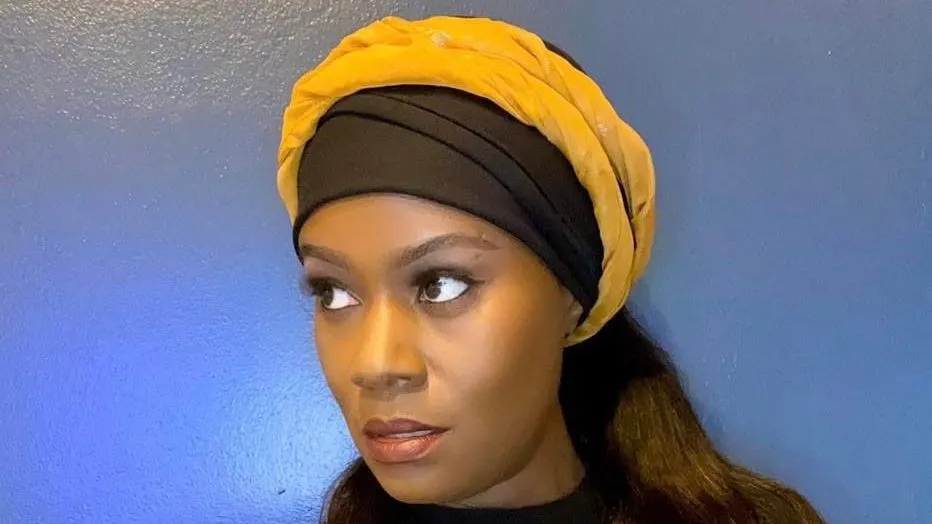
    Martha Mukisa appeared on Galaxy TV and when put on the spot about her current relationship status, she kept things intriguingly vague.

    When asked whether she’s seeing someone, Martha chose not to give a direct answer. Instead, she shared her perspective on love, commitment, and where she stands when it comes to settling down.

    I’m ready to settle down for marriage.

    Martha Mukisa

    However, despite hinting that things in her love life may not be entirely straightforward, she made it clear that she still considers herself single—for now. According to her, that status won’t change until things are made official in the traditional and formal sense.

    I’m single for now, until someone takes me off the streets.

    She went on to explain that in her view, a relationship only truly counts when a man formally marries her, starting from the traditional introduction ceremony all the way to the white wedding.

    For now, it seems Martha Mukisa is keeping her options open, but one thing is certain: when the right person comes along, she’s more than ready to walk down the aisle.

    The post Martha Mukisa: Ready for marriage, but still single appeared first on MBU.

  • Juliana Kanyomozi refutes claims of stepping away from music

    Juliana Kanyomozi refutes claims of stepping away from music

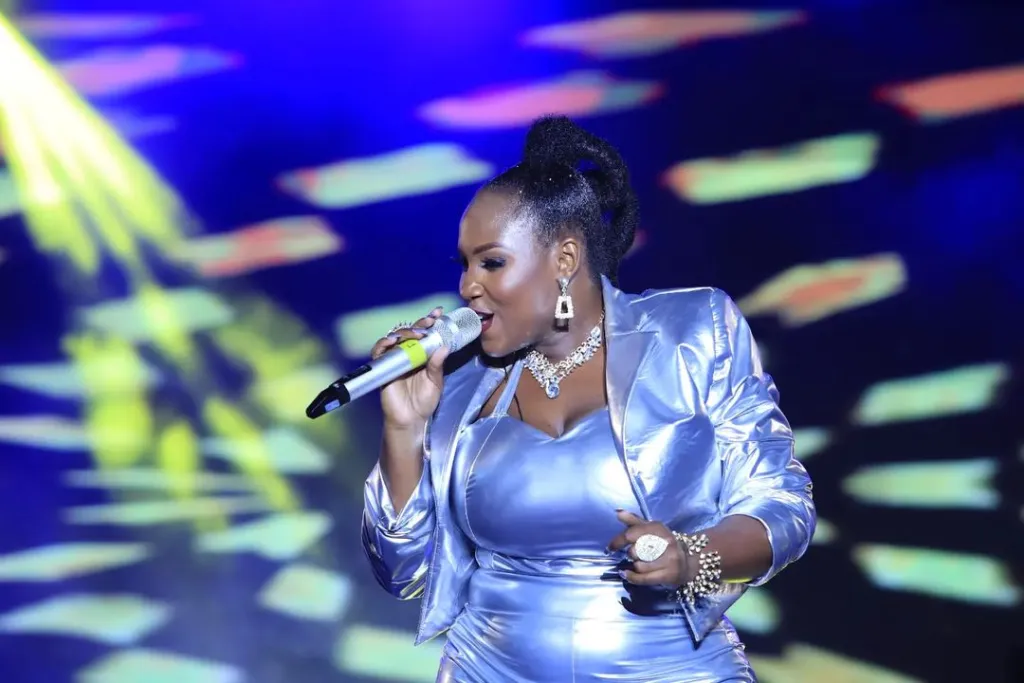
     Juliana Kanyomozi has spoken out to dismiss claims that she stepped away from music commercially following her return from maternity leave.

    Juliana addressed the rumors during a recent interview with media personality Allan Cruz, setting the record straight about her passion and commitment to her craft.

    Juliana revealed that she has been aware of ongoing speculation suggesting she lost interest in actively pursuing music after giving birth. However, she made it clear that such claims are far from the truth.

    People said I didn’t want to work. They claimed that ever since I came back from childbirth, I didn’t want to work anymore.

    She said that music remains a central part of her life, adding that it is something she deeply loves and cannot simply walk away from.

    They should know that I love my job so much. I love singing; I love music because it brings me great joy. I can never wake up and claim that I have stopped doing music.

    The post Juliana Kanyomozi refutes claims of stepping away from music appeared first on MBU.

  • Organizing debut concert was extremely stressful – Martha Mukisa

    Organizing debut concert was extremely stressful – Martha Mukisa

    Singer Martha Mukisa has opened up about the intense challenges that surrounded her debut concert at Freedom City Mall, revealing just how overwhelming the experience was.

    While speaking in an interview on Galaxy FM, she admitted that organizing the show was extremely stressful, to the point where it “almost took their lives.”

    Despite the difficulties, she emphasized that the concert turned out to be a major learning experience for both her and her team.

    According to Mukisa, the event significantly boosted her brand visibility, exposed her to new networks, and gave her firsthand experience in handling large-scale music business operations, especially since it involved major corporate sponsors.

    She highlighted that putting together a concert is no small feat and encouraged fellow artists to take on such challenges as a way to grow professionally.

    “Well, to say that the concert almost took our lives, but it did a big deal for us. There was a lot of brand awareness generated, a lot of learning, and getting to know lots of different people. Because my concert was sponsored by big companies. Organizing a concert is not easy. Any artist has to challenge themselves to face something like that because it brings about business growth.”

    Beyond her music career, Mukisa also shared a more personal update, revealing that she is now ready to settle down.

    She expressed a desire for a serious relationship leading to marriage, adding that she is still single for now, not until that goal is realized.

    “I’m ready to settle into a serious relationship and get married. I want a wedding. Until a marital function happens, I will be off the streets.”

    The post Organizing debut concert was extremely stressful – Martha Mukisa appeared first on MBU.

  • A Taste of the Caribbean Lands in Kampala for The Singleton Chef’s Table

    A Taste of the Caribbean Lands in Kampala for The Singleton Chef’s Table

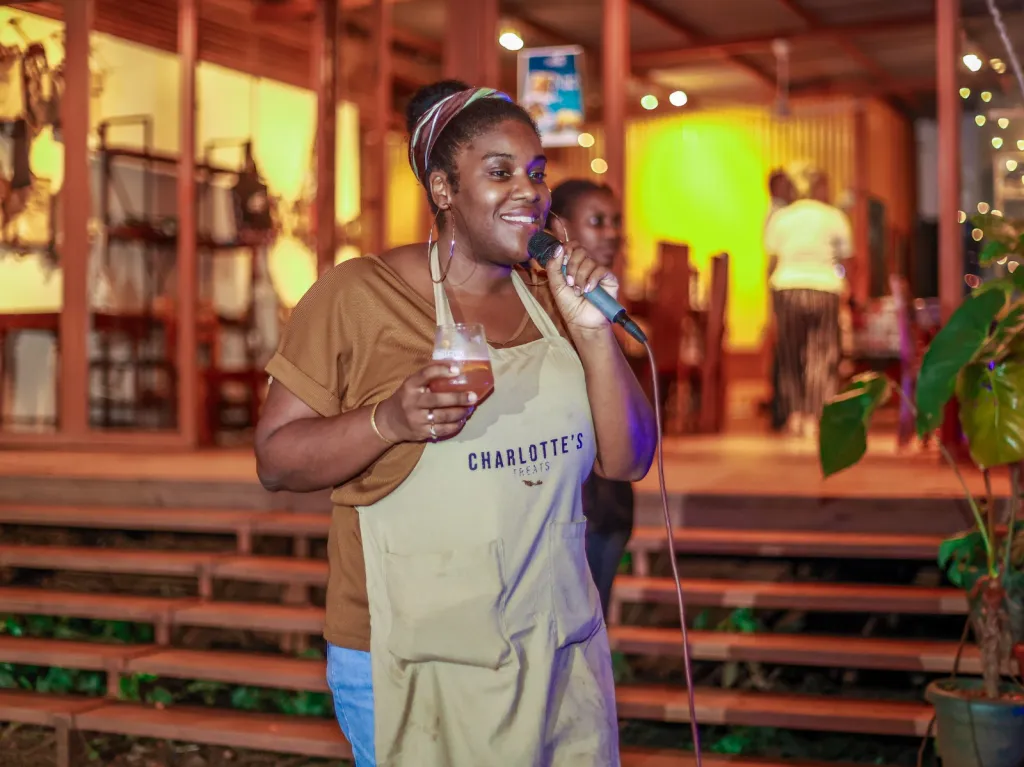
    This Saturday, March 28, The Singleton Chef’s Table returns with another intimate, high-end dining experience, this time headlined by British-Jamaican chef April Charlotte, who promises to bring the vibrant spirit of the Caribbean to Kampala.

    Curated by The Singleton, The Chef’s Table has steadily carved out a unique space in Uganda’s growing gastronomy scene. More than just a dinner, the series is designed as a sensory journey, pairing premium single malt whisky with thoughtfully crafted, multi-course menus by some of the most exciting culinary talents.

    Each edition is built on one idea: that whisky, when understood and used creatively, can elevate food just as much as food elevates whisky.

    April Charlotte is no stranger to the experience. Guests may remember her from a previous edition where she delivered a standout dessert while Chef Sholto headlined the evening. This time, she takes center stage, bringing with her a deeper, more personal story rooted in Jamaican culture, heritage, and bold expression.

    “Jamaicans don’t arrive quietly, you feel us before you even see us,” she says. “And that’s exactly what I want people to experience through the food.”

    Her menu is expected to reflect that ethos, vibrant, expressive, and deeply emotional. Drawing from Caribbean culinary traditions, April will present dishes that celebrate not just flavor, but history and connection, particularly the ties between Africa and the Caribbean.

    Expect rich, layered plates, from celebratory staples like curry goat and rice and peas to inventive reinterpretations that fuse Jamaican roots with Ugandan ingredients. For April, food is more than nourishment, it is identity, memory, and storytelling.

    “I don’t want people to just eat,” she explains. “I want them to feel something. I want them to experience Jamaica.”

    At the heart of the evening, however, is The Singleton itself. Known globally for its smooth, approachable single malts, the brand continues to position itself as more than just a whisky, it is a curator of experiences. Through The Chef’s Table, The Singleton is actively shaping conversations around fine dining in Uganda, introducing a new way to think about pairing, flavor, and indulgence.

    Speaking about the experience, Simon Lapyem, The Singleton East Africa Brand Manager said: “Food has always been one of the most powerful ways to bring people together, it crosses cultures, backgrounds, and experiences. What whisky does, especially a single malt like The Singleton, is deepen that connection. It enhances the moment, it opens up conversation, and it allows people to experience flavour in a more layered, more meaningful way.”

    From delicate starters to bold mains and expressive desserts, each course is intentionally paired to highlight the depth and versatility of single malt whisky, proving that whisky belongs just as much at the dining table as it does in a glass.

    With April Charlotte at the helm, this Saturday’s edition promises to be more than a meal. It will be a celebration, of culture, of connection, and of the bold, expressive joy that both Jamaican cuisine and The Singleton embody.

  • Makerere Medical Graduate Goes Viral After Paying Off Father’s Debt — Then Gets Told Off By Netizens For ‘Poverty Porn’

    Makerere Medical Graduate Goes Viral After Paying Off Father’s Debt — Then Gets Told Off By Netizens For ‘Poverty Porn’

    The Heartwarming Story Of A Boda Boda Rider’s Son Who Reclaimed His Father’s ID Card Divides The Internet

    It was supposed to be a straightforward feel-good story. A Makerere University medical graduate, son of a boda boda rider, shares how he finally reclaimed his father’s national identity card — held by money lenders since 2013 — after years of saving. The internet was meant to applaud. And it did, briefly.

    ADVERTISEMENT

    Then Bernard Sabiti arrived in the comments.

    On March 24, fresh Makerere MBChB graduate Kasekende Fulugensio — known on X as @ThePremiumDoc — shared a post that stopped timelines across Uganda.

    “After years of saving, I’ve finally reclaimed Mzee’s ID, held by money lenders since 2013,” he wrote. “He first surrendered it just so I could get my P.7 results, then kept borrowing to keep my siblings and I in school — until the loan got too huge and he gave up on ever getting it back.”

    The story behind the post is one of extraordinary sacrifice. Kasekende’s father, a boda boda rider, had pledged his national identity document as collateral to a money lender so his son could collect his Primary Seven results — and then kept borrowing, year after year, to keep his children in school. The debt eventually grew beyond what he believed he could ever repay. His son, now a qualified medical doctor, repaid it for him.

    Photographs accompanying earlier coverage of the story showed the newly minted doctor in his graduation gown, standing proudly beside his father and the motorcycle that carried the family through years of financial hardship. The images were emotional. The story was compelling. The reactions were immediate.

    Not everyone was moved in the way Kasekende may have anticipated.

    Bernard Sabiti, writing under the handle @BernardSabiti, quote-posted the graduate’s message with a response that was direct, pointed, and — depending on where you stood — either refreshingly honest or unnecessarily harsh.

    “Ok. Enough with this poverty porn and the martyr complex. You beat the odds to succeed, congrats and blessing to the old man. To him, he did his duty — you are his kid. Not sure he approves of putting all this personal info of his online. You are now empowered, go conquer the world!”

    The phrase that landed hardest was the first one: poverty porn.

    It is a term used to describe the practice of sharing stories of hardship — often involving vulnerable or struggling individuals — primarily for the emotional reaction they generate in an audience, rather than to meaningfully address the underlying circumstances. Sabiti was essentially accusing Kasekende of using his father’s financial struggles as social media content.

    Sabiti’s response cracked open a conversation that Uganda’s social media had been circling around for some time without quite having it directly.

    On one side: those who argued that stories like Kasekende’s are important and necessary. That they inspire young people from similar backgrounds. That visibility matters. That a boda boda rider’s son becoming a medical doctor is exactly the kind of narrative that a society built on inequality needs to see and celebrate loudly.

    On the other side: those who agreed with Sabiti’s discomfort. That the father in the story — a man who surrendered his ID card out of necessity, not by choice — did not consent to having that detail broadcast to thousands of strangers online. That framing a parent’s poverty as the backdrop to a child’s success, however well-intentioned, reduces that parent to a supporting character in their own life story. That there is a version of inspiration-sharing that quietly exploits the very people it claims to honour.

    Sabiti’s parting line — “You are now empowered, go conquer the world” — read less as encouragement and more as a pointed instruction: the chapter of performing your struggle for public validation is over. Now go and actually live.

    Lost somewhat in the debate is the achievement itself, which by any measure is extraordinary.

    The MBChB degree at Makerere University is one of the most demanding academic programmes in the country — years of intensive study, clinical rotations, and professional examinations that require sustained discipline and intellectual rigour. Completing it under financial pressure, with the knowledge of a family debt hanging over the household, is not a small thing.

    Kasekende Fulugensio is a medical doctor. His father’s ID card is back in his father’s hands. Whatever one thinks about how the story was shared, neither of those facts is diminished by the conversation that followed.

    Perhaps the most honest takeaway from the entire episode is not about one graduate’s social media post. It is about how Uganda tells stories of success and struggle — and who those stories are really for.

    When a child succeeds against difficult odds, the instinct to share that story publicly is understandable and often genuinely motivated. But Sabiti’s challenge asks a harder question: in the act of sharing, whose dignity are we protecting, and whose are we trading for engagement?

    It is a question worth sitting with — especially in a country where stories of sacrifice and resilience are abundant, and the line between inspiration and exploitation can be thinner than a social media caption.

  • Why Trump’s Visa Bond Targets Uganda — And What It Means for US–Uganda Relations

    Why Trump’s Visa Bond Targets Uganda — And What It Means for US–Uganda Relations

    The decision by the United States to place Uganda on a visa bond list under the Trump administration marks a significant shift in Washington’s immigration posture toward Kampala and other African capitals. Under the new policy, certain Ugandan applicants for U.S. visitor visas will be required to post refundable bonds ranging from USD 5,000 to USD 15,000, aimed at discouraging visa overstays.

    From an analytical standpoint, the move is less about Uganda specifically and more about a broader hardline immigration philosophy associated with President Donald Trump’s return to power. Trump’s political brand has consistently revolved around border control, migration deterrence, and enforcing compliance through financial and legal pressure. Countries flagged for higher overstay rates — many of them in Africa, Asia and Latin America — have become prime targets for such experimental deterrent measures.

    For Uganda, the inclusion reflects longstanding U.S. concerns about visa compliance rather than a collapse in diplomatic relations. However, it also exposes deeper global inequalities. A visa bond of USD 10,000 is beyond the reach of most ordinary Ugandans, effectively transforming travel into a privilege for the wealthy, diplomats, and corporate elites. While the bond is refundable, the upfront cost alone creates a psychological and economic barrier.

    At the people-to-people level, the policy risks chilling educational exchanges, tourism, family visits, religious missions, and business travel. Ugandan students, church leaders, NGO workers and traders — traditionally strong bridges between the two countries — may now reconsider U.S. travel altogether. This could gradually weaken soft diplomacy ties that have been built over decades.

    Diplomatically, the bond policy introduces quiet strain but not rupture. The U.S. and Uganda remain strategic partners on security, regional stability, health programs, and counterterrorism, particularly in Somalia and the Great Lakes region. Washington is unlikely to sacrifice these interests. However, Kampala may increasingly interpret such unilateral measures as punitive and insensitive to socio-economic realities.

    There is also a reputational dimension. Being publicly listed as a “high-risk” country reinforces negative stereotypes about Ugandans abroad, even though the vast majority of travelers comply with visa rules. This perception may affect how Ugandans are treated at embassies, airports and border points globally.

    Ultimately, Trump’s visa bond policy signals a transactional era in U.S. immigration policy, where trust is replaced by financial guarantees. For Uganda, the challenge is diplomatic engagement — presenting compliance data, negotiating exemptions, and protecting citizens’ mobility rights — while also addressing domestic factors that drive overstays, such as limited economic opportunities.

    If left unaddressed, the bond requirement could quietly erode goodwill between the two peoples, even as official relations remain formally cordial.

    Do you have a story in your community or an opinion to share with us: Email us at Submit an Article

  • Etania credits Joshua Baraka’s magical water for her Glow-Up

    Etania credits Joshua Baraka’s magical water for her Glow-Up

    In a world where relationships often come with plot twists, cliffhangers, and the occasional public meltdown, Etania Mutoni is proudly starring in a different kind of love story, one with soft music, steady energy, and absolutely steamy romance, thanks to her man, Joshua Baraka.

    And according to her, that’s the real secret behind her glow.

    Speaking during an appearance on Galaxy TV, Etania didn’t just gush about romance, she redefined it. Her relationship with singer Joshua Baraka, she says, is less about grand gestures and more about something surprisingly rare: peace of mind.

    Yes, peace, the underrated luxury.

    While some couples are busy decoding mixed signals and surviving emotional rollercoasters, Etania seems to have found a relationship where calm is the main character. No unnecessary pressure. No constant checking in. Just mutual respect, understanding, and a shared agreement to keep things… sane.

    “Emotional stability changes everything,” she hinted and honestly, that might be the most romantic sentence of 2026.

    Naturally, in the age of “who’s in your likes?” and “who’s that in your comments?”, questions about potential rivals tried to sneak into the conversation. But Etania swatted them away with effortless confidence. Losing sleep over competition? Not on her schedule.

    Her message was clear: when the foundation is strong, outside noise stays exactly where it belongs, outside.

    Of course, she didn’t completely abandon her playful edge. In classic Etania fashion, she joked about “defending her territory” if necessary but with a wink, making it clear her confidence isn’t coming from fear, but from security.

    And then there’s Baraka himself, the calm to her charisma. Described as private, loyal, and refreshingly low-key, he seems to have mastered the art of staying out of drama’s group chat. For Etania, that’s not boring, it’s bliss.

    Because sometimes, the most attractive thing a partner can be… is peaceful.

    She also touched on trust, the kind that doesn’t require passwords, surveillance, or detective-level investigation. In her world, love isn’t about monitoring; it’s about believing. Revolutionary? Maybe. Necessary? Definitely.

  • Why campus girls hate condoms

    Why campus girls hate condoms

    It is has become a norm now, most campus girls, especially MUK, MUBS and UCU hate to have s3x with their baes with condoms on. That’s why abortions are on the rise at campus one of these days.

    Odds are your girlfriend isn’t a fan of the ridiculously smooth, frictionless piece of latex rubbing in and out of her eclipse. The truth? Many campus girls hate condoms just as much as you do, and here’s why:

    ADVERTISEMENT

    #1 It totally kills the mood. Men often resent the simple act of reaching for a condom and taking less than a minute to slide it onto the penis shaft. As ridiculous as it sounds, this kills the mood for a babe, too. She loves safe sex, but just know that as much as it pains you to slip on old Johnny, it kills her too. Simply put, it’s just not sexy to stop when you’re getting hot and heavy.

    #2 Annoying for nervous lovers. This is an extremely unfortunate circumstance for those ladies who happen to have a nervous lover. You know that guy… where the door is knocked, someone walks by it, or you stop having sex or fooling around for what feels like 30 seconds, and he’s already lost his hard-on? Needless to say, stopping to put on a condom is more than just a little bit of a hassle for nervous lovers.

    #3 There’s a total lack of fun friction. Many campo girls say they feel no difference whether a man is wearing a condom or not, many will say that they do. While condoms have changed quite a bit since the smelly, thick versions available in the 90s into odorless, ultra-thin pieces of magic, there is still nothing better than the feeling of skin on skin. Women love the texture of a penis, especially during sex. The friction of your skin in her vagina is enough to make her burst with ecstasy.

    Condoms these days are usually sold pre-lubricated and smooth in texture, taking away almost all of that feel-good-friction she was getting from the all-natural you. You should also know that ribbed condoms aren’t always the orgasmic pleasure bombs they claim to be. While some women enjoy the rigged texture, many others find these sensations to feel more like painful scrapes than G-spot stimulators.

    #4 Some chics have allergies, and it sucks. While it may sound like a frat-boy excuse, some people actually have real allergies to latex. Symptoms include burning, rash around the genitals, itching, sneezing, difficulty breathing, watery eyes and more! Now imagine this happening as the culprit is sliding in and out of your genitals. Definitely not the romantic end to the date night you were hoping for.

    This can be a big reason why women aren’t too keen on using condoms. However, allergies are no reason not to practice safe sex. Aside from taking an oral contraceptive such as the birth control pill, sufferers should know there are latex alternatives such as Polyurethane condoms.

    #5 Not wearing one makes her feel like a dirty slut. In the good way, of course. Going bareback feels naughty and wrong, and trust us: she loves it. Feeling you orgasm inside her is a wild experience that’s both intimate and sexy, and feeling you drip out of her for the next few hours will only remind her what a naughty girl she’s been.

    HOWEVER safe sex is still ESSENTIAL

    Alright, we’ve had our fun. We’ve told you our rubber complaints. Now let’s get back to reality. No matter how good it may feel without one, and no matter how much she begs you to go bareback, always remember that condoms are an essential part of your sex life, and will mutually benefit both of you in the long run in the following ways:

    #1 The only STD prevention. Condoms and abstinence are pretty much the only ways to prevent getting a sexually transmitted disease or HIV. Natural lambskin condoms may not be as effective, but latex and polyurethane are both golden choices.

    #2 No babies! Do you want babies? No? Neither does she, so one of you better man up and slip that condom on. Even if a woman is religiously taking her birth-control on time, she may still insist you wear a condom. She doesn’t like it either, but if it’s between taking care of a screaming infant and bratty teenager for the next 18 years or you slipping on a condom, she’s going to choose the condom.

    #3 Condoms may make men last longer. Another benefit of wearing condoms is that some men actually last longer while wearing them, due to the decreased sensation. It’s a double-edged sword that honestly both sucks and rocks for your woman. On the one hand she can’t feel your warm penis, but on the other, you can’t feel her as well either – making you the perfect “long-lasting” lover.

  • Silo 15 Marks Two Years with Electrifying Anniversary Celebration (Pictorial)

    Silo 15 Marks Two Years with Electrifying Anniversary Celebration (Pictorial)

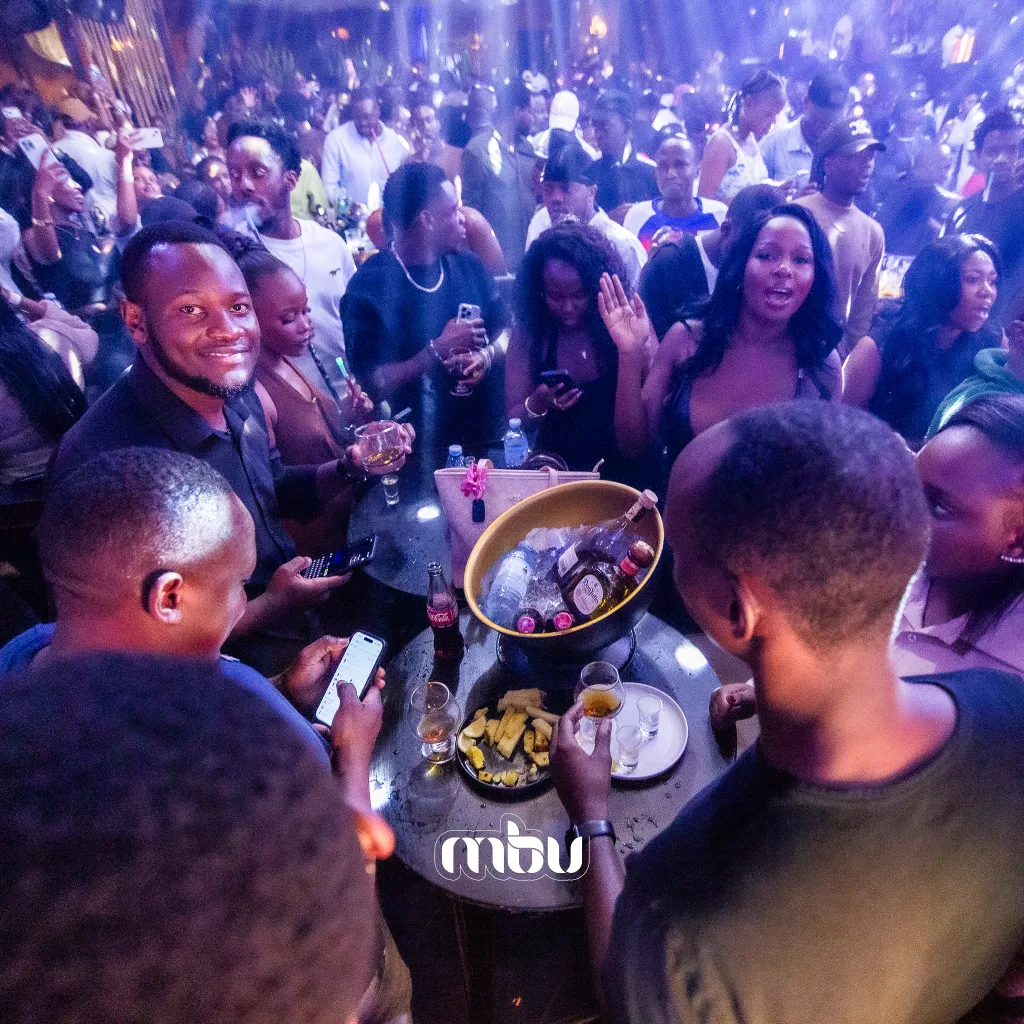
    Bandali Rise was on fire as Silo 15 celebrated two years of non-stop vibes, pulling in Kampala’s party elite for a night that felt more like a festival than a club anniversary.

    The night built up in waves, with City Girl, Ken The DJ (Kenya) and Etania setting the tone through seamless sets, while hyped MCs kept the crowd locked in before South Africa’s Uncool MC capped it off with an explosive headline performance.

    At the center of the experience was Don Julio, not just pouring drinks but driving the night’s bold, elevated feel. Through immersive cocktail moments and a clear focus on lifestyle empowerment, the brand stamped its authority on the celebration, turning every corner of Silo 15 into a statement of class, confidence, and curated enjoyment.

    Two years in, Silo 15 isn’t just hosting parties but shaping Kampala’s nightlife culture. And if this anniversary was anything to go by, the venue isn’t easing up anytime soon. It’s getting louder, bigger, and even harder to ignore.

    The post Silo 15 Marks Two Years with Electrifying Anniversary Celebration (Pictorial) appeared first on MBU.

About UGNEWS24

UGNEWS24 is a Uganda local news service, a product of SOLAVIA GROUP LIMITED, Reg. No. 80048169153974.

Registered office

Plot 2335, Buwambo-Katadde-Najjo Road,
Nansana Municipality, Wakiso District, Uganda
P.O. Box 214231, Kampala

© 2026 SOLAVIA GROUP LIMITED. All rights reserved.