Author: admin

  • AI Platform to Predict Breast Cancer Chemotherapy Resistance in Advance Developed

    AI Platform to Predict Breast Cancer Chemotherapy Resistance in Advance Developed

    By Brian Musaasizi

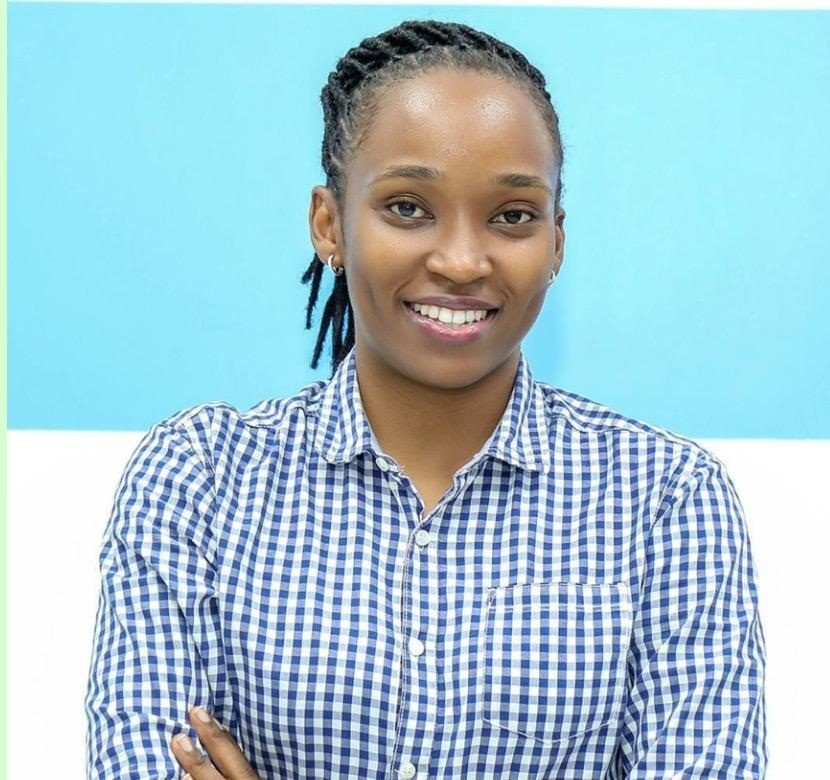
    CHIL AI Lab, an African-led health technology company, has announced a breakthrough in breast cancer care. Their new AI platform can detect signs that a patient’s treatment is not working, much earlier than ever before. Instead of giving a simple “yes” or “no,” the system gives a confidence score, so doctors always know how sure the AI is.

    The project is led by Dr. Nabuuma Shamim Kaliisa, who designed the platform to solve a painful problem as many patients wait up to six months just to find out if their treatment is working.

    Most medical AI works like a “black box” giving an answer but doesn’t explain why. CHIL AI Lab’s platform is different. It measures how confident it is with every scan, working more like a trusted specialist than a machine.

    When the AI is unsure about a scan, it says so — and immediately flags the case for a doctor to review, rather than guessing.

    The platform can spot warning signs that treatment may not be working as early as the first 21 days — instead of waiting months.

    It gives oncologists a range of possibilities, helping them decide sooner whether to change a patient’s treatment plan.

    The study ran for 24 months and included 306 patients across multiple cancer centers in Africa. The results showed that the AI’s early confidence scores accurately predicted how patients would respond to treatment by the end of their care.

    “In oncology, an ‘I don’t know’ from a tool can be just as life-saving as a ‘Yes,’” said Dr. Nabuuma Shamim Kaliisa. “By building a system that can quantify its own certainty, we are giving doctors a tool they can actually trust. We are moving away from guessing and toward a future where we can pivot treatment the moment the math shows a high probability of failure.”

    The CHIL AI Lab team will present their findings at the upcoming World Health Assembly. Their work shows that advanced, life-saving technology can be built in Africa — and that it is urgently needed across emerging healthcare markets.

    The team is now moving into the next phase, expanding the platform to cover more cancer types and improve its accuracy even further.

  • Op-ed: Give to Gain-Empowering Women in the Workplace to transform lives

    Op-ed: Give to Gain-Empowering Women in the Workplace to transform lives

    In today’s evolving workplace, building an inclusive environment is no longer optional. It is essential for sustainable growth, innovation, and social progress. At Equity Bank Uganda, inclusion is not simply a policy statement but a deliberate strategy embedded across recruitment, leadership development, employee wellness, and career advancement.

    As the world commemorates International Women’s Day every March, organizations are reminded of the importance of empowering women both socially and economically. At Equity Bank, this moment is an opportunity to reflect on how intentional workplace practices can unlock the potential of women and, in turn, transform communities.

    Creating an inclusive workplace begins with equitable systems. At Equity Bank, the recruitment process is designed to ensure there is no discrimination based on gender. Talent is recognized as talent, regardless of who it comes from.

    This approach has helped the bank maintain a workforce that is nearly balanced in gender representation. However, achieving balance in numbers is only the first step. The real work lies in creating opportunities for growth, leadership, and influence.

    Women are encouraged to take up space, share ideas, and participate actively in shaping the future of the organization. Providing such opportunities ensures that women are not only represented but empowered to contribute meaningfully.

    Over the past five years, the bank has implemented targeted programs aimed at strengthening women’s leadership within the organization.

    One notable initiative is the Girls for Girls mentorship program, which has seen more than 100 staff members participate. Through this initiative, women receive mentorship, professional guidance, and leadership exposure that prepares them for more senior roles.

    The results have been encouraging. More than 30 women from middle management have transitioned into senior leadership roles, while others have taken on new leadership responsibilities across the organization.

    The progress is also visible at the executive level. In 2019, only three women served on the bank’s Executive Committee (EXCO). Today, gender representation at that level has reached parity.

    This transformation demonstrates how deliberate leadership development programs can change organizational structures and create pathways for women to lead.

    True empowerment requires supporting employees not just professionally but also personally.

    Over the years, the bank has introduced several workplace policies aimed at improving the well-being of working mothers. For example, mothers are entitled to 60 days of maternity leave, which can be combined with 21 days of annual leave, giving them additional time to bond with their newborns.

    Upon returning to work, mothers are granted two hours off within the eight-hour workday to attend to their babies. The workplace also provides dedicated nursing rooms where mothers can breastfeed or express milk in privacy and comfort.

    These provisions allow women to meet professional deadlines while continuing to nurture their children during those critical early months.

    Complementing these initiatives is a strengthened medical scheme that ensures mothers and their newborns have access to quality healthcare services during and after childbirth.

    Such policies demonstrate that supporting women at work is not just about representation but about creating systems that enable them to thrive.

    An inclusive workplace benefits both employees and organizations. At Equity Bank, these policies have contributed to a high retention rate among female staff, increased recruitment of women, and steady progression of women into senior management roles.

    The organization is also revitalizing employee engagement platforms such as women’s and men’s clubs to equip staff with the skills, tools, and networks needed to thrive professionally and personally.

    When employees feel supported and valued, they are more productive, more innovative, and more committed to organizational goals.

    Organizations that aspire to build inclusive workplaces must be intentional in their approach. First, recruitment processes must be designed to eliminate bias and provide equal opportunities for both men and women.

    Second, companies should analyze internal data to identify gaps and develop targeted programs that address those gaps. Mentorship initiatives, leadership training, and professional development opportunities should be accessible to everyone while also addressing the unique challenges faced by different groups.

    Third, organizations must pay attention to broader societal trends that affect employees. Issues such as mental health, workplace stress, and burnout have become increasingly prevalent and require thoughtful intervention.

    Employers that respond proactively to these realities are better positioned to build resilient and productive workforces.

    For young women stepping into professional environments, the journey requires clarity, resilience, and continuous learning.

    Understanding your strengths, abilities, and purpose is a crucial first step. Aligning personal goals with professional ambitions helps create a meaningful career path.

    Mentorship is equally important. Finding a mentor in a field you admire can provide valuable guidance, insight, and encouragement during moments of uncertainty.

    Equally important is maintaining balance. In a fast-changing world, flexibility and openness to new opportunities are essential qualities for growth.

    Above all, young professionals should remember to value themselves, nurture their well-being, and enjoy the journey of personal and professional development.

    Empowering women in the workplace goes beyond individual success. It creates ripple effects across families, communities, and economies.

    When women are supported to grow, lead, and thrive, organizations become stronger and societies become more equitable.

    At Equity Bank Uganda, the philosophy is simple but powerful-when you invest in people, you transform lives.

    And when women are given the opportunity to lead, the impact reaches far beyond the workplace.

    Juliet Muheirwe is the Head of Human Resource at Equity Bank Uganda.

  • BINYANYA STORM HITS LONDON! DJ Ssuuna Ben, Mbaziira Tony Lead Ugandan Invasion at UG Fest 2026…Cindy, A Pass, Ray G, Omega 256, Vyroota Stabua Natooro Lined Up

    BINYANYA STORM HITS LONDON! DJ Ssuuna Ben, Mbaziira Tony Lead Ugandan Invasion at UG Fest 2026…Cindy, A Pass, Ray G, Omega 256, Vyroota Stabua Natooro Lined Up

    By Our Reporter

    Ugandan vibe is set to shake the UK as DJs Ssuuna Ben and Mbaziira Tony prepare to export their fast-rising ‘Binyanya’ sound to London at the highly anticipated UG Fest 2026.

    The duo will take center stage on July 4th, 2026, at the Newham Leisure Centre, where thousands are expected to gather for one of the biggest Ugandan diaspora events in Europe.

    Known for their electrifying ‘Binyanya’ style, DJ Ssuuna Ben and Mbaziira Tony will share the spotlight with a powerhouse lineup of Uganda’s top entertainers. Music lovers should brace for performances from Cindy Sanyu, A Pass, Ray G, Omega 256, Vyroota and Stabua Natooro, among others.

    suuna Ben and Mbaziira Tonny of the ‘binyanyanya’ Fame

    The UG Fest is brainchild of city-based promoter Joseph Kiggundu, popularly known as Jose of Jobslink Group. He describes the event as more than just a music show — a full cultural experience aimed at uniting Ugandans across the diaspora.

    “This festival is all about family, culture, and community,” Kiggundu said, noting that unlike previous shows, UG Fest 2026 is designed as an all-day, all-age celebration.

    To encourage family participation, children under 12 will pay just £5, a move aimed at giving young Ugandans in the diaspora a chance to connect with their roots through music, food, and cultural showcases.

    Promoter Joseph Kiggundu of Jobslink Group who is behind the event

    Beyond the music, the festival will also feature exhibitions of Ugandan-made products, tourism showcases, and networking opportunities for Ugandans living across the UK and Europe.

    Powered by brands like New Vision, Bukedde, Housing Finance Bank, Victoria University, Ethiopian Airlines, Centenary Bank, and others, UG Fest 2026 is shaping up to be a major cultural export — and a loud reminder that Ugandan music is going global.

  • King Charles Names Nigerian Jollof His Favourite

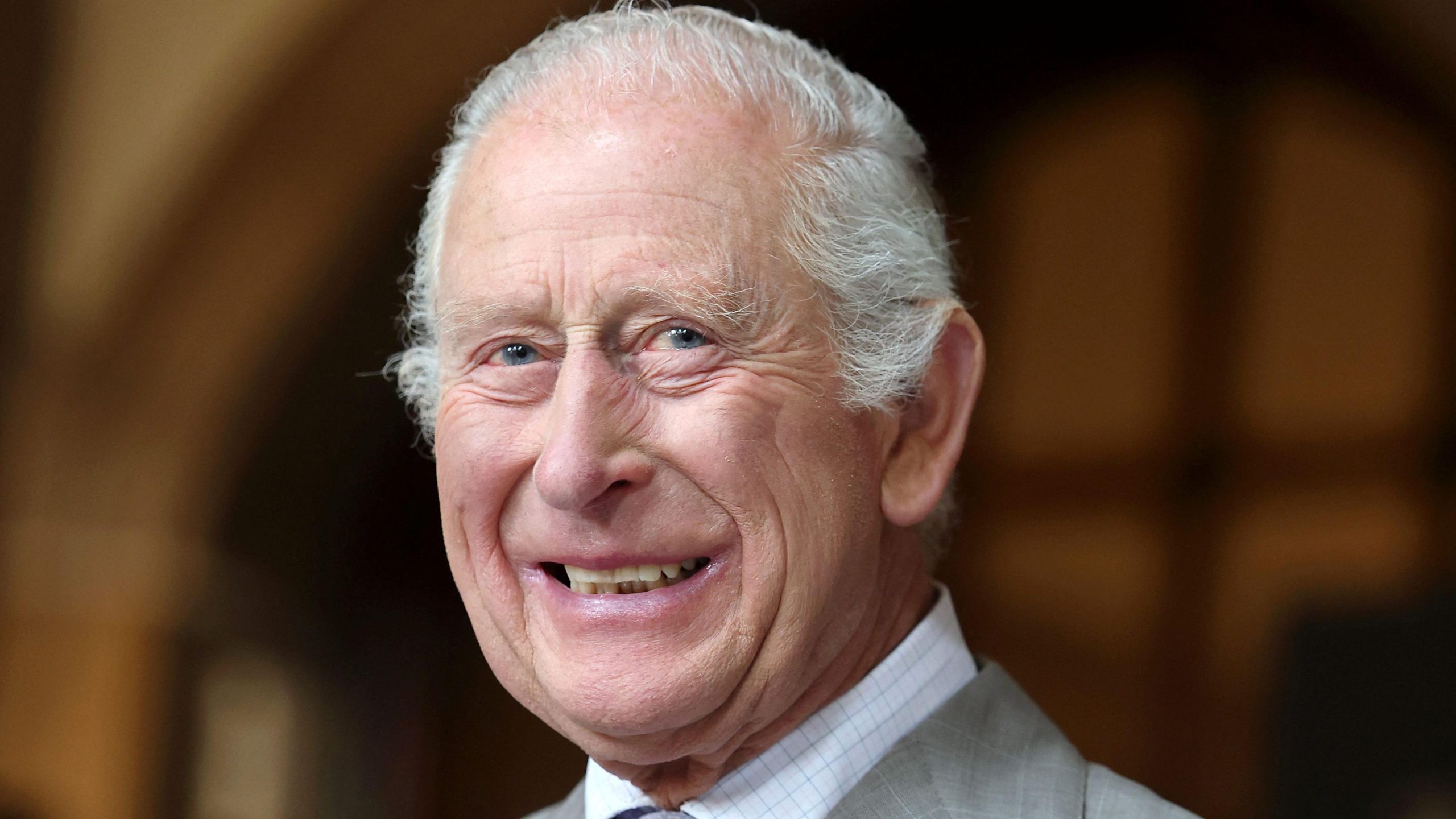
    King Charles Names Nigerian Jollof His Favourite

    A familiar debate has returned to the spotlight after King Charles III revealed his pick in one of West Africa’s most talked about food rivalries.

    During a recent moment with Bola Tinubu at Windsor Castle, the British monarch openly sided with Nigerian jollof, instantly sparking reactions online.

    As he spoke, he recalled hosting a themed gathering at St James’s Palace, where guests came together to celebrate the popular dish in a relaxed setting.

    We in the United Kingdom are blessed with so many people of Nigerian heritage… Last year, I was delighted to host a jollof and tea party at St James’s Palace. I was firmly assured that the jollof was the best, Nigerian, of course

    Following the comment, conversations quickly picked up across social platforms.

    Many users welcomed his choice and praised Nigerian jollof, while others strongly defended Ghana’s version.

    At the same time, the long standing “jollof wars” found new energy, with both sides once again making their case.

    Although the debate often stays lighthearted, it continues to reflect pride, identity, and cultural connection across the region.

  • Usher Appears Unbothered After Oscars Party Clash with Bieber

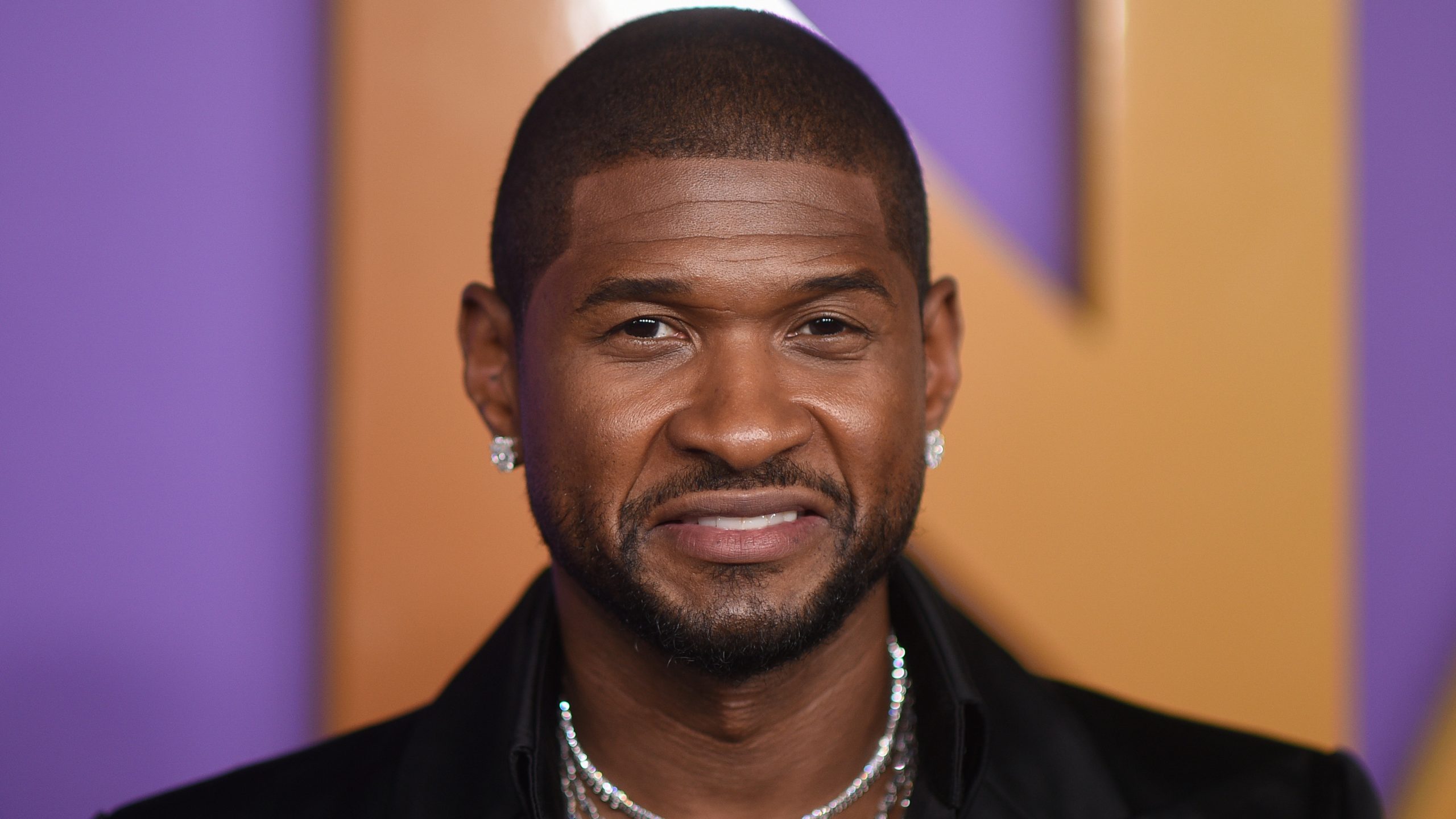
    Usher Appears Unbothered After Oscars Party Clash with Bieber

    Usher looks unbothered days after his reported clash with Justin Bieber.

    He recently walked through Los Angeles with a calm and relaxed demeanor, despite the headlines surrounding the incident.

    The situation started at an Oscars after party hosted by Beyoncé and Jay-Z, where the two artists reportedly exchanged heated words.

    Early reactions suggested a physical altercation, but sources close to Bieber insist the moment stayed verbal, even though it got intense.

    Sources say Usher approached Bieber during the event, which led to the confrontation. The exact cause remains unclear, and insiders add that the exchange ended quickly.

    The incident has drawn attention because of their history, especially as reports point to growing distance between them over time.

    For now, Usher keeps his composure in public, even as questions about the encounter continue to circulate.

  • Usher and Justin Bieber Clash at Oscars After Party

    Usher and Justin Bieber Clash at Oscars After Party

    A tense moment reportedly unfolded between Usher and Justin Bieber at a high profile Oscars after party.

    The event, hosted by Beyoncé and Jay-Z, drew a packed guest list, making the situation even more noticeable.

    According to sources, Usher approached Bieber during the night, which led to a heated exchange between the two.

    While early talk suggested the situation may have turned physical, sources close to Bieber insist there was no fight, describing the moment as intense but limited to a verbal clash.

    Details about what triggered the disagreement remain unclear, though insiders say the exchange did not last long.

    The incident has raised eyebrows given the pair’s history, with reports suggesting distance has grown between them over time.

    With many high profile guests present at the party, several witnesses may have seen the exchange.

    So far, Usher’s camp has not publicly responded, leaving questions about what really happened still unanswered.

  • Pussycat Dolls Reunion Faces Backlash Over Missing Members

    Pussycat Dolls Reunion Faces Backlash Over Missing Members

    Nicole Scherzinger, Ashley Roberts, and Kimberly Wyatt have addressed questions surrounding the Pussycat Dolls reunion tour.

    The trio appeared on Today, where attention quickly shifted to the group’s lineup and the absence of other original members.

    Fans had already raised concerns after Carmit Bachar and Jessica Sutta revealed they were not invited to take part.

    During the interview, Scherzinger attempted to explain the situation but struggled to fully articulate the group’s reasoning before Wyatt stepped in.

    Wyatt clarified that the group has evolved over time, adding that the current lineup reflects where things stand as they move forward.

    Scherzinger later echoed that sentiment, saying there is still respect for everyone who contributed to the group’s journey.

    The trio is now preparing for a 53 show tour across multiple countries, marking their return to the stage.

    While excitement builds around the comeback, questions about the missing members continue to follow the group.

  • Brandy Denies Dating Shyne Ahead of Memoir Release

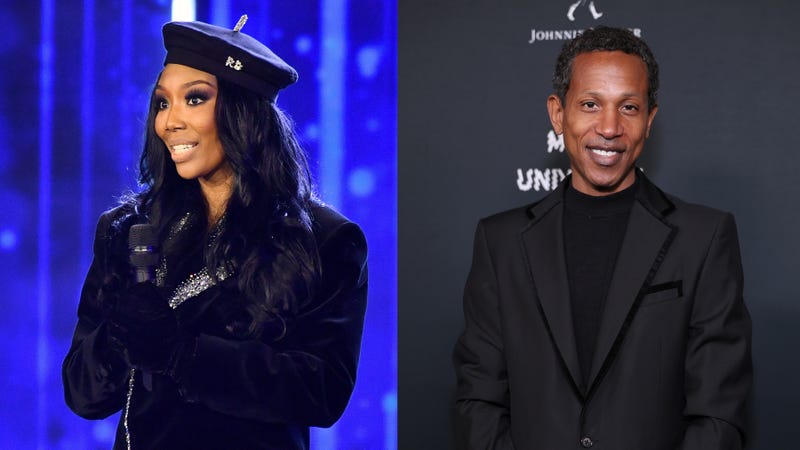
    Brandy Denies Dating Shyne Ahead of Memoir Release

    A long standing claim about Brandy has been addressed, and the singer is making her position clear.

    She has denied ever dating Shyne, calling the narrative a misrepresentation of what was simply a friendship.

    According to her, the story has resurfaced in recent media discussions, prompting her to respond and set the record straight.

    The moment ties into a larger move she is making.

    With her upcoming memoir “PHASES”, Brandy says she is ready to take control of her own story and correct long held assumptions about her life.

    She also addressed public commentary around her family, noting that while she supports Ray J, he does not speak on her behalf.

    Beyond the headlines, the book offers a deeper look at her career and personal journey.

    It covers her rise to fame, including her role in “Moesha” and her appearance in “Cinderella” alongside Whitney Houston, while also reflecting on challenges she has faced over the years.

  • Andrew Baba: Kadaga, Mao, Babalanda, Mayiga, Ruth Aceng! Who Will Museveni Name Next VP?

    Andrew Baba: Kadaga, Mao, Babalanda, Mayiga, Ruth Aceng! Who Will Museveni Name Next VP?

    Andrew Baba: Mao, Kadaga, Babalanda, Aceng, Mayiga, Kasolo! Who Will Museveni Name Next VP?


    Following his confirmation as President in the gazette and the impending swearing‑in ceremony at Kololo, President Yoweri Kaguta Museveni now turns to the delicate, almost ritualistic task of assembling the cabinet that will carry him through the next five years. Those who have watched him closely say he has been moving with a small, weather‑beaten notebook — a private ledger of names, loyalties, debts, and political equations. In it, he scribbles, crosses out, rewrites, and reconsiders, as though the future of the republic is being drafted in shorthand on its yellowing pages. But among all the positions he must fill, none weighs more heavily on his mind than the Vice Presidency. In a season where the question of political transition hangs in the air like a stubborn fog, the choice of Vice President becomes more than ceremonial. It becomes a statement of intent, a signal to allies and adversaries alike, and perhaps even a clue — however faint — about the shape of Uganda after Museveni.


    For four decades, Museveni has chosen his deputies with the caution of a man handling explosives. The Vice President is the person he leaves in charge when he travels, the one who chairs cabinet in his absence, the one who symbolically stands closest to the throne. That person must be loyal beyond question, predictable beyond ambition, and politically safe beyond imagination. Yet history shows that Museveni’s choices have never been driven by loyalty alone. They have been shaped by a delicate cocktail of religion, region, and political necessity. From Dr. Samson Kisekka to Dr. Specioza Wandira Kazibwe, from Prof. Gilbert Bukenya to Edward Kiwanuka Ssekandi, and now Maj. (Rtd) Jessica Alupo, the pattern is unmistakable: Catholics have dominated the slot, balancing the Anglican Museveni in a country where religious identity still quietly shapes political legitimacy. Regionally, the story is similar. Only Buganda/Central and Eastern Uganda have produced Vice Presidents under Museveni — a reflection of electoral realities. Northern Uganda, long hostile to the NRM during the LRA war years, only warmed up to Museveni after 2016 and especially 2021. Now, with the north delivering unprecedented numbers in two consecutive elections, the political logic of rewarding them has never been stronger.


    Jesica Alupo Out of The Equation?


    Maj. (Rtd) Jessica Alupo has been, by all accounts, the perfect Museveni Vice President — visible but not loud, present but not ambitious, dutiful without overstepping. Like her predecessor Ssekandi, she mastered the art of being a Vice President without behaving like one. She has not built a political empire, has not cultivated a personal constituency, and has not threatened the center of power. In Museveni’s world, that is the gold standard. But politics is rarely about performance alone. With Anita Annet Among almost certain to retain the Speakership, the idea of keeping Alupo — another daughter of Teso — becomes politically awkward. Teso has already been rewarded handsomely: a Deputy CDF, a Governor of the Bank of Uganda, and the Speakership if Among stays. Adding the Vice Presidency to that list would tilt the regional balance beyond what Museveni typically tolerates. In short, Alupo’s fate may be sealed not by her performance, but by geography.


    Time for Northern Uganda?


    If Museveni were to follow his long‑standing logic of rewarding regions that deliver politically, Northern Uganda would be the natural destination for the next Vice President. The region’s political transformation is one of the most dramatic in recent Ugandan history. Once the epicenter of anti‑NRM sentiment, the north has, in the last two election cycles, swung decisively toward Museveni — a shift that stunned even seasoned political observers. This newfound loyalty demands recognition. And Museveni, ever the political chess master, knows that rewarding the north could consolidate this fragile but valuable alliance. But who from the north fits the bill?


    Moa, Todwong, or Aceng?


    If the next Vice President were to come from Acholi, Norbert Mao’s name would naturally dominate the conversation. The DP President‑General has spent the last two years positioning himself as the intellectual and political redeemer of Acholi’s lost glory. His boldness — sometimes bordering on provocation — has made him both admired and feared. His public dismissal of Anita Among as “an accidental Speaker” was not just political theatre; it was a declaration of Acholi entitlement to national leadership. As a Catholic, Mao fits Museveni’s religious balancing formula. As an Acholi, he satisfies the regional equation. As a former presidential candidate, he brings national name recognition. But therein lies the problem. Mao has twice sought Museveni’s job. His ambition is not a secret. And Museveni has historically avoided appointing ambitious men to positions that place them a heartbeat away from the presidency. The last time he tried it — with Prof. Gilbert Bukenya — it ended in a messy political divorce. Still, there is a theory circulating in the corridors of power: if Museveni endorses Among for Speaker, Mao may be consoled with the Vice Presidency. A classic Museveni move — reward the north by replacing the late Jacob Oulanyah with another Acholi, and lure the opposition into the warm embrace of government with the promise of high office. But Mao is a gamble. And Museveni rarely gambles.


    If Mao is the wild card, Richard Todwong is the safe option. A former UPC man turned NRM loyalist, Todwong is Catholic, northern, disciplined, and ideologically aligned with the President. As NRM Secretary General, he has demonstrated loyalty without theatrics, ambition without threat, and competence without controversy. He is the kind of man Museveni likes: predictable, steady, loyal, and politically house‑trained. If Museveni wants a northern VP without the Mao headache, Todwong is the obvious choice.


    Then there is Dr. Jane Ruth Aceng, the woman who broke UPC’s decades‑long dominance in Lango by defeating Betty Amongi in Lira Municipality. Her victory was not just electoral; it was symbolic. In a region where UPC still commands emotional loyalty, Aceng’s triumph signaled a shift that Museveni would be eager to consolidate. Her COVID‑19 leadership earned her national respect. Her technocratic discipline appeals to Museveni’s preference for non‑threatening deputies. But the Acholi question complicates her chances. If the north is to be rewarded, Acholi — not Lango — may argue that they have waited longer and sacrificed more. Still, Aceng remains a dark horse — quiet, competent, and politically useful.


    Another VP from Busoga: Kadaga, Babalanda, Nakadama?


    If Museveni decides to look eastward, Busoga becomes a strong contender. The region has produced one Vice President before — Dr. Specioza Wandira Kazibwe — and has historically been a reservoir of powerful women in Museveni’s governments: Kazibwe, Rebecca Kadaga, Kasule Lumumba, Dorothy Kisaka, Rukia Nakadama. Museveni has always trusted Basoga women with big roles. The question is: which one now?


    Kadaga led Museveni’s campaigns in Busoga with ruthless efficiency, flipping a region that had drifted toward NUP in 2021. Her loyalty has been inconsistent over the years, but age and political maturity have softened her edges. Many believe she is due for one final, historic elevation. But Kadaga comes with baggage — old rivalries, old grudges, and a reputation for independence that Museveni has not always appreciated.


    A few years ago, the idea of Babalanda as Vice President would have sounded like satire. Today, it is whispered with seriousness. As Minister for the Presidency, she has performed with quiet competence. Rumors that Museveni instructed her to seek a parliamentary seat suggest he has bigger plans for her. She is loyal, disciplined, and uncontroversial — three traits Museveni values more than charisma.


    Meanwhile, Rukia Nakadama, as Third Deputy Prime Minister, stands as one of the highest‑ranking Muslim women in government. Appointing her Vice President would counter opposition narratives that the NRM is anti‑Islam. It would also give Busoga a second shot at the VP slot after Kazibwe. She ticks many boxes — gender, religion, region, loyalty.


    What if it’s Buganda’s Turn?


    Buganda, after a five‑year political rethink, returned to the NRM with a majority of MPs. Although Kyagulanyi’s NUP edged Museveni in the presidential vote, the region’s parliamentary shift was significant. Some argue that Buganda deserves the Vice Presidency again, having lost it in 2021 when Alupo replaced Ssekandi. If Museveni chooses a Muganda VP, it would be the fourth time since 1986.

    JB Walusimbi, Peter Mayiga or Haruna Kasolo?

    Former Katikkiro John Baptist Walusimbi stands out as a Catholic, a royal, and a moderate — three qualities that make him a textbook Museveni VP. His tenure as Katikkiro was marked by diplomacy, economic initiatives like the Muganzirwazza plaza, and efforts to ease tensions between Mengo and the central government. He is unambitious, respected, and ideologically compatible with Museveni’s obsession with economic transformation.


    Charles Peter Mayiga’s name has floated around the VP conversation for years. His national stature, eloquence, and organizational discipline make him an attractive choice. But would he leave Mengo for Cabinet? And would Museveni risk empowering a man with such influence in Buganda?


    Then there is Haruna Kasolo, the Kyotera MP and State Minister for Microfinance, whose grassroots mobilization and economic empowerment programs have earned him credibility. Naming him VP would be a strategic strike into Greater Masaka — a region long hostile to Museveni but now showing signs of political fatigue with the opposition.


    The Author is a Political Observer, Journalist And Assistant RCC for Nyendo Mukungwe, Masaka City.

    Do you have a story in your community or an opinion to share with us: Email us at Submit an Article
  • How ECOTRUST supports communities to protect water sources

    Every year on 22nd March, the world celebrates World Water Day to highlight the importance of freshwater and the need to protect water resources amidst the global water crisis. The day reminds governments, organizations and communities that clean and safe water is essential for life, health and development. The theme for 2026 is “Water and Gender,” which emphasizes the unequal effects of the global water crisis on women and girls. Thus, advocating for their leadership, equal rights, and representation in water-related decision-making processes.

    In Uganda, many communities depend on natural water sources such as rivers, springs, wetlands and streams for their daily needs. These water sources provide water for drinking, cooking, farming and livestock. However, many of these important resources are under increasing pressure due to deforestation, poor farming practices and population growth. When trees are cut down and land is left bare and not well managed, soil is easily washed into rivers and springs, making the water dirty and unsafe.

    As the world marks World Water Day, it is important to recognize the efforts of organizations working with communities to protect these valuable resources. One such organization is Environmental Conservation Trust of Uganda (ECOTRUST), which has spent over 25 years supporting communities to conserve nature while improving their livelihoods.

    One of the main ways ECOTRUST supports communities is through tree planting initiatives. Trees play a very important role in protecting water sources. Their roots help hold the soil together, preventing soil erosion and reducing the amount of dirt that flows into rivers and streams. When trees are planted near water bodies, they help keep the water clean and protect the environment. ECOTRUST encourages farmers to plant and care for trees, especially near rivers, wetlands and springs.

    ECOTRUST also focuses on community-led solutions. The organization works closely with local people, using their local knowledge and ideas to find the best ways to protect land and water. Through meetings, training sessions and workshops- communities learn better land management practices. For example, farmers are encouraged to leave buffer zones around water sources. These natural areas help filter water, prevent pollution, and protect rivers and streams.

    Another important approach promoted by ECOTRUST is sustainable farming. Farmers are trained in agroforestry, where crops are grown together with trees. This improves soil fertility, increases farm productivity, and at the same time protects nearby water sources.

    In addition, ECOTRUST has introduced innovative solutions such as Nature credits including both Carbon credits and Biodiversity credits, also known as Biocredits. These are rewards for conservation efforts given to farmers who plant and protect trees and conserve biodiversity. By combining carbon credits with biodiversity credits, farmers can earn income while protecting the environment. This creates a strong reason for communities to care for forests and water sources because they benefit both financially and environmentally.

    The organization also promotes co-creation, where experts and local communities work together to design solutions that reduce environmental risks while improving livelihoods. This ensures that conservation efforts are practical and suited to the local environment.

    To improve transparency and trust, ECOTRUST uses digital tools such as mobile applications, drones, camera traps and audio monitoring devices. These tools help track and measure environmental impact in a clear and scientific way, while still allowing communities to take the lead in implementation.

    Another key strength of ECOTRUST is turning local innovation into real opportunities. By supporting smallholder farmers to lead forestry and conservation efforts, communities can create new income streams from forest products. This makes protecting nature not just an environmental activity, but also a sustainable business.

    ECOTRUST also works closely with local leaders, farmer groups, and community organizations to strengthen conservation efforts. Community involvement is important because the people who live near these water sources depend on them the most. When communities are engaged, involved and empowered with knowledge, tools, and incentives, they are more committed to protecting these resources.

    As the world celebrates World Water Day, the message is clear: protecting water sources is everyone’s responsibility. Clean water is essential for good health, food production, and sustainable livelihoods. The work being done by ECOTRUST shows that when communities are supported and involved, they can play a powerful role in protecting water sources for today and future generations.

About UGNEWS24

UGNEWS24 is a Uganda local news service, a product of SOLAVIA GROUP LIMITED, Reg. No. 80048169153974.

Registered office

Plot 2335, Buwambo-Katadde-Najjo Road,
Nansana Municipality, Wakiso District, Uganda
P.O. Box 214231, Kampala

© 2026 SOLAVIA GROUP LIMITED. All rights reserved.