Author: admin

  • Hon. Phiona Nyamutoro’s pregnancy glow attracts attention

    Hon. Phiona Nyamutoro’s pregnancy glow attracts attention

    As musicians flocked to the Uganda Parliament to witness the Copyright Amendment Act being passed, our snoops had their eyes on a few other things.

    The improved fashion of our artists, who showed up clad in elegant suits and attire that covered their skin, impressed many of us.

    The other thing that caught many people’s attention was Hon. Phiona Nyamutoro’s bulging baby bump.

    In one of the videos, as the State for Energy and Mineral Development (Minerals) exited her car to make way into the parliament, her glow and baby bump were visible, very much to the pleasure of awaiting journalists.

    ”Oh, she is pregnant bambi,” one blogger was heard mentioning, adding to several similar comments that have since been littered online.

    It should be remembered that Hon. Nyamutoro’s husband, Eddy Kenzo, confirmed her pregnancy in January.

    Congratulations to them!

    The post Hon. Phiona Nyamutoro’s pregnancy glow attracts attention appeared first on MBU.

  • Simplifi Networks Signs Master Distribution Agreement with Huawei Technologies Expanding Reliable Networking Solutions for SMEs Across Africa

    Simplifi Networks Signs Master Distribution Agreement with Huawei Technologies Expanding Reliable Networking Solutions for SMEs Across Africa

    [March 2026, Kampala, Uganda] Simplifi Networks, in partnership with Huawei Technologies Uganda Co. Limited has officially signed a strategic agreement granting Simplifi Networks a Master Distributor status for Huawei enterprise networking products across its channel. This significant milestone aims to strengthen Uganda’s digital infrastructure and technology ecosystem.

    With this partnership in place, Simplifi Networks will distribute a wide range of Huawei’s enterprise Ekit products, including advanced Wi-Fi systems, switches, routers, and network infrastructure technologies designed to support businesses, educational institutions, telecom providers, and government organisations across East Africa.

    The agreement positions Simplifi Networks as a key player in delivering high-performance, secure, and scalable connectivity solutions to meet the increasing demand for reliable digital infrastructure as Uganda accelerates its digital transformation agenda.
    Speaking about the partnership, Ken Stober, CEO of Simplifi Networks, noted that the collaboration reflects a shared commitment to making world-class networking technologies more accessible to businesses and institutions. Simplifi offers the best technology choices in the region for our customers.

    “This partnership with Huawei represents an important step in expanding access to cutting-edge networking solutions. As demand for reliable connectivity continues to grow, we are excited to bring Huawei’s globally recognised technologies closer to our partners and customers.”

    Huawei is globally recognised for its innovation in ICT infrastructure and smart connectivity solutions, serving enterprises and telecom operators in more than 170 countries. By leveraging Huawei’s advanced technologies and Simplifi Networks’ strong regional distribution network, the partnership is expected to significantly enhance the availability of enterprise-grade networking solutions within the country.
    This milestone reinforces Simplifi Networks’ mission to simplify access to reliable networking infrastructure across Africa while supporting Uganda’s broader digital transformation and connectivity goals. Stay tuned for more details!

    About Simplifi Networks

    Simplifi Networks is a Leading value-added distributor of wireless transmission equipment, fibre backbone, FTTX, Wi-Fi access points, enterprise networking, and IP CCTV solutions for commercial and residential markets.

    Known for its High-quality products and expert support across East Africa. Simplifi Network is the master distributor for Ubiquiti, Mikrotik, Ruijie, Sopto, and other products.

    About Huawei Technologies

    Huawei Technologies is a leading global provider of information and communications technology (ICT) infrastructure and smart devices. With integrated solutions across four key domains of telecom networks, IT, smart devices, and cloud services, Huawei is committed to bringing digital to every person, home and organisation for a fully connected, intelligent world.

    Huawei’s end-to-end portfolio of products, solutions and services is both competitive and secure. Through open collaboration with ecosystem partners, Huawei create lasting value for its customers, working to empower people, enrich home life, and inspire innovation in organisations of all shapes and sizes.

    At Huawei, innovation focuses on customer needs with heavy investments in basic research, concentrating on technological breakthroughs that drive the world forward. By December 31, 2025, Huawei had 208,000 employees world over, 54.1% of whom were Research & Development employees.

    For more information, please visit Huawei online at www.huawei.com or follow us on:
    http://www.huawei.com/za/

    https://www.facebook.com/HuaweiSAR
    http://www.linkedin.com/company/Huawei

    Do you have a story in your community or an opinion to share with us: Email us at Submit an Article

  • Ugandan Teacher Battles Lupus as High Treatment Costs Expose Gaps in Chronic Care

    Ugandan Teacher Battles Lupus as High Treatment Costs Expose Gaps in Chronic Care

    Kampala, Uganda — Norah Atuhire, a 34-year-old primary school teacher formerly attached to Lotesi Kindergarten in Nabbingo, is battling a severe autoimmune condition that has significantly altered her health, livelihood, and family stability.

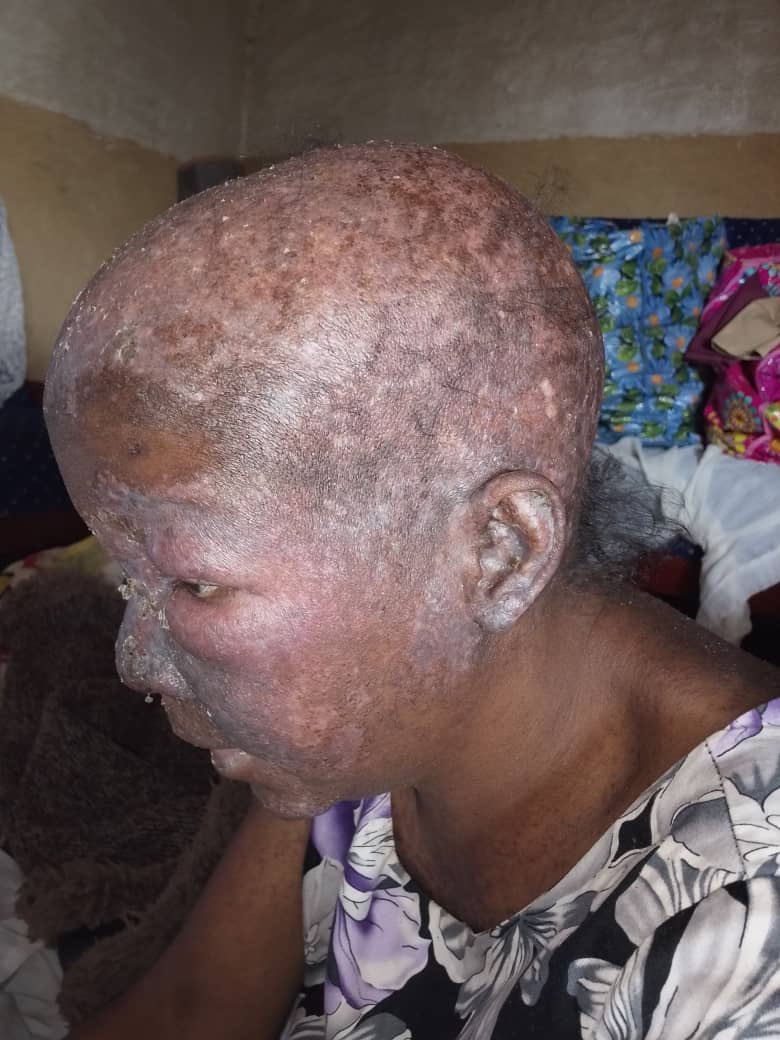
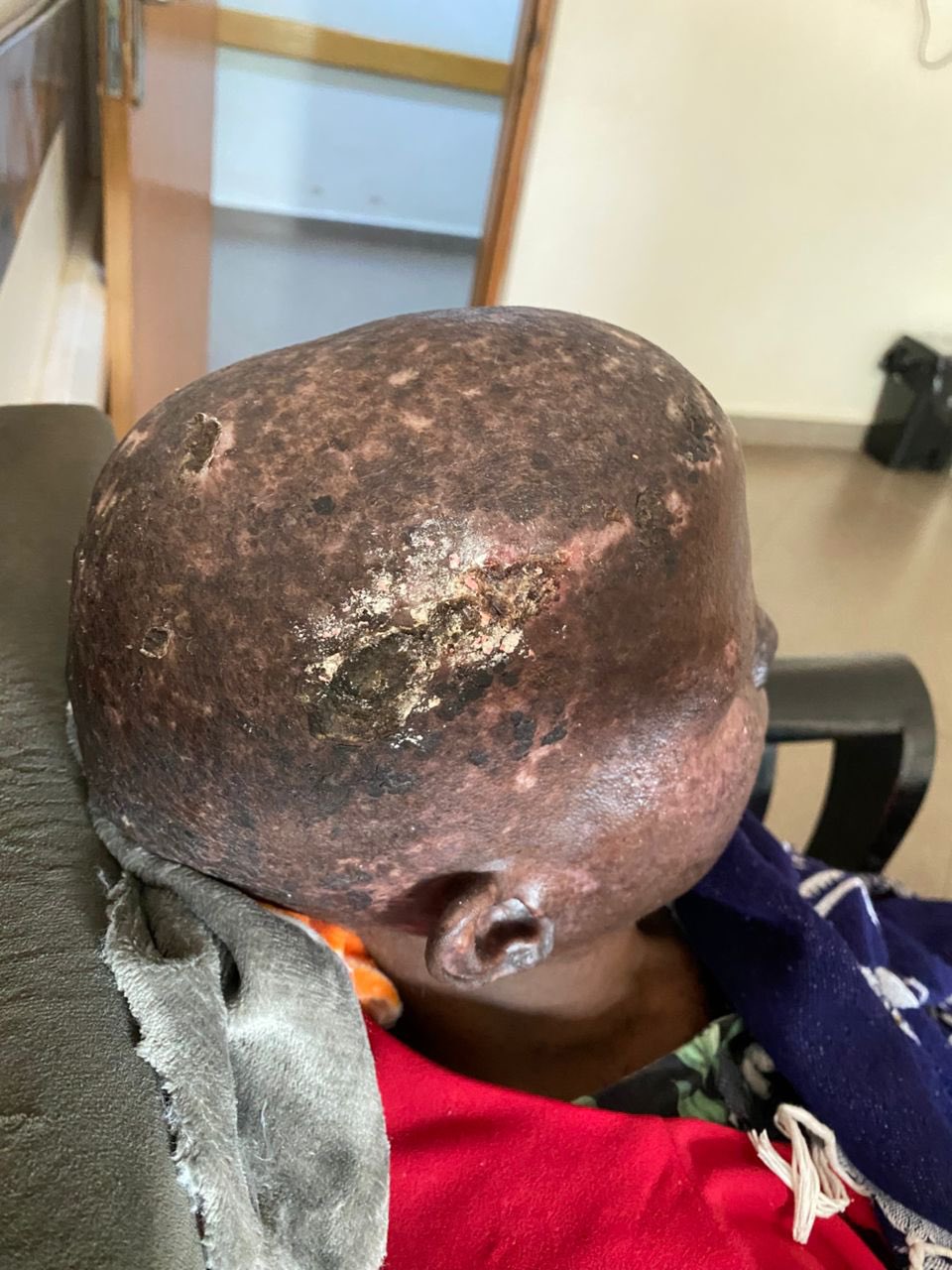
    Once active and working, Atuhire is now undergoing treatment for Systemic Lupus Erythematosus (SLE), a chronic illness in which the body’s immune system attacks its own tissues, affecting organs such as the skin, joints, and, in some cases, the brain and kidneys.

    Her condition began in 2023, shortly after the birth of her second child. According to family members, she developed facial swelling, hair loss, and skin lesions, prompting medical consultations that eventually led to a diagnosis at Nakasero Hospital.

    Treatment Journey and Financial Strain

    Following diagnosis, Atuhire began treatment but faced high medical costs, leading to her transfer to Mulago National Referral Hospital for more affordable care.

    Family members say initial treatment required several hundred thousand shillings, covering medication but excluding some diagnostic tests and admission expenses. While her condition briefly stabilized, it later deteriorated, affecting her ability to work.

    She has since stopped teaching and now depends largely on support from relatives, friends, and well-wishers. Her children have also reportedly missed school due to financial constraints linked to her medical care.

    Currently, her family estimates that managing her condition requires approximately UGX 600,000 every two weeks, covering consultations, laboratory tests, and medication. Medical practitioners note that lupus treatment costs vary widely depending on severity, with some patients managing on lower monthly budgets, while more complex cases require significantly higher expenditure.


    Understanding Lupus and Access to Care

    According to medical experts, SLE commonly affects women of reproductive age and presents differently in each patient. While there is no cure, the condition can often be managed effectively with early diagnosis and consistent treatment.

    However, access to specialized care remains limited in many parts of Uganda and the wider region. Rheumatology services are still developing, and patients may rely on general physicians for long-term management. In addition, the availability and affordability of certain medications can vary between public and private health facilities.

    Government efforts to expand healthcare infrastructure and improve access to services are ongoing, including discussions around broader health insurance coverage. However, like many chronic conditions, lupus care often requires sustained treatment and regular monitoring, which can present financial challenges for some households.


    Community Support Efforts

    On March 17, Ugandan academic and cartoonist Jim Spire Ssentongo shared Atuhire’s story on social media, with her consent, alongside a fundraising appeal to support her ongoing treatment.

    The appeal, which seeks approximately $4,000 (about UGX 14.8 million), has drawn responses from members of the public contributing towards her care.

    Family representatives say the funds would help stabilize her condition and ensure continuity of treatment in the short term.


    A Broader Conversation

    Health sector observers note that Atuhire’s situation reflects broader challenges faced by patients living with chronic illnesses that require long-term care. While some patients are able to manage their conditions successfully, others encounter financial and logistical barriers that affect continuity of treatment.

    As Uganda continues to strengthen its healthcare system, stakeholders say there is growing need for sustained attention to chronic disease management, including awareness, early diagnosis, and access to affordable medication.

    For Atuhire, the immediate focus remains on treatment and recovery, with hopes of returning to work and restoring stability for her family.


    Do you have a story in your community or an opinion to share with us: Email us at Submit an Article

  • FULL LIST: Judicial Service Commission Announces Over 80 Job Vacancies in New Recruitment Drive

    FULL LIST: Judicial Service Commission Announces Over 80 Job Vacancies in New Recruitment Drive

    Kampala, UgandaThe Judicial Service Commission (JSC) has announced a fresh wave of recruitment under External Advert No. 4 of 2026, opening up more than 80 job opportunities across a wide range of professional and administrative roles.

    The vacancies, published on the Commission’s official platforms on Wednesday, signal a continued effort to strengthen staffing within Uganda’s justice sector, with positions cutting across communication, finance, engineering, ICT, records management, and court operations.


    Key Vacancies Announced

    Among the notable positions advertised are:

    • Principal Communications Officer (01 post) – JS52
    • Senior Personal Secretary (01 post) – JS53
    • Accountant (02 posts) – JS54
    • Senior Assistant Accountant (02 posts) – JS53
    • Assistant Accountant (07 posts) – JS56
    • Senior Librarian (01 post) – JS53
    • Librarian (01 post) – JS54
    • Civil Engineer (03 posts) – JS54
    • Assistant Engineering Officer – Civil (02 posts) – JS55
    • Systems Administrator (08 posts) – JS54
    • Assistant Systems Administrator (04 posts) – JS55
    • Court Transcriber (01 post) – JS54
    • Office Supervisor (09 posts) – JS54
    • Multi-media Officer / Senior Graphic Designer (01 post) – JS54
    • Personal Secretary (04 posts) – JS54
    • Stenographer Secretary (18 posts) – JS55
    • Court Clerk / Interpreter (22 posts) – JS55
    • Assistant Records Officer (01 post) – JS55

    Several of the roles have been marked as new, while others are re-advertised from earlier recruitment rounds in 2026.


    Application Process and Requirements

    The Commission has issued strict application guidelines that all applicants must follow:

    • Applications must be submitted using the official JSC Application Form 1 of 2021, available on the Commission’s website.
    • All documents — including a CV, passport photograph, and certified academic transcripts — must be compiled into one single PDF file.
    • Applications should be sent to the specific email address indicated for each position.
    • Only typed online applications will be accepted.

    The deadline for submission is midnight on March 23, 2026, giving applicants a limited window of five days to complete and submit their applications.


    Equal Opportunity Assurance

    The Judicial Service Commission emphasized that it is an equal opportunity employer and does not charge any fees at any stage of the recruitment process. Only shortlisted candidates will be contacted.


    Strengthening the Justice Sector

    The latest recruitment comes amid ongoing efforts to improve service delivery within Uganda’s judiciary through enhanced staffing and technical capacity.

    Observers note that positions such as court clerks, interpreters, and systems administrators play a critical role in addressing case backlog, improving records management, and supporting digital transformation within the justice system.


    Where to Find More Information

    Applicants are advised to carefully review the full job descriptions, qualifications, and detailed instructions provided in the official advert before applying.

    The complete announcement can be accessed via the Commission’s official communication channels.

    With opportunities spanning entry-level to senior positions, the recruitment drive presents a significant opening for qualified Ugandans seeking to join public service in the justice sector.


    Do you have a story in your community or an opinion to share with us: Email us at Submit an Article

  • Zari Reacts to ‘Post’ Targeting Her Marriage, Threatens Lawsuit

    Zari Reacts to ‘Post’ Targeting Her Marriage, Threatens Lawsuit

    Ugandan-born entrepreneur based in South Africa, Zari Hassan, has dismissed viral claims of trouble in her marriage, saying the circulating post did not come from her.

    On March 17, a screenshot from an account named ‘Zari the Bosslady’ circulated widely on social media, suggesting heartbreak and infidelity.

    The message quickly drew attention, but it never appeared on any of her official pages, leaving many questioning its source or assuming she had posted and deleted it.

    As the rumor spread, Zari addressed it in a video now circulating online, distancing herself from the post and accusing bloggers of pushing false claims for attention.

    She also criticized the growing obsession with her personal life, saying the constant speculation has gone too far.

    What is your intention that you are so invested in someone’s life that you can actually wake up and post a screenshot as if it is something true or something that actually happened? It says a lot about you, not the people you are writing about.

    Zari warned that sharing unverified information can carry legal consequences and damage reputations.

    There are laws these days. There are cyber laws that govern such nonsense, and you can actually get locked away. Some of you TikTokers and bloggers, once you are arrested, then you say “oh forgive me,” but you are ruining reputations. You are ruining someone’s life. You are ruining my reputation by putting out something that I actually have no idea about.

    She added that she will no longer entertain baseless allegations and will take action against anyone spreading false information about her.

    Next time you want to write something about me, make sure you know what you are talking about because I will make you sell your kidney. I will sue you, and the only option you will have is to literally sell your kidney to pay me. These things of doing damage control and saying “I will apologize,” I am not interested in your apology.

  • Woman disguises as medical officer, steals three-day-old baby after giving mother Shs 10k

    Police in Kassanda are investigating after a woman, pretending to be a medical officer, abducted a three-day-old baby from Kiganda Health Centre IV.

    The baby, born to Muhindo Joachim and Nalubowa Ruth of Katosi Cell in Kiganda Town Council, Mukono district, was admitted to the health centre on 12 March 2026 due to complications. She was treated in the Intensive Care Unit and later moved to the postnatal ward on 14 March, awaiting discharge.

    On 15 March, an unidentified woman entered the ward dressed as a medical officer. She attended to patients and reviewed their treatment notes before approaching the baby’s bed. She told the mother that the baby’s condition had worsened and required medication that had not yet been given.

    The suspect handed the mother Shs 10,000 to buy the supposed medication from a nearby pharmacy. When the mother left the ward, the woman seized the opportunity to take the baby and flee.

    The incident has been reported to Kiganda Police Station, and investigations are ongoing.

  • How the new Copyright Law is expected to put more money in artists’ pockets

    Uganda’s newly passed Copyright and Neighbouring Rights (Amendment) Bill, 2025 is expected to significantly change how artists earn money—once it is signed into law by Yoweri Museveni.

    Here’s a simple breakdown of how the new system will work:

    Payment for public use of music and content

    Under the new law, any business that plays music or uses creative work publicly—such as radio and TV stations, bars, hotels and restaurants—will be required to pay for it.

    This means artists will no longer rely only on concerts or endorsements; they will earn whenever their music is played in public spaces.

    Royalties collected and distributed through organisations

    Licensed bodies known as Collective Management Organisations (CMOs) will collect these payments on behalf of artists.

    They will then distribute the money to musicians, producers, writers and other rights holders based on how often their work is used.

    Stronger earnings from media houses

    Broadcasters will now be legally required to compensate artists when they air their music or content.

    This is a major shift, as many artists previously received little or no payment from frequent airplay.

    Income from digital platforms

    The law also strengthens protection for content shared online.

    Artists will be able to earn from digital use of their work, and platforms may be required to remove unauthorised content or compensate rights holders.

    Better enforcement against piracy

    Authorities will have stronger powers to act against people or businesses that use creative work without permission.

    This helps ensure artists are paid for their work instead of losing income to piracy.

     A more organised and reliable system

    By protecting the role of CMOs, the law aims to create a clearer and more efficient system for tracking usage and paying royalties.

    This reduces confusion and increases the chances that artists are paid fairly.

    Why this matters

    For years, many Ugandan artists have struggled to earn from their own work due to weak enforcement and unclear systems. The new law aims to change that by making payment for creative content mandatory and enforceable.

  • Big Eye Moves to Sell Music Rights After Copyright Bill Passes

    Big Eye Moves to Sell Music Rights After Copyright Bill Passes

    Ugandan singer Big Eye StarBoss, real name Ibrahim Mayanja, has moved quickly to cash in on the newly passed Copyright and Neighbouring Rights Amendment Bill 2025.

    He says he is now offering rights to his music for five-year periods, inviting interested individuals to buy the rights and earn from his songs during that time.

    Once the period ends, the rights return to him, allowing him to either renew the deal or offer them to someone else.

    The move comes as the new law pushes for tighter control over the commercial use of music and aims to ensure artistes earn from their work.

    Now that the Copyright Amendment Bill has been passed by Parliament, it will go to President Yoweri Museveni to be signed into law so it becomes active. This is now business time. To all business people, I am offering my music rights for five year durations. During that time, you can use the music and earn from it. When the five years end, the rights return to me and I can choose to give them to someone else or keep them. Now everyone will have to pay to use music. So we sign for five years. Come for business. It is business time.

    Parliament passed the Copyright and Neighbouring Rights Amendment Bill 2025 on March 17, 2026.

    Uganda National Musicians Association president Eddy Kenzo attended the sitting, alongside artistes including Sheebah, Fik Fameica, Halimah Namakula, Lilian Mbabazi, and Joanita Kawalya, among others.

    The bill now awaits assent from President Yoweri Kaguta Museveni before it becomes law.

  • Big Eye Starboss puts his music catalog on the market – Sqoop

    Big Eye Starboss puts his music catalog on the market – Sqoop

    Ugandan singer Big Eye Starboss has taken a bold business turn, announcing that he is putting his entire music catalog up for sale to the highest bidder but only for a limited time.

    In a move inspired by the newly enacted Copyright and Neighbouring Rights (Amendment) Bill, 2025, the singer says he is ready to treat his music like a serious investment asset, offering potential buyers the chance to collect royalties from his songs for a period of five years.

    However, under Big Eye’s proposal, whoever buys the catalog will be entitled to collect all the royalties generated by his music during the five-year term.

    After that period expires, the rights will automatically revert to him, giving him the freedom to either sell the catalog again to another buyer or reclaim full control of his work.

    “It’s now time for business,” Big Eye declared confidently while explaining the strategy. “I’m selling my songs for five years. You collect the royalties and recover your investment. After five years, you return them, and I sell them to someone else.”

    With Parliament recently strengthening protections for artists, musicians are increasingly exploring new ways to monetize their work.

    The new law is expected to tighten enforcement around royalties, particularly from broadcasters, public venues, and digital platforms, revenue streams that many artists have historically struggled to access.

    If properly implemented, the changes could turn song catalogs into lucrative assets, something Big Eye appears keen to capitalize on early.

    Don’t want to miss out on any story? For updates on all Sqoop stories, follow this link on Telegram: https://t.me/Sqoop and Whatsapp: https://whatsapp.com/channel

  • ‘I Believe He Did Not Act Alone’: Sister Of Murdered UCU Dean of Students Raises Disturbing Questions About What Really Happened On The Night Of Her Death

    ‘I Believe He Did Not Act Alone’: Sister Of Murdered UCU Dean of Students Raises Disturbing Questions About What Really Happened On The Night Of Her Death

    On the night of February 11, 2026, Pamela was strangled in her own bedroom at around 2:00 a.m. while her children slept just across the corridor. A man the household knew simply as “Sam” — later identified as Hussein Dak Taewaiko, a former shamba boy — has since confessed to the killing and will appear in court for the second time on March 19.
    But for Dr. Rebecca Tumwebaze, Pamela’s sister, the confession answers only one question. The bigger, more dangerous question — who wanted Pamela dead, and why — remains wide open.
    “While I believe the police may have arrested the person who physically carried out the murder, I remain unconvinced that the true motive behind Pamela’s murder has been established,” Dr. Tumwebaze writes in a detailed account published on her personal platform. “Without a clear motive, it is possible that Taewaiko did not act alone.”

    Pamela had arrived home with her sons at around 10:00 p.m. after an evening out. By 11:00 p.m., she and the boys were in bed. Her bedroom sat directly opposite her sons’ room, separated by a corridor — a deliberate arrangement, because one of her sons suffered from asthma and she needed to hear him at night. The corridor light was always left on.
    Taewaiko, according to the house help, was spotted searching for house keys shortly after 2:00 a.m., apparently trying to leave. But something had changed that night — the new house help had moved the keys from their usual spot before going to sleep. That small act of routine may have derailed whatever exit plan he had.
    First responders and people present in the house that night noted something that has lingered in the minds of those close to Pamela: there were no visible signs of a struggle. Pamela appeared, in the words of one account, almost as if she were still sleeping. The driver who rushed her to hospital even suspected she may have been drugged before she was killed.
    “Was Pamela incapacitated before she was killed?” Dr. Tumwebaze asks directly.

    ADVERTISEMENT

    Almost immediately after Taewaiko’s arrest, a narrative began circulating — in media reports and even at vigils held in Pamela’s memory — that he had killed her over unpaid wages. The claim was repeated widely. No official police statement has confirmed it. And the people who actually lived and worked in Pamela’s household say it is simply not true.
    One worker, Daniel, recalls with clarity that Taewaiko’s November salary was paid via mobile money. He remembers it specifically because Taewaiko had trouble with his mobile money PIN and the two of them travelled together to an MTN service centre in Mukono to sort it out. Daniel was so troubled by the wages narrative that he went to Mukono Police and provided a formal witness statement disputing it.
    A variation of the story claimed Pamela had withheld wages over missing bicycles. But workers confirmed the bicycles were stolen after Taewaiko had already left employment — on December 31, more than two weeks after his departure. Forced entry was discovered at the boys’ quarters where Taewaiko had previously slept. Inside, investigators reportedly found his identity card.
    Taewaiko had left the job in December to visit family and later called Pamela to say he would not be returning. By all accounts, he left on good terms.
    “Logically, it seems difficult to reconcile the idea that someone could leave employment peacefully, later realise there was a wage dispute, and then decide that the appropriate response was not to demand payment, but to return and kill,” Dr. Tumwebaze writes.

    What has struck those close to the case is Taewaiko’s behaviour throughout the night of the murder and afterwards. According to the house help’s account — captured in an NTV investigative report that was later removed from YouTube without explanation — Taewaiko did not threaten or harm the maid or Pamela’s children, even when they attempted to stop him from leaving after the killing.
    “Even in the middle of committing murder, he exercised remarkable restraint towards the other members of the household,” Dr. Tumwebaze notes pointedly. “What a strangely courteous killer he was.”
    At his first court appearance, she observed him again. He was calm, composed, and carried what she describes as a quiet confidence — as though he believed he was protected, or that his version of events would go unchallenged.

    Dr. Tumwebaze lays out a series of questions she believes investigators must urgently pursue.
    Who is Hussein Dak Taewaiko, really? He arrived at Pamela’s home introducing himself only as “Sam.” Authorities have reportedly been given the contact of the person who recommended him for the job. His full background, previous employers, and associates must be established.
    How did he travel to and from Seeta on the night of the murder? No transport providers or boda boda riders have been publicly linked to the investigation. Who, if anyone, did he meet beforehand?
    And perhaps most urgently — who introduced the unpaid wages narrative, and why did it begin circulating at vigils before his arrest was even publicly known? Certain individuals described as connected to Uganda Police were among those advancing the claim at those gatherings.
    “I have noticed what seems to be a concerted effort to shape media narratives around Pamela’s death,” she writes. “Many reports quote unnamed sources, with none directly citing the Police. Notably, Uganda Police have not publicly rejected any of these narratives.”

    Dr. Tumwebaze is not calling for a conclusion. She is calling for a complete investigation — one that goes beyond the man who physically carried out the act and asks harder questions about who may have sent him.
    “If others were involved, they remain at large,” she warns. “And that poses a danger not only to justice in this case but potentially to many other Ugandans as well.”
    Taewaiko returns to court on March 19. Whether the proceedings will begin to answer these questions — or bury them deeper — remains to be seen.

About UGNEWS24

UGNEWS24 is a Uganda local news service, a product of SOLAVIA GROUP LIMITED, Reg. No. 80048169153974.

Registered office

Plot 2335, Buwambo-Katadde-Najjo Road,
Nansana Municipality, Wakiso District, Uganda
P.O. Box 214231, Kampala

© 2026 SOLAVIA GROUP LIMITED. All rights reserved.