Author: admin

  • UACE 2025: Top Schools in Sciences Revealed

    UACE 2025: Top Schools in Sciences Revealed

    The 2025 Uganda Advanced Certificate of Education (UACE) results have highlighted Uganda’s leading secondary schools in science subjects, with traditional academic powerhouses once again dominating the rankings.

    According to the released performance lists, schools in central and western Uganda featured prominently, with several institutions posting strong average points and high candidate numbers, reflecting consistent excellence in science education.

    ADVERTISEMENT

    At the top of the rankings is St. Julian High School, Gayaza, which recorded an average of 17.2 points from 47 candidates, followed closely by Mt. St. Mary’s Namagunga with 16.7 points from 101 candidates. God’s Way High School, Nansana secured third place with an average of 16.5 points, while Ntare School, Mbarara and St. Andrea Kahwa’s College, Hoima also featured among the top five performers.

    Other notable performers include Gayaza High School, Wakiso with 15.7 points, Mt. Mary’s College, Namagunga scoring 15.6 points, and Seeta High School, Mukono with 15.5 points. King’s College Budo and St. Mary’s College Kisubi also maintained strong positions among the leading science schools.

    Further down the list, Uganda Martyrs SS Namugongo, St. Mary’s College Lugazi, Ndejje Secondary School, St. Lawrence Schools and Colleges, and Makerere College School continued to demonstrate competitive performance in sciences.

    The rankings also reflect participation from a wide range of schools across the country, including Mbarara High School, St. Henry’s College Kitovu, Kibuli Secondary School, Buddo Secondary School, and Namilyango College, all of which posted commendable results.

    In the mid-tier rankings, schools such as St. Joseph’s Secondary School Naggalama, Lubiri Secondary School, Gombe Secondary School, Standard High School Zzana, and Greenhill Academy maintained solid average scores above 11 points, indicating steady academic performance.

    Meanwhile, a large number of schools recorded averages between 9 and 10 points, showing broader national participation and gradual improvement in science education across regions. Institutions such as Kyambogo College School, Trinity College Nabbingo, St. Mary’s College Rushoroza, St. Peter’s College Tororo, and Iganga Secondary School featured within this competitive bracket.

    Education analysts say the results reflect both growing interest in STEM subjects and the continued dominance of well-established schools with strong laboratory infrastructure and experienced teaching staff.

    The release of the UACE 2025 results comes as Uganda continues to emphasize science and technology as key drivers of national development, with policymakers urging schools to invest more in practical learning and innovation.

    While top schools celebrated outstanding performances, stakeholders have also called for increased support to underperforming institutions to ensure equitable access to quality science education across the country.

    UACE 2025 Top Schools in Sciences (Ranked List)

    1. St. Julian High School, Gayaza – 17.2 (47)
    2. Mt. St. Mary’s Namagunga – 16.7 (101)
    3. God’s Way High School, Nansana – 16.5 (52)
    4. Ntare School, Mbarara – 16.4 (157)
    5. St. Andrea Kahwa’s College, Hoima – 16.2 (228)
    6. Cornerstone Leadership Academy – 15.9 (14)
    7. Gayaza High School – 15.7 (99)
    8. Mt. Mary’s College, Kisubi – 15.6 (334)
    9. Seeta High School, Mukono – 15.5 (156)
    10. Seeta High School – 15.5 (158)
    11. King’s College Budo – 15.5 (300)
    12. Buddo Secondary School – 15.5 (30)
    13. Amus College School Annex – 15.3 (60)
    14. Miggi Mixed Secondary School – 15.3 (24)
    15. Uganda Martyrs SS Namugongo – 15.2 (369)
    16. St. Mary’s College Kisubi – 14.8 (149)
    17. Menta Secondary School – 14.7 (30)
    18. Mandela Secondary School Annex – 14.7 (86)
    19. Nakasero Vision Secondary School – 14.6 (55)
    20. Bukedea Comprehensive School – 14.4 (284)
    21. Kawempe Muslim Secondary School – 14.4
    22. Shepherd High School, Katovu – 14.3
    23. St. Francis Buddo – 14.3
    24. Umar B.A Islamic High School – 14.3
    25. St. Mary’s College Lugazi – 14.2
    26. St. Henry’s College Kitovu – 14.1
    27. Kibuli Secondary School – 14.1
    28. Midland High School, Buntaba – 14.0
    29. Namilyango College – 14.0
    30. Maryhill High School – 14.0
    31. Ndejje Secondary School – 14.0
    32. St. Lawrence Schools & Colleges – 13.8
    33. St. Leonard’s Secondary School, Wakiso – 13.8
    34. Alliance Secondary School, Bwanda – 13.8
    35. St. Thomas Vocational School, Kabula – 13.7
    36. St. Peter’s College, Tororo – 13.7
    37. Vision Secondary School – 13.7
    38. Wisdom High School, Lira – 13.6
    39. St. Mary’s College Rushoroza – 13.5
    40. Bishop Cipriano Kihangire SS – 13.5
    41. St. Gracious Secondary School, Lira – 13.4
    42. Mengo Secondary School – 13.4
    43. Restore Leadership High School – 13.3
    44. St. Henry’s College, Kitovu (branch) – 13.3
    45. St. Joseph’s Seminary, Nyenga – 13.2
    46. Trinity College, Nabbingo – 13.0
    47. Our Lady of Good Counsel, Gayaza – 13.0
    48. St. Kizito Secondary School, Bugolobi – 13.0
    49. Greenhill Academy – 13.0
    50. St. Joseph’s Secondary School, Kiwanga – 13.0
    51. Ndejje Vocational SS, Masaka – 12.9
    52. St. John’s College School – 12.9
    53. Kansanga Secondary School – 12.9
    54. Gombe Secondary School – 12.9
    55. Vision for Africa High School – 12.8
    56. St. Charles Lwanga SS, Bukerere – 12.7
    57. Kings College, Budo (another entry set) – 12.7
    58. St. Mary’s Vocational School – 12.7
    59. Our Lady of Africa SS, Mukono – 12.7
    60. Kabale Trinity College – 12.7
    61. St. Joseph’s Vocational School, Mbarara – 12.6
    62. St. Kalemba SS, Villa Maria – 12.6
    63. Good Shepherd SS, Kakamega – 12.6
    64. Jinja Progressive SS – 12.6
    65. Queen of Martyrs SS, Kigoma – 12.6
    66. Via College School, Wakiso – 12.5
    67. St. Paul’s Seminary, Kabale – 12.5
    68. Mengo Secondary School (alt listing) – 12.5
    69. Imperial High School, Entebbe – 12.5
    70. Mt. Zion Christian High School – 12.5
    71. Royal Giant High School, Mityana – 12.5
    72. Immaculate Heart Girls School – 12.4
    73. St. Maria Goretti SS – 12.4
    74. Bishop Stuart University Demonstration School – 12.4
    75. Lubiri Secondary School – 12.3
    76. St. Jude Secondary School, Kattende – 12.3
    77. St. Elizabeth SS, Nkoowe – 12.3
    78. Ntungamo Girls High School – 12.3
    79. Makerere College School – 12.3
    80. Mengo Secondary School (science campus) – 12.3
    81. Rines Secondary School – 12.3
    82. Central College, Kampala – 12.3
    83. St. Lawrence Schools, Maya – 12.2
    84. Lubiri High School – 12.2
    85. Sacred Heart Secondary School – 12.2
    86. Seeta High School, Mukono (another entry) – 12.1
    87. Vienna High School, Kabowa – 12.1
    88. Kichwamba High School – 12.1
    89. Blessed Secondary School, Kijumba – 12.1
    90. Sacred Heart Kiteredde SS – 12.1
    91. Greenhill Academy (branch) – 12.1
    92. Amity Secondary School – 12.0
    93. Nyakabale High School – 12.0
    94. Migyera Standard SS – 12.0
    95. Masaka Secondary School – 12.0
    96. Nabumali High School – 11.9
    97. St. Charles Lwanga SS, Kashenyi – 11.9
    98. Tororo Secondary School – 11.9
    99. Bulooba Royal College – 11.9
    100. Bukalasa Seminary – 11.8
    101. St. Mary’s High School, Zzana – 11.8
    102. Gombe Secondary School (alt) – 11.8
    103. Wampewo Ntake Secondary School – 11.8
    104. Namilyango College (alt) – 11.8
    105. St. Kagwa High School, Bushenyi – 11.7
    106. Nabisunsa Girls’ School – 11.7
    107. Mbarara High School – 11.7
    108. Namilyango High School – 11.7
    109. St. Francis High School, Kampala – 11.7
    110. Kololo Secondary School – 11.7
    111. Trinity College, Kibuye – 11.6
    112. Lubiri High School (alt) – 11.6
    113. Bweranyangi Girls’ School – 11.6
    114. St. Joseph’s Secondary School, Sembabule – 11.6
    115. Nyakasura School – 11.6
    116. St. Leo’s College, Kyegobe – 11.6
    117. St. Peter’s College, Tororo (alt) – 11.6
    118. Mityana Secondary School – 11.5
    119. Ndejje Secondary School (alt) – 11.5
    120. St. Joseph’s Seminary, Nyenga (alt) – 11.5
    121. Kibuli Secondary School (alt) – 11.5
    122. Ntare School (alt) – 11.5
    123. Gayaza High School (alt) – 11.5
    124. St. Mary’s College Kisubi (alt) – 11.5
    125. King’s College Budo (alt) – 11.5
    126. Seeta High School (alt) – 11.5
    127. St. Mary’s College Lugazi (alt) – 11.4
    128. Gombe SS (branch listing) – 11.4
    129. St. Joseph’s Vocational School – 11.4
    130. Standard High School, Zzana – 11.4
    131. Lubiri Secondary School (branch) – 11.4
    132. Bishop Stuart College – 11.4
    133. Greenhill Academy (alt) – 11.4
    134. Mbarara High School (branch) – 11.4
    135. Kitende Secondary School – 11.4
    136. St. Henry’s College Kitovu (alt) – 11.4
    137. St. Lawrence Schools (alt) – 11.4
    138. Namilyango College (branch) – 11.4
    139. Kibuli SS (branch) – 11.3
    140. Gayaza High School (branch) – 11.3
    141. Seeta High School (branch) – 11.3
    142. Mt. St. Mary’s Namagunga (alt) – 11.3
    143. Buddo Secondary School (alt) – 11.3
    144. King’s College Budo (branch) – 11.3
    145. St. Mary’s College Kisubi (branch) – 11.3
    146. Ntare School (branch) – 11.3
    147. Mengo Secondary School (branch) – 11.3
    148. Ndejje Secondary School (branch) – 11.3
    149. St. Joseph’s Secondary School, Naggalama – 11.3
    150. Kyambogo College School – 11.3
    151. Trinity College Nabbingo (alt) – 11.2
    152. St. Peter’s College Tororo (branch) – 11.2
    153. Gombe Secondary School (another entry) – 11.2
    154. Seeta High School Green Campus – 11.2
    155. St. Mary’s College Lugazi (branch) – 11.2
    156. St. Mary’s College Rushoroza – 11.2
    157. Bishop Cipriano Kihangire SS (alt) – 11.2
    158. Gayaza High School (another entry) – 11.2
    159. Lubiri Secondary School (alt branch) – 11.2
    160. Namilyango College (another entry) – 11.2
    161. Ntare School (another entry) – 11.2
    162. King’s College Budo (another entry) – 11.2
    163. Buddo Secondary School (branch) – 11.2
    164. St. Mary’s College Kisubi (another entry) – 11.2
    165. Kibuli Secondary School (another entry) – 11.2
    166. St. Henry’s College Kitovu (branch) – 11.2
    167. Seeta High School (another branch) – 11.2
    168. St. Lawrence Schools (branch) – 11.2
    169. Ndejje Secondary School (another entry) – 11.2
    170. Makerere College School (alt) – 11.2
    171. St. Peter’s SS Nsambya – 11.1
    172. St. Mary’s SS Kitende – 11.1
    173. St. Joseph’s Seminary Nyenga (branch) – 11.1
    174. Trinity College Nabbingo (branch) – 11.1
    175. Gombe SS (alt branch) – 11.1
    176. St. Henry’s College Kitovu (another) – 11.1
    177. Kibuli SS (alt branch) – 11.1
    178. Ntare School (alt branch) – 11.1
    179. King’s College Budo (alt branch) – 11.1
    180. Buddo SS (alt branch) – 11.1
    181. Seeta High School (another listing) – 11.1
    182. Namilyango College (alt branch) – 11.1
    183. Gayaza High School (alt branch) – 11.1
    184. St. Mary’s College Kisubi (alt branch) – 11.1
    185. Lubiri SS (another listing) – 11.1
    186. St. Lawrence Schools (another listing) – 11.1
    187. Greenhill Academy (another listing) – 11.1
    188. Bishop Stuart College (alt) – 11.1
    189. Kyambogo College School (alt) – 11.1
    190. Makerere College School (another listing) – 11.1
    191. St. Joseph’s SS Naggalama (alt) – 11.0
    192. St. Peter’s College Tororo (another entry) – 11.0
    193. Trinity College Nabbingo (alt) – 11.0
    194. St. Mary’s College Lugazi (alt) – 11.0
    195. Seeta High School (alt entry) – 11.0
    196. Kibuli SS (another entry) – 11.0
    197. Ntare School (alt entry) – 11.0
    198. King’s College Budo (alt entry) – 11.0
    199. Buddo SS (alt entry) – 11.0
    200. Namilyango College (alt entry) – 11.0

  • Zendaya Shuts Down Viral Tom Holland Wedding Rumors

    Zendaya Shuts Down Viral Tom Holland Wedding Rumors

    Viral wedding photos showing Zendaya and Tom Holland sparked major talk online, but the actress says the images are not real.

    Zendaya spoke about the situation during an appearance on Jimmy Kimmel Live!. She explained that AI generated the pictures and many people quickly believed the wedding had taken place.

    The actress said the images even fooled some friends and family members. She had to explain that she never held a wedding ceremony.

    Zendaya revealed that the photos came from a scene in her upcoming film The Drama, where she appears in a wedding dress.

    Online editors later changed the image by placing Tom Holland’s face onto her co star to make the moment look like a real wedding.

    Zendaya laughed about the rumors and said the situation shows how quickly the internet can turn fiction into reality.

  • Hannah Karema Declares Bid For Makerere Guild Presidency

    Hannah Karema Declares Bid For Makerere Guild Presidency

    Former beauty queen Hannah Karema Tumukunde has entered the race for the 92nd Guild Presidency at Makerere University.

    Hannah revealed her bid on social media with the slogan “Let’s Make the Right Choice,” promising to represent the voices of students at the “Mighty Hill.”

    In her message to fellow students, she called on them to take action and choose leaders who are ready to step forward rather than remain on the sidelines.

    Her campaign hashtag #Hana4MAK has already started trending among students online.

    Before joining student politics, Hannah gained national recognition after winning the Miss Uganda 2023 crown.

    She later won the Beauty With a Purpose award at Miss World and finished as 1st runner-up Miss World Africa.

    Supporters have already started rallying behind her campaign as the guild race begins to take shape.

  • 75 Arrested, 7 Motorcycles Impounded in Crime Crackdown

    75 Arrested, 7 Motorcycles Impounded in Crime Crackdown

    It was a full-blown security crackdown across Kampala Metropolitan Area as police stormed crime hotspots, arresting 75 suspects and uncovering a suspicious motorcycle operation

    The intense operations, carried out between March 15 and 17, hit areas notorious for robbery, drugs, and theft .

    Suspects linked to narcotics and disorderly conduct were rounded up as officers combed through Mutungo, Mbuya, Bweyogerere, Mukono, and surrounding zones.

    But the biggest shocker came from Mbuya as police raided a garage believed to be a “boda boda chop shop” a place where motorcycles are allegedly tampered with and possibly linked to crime.

    Seven motorcycles were seized on the spot: Two had no number plates, two had hidden number plates while three had fake number plates

    Luke Owoyesigyire, the KMP Deputy police spokesman says investigators now suspect a wider criminal network behind the operation.

    In a related development, police are investigating a mob justice incident that happened in Kasangati.

    Owoyesigyire says a suspected thief armed with a panga was beaten to death after reportedly targeting poultry farms with a gang. Police have since stepped in and opened investigations into the killing.

    All suspects arrested in the operations are behind bars as police prepare to take them to court.

    Security agencies say this is just the beginning with more crackdown coming

  • World’s longest-serving grave digger retires after 73 years

    Allen McCloskey, a 92-year-old from the United States, has retired after an incredible 73 years as a grave digger, making him the world’s longest-serving in the profession.

    McCloskey first made headlines in 2021 when he set the record for the longest grave-digging career at 68 years and 191 days. He continued working for another five years, finally retiring after 73 years and 75 days.

    His journey began in 1952, when he dug his very first grave by hand. What started as a one-week favour for another grave digger turned into a lifelong career.

    Over the decades, Allen prepared final resting places for thousands of people, including the grave of his beloved wife, Barbara.

    After more than seven decades of service, Allen McCloskey can now finally rest, leaving behind a remarkable legacy in a profession few dedicate their lives to.

  • Africa’s Postal Future in Focus as Kampala Hosts PAPU Policy Summit

    Africa’s Postal Future in Focus as Kampala Hosts PAPU Policy Summit

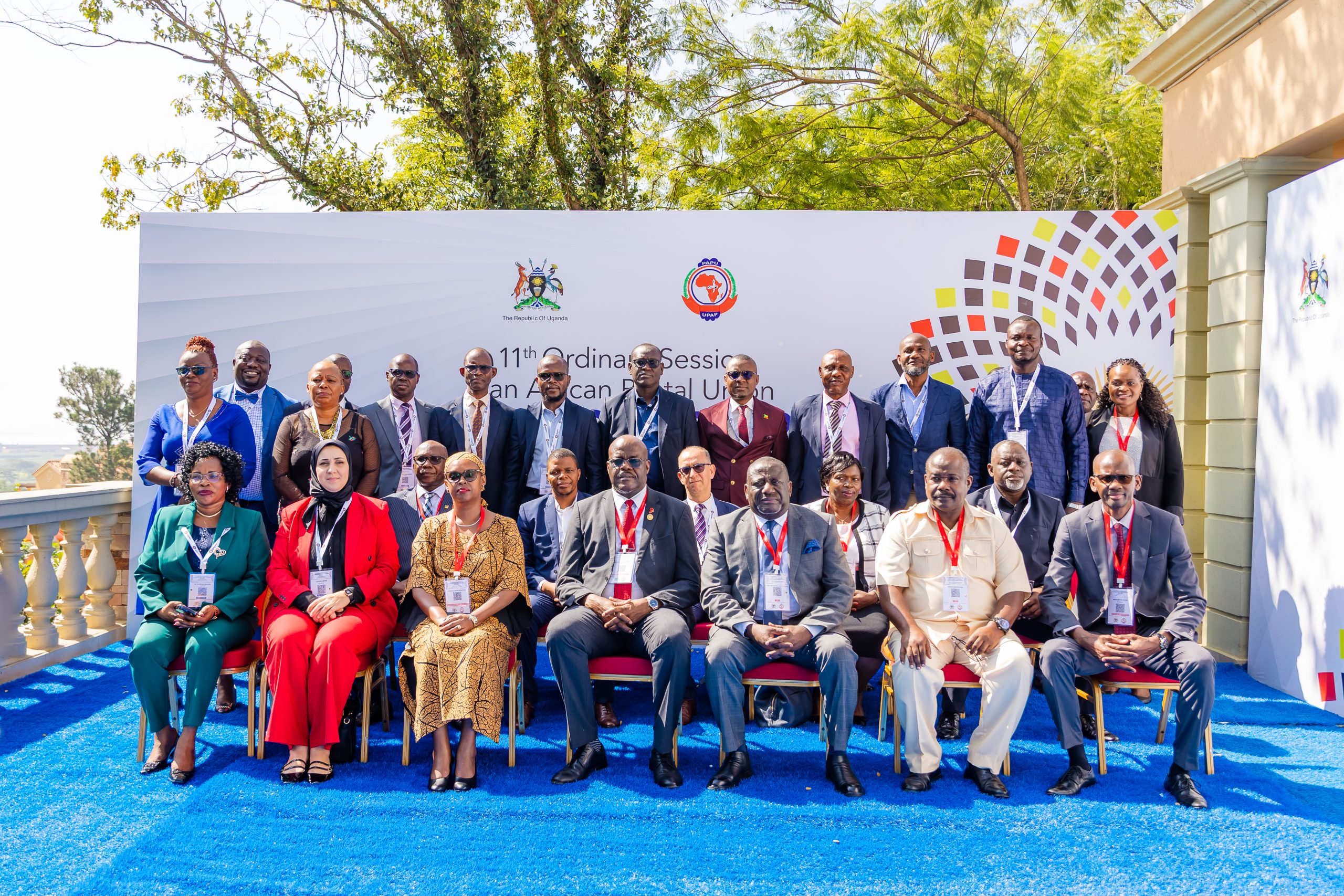
    Uganda today opens the 11th Plenipotentiary Conference of the Pan African Postal Union (PAPU), bringing together ministers, postal leaders, regulators and development partners from across the continent to chart the future of Africa’s postal sector in a rapidly evolving digital economy.

    The conference, taking place at the Lake Victoria Serena Golf Resort and Spa in Kigo from 16 to 28 March 2026, convenes every four years and serves as the supreme policy-making forum of the Pan African Postal Union, a specialized agency of the African Union responsible for coordinating and advancing postal development across the continent.

    ADVERTISEMENT

    It brings together ministers responsible for postal services from across Africa to review progress, adopt policies and strategic programmes, and elect the Union’s leadership. Delegations from 45 PAPU Member States are expected to attend the gathering of approximately 300 delegates.

    The event is being hosted by the Ministry of ICT and National Guidance in collaboration with the Uganda Communications Commission (UCC) and Uganda Post Limited (Posta Uganda). UCC regulates the postal communications sector in Uganda, while Uganda Post Limited serves as the country’s designated national postal operator.

    Uganda’s Prime Minister, Rt. Hon. Robinah Nabbanja, is scheduled to officiate as Chief Guest at the opening ceremony of the Plenipotentiary Conference on 25th March 2026, alongside the Minister of ICT and National Guidance, Dr Chris Baryomunsi, and other senior government leaders. The event will also feature a keynote address by Mr. Marjan Osvald, Deputy Director General of the Universal Postal Union, the global UN agency responsible for coordinating postal services.

    The Pan African Postal Union was established in 1980, following a decision by the then Organization of African Unity (OAU), now the African Union, to create a continental body to harmonize postal development and cooperation. Headquartered in Arusha, Tanzania, the Union has grown from 35 founding members to 45 African states today.

    The Post in the Digital Age

    This year’s conference is being held under the theme: “Leveraging Digital Technology and Innovation to Create a Smart Postal Sector in Africa: Unlocking Opportunities to Strengthen the African Postal Sector for Boosting Regional Integration.”

    The theme reflects the changing role of postal services in the digital age. Traditionally associated with mail delivery, the postal network is increasingly becoming a platform that connects people through the exchange of information, goods and financial services. Across Africa, postal networks remain among the most extensive public service infrastructure, often reaching remote rural communities where few other institutions are present. In many countries, post offices now provide a wide range of services, including logistics and parcel delivery, financial transactions, remittances, e-commerce last mile delivery and access to government services through digital platforms.

    During the COVID-19 pandemic, postal operators played a critical role in delivering essential items such as medicines, personal protective equipment and relief supplies during lockdowns. The postal network is also viewed as a strategic enabler of regional trade and economic integration, particularly within the framework of the African Continental Free Trade Area (AfCFTA).

    Over the next two weeks, delegates will deliberate on a range of policy and operational issues shaping the future of the sector, including digital transformation of postal services, strengthening the role of postal networks in cross-border e-commerce, and harmonising postal legislation across African countries to improve service delivery.

    The conference will also consider strategies to mobilize investment and create new revenue streams for postal operators as they adapt to declining traditional mail volumes and growing demand for logistics and digital services.

    Another major focus will be the development of a Pan-African Postal Digital Framework, aimed at enabling interoperable digital systems that support secure communications, e-government services and faster parcel delivery across borders. These discussions are expected to culminate in a roadmap for implementing the PAPU Africa Strategy 2026–2030, which will guide the development of the sector over the next four years.

    Uganda’s Strategic Role

    Uganda has been a member of PAPU since 1980 and has played an active role in the Union’s governance and technical initiatives over the years. Through participation in various committees and programmes, the country has contributed to policy development and regulatory reforms of the postal sector in Uganda and across Africa.

    For Uganda, hosting this conference presents a strategic opportunity to reinforce its leadership profile within Africa’s postal and communications ecosystem while positioning itself as a regional hub for postal, courier, e-commerce and digital trade services.

    The country is also seeking re-election to the position of Assistant Secretary General of PAPU for the 2026–2030 cycle, with Uganda’s candidate being the incumbent Mrs Jessica Hope Ssengooba, who was first elected during the previous Plenipotentiary Conference held in Victoria Falls, Zimbabwe in 2021.

    The implementation of PAPU’s programmes is undertaken by the General Secretariat, headed by the Secretary General and supported by the Assistant Secretary General. Both positions are elected by the Plenipotentiary Conference every four years and can serve a maximum of two terms.

    The current Secretary General, a Zimbabwean national, and the Assistant Secretary General, Mrs Jessica Hope Ssengooba of Uganda, are both concluding their first terms in April 2026 and are eligible for re-election.

    Prior to joining PAPU, Mrs Ssengooba served in several roles at Uganda Post Limited, including Manager for Corporate and International Relations. During her tenure, PAPU has advanced several initiatives aimed at modernising the African postal sector, including a continent-wide programme to promote the digitalisation of postal services, endorsed by African Union Heads of State in 2024. Under this initiative, PAPU has been spearheading projects to strengthen digital transformation, innovation and e-commerce across African postal networks.

    The conference programme spans two weeks and includes technical, administrative and policy discussions at several levels.  The opening week, from 16 to 20 March, will feature meetings of technical committees covering operations, technology, policy and regulatory matters. These will be followed by the 44th Ordinary Session of the PAPU Administrative Council on 23–24 March, before the main Plenipotentiary Conference convenes from 25–27 March. A high-level ministerial roundtable will also take place during the plenary sessions, providing ministers with an opportunity to deliberate on strategic priorities for the sector.

    A Sector in Transformation

    While postal services globally have experienced declining letter volumes due to digital communication, the sector is undergoing significant transformation driven by e-commerce, logistics and financial services.

    For Africa, strengthening postal networks is considered critical for promoting inclusive development, particularly in rural and underserved communities. By connecting people, markets and governments, the post continues to serve as vital network for communication, trade and service delivery.

    As African countries advance their digital transformation and regional integration agendas, policymakers increasingly view the postal sector as a technology-enabled platform capable of supporting modern economic activity. The deliberations taking place in Kampala over the coming days are therefore expected to shape not only the future of postal services but also the broader role they continue to play in Africa’s development agenda.

    For Uganda, the conference represents both a moment of continental engagement and an opportunity to reaffirm its commitment to building a modern, connected and inclusive communications ecosystem.

  • DENIS JJUUKO: Bank of Uganda should create a gold exchange

    DENIS JJUUKO: Bank of Uganda should create a gold exchange

    Gold has become Uganda’s leading export earner bringing in a record US$6.4 billion in 2025 from US$1.26b in 2019 thereby overtaking coffee at US$2.46b. That is a huge surge in revenue. Gold has been surging worldwide due to increased geopolitical tensions forcing central banks to increase their purchases as a measure to hedge against rising inflation and US Dollar instability.

    With the Americans abducting sitting presidents and assassinating others and gloating about it, these tensions will only increase and gold, known to hedge against inflation and instability more than paper assets, its value is only likely to increase. This perhaps explains why the Bank of Uganda (BoU) is set to buy at least 100 tons of gold between March and June this year worth US$160m or nearly Shs600 billion through its Domestic Gold Purchase Program.

    Although gold brings in significant returns to Uganda, the majority of ordinary Ugandans are not benefitting from it. The impact of the surge in gold prices is incomparable to the one in coffee. If you drive through districts where coffee is grown such as Bukomansimbi in Buddu, you will see how the recent coffee earnings have transformed communities.

    Recently, my sister’s domestic worker asked for leave to attend a family event in greater Masaka. When she returned, my sister was eager to know how the event was. It turned out, the event was a celebratory party. For the very first time, the family was able to buy a vehicle, a Toyota Probox, and therefore left no stone unturned in celebrating this milestone. The money to buy the family car came from coffee. The family, my sister’s worker said, is grateful to Emmwanyi Terimba, the grow coffee campaign championed by Charles Peter Mayiga, Buganda Kingdom’s Katikkiro (prime minister).

    Coffee is responsible for better housing conditions for ordinary people. Hitherto poor families are able to send their kids to school while wearing shoes. Yes, shoes. People’s lives have been transformed. The government of Uganda is now creating coffee parks everywhere. Uganda is now the leading coffee exporter on the continent.

    Gold brings in almost three times what coffee earns Uganda but you hardly hear about ordinary people whose lives are being transformed by the surge in gold earnings as compared to coffee. Many times, the story about ordinary people in gold mining communities are depressing. Either they are being buried in informal unsafe mines or being evicted from the land. You hardly hear how they are buying vehicles, replacing their roofs with fancy tile-esque iron sheets or sending their kids to schools with shiny black shoes.

    Ordinary people must significantly benefit from gold. There is, therefore, a need to demystify gold. The Ministry of Energy and Mineral Development has done well to increase the number of licensed refineries to the current nine. How can now gold move from being a mineral snake oil salesmen use to con the public into a tradeable item that many Ugandans could benefit from? How could more people trade it the same way they trade coffee? The licensing doesn’t need to be cumbersome and expensive.

    If many ordinary Ugandans participate in the gold trade, the way they do with coffee, the more benefits for the country. More jobs will be created. More tax revenue will be realized. More people will move from poverty to the real middle-income status. And that way, more Ugandans will have a stake in their country.

    Another way is by the Bank of Uganda to create a gold exchange where people can trade gold. A minimum can be set, say Shs1m to participate in this. A person opens a central depository account (CSD) and loads money on it and then bid through an auction organised periodically by BoU similar to the treasury bonds/bills market.

    The successful bidder is then issued a certificate. They can then trade their values at prevailing rates, same way the treasury bonds secondary market or even stock exchange works. Others could hold to their shares and wait for gains and determine when to sell. If BoU decides to sell their holdings, then the gold certificate holders could earn some interest on their holdings (or make a loss depending on the market conditions, again same way the stock exchange works). The central bank would charge a fee for storage and such other expenses.

    Bank of Uganda would not have to spend the US$160m of its money on gold purchases this year alone. It would use ordinary Ugandans’ money while creating value and an opportunity for the majority of people to participate safely in the gold industry. Retirement and other savings would be protected from inflation and other uncertainties while creating another investment vehicle for ordinary folks.

    The author is a communication and visibility consultant. djjuuko@gmail.com

    Do you have a story in your community or an opinion to share with us: Email us at Submit an Article

  • Tragedy as Student Takes Own Life For Scoring 19 Points in UACE

    Tragedy as Student Takes Own Life For Scoring 19 Points in UACE

    A somber mood has engulfed the student community following reports that a student from Mengo Secondary School took her own life after receiving her 2025 Uganda Advanced Certificate of Education (UACE) results.

    According to information circulating among students, the learner had scored 19 points out of a possible 20, a result widely considered outstanding. However, it is alleged that she had been deeply affected by peer pressure and ridicule from fellow students, who reportedly mocked her performance.

    ADVERTISEMENT

    The incident has sparked widespread debate about academic pressure, mental health, and unrealistic expectations among high-performing students.

    Education stakeholders and mental health advocates say the tragedy highlights a growing concern where students equate self-worth with academic performance, even when their results are objectively excellent.

    While scoring 19 points places a student among the top performers nationally, experts warn that toxic comparison and competitive school environments can distort how learners perceive success.

    “This is a wake-up call that performance alone is not enough—we must also support students emotionally,” one education observer noted.

    Overview of 2025 UACE performance

    According to the Uganda National Examinations Board (UNEB), the 2025 UACE results showed improved candidature and overall performance trends:

    166,400 candidates registered for the exams, up from 141,996 in 2024

    165,172 candidates sat the examinations

    Of these:

    72,374 were female (43.7%)

    92,798 were male (56.3%)

    UNEB data indicates that a majority of candidates passed, with many attaining principal passes (A–E) required for university admission.

    Female candidates performed better proportionally in Humanities and several subjects, while male candidates recorded more distinctions in Sciences and Mathematics.

    Although exact national failure figures vary by subject, UNEB noted that failure rates remain relatively low at A-Level, especially compared to lower education levels, as most candidates who reach UACE have already passed earlier stages.

    Beyond grades: a growing conversation

    The incident has reignited conversations around whether academic success should be the sole measure of achievement.

    Many Ugandans, especially on social media, have pointed out that skills, talent, and networks also play a critical role in shaping one’s future.

    However, experts caution against dismissing education altogether, emphasizing instead the need for a balanced perspective.

    “Education is important, but it should not come at the cost of mental health. Students must be taught resilience and self-worth beyond grades,” a counselor said.

  • One Hit Is Not Enough For A Concert — Lydia Jazmine

    One Hit Is Not Enough For A Concert — Lydia Jazmine

    Ugandan songbird Lydia Jazmine believes artistes should build a strong catalogue of music before staging concerts instead of rushing to organize shows after releasing just one hit song.

    She shared the view during a chat with Rewind, where she reflected on her approach to concerts and how she has handled her music journey over the years.

    Jazmine staged her first concert on March 1, 2024, at Hotel Africana in Kampala, marking one of the biggest moments of her career.

    Since that show, she has continued expanding her catalogue by releasing new music and eventually dropping her debut studio album “The One And Only” in July 2025.

    The project features 15 tracks plus a bonus track and includes collaborations with several prominent African artistes.

    With a larger catalogue now, Jazmine says she feels ready to return to the concert stage.

    September 4th. I will announce the venue after Ramadhan. I love to give my music time. I gave myself time to work on an album. Now I know I can have a concert this year. I do not believe in having one hit then staging a show, another hit then holding another.

  • Makerere University Announces 2026/2027 Mastercard Foundation Scholarships for 258 Students

    Makerere University Announces 2026/2027 Mastercard Foundation Scholarships for 258 Students

    Makerere University, in partnership with the Mastercard Foundation, has officially opened applications for the 2026/2027 Mastercard Foundation Scholars Program, offering fully funded scholarships to academically talented but financially disadvantaged students across Africa.

    The programme is part of a broader initiative aimed at expanding access to inclusive university education and supporting young people to transition into meaningful employment and leadership roles.

    ADVERTISEMENT

    According to the announcement, the scholarship scheme will support 245 undergraduate and 13 master’s students who will join Makerere University’s main campus for the 2026/2027 academic year.

    The programme specifically targets young people whose access to higher education is limited by social and economic barriers, including refugees, internally displaced persons, students with disabilities, and individuals from historically underserved communities.

    Other eligible groups include international students, young people from refugee-hosting communities, and disadvantaged Ugandan youth.

    Eligibility and selection criteria

    Applicants for undergraduate programmes must have either completed advanced secondary education in an African country, obtained a diploma with at least a second-class qualification, or passed Makerere University’s mature age entry examinations.

    Candidates must also demonstrate financial need, show evidence of leadership potential or community engagement, and must not be beneficiaries of any other scholarship scheme.

    For master’s degree applicants, candidates must have completed undergraduate studies in Africa, demonstrate financial constraints, and must not have already attained a master’s degree.

    Age limits apply, with undergraduate applicants required to be 28 years or younger, while special categories such as refugees and persons with disabilities may have a slightly higher age threshold.

    Focus on leadership and impact

    Beyond academic excellence, the Mastercard Foundation Scholars Program places strong emphasis on leadership development and community impact. Applicants are expected to demonstrate active involvement in community service or leadership initiatives.

    Officials say the programme is designed not only to produce graduates but also future change-makers who can contribute to Africa’s social and economic transformation.

    Application process and deadline

    Prospective applicants are required to apply online through the official application portal. The process is free of charge, and applicants must also apply for admission to eligible degree programmes under the scholarship.

    The deadline for submission of applications is Friday, June 5, 2026, at 11:59 PM (EAT).

    Supporting Africa’s future

    The Mastercard Foundation Scholars Program continues to play a key role in bridging the education gap across Africa, enabling talented students to access quality university education regardless of financial background.

    Officials at Makerere University say the initiative reflects a shared commitment to equity, innovation, and human capital development, positioning graduates to drive progress across the continent.

About UGNEWS24

UGNEWS24 is a Uganda local news service, a product of SOLAVIA GROUP LIMITED, Reg. No. 80048169153974.

Registered office

Plot 2335, Buwambo-Katadde-Najjo Road,
Nansana Municipality, Wakiso District, Uganda
P.O. Box 214231, Kampala

© 2026 SOLAVIA GROUP LIMITED. All rights reserved.