Category: News

  • Smirnoff Fiesta Ignites MUBS Akamwesi with Electric Weekend Energy (Pictorial)

    Smirnoff Fiesta Ignites MUBS Akamwesi with Electric Weekend Energy (Pictorial)

    Saturday at Akamwesi, MUBS wasn’t just another campus night—it was a full-blown explosion of color, sound, and youthful energy as the Smirnoff Fiesta rolled in and completely took over.

    From the moment revelers began streaming in, it was clear this wasn’t going to be your average event. The atmosphere was charged, the fits were loud, and the anticipation hung thick in the air.

    The party delivered exactly what it promised—high-energy DJ sets, seamless transitions between Afrobeats, Amapiano, and club anthems, and a crowd that showed up ready to move. Every drop hit harder, every singalong grew louder, and the dance floor stayed packed from start to finish.

    Smirnoff’s signature touch was evident in the immersive setup—bold branding, vibrant activations, and an overall experience that blurred the line between party and festival.

    What stood out most was the crowd itself—students and young partygoers in their element, expressive, carefree, and fully locked into the moment. It was more than just a night out; it was a celebration of youth culture, connection, and Kampala’s ever-evolving party scene.

    By the time the lights dimmed, one thing was certain: the Smirnoff Fiesta at Akamwesi wasn’t just an event—it was a statement.

    The post Smirnoff Fiesta Ignites MUBS Akamwesi with Electric Weekend Energy (Pictorial) appeared first on MBU.

  • Brandy Finally Confirms Relationship with Wanya Morris

    Brandy Finally Confirms Relationship with Wanya Morris

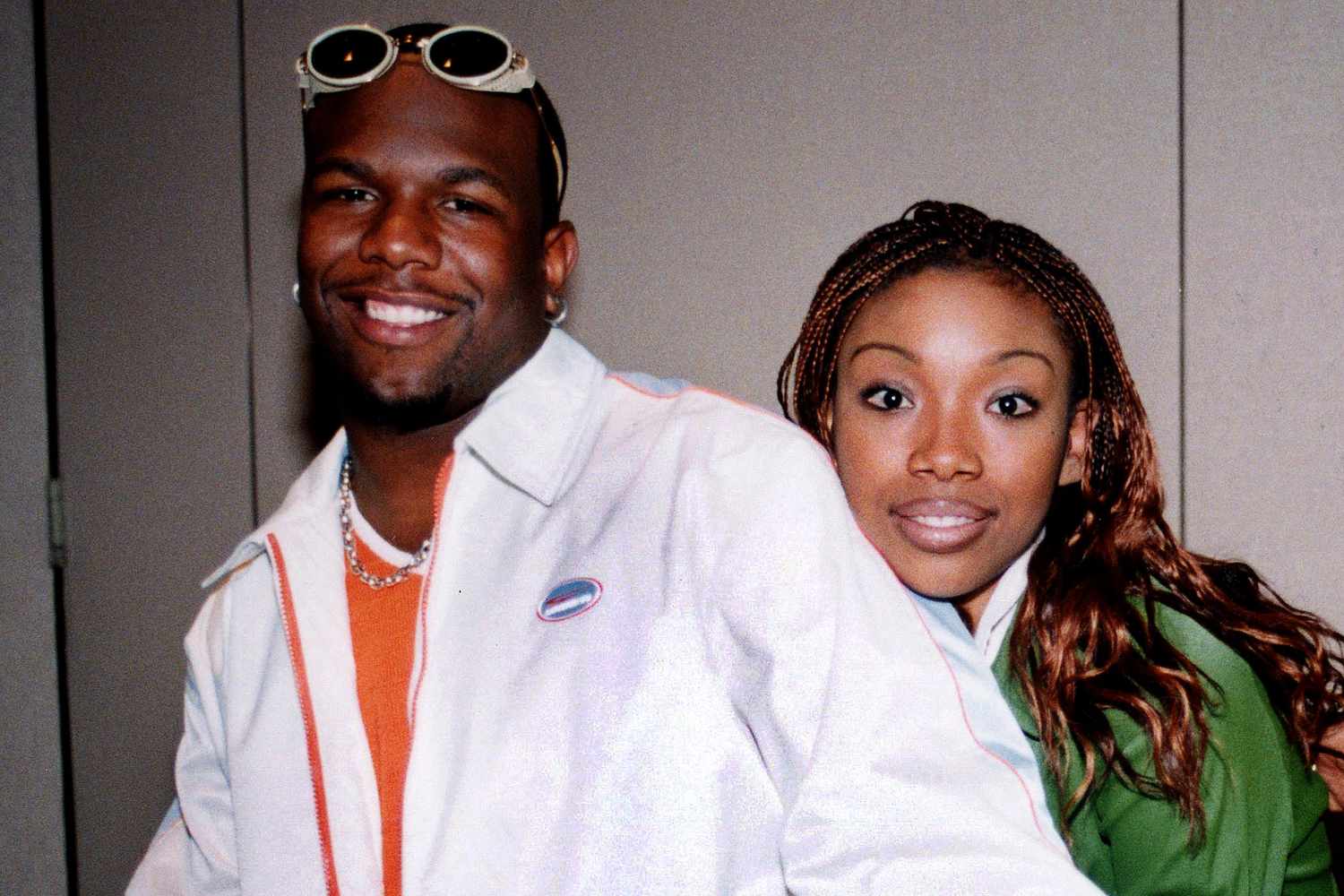
    R&B star Brandy has finally addressed a long rumored chapter of her past.

    She confirmed that she dated Wanya Morris during her teenage years, ending years of speculation. At the time, she was 16 while he was 22.

    The revelation gives fans a clearer picture of her early life as she rose to fame. She built her career under intense public attention while still navigating her teenage years.

    Now, she is choosing to reflect more openly on her journey. Her comments highlight the realities young artists face while handling fame at a young age.

    Fans have shared mixed reactions online. Some expressed surprise, while others welcomed the honesty and the deeper context it brings.

    Despite the renewed attention, her influence remains solid. Many continue to recognize her lasting impact on music and her growth over the years.

  • Assault and robbery claims emerge in Shalom Kaweesi, Biswanka clash – Sqoop

    Assault and robbery claims emerge in Shalom Kaweesi, Biswanka clash – Sqoop

    Police in Kampala have launched investigations into a violent altercation involving YouTuber Shalom Kaweesi and singer Derrick Biswanka, with both parties accusing each other in separate cases following a viral video.

    According to Racheal Kawala, spokesperson for the Kampala Metropolitan Police, the matter has been reported at two different police stations, each handling a separate complaint.

    “We have commenced investigations into two cases. At Najjera, a report of assault was filed with Biswanka as the accused. At Kessington Police, a case of simple robbery was filed with Shalom Kaweesi as the accused. Investigations are ongoing, and once evidence is collected, the files will be submitted to the state prosecutor for advice,” she said.

    The incident, which has since circulated widely on social media, shows a heated confrontation between the two, sparking public debate and drawing the attention of law enforcement.

    Police say inquiries are still underway to establish the full circumstances surrounding the altercation, with both sides expected to record statements as part of the ongoing process.

    Don’t want to miss out on any story? For updates on all Sqoop stories, follow this link on Telegram: https://t.me/Sqoop and Whatsapp: https://whatsapp.com/channel

  • A Pass reveals father’s question that made him reflect on his style and purpose – Sqoop

    A Pass reveals father’s question that made him reflect on his style and purpose – Sqoop

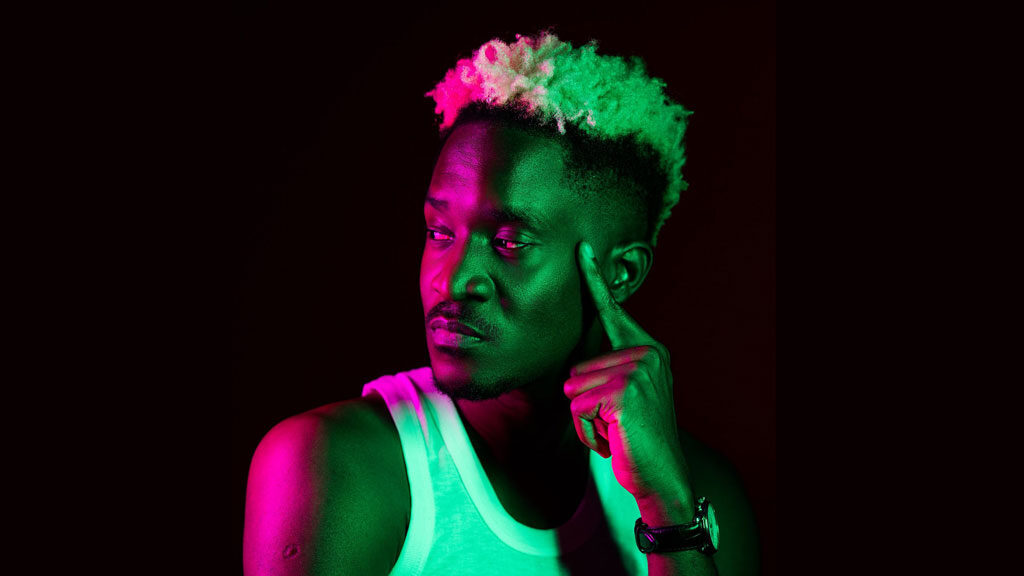
    Ugandan singer A Pass has shared a deeply personal story that offers a glimpse into the quiet but powerful influence his father had on his journey, both as an artist and an individual.

    Reflecting on a moment from his past, the artist revealed that at one point, he decided to pierce his ears, embracing a look that many in the entertainment industry often associate with style and expression. But what followed was not immediate backlash or confrontation from his father, as one might expect.

    Instead, his father chose patience.

    According to A Pass, his father noticed the earrings on a Saturday but said nothing. A week later, he calmly called him in for a conversation. There was no anger, no raised voice, just a simple question that would linger far longer than any reprimand.

    Why did you do it, and what does it add to your career?

    It was a question that caught the singer off guard.

    In that moment, A Pass admits, he had no answer. The decision, which may have seemed harmless or purely aesthetic at the time, suddenly demanded purpose and clarity. It was no longer just about appearance, but about intention.

    Two months later, the earrings were gone.

    The story, though simple, speaks to a broader theme that resonates with many creatives navigating identity and image. In an industry where trends can easily shape decisions, A Pass’s experience highlights the importance of self awareness and aligning personal choices with a bigger vision.

    It also underscores the impact of guidance delivered with calm authority. Rather than forcing change, his father’s approach encouraged reflection, allowing the decision to come from within.

    For A Pass, it became more than just removing earrings. It was a lesson in purpose, one that continues to shape how he presents himself and approaches his craft.

    Don’t want to miss out on any story? For updates on all Sqoop stories, follow this link on Telegram: https://t.me/Sqoop and Whatsapp: https://whatsapp.com/channel

  • Uganda Secures World Bank Support for Railway, Agriculture Projects

    Uganda Secures World Bank Support for Railway, Agriculture Projects

    KAMPALA – President Yoweri Museveni has announced fresh backing from the World Bank for Uganda’s long-delayed Standard Gauge Railway (SGR) and agricultural industrialisation drive, describing the partnership as critical to lowering production costs through improved rail transport, reliable electricity, and affordable financing.

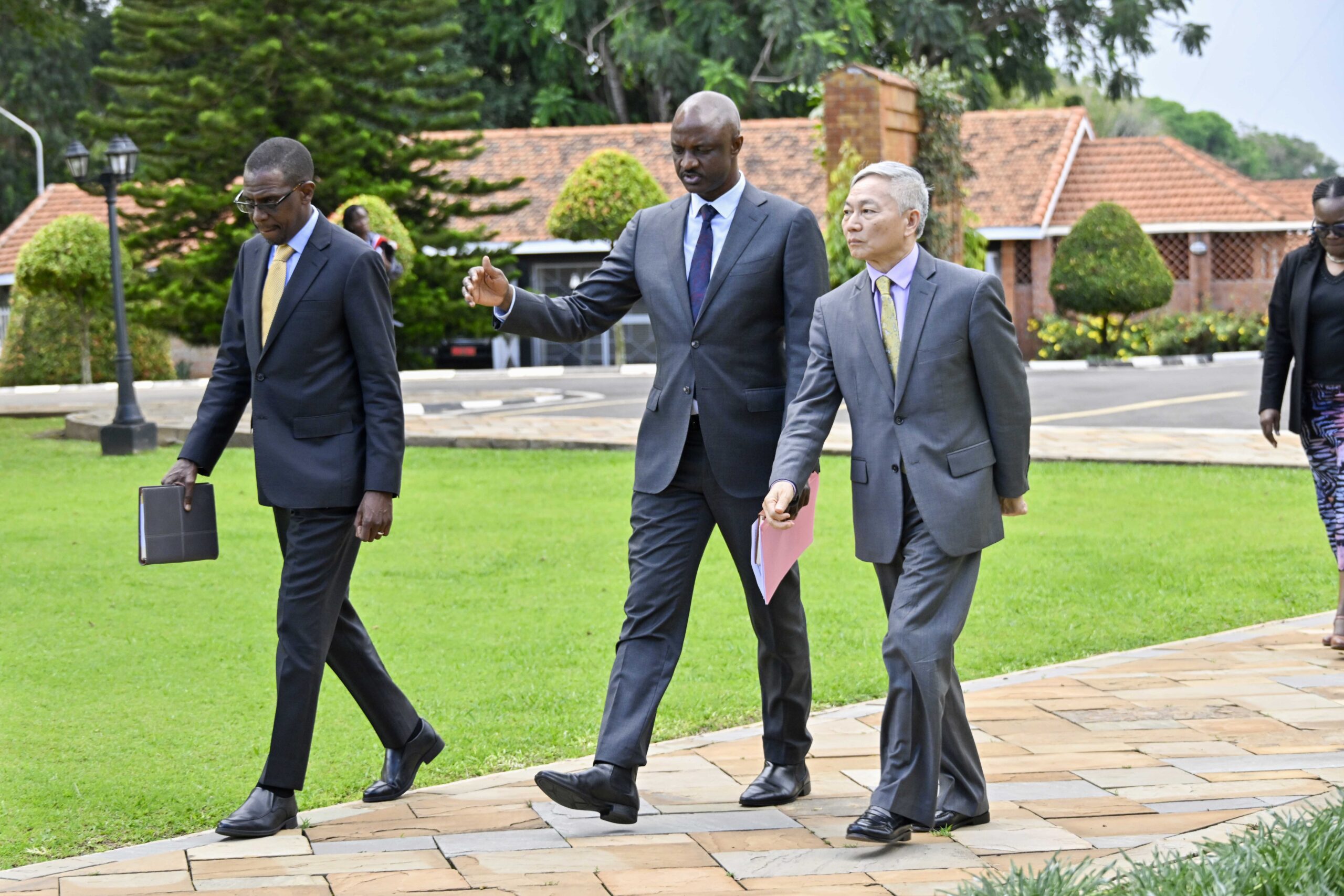
    The announcement followed a meeting on Tuesday at State Lodge Nakasero with World Bank Division Director Qimiao Fan—who oversees Kenya, Rwanda, Somalia, and Uganda—and Uganda Country Manager Francisca Ayodeji Akala. Museveni welcomed the Bank’s support for upgrading the 273-kilometre Malaba–Kampala SGR line, a flagship project that has faced repeated delays due to financing constraints but is now targeting a construction start as early as April 2026.

    The rail upgrade forms part of the broader East African network linking Uganda to the port of Mombasa, with the government previously engaging the Islamic Development Bank to finance a significant portion of the estimated $3.1 billion (Shs13.5 trillion) project.

    In a public statement, Museveni emphasised that “railways, electricity, and affordable financing are key to lowering production costs” and enhancing competitiveness. He added a characteristically colourful remark: “The World Bank are now becoming Christians, by promoting global affluence and prosperity for everyone in the world.” The comment sparked mixed reactions online, drawing both amusement and praise from supporters who viewed it as pragmatic diplomacy.

    Pro-government voices welcomed the development, describing it as a major boost to Uganda’s industrialisation agenda. Supporters argue that the SGR will connect farmers to markets, create jobs, and stimulate growth in industrial parks along the transport corridor.

    However, the development comes amid debate over the proposed Protection of National Sovereignty Bill 2025. The draft law, backed by the ruling NRM caucus, seeks to tighten oversight of foreign funding, requiring disclosure within 14 days and imposing strict penalties—up to Shs2 billion in fines or 20 years’ imprisonment—for activities deemed to undermine national interests. Critics say the bill could shrink civic space and limit opposition activity.

    Opposition figures and commentators have pointed to a contradiction between courting external financing and advancing legislation aimed at restricting foreign influence. Some warn that increased borrowing could deepen Uganda’s debt burden, noting that the country already has a substantial portfolio with the World Bank spanning energy, infrastructure, and refugee support. Past large-scale projects have also faced scrutiny over cost overruns, land compensation delays, and limited participation of local contractors.

    Concerns persist around transparency and accountability in the SGR project. While the railway promises to reduce freight costs and accelerate industrial growth, questions remain over who will ultimately benefit, how loans will be repaid, and whether local firms will secure a meaningful share of contracts.

    The government maintains that the partnership aligns with national development priorities and will deliver tangible benefits to farmers and manufacturers. As the SGR timeline advances and the sovereignty bill moves through Parliament, attention will remain fixed on whether the initiative drives inclusive growth—or adds further strain to Uganda’s fiscal position.

    Ultimately, the success of the project may hinge not just on financing, but on transparency, accountability, and ensuring that development outcomes are broadly shared.

    Do you have a story in your community or an opinion to share with us: Email us at Submit an Article

  • EXPOSED: KIU Owner Al-Hajji Hassan Basajjabalaba Accused of Failing to Pay Local Contractor UGX 215 Million for Borehole Works at Ishaka Campus

    EXPOSED: KIU Owner Al-Hajji Hassan Basajjabalaba Accused of Failing to Pay Local Contractor UGX 215 Million for Borehole Works at Ishaka Campus

    Ishaka, Bushenyi – Fresh allegations of unpaid work have rocked Kampala International University (KIU), after investigative journalist Ninye Tabz exposed what he describes as yet another case of a powerful businessman failing to honour obligations to local service providers.

    The award-winning journalist took to X (formerly Twitter) on April 1, 2026, directly confronting Hassan Basajjabalaba, the owner of KIU, over allegations that he failed to fully pay contractor Taremwa Ronald of Roatwe Enterprises (U) Ltd for drilling eight boreholes at the university’s Western Campus in Ishaka.

    Documents shared by Tabz indicate that the 2024 contract—valued at UGX 215 million—was signed between Basajjabalaba (listed as the borehole owner) and the contractor, with legal drafting by Paul Tusubira & Co. Advocates. The scope of work included drilling eight boreholes, installation of casings and screens, gravel packing, and full development to ensure safe and reliable water supply to the campus.

    According to the agreement, an initial payment of UGX 12,500,000 was made, with the balance due upon completion and testing by the owner’s technical team. However, Tabz alleges that although the contractor fulfilled the contractual obligations, the outstanding balance remains unpaid.

    Footage accompanying the exposé shows a heavy-duty drilling rig operating on the grounds of KIU Ishaka, with the বিশ্ববিদ্যাল’s distinctive yellow buildings visible in the background. Workers clad in safety gear are seen managing the machinery as water and debris surge from the boreholes—visual evidence suggesting the work was executed on site.

    The revelations have sparked a wave of criticism online, with former KIU staff and contractors sharing similar claims of delayed or unpaid dues. One former employee alleged that even senior staff—including a doctor who reportedly served as Vice Chancellor at KIU’s Tanzania branch—went unpaid for two years. Others described what they termed a pattern of exploiting smaller service providers while the institution’s owner expands his business empire.

    The backlash has since triggered the hashtag #BoycottKIU, with many Ugandans condemning what they see as a culture of impunity. “This habit of delaying small people’s money doesn’t look good,” one commenter wrote, while another added: “People get rich by denying labourers their wages and workers their salaries—it’s a common practice.”

    Basajjabalaba has built KIU into one of Uganda’s largest private universities. However, these allegations raise renewed concerns about how the institution engages and compensates the contractors and workers who support its operations.

    Watchdog Uganda will continue to follow this developing story. Key questions remain: Has the contractor received full payment? Will Basajjabalaba respond to the allegations? Or will this become yet another unresolved dispute?

    In a country where small businesses and ordinary citizens already face significant economic pressure, such claims—if proven—underscore the urgent need for accountability. Authorities are being urged to investigate the matter and ensure justice for the affected contractor and any others who may have been similarly impacted.

    Do you have a story in your community or an opinion to share with us: Email us at Submit an Article

  • LUKANGA SAMUEL: Each Constituency, An Ambulance: A Health Policy Saving Lives in Uganda

    LUKANGA SAMUEL: Each Constituency, An Ambulance: A Health Policy Saving Lives in Uganda

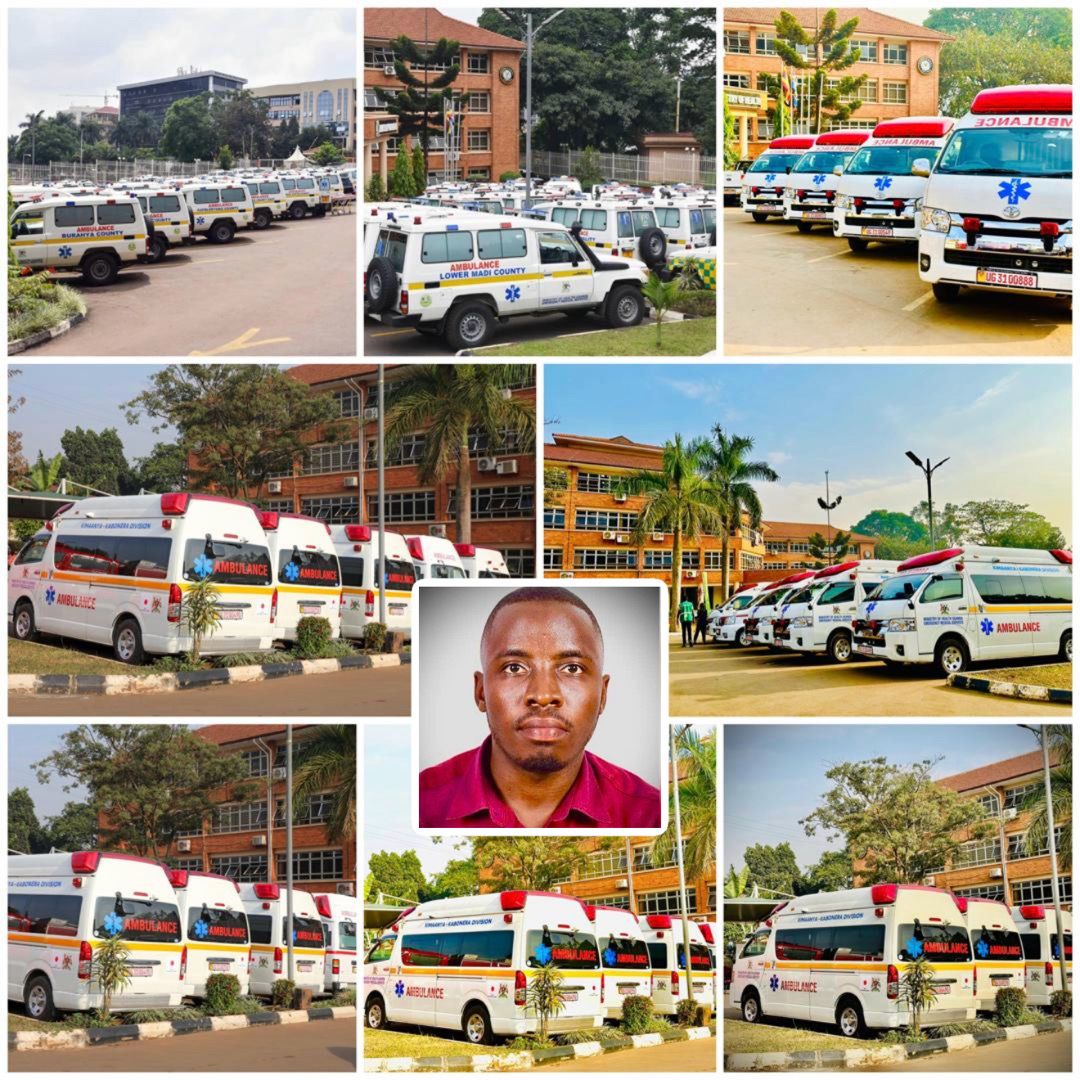
    Observing from within, Uganda’s healthcare system has undergone a quiet but transformative shift in recent years one that is now proving critical in saving lives across the country. At the heart of this progress is a bold and practical policy direction ensuring that every constituency has access to a fully equipped ambulance.

    Spearheaded by the Ministry of Health with support from a range of development partners, this initiative is redefining emergency medical response and strengthening the country’s broader health system.


    For decades, emergency healthcare in Uganda faced persistent challenges including limited ambulance coverage, delayed response times, and fragmented coordination often meant that patients, especially those in rural and hard-to-reach areas struggled to access timely care. Previously, ambulances were largely stationed at district headquarters and a few decentralized hospitals, leaving significant gaps at the constituency level.


    The new approach is surely changing this dynamic entirely.


    By expanding ambulance distribution from district-based deployment to constituency-level access, the Ministry of Health has significantly reduced the distance between patients and life-saving services. Communities that once relied on improvised transport such as motorcycles and private vehicles can now access professional emergency medical services within a much shorter time frame.


    This policy is not just about increasing numbers; it is about equity. Constituency-based ambulances are ensuring that even remote populations are not left behind, which soundly aligns with Uganda’s commitment to universal health coverage.


    A standout feature of this initiative is its centralized management model. While ambulances are distributed across constituencies, their maintenance and operational oversight remain coordinated at the national level.


    All ambulances are serviced at a well designated inhouse service bay at the Ministry of Health headquarters, ensuring consistent quality control and adherence to maintenance standards. This approach minimizes downtime, extends the lifespan of vehicles, and guarantees that each ambulance remains roadworthy and fully equipped.


    In addition, the Ministry provides fuel cards for each ambulance, eliminating one of the most common barriers to emergency response in low-resource settings yet again easing fuel accountability concerns. This system ensures that ambulances are always ready to respond, regardless of local financial constraints.


    The importance of this policy becomes even clearer when viewed against the backdrop of Uganda’s road safety crisis. According to the 2025 police report, serious road crashes increased from 13,134 to 13,563 cases. Even more alarming is the human toll: at least 15 people lose their lives every day due to road accidents.


    Young people are disproportionately affected. Of the approximately 3,800 drivers killed in these crashes, a significant number are below the age of 35, which indicates a devastating loss of the country’s most productive population.


    In such a context, rapid emergency response can mean the difference between life and death. Timely evacuation, on-site stabilization, and swift transport to health facilities significantly improve survival rates. Constituency-based ambulances are therefore not just a health investment, they are a national lifeline.


    The success of this initiative is also a testament to effective collaboration. Development partners, local governments, and health stakeholders have played a vital role in supporting the procurement, equipping, and operationalization of these decentralized ambulances.

    This partnership-driven model ensures that the program is not only scalable but also sustainable. By pooling resources and expertise, Uganda is building a resilient emergency care system capable of adapting to growing demand.


    While road traffic injuries highlight the urgency of improved emergency response, the benefits of constituency ambulances extend far beyond crashes. They are critical for maternal and child health emergencies, disease outbreaks, referrals from lower-level facilities, and disaster response.


    In many cases, these ambulances are the first point of contact between a patient and the formal healthcare system, making their availability and reliability crucial.


    The “Each Constituency, An Ambulance” initiative represents a forward-thinking approach to healthcare delivery, one that prioritizes accessibility, efficiency, and preparedness. By combining decentralized access with centralized management, Uganda has created a model that other countries in the region can learn from.


    As road accidents continue to rise and emergency health needs grow, the value of this policy will only become more evident. Every timely response, every life saved, and every family spared from preventable loss stands as a powerful testament to its impact.


    In the journey towards a stronger health system, Uganda is proving that sometimes, the most effective solutions are those that bring services closer to the people, one ambulance, one constituency, one life at a time.

    • For God and My Country, Uganda!


    *The writer is a Social Development Enthusiast & An Ambassador Of Humanity.*

    Do you have a story in your community or an opinion to share with us: Email us at Submit an Article

  • Bobi Wine Backs Son Solomon’s Explosive Breakdown of ‘Protection of Sovereignty Bill 2026’

    Bobi Wine Backs Son Solomon’s Explosive Breakdown of ‘Protection of Sovereignty Bill 2026’

    Kampala – National Unity Platform (NUP) leader Robert Kyagulanyi Ssentamu, popularly known as Bobi Wine, has publicly backed his son Solomon Kampala following his hard-hitting critique of the controversial Protection of Sovereignty Bill 2026—a draft law critics say could significantly curtail dissent and civic space.

    In a brief but symbolic message posted on X on Tuesday night, Bobi Wine wrote: “Thank you, son. Aluta continua,” endorsing Solomon’s widely circulated thread analysing the bill’s provisions.

    Solomon Kampala, who is increasingly emerging as a vocal political commentator, said he had reviewed the draft dated March 3, 2026, and warned that its implications go far beyond safeguarding national sovereignty. Instead, he argued, the bill could criminalise political engagement by Ugandans, particularly those in the diaspora.

    According to his analysis, the proposed law introduces sweeping measures that have sparked nationwide debate. Among the most contentious provisions:

    • A broad redefinition of a “foreigner” that could extend to Ugandan citizens living abroad
    • Criminalisation of engaging in Uganda’s political activities “for or in the interests of a foreigner,” including via digital platforms
    • New offences related to promoting foreign interests deemed contrary to Uganda’s
    • Classification of certain publications as “economic sabotage” if they are seen to undermine the economy
    • Severe penalties, including up to 20 years’ imprisonment or fines of up to UGX 2 billion
    • Restrictions on foreign funding, requiring prior approval for entities receiving over UGX 400 million annually
    • Expanded powers for the Minister of Internal Affairs to register, suspend, or revoke “foreign agents” without independent oversight

    The bill’s timing has also drawn scrutiny. It follows a recent meeting of the NRM Parliamentary Caucus at State House Entebbe chaired by President Yoweri Museveni. The development comes amid heightened political tensions, with Bobi Wine currently in the United States engaging international stakeholders, including policymakers and human rights organisations.

    Opposition voices argue the legislation could directly affect political mobilisation beyond Uganda’s borders, including diaspora engagement and fundraising activities. Some analysts suggest it may have implications for planned events such as opposition conventions abroad.

    Watchdog Uganda has previously reported on concerns around the increasing use of legislation to regulate civic space, pointing to earlier laws such as the Computer Misuse Act and the Public Order Management Act.

    Legal experts and civil society actors have also raised red flags, warning that the bill could deter investment, strain international relations, and create uncertainty for organisations operating across borders.

    As debate intensifies, attention now turns to Parliament and how the proposed law will be handled in the legislative process. For many Ugandans—both at home and abroad—the coming weeks could prove decisive in shaping the country’s political and civic landscape.

    Do you have a story in your community or an opinion to share with us: Email us at Submit an Article

  • Crime Hotspots Exposed: Wakiso, Luweero, Kampala Divisions Top Uganda’s 2025 Crime List

    Crime Hotspots Exposed: Wakiso, Luweero, Kampala Divisions Top Uganda’s 2025 Crime List

    KAMPALA – The Uganda Police Force has released its 2025 Annual Crime Report, laying bare the country’s insecurity map—with Wakiso, Luweero and several Kampala Metropolitan divisions emerging as the leading crime hotspots.

    According to the report, Uganda registered 196,405 criminal cases in 2025, marking a 10.2% drop from the 218,715 cases recorded in 2024. While authorities are touting the decline as progress, the figures reveal a stubborn concentration of crime in urban and peri-urban centres.

    🔥 Top Crime Hotspots

    The report ranks insecurity based on the total number of reported cases across police divisions and districts. The worst-affected areas include:

    • Wakiso Police Division – 3,177 cases
    • Luweero District – 3,123 cases
    • Katwe Police Division (Kampala) – 2,997 cases
    • Kawempe Police Division (Kampala) – 2,967 cases
    • Mukono Police Division – 2,880 cases
    • Tororo District – 2,831 cases
    • Ntungamo District – 2,825 cases

    Other high-burden districts—each recording over 2,100 cases—include Mityana, Mubende, and Kiryandongo.

    📍 Central Region Dominates Crime Map

    Unsurprisingly, crime remains heavily concentrated in the central region, particularly within the greater Kampala metropolitan area and its surrounding districts. These zones continue to grapple with population pressure, urban poverty, and organised criminal networks.

    In contrast, relatively lower crime levels were recorded in sub-regions such as Teso, Karamoja, West Nile, and Bukedi. The least affected area in the country was Karenga Police Division, which reported just 146 cases—a stark contrast to the urban hotspots.

    📉 Progress or Optics?

    Police attribute the overall decline in crime to expanded community policing, intelligence-led operations, and increased deployment at sub-county level. However, the persistent dominance of the same high-crime areas raises questions about the effectiveness and sustainability of these interventions.

    The full report provides a detailed breakdown across all 185 police divisions and stations, offering a comprehensive snapshot of Uganda’s evolving crime landscape.

    As always, the big question remains: Are these numbers translating into real safety for ordinary Ugandans—or simply better reporting and statistics?

  • Karenga, Madi-Okollo, Maracha Named Among Uganda’s Safest Districts in 2025 Crime Report

    Karenga, Madi-Okollo, Maracha Named Among Uganda’s Safest Districts in 2025 Crime Report

    KAMPALA, April 1, 2026 – As urban centres grapple with rising criminal activity, quieter corners of Uganda are telling a different story. The Uganda Police Force has identified Karenga, Madi-Okollo and Maracha among the safest areas in the country, according to its 2025 Annual Crime Report.

    The report shows that Uganda recorded 196,405 criminal cases in 2025, reflecting a 10.2% decline from 218,715 cases registered in 2024. But beyond the national averages, the real story lies in the regional contrasts.

    🟢 Uganda’s Safest Spots

    The districts and police divisions with the lowest reported crime include:

    • Karenga Police Division146 cases (lowest nationwide; recorded 219 crime-free days)
    • Madi-Okollo District230 cases
    • Maracha District263 cases

    These figures paint a picture of relative calm in parts of northern Uganda, far removed from the crime pressures facing the country’s urban hubs.

    📍 A Tale of Two Ugandas

    While Kampala and the central region continue to dominate crime statistics, sub-regions such as Karamoja, West Nile, Teso and Bukedi are emerging as low-crime zones. Analysts point to smaller populations, tighter community structures and less urban pressure as key factors behind the trend.

    📉 Credit to Policing—or Context?

    Police attribute the nationwide drop in crime to expanded community policing, intelligence-led operations and increased deployment at sub-county level. However, the consistently low figures in these districts also raise a broader question: is it effective policing, or simply lower exposure to the drivers of crime seen in urban centres?

    The full report provides a detailed breakdown across all 185 police divisions and stations, offering a comprehensive snapshot of Uganda’s shifting security landscape.

    As government celebrates declining figures, the contrast is clear—while some parts of Uganda are battling crime daily, others are quietly setting the standard for safety.

    Do you have a story in your community or an opinion to share with us: Email us at Submit an Article

About UGNEWS24

UGNEWS24 is a Uganda local news service, a product of SOLAVIA GROUP LIMITED, Reg. No. 80048169153974.

Registered office

Plot 2335, Buwambo-Katadde-Najjo Road,
Nansana Municipality, Wakiso District, Uganda
P.O. Box 214231, Kampala

© 2026 SOLAVIA GROUP LIMITED. All rights reserved.