Category: News

  • Quit the Struggle and Enjoy Life! – Buchaman to Bobi Wine

    Quit the Struggle and Enjoy Life! – Buchaman to Bobi Wine

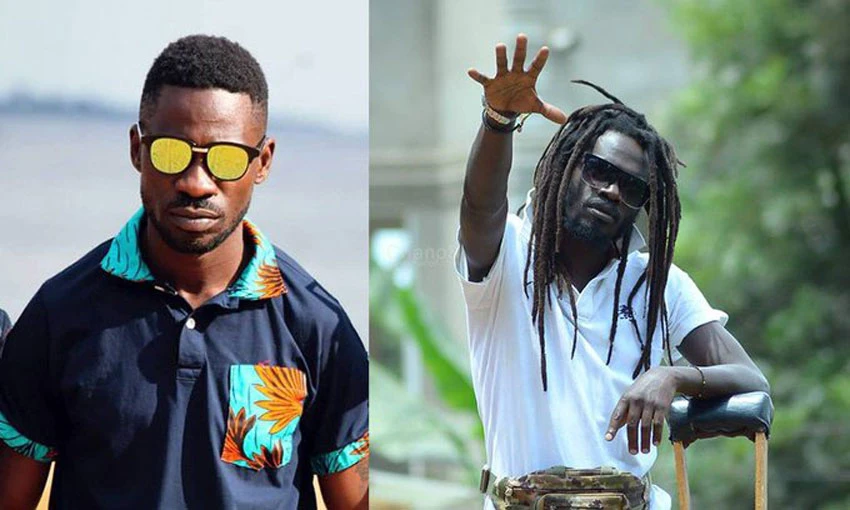
    Self-proclaimed “Ghetto President” Buchaman has advised opposition leader Bobi Wine to step away from political activism and focus on his personal life.

    Buchaman, whose real name is Mark Bugembe, said Bobi Wine has already made his contribution to the struggle and should now consider taking a step back.

    Speaking during an interview with a local television station, Buchaman suggested that the National Unity Platform leader should instead focus on mentoring younger leaders who can continue the fight.

    “Bobi Wine should quit the struggle and do other things. He should train different people, the youths to take over from him,” Buchaman said.

    He further added that the opposition figure should dedicate more time to his family and children.

    “He has children who deserve to feel his love. He should consider retirement at this moment and enjoy life.”

    Buchaman also suggested that Bobi Wine could spend more time relaxing at his Busabala residence, reflecting on the impact he has already made in Uganda’s political landscape.

  • Manager Reveals Why Rema Stays Away From the Public Eye

    Manager Reveals Why Rema Stays Away From the Public Eye

    Politician and music manager Kayemba Solomon has explained why singer Rema Namakula is rarely seen in public compared to many other celebrities.

    According to Kayemba Solomon, the singer’s absence from the public eye is a deliberate strategy designed to maintain her demand in the music industry.

    Speaking in an interview with a local television station, he said limiting appearances helps keep the singer exclusive and highly sought after for performances.

    “Rema Namakula’s absence from the public eye is intentional. It ensures that her demand doesn’t drop at any time,” he explained.

    Kayemba added that the strategy has worked effectively for the singer over the years, helping her remain one of the most respected and highly booked musicians in Uganda.

    “She is not someone you will find everywhere,” he added.

    Despite maintaining a relatively low public presence, Rema Namakula continues to command strong demand for performances and remains one of the top female artists in Uganda’s music industry.

  • TikToker Pressure 24/7 Remanded to Luzira Over Hate Speech Case

    TikToker Pressure 24/7 Remanded to Luzira Over Hate Speech Case

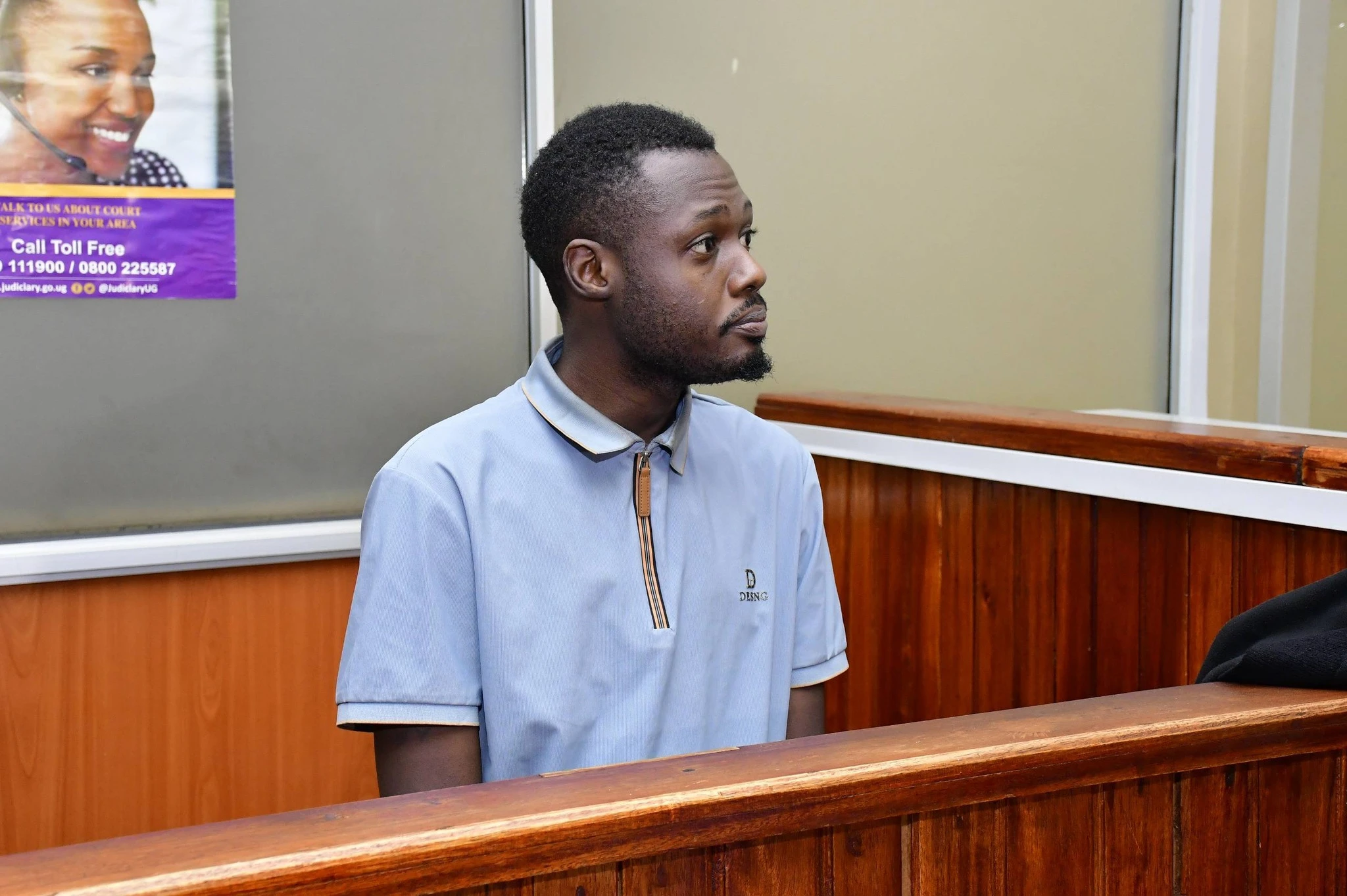
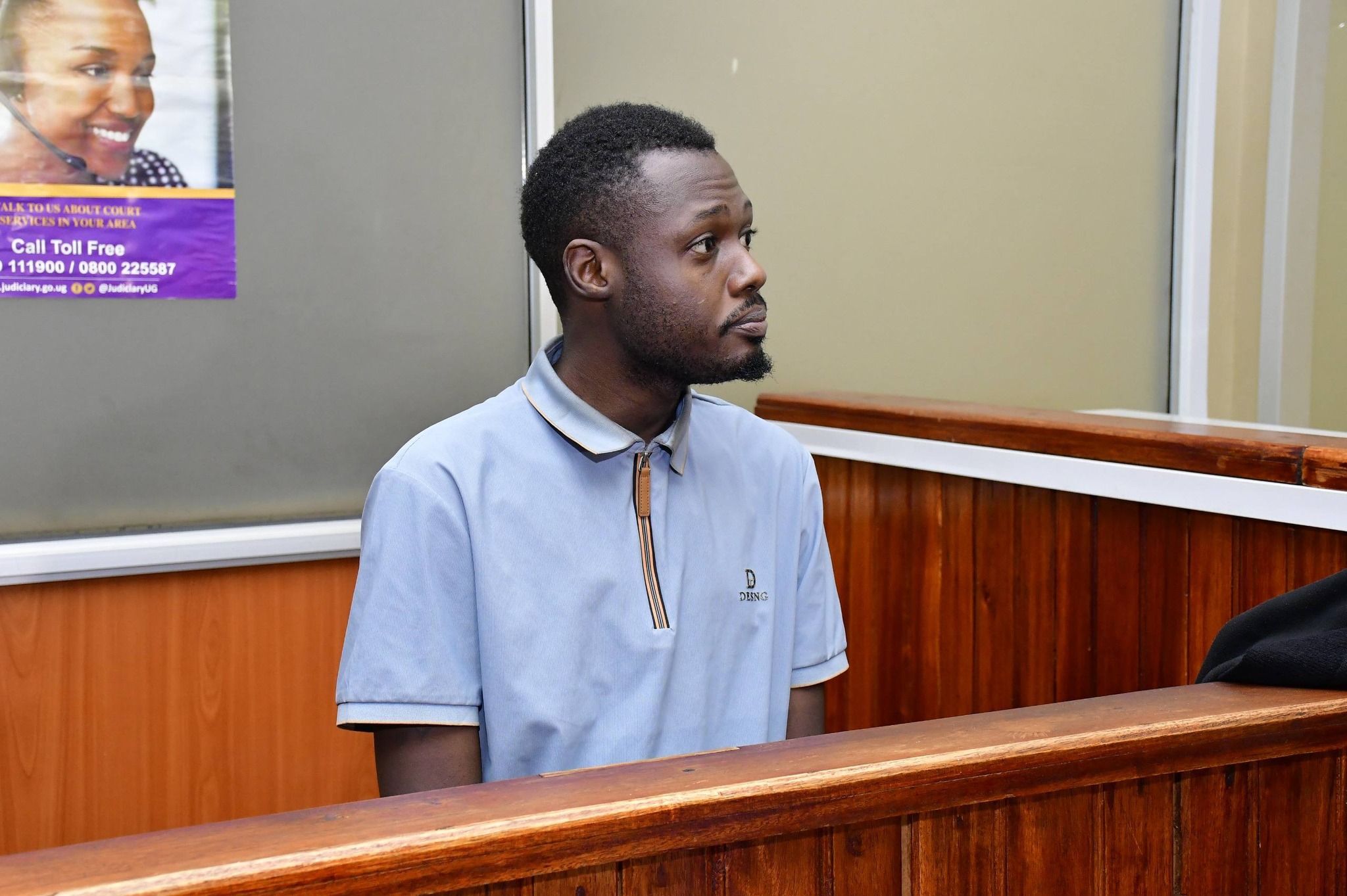
    Self-proclaimed “King of Buganda,” TikToker Ibrahim Musana, popularly known as Pressure 24/7, has been remanded to Luzira Prison until March 26 over charges related to hate speech.

    Pressure was remanded by the Buganda Road Court after appearing before the magistrate to answer accusations brought against him.

    Authorities claim the TikToker unlawfully accessed and published a photo of Muhoozi Kainerugaba, while also allegedly posting statements suggesting that the Chief of Defence Forces was unfit to hold public office.

    Prosecutors further accuse him of spreading controversial remarks online regarding the senior military officer.

    Interestingly, this is not the first time Pressure 24/7 has faced legal trouble. Last year, he was acquitted in a separate case where he had been accused of making offensive online posts about Yoweri Museveni, Ronald Muwenda Mutebi II, and other prominent figures.

    Pressure 24/7 is widely known on TikTok for discussing political and social issues daily on his platform, where he has built a significant following.

    He is expected to return to court on March 26 when the proceedings against him will continue.

  • SGR’s Eight-Year Impact: Faster Travel, Booming Towns, and Safari Adventures

    Eight years after its launch, the Standard Gauge Railway (SGR) is increasingly transforming travel, tourism and business along Kenya’s southern corridor, according to reports from Chinese media.

    A report by China Daily says the railway has significantly changed how people move between Nairobi and Mombasa, while also boosting tourism and economic activity in towns located near major wildlife parks.

    Industry players quoted in the report say the project, which initially served mainly as a transport link between the two cities, is now making it easier for travellers to reach popular wildlife destinations and is helping nearby towns benefit from increased visitor traffic.

    The railway’s main passenger service, the Madaraka Express, operates along a 472-kilometre route between Nairobi and Mombasa. Since it began operating, travel time between the two cities has been cut to about five hours, compared to more than 10 hours by road.

    The improved transport network has also made it easier for tourists to access wildlife destinations such as Tsavo East National Park and Tsavo West National Park, two of Kenya’s largest and oldest conservation areas.

    “The improved connectivity has increased visitor movement to the parks and brought renewed activity to nearby towns including Voi and Mtito Andei, which serve as entry points to the parks,” says a hotel operator along the corridor.

    For many visitors, the train journey itself has become part of the safari adventure.

    “The line cuts across open countryside and sections of the Tsavo ecosystem, allowing passengers to see wildlife and rural landscapes during the trip,” says Philip Mwakio, a frequent traveller.

    The SGR has become a popular travel option between Nairobi and Mombasa because it is faster, safer and often more convenient than road transport. The passenger trains offer economy-class coaches as well as first-class and premium-class options with reclining seats and additional onboard facilities.

    Kenya Railways Corporation Managing Director Philip Mainga says demand for higher-end passenger services has been rising, especially among tourists travelling to wildlife parks. The trains operate on fixed schedules, helping travellers avoid the delays that are common on the busy Nairobi–Mombasa highway.

    Passenger traffic has also grown at intermediate stations such as Voi and Mtito Andei. According to Kenya Railways, about 900 passengers now board or disembark at Voi each week.

    The growing number of travellers has boosted business in surrounding towns, with taxi operators, hotels, tour companies and small traders increasingly serving visitors arriving by train.

    At Voi Wildlife Lodge, the largest accommodation facility in Tsavo East, manager Stella Purity Mwakuluwa says the number of guests arriving through Voi station has risen since the railway started operating. The lodge provides vans to pick up visitors from the station.

    “The property has 178 rooms, 25 manyatta-style tents and conference facilities that can host up to 600 people. Its sister facility, Man Eaters Camp, has also reported more visitors linked to the rail service,” she says.

    Surjeet Singh Basil, director of Lion Hill Safari Lodge near the park’s main gate, says tourism linked to the railway has increased since the Madaraka Express began stopping at Voi just over three years ago.

    Figures from Kenya Railways show that the Madaraka Express generated more than Ksh2 billion in revenue during the first half of 2025. This represents a 12 per cent increase from the Ksh1.85 billion recorded during the same period in 2024.

    Speaking during events marking the railway’s eighth anniversary last year, Mainga said the SGR contributes between two and three per cent to Kenya’s gross domestic product and continues to influence logistics, travel and tourism along the Nairobi–Mombasa corridor.

  • UNEB to release 2025 UACE results this Friday

    UNEB to release 2025 UACE results this Friday


    UNEB to release 2025 UACE results this Friday – Matooke Republic


  • Top Embassy Officials from Denmark, Ireland, Netherlands, and Sweden Set to Visit Karamoja

    Top Embassy Officials from Denmark, Ireland, Netherlands, and Sweden Set to Visit Karamoja

    The Heads of Cooperation from the Embassies of Denmark, Ireland, the Netherlands, and Sweden will be visiting Karamoja from 17-19 March 2026 to monitor the Partnership for Accountability, Civic Engagement, and Human Rights (PACER) Programme.

    The Royal Danish Embassy, in partnership with the Embassies of Ireland, the Kingdom of the Netherlands, and Sweden in Uganda, jointly supports state and non-state actors in promoting accountability, civic engagement, and human rights to strengthen governance and improve service delivery, with a particular focus on the Karamoja and West Nile sub-regions.

    According to Dr. Ayub Mukisa, Executive Director of the Karamoja Anti-Corruption Coalition (KACC), the Heads of Cooperation will monitor projects in Nakapiripirit, Moroto, and Amudat districts, with special attention to organizations implementing initiatives in all three districts. Dr. Mukisa also noted that officials from the Inspectorate of Government (IG), the Directorate for Ethics and Integrity, the Ministry of Local Government, and Office of the RDCs will be part of the embassy monitoring team. Dorcas Angom, the Acting Executive Director of RIAMIRIAM Civil Society Network, stated that the visit will strengthen the existing partnerships and explore new avenues for collaboration.
    Several civil society organizations (CSOs) implementing projects funded by the four embassies will participate in the monitoring exercise. These include:

    – Anti-Corruption Coalition Uganda (ACCU)

    – Karamoja Anti-Corruption Coalition (KACC)

    – Multi-Community Based Development Initiative (MUCOBADI)

    – Civil Society Budget Advocacy Group (CSBAG)

    – Restless Development

    – Karamoja Women’s Umbrella Organization (KAWUO)

    – National Union of Disabled Persons of Uganda (NUDIPU)

    – Action for Integrated Development in Amudat (AIDI)

    A series of activities are planned during the visit, including engagement with some Karamoja district local government officials, a District Integrity Promotion Forum (DIPF), a visit to a Youth Integrity Club at Nakapiripirit Seed Secondary School, a Youth Inclusion Peer-to-Peer Civic Education Session, and visits to health centers and partner offices.

    The Nakapiripirit Deputy RDC, Sunday Stephen Komakech, expressed his gratitude for the visit, noting its importance for the district. Meanwhile, John Baguma, team leader of MUCOBADI in the Karamoja region, urged partners to prepare thoroughly to showcase Karamoja positively and maintain its reputation at the national level.

    Do you have a story in your community or an opinion to share with us: Email us at Submit an Article
  • Deputy Prime Minister Nakadama commends FOWODE for longstanding contribution to advancing women leadership in Uganda

    Deputy Prime Minister Nakadama commends FOWODE for longstanding contribution to advancing women leadership in Uganda

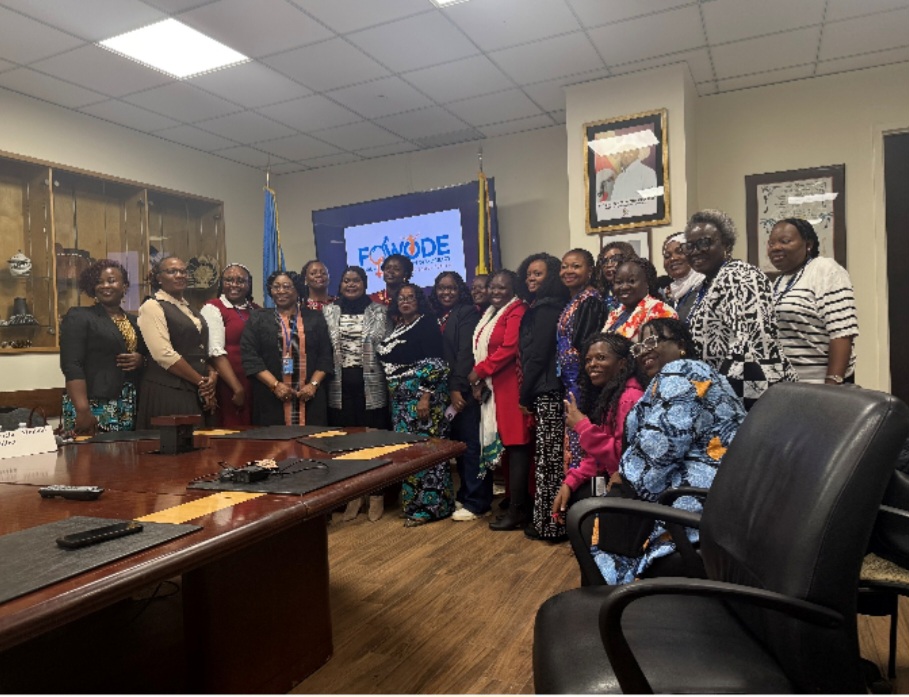
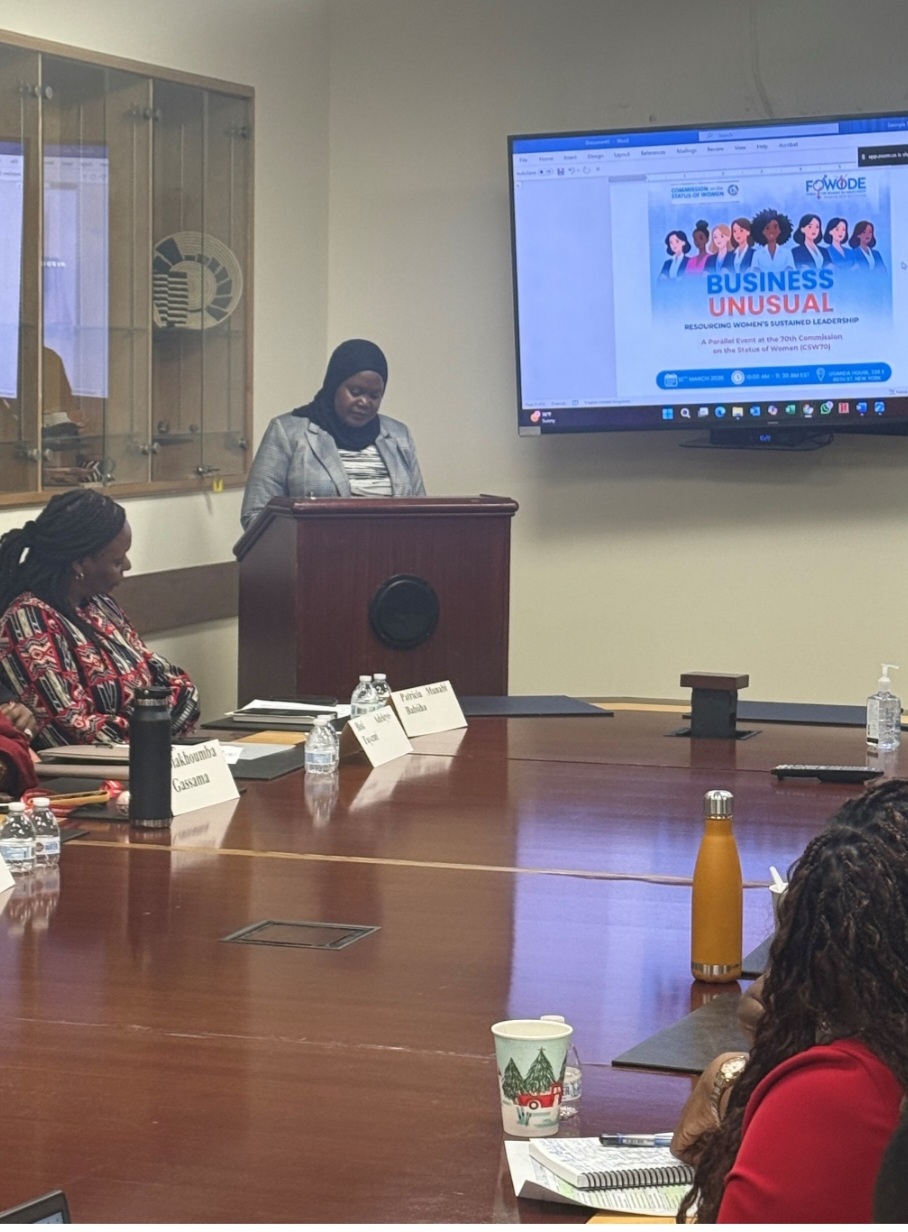
    The Third Deputy Prime Minister and Minister without Portfolio, Rt. Hon. Rukia Isanga Nakadama, on 10 March 2026 delivered an opening remark at a side event during the 70th Commission on the Status of Women currently taking place at the United Nations Headquarters in New York.

    The event, titled “Business Unusual: Resourcing Women’s Sustained Leadership,” was held at the Permanent Mission of the Republic of Uganda to the United Nations and convened policymakers, civil society leaders and development partners to discuss strategies for strengthening women’s leadership and advancing gender equality.

    In her welcome remarks, Rt. Hon. Nakadama commended the Forum for Women in Democracy (FOWODE), the co-host of the event, for its longstanding contribution to advancing women’s leadership in Uganda.

    She noted that the organization has empowered more than 30,000 women leaders over the past three decades, helping to shape some of the country’s most prominent female political figures. She emphasized that partnerships between government and civil society remain critical in promoting inclusive governance and sustaining gains made in gender equality.

    Highlighting Uganda’s progress in women’s representation, Rt. Hon. Nakadama observed that women currently hold 44% of Senior Ministerial positions and 46% of Ministers of State, while also serving in key national leadership roles including the Vice President, Speaker of Parliament and Prime Minister.

    She further noted improvements within the public service, where women now occupy half of the Permanent Secretary positions, alongside significant representation among ambassadors and Chief Executives of Government Commissions.

    The Third Deputy Prime Minister also pointed to growing representation of women in legislative and local governance structures.

    Uganda’s 11th Parliament includes 175 female Members of Parliament, representing 34% of the House, while women constitute 45.7% of elected leaders at local government level.

    Rt. Hon. Nakadama addressing the meeting

    Despite these gains, she cautioned that women globally still account for only about 27% of leadership positions, underscoring the need for sustained policy support and investment. She also advocated for increase of women representation in leadership positions across Africa.

    The Ugandan delegation to the event included among others, Hon. Babirye Milly Babalanda- Minister for the Presidency, the Secretary of the Presidential Awards Committee,Hajjat Zaminah Malole, and the Under Secretary at the Ministry of Water and Environment (Uganda), Ms. Catherine Nassuna, Commissioner Angella Nakafeero, from the Ministry of Gender, Labour and Social Development, the Director of FOWODE, Ms. Patricia Munaba and senior government officials and civil society representatives.

    Participants deliberated on strategies for strengthening financing, capacity building and policy support for women’s leadership, particularly as the global community approaches the 2030 deadline for achieving the United Nations Sustainable Development Goals.

    The event was sponsored by FOWODE.


    Do you have a story in your community or an opinion to share with us: Email us at Submit an Article

  • Deputy PM Nakadama hails Uganda and Norway development cooperation

    Deputy PM Nakadama hails Uganda and Norway development cooperation

    The Third Deputy Prime Minister and Minister without Portfolio,Rt. Hon. Rukia Isanga Nakadama has underscored the longstanding development cooperation between Uganda and Norway, noting that the partnership is founded on a shared vision to promote gender equality and empower women and girls.

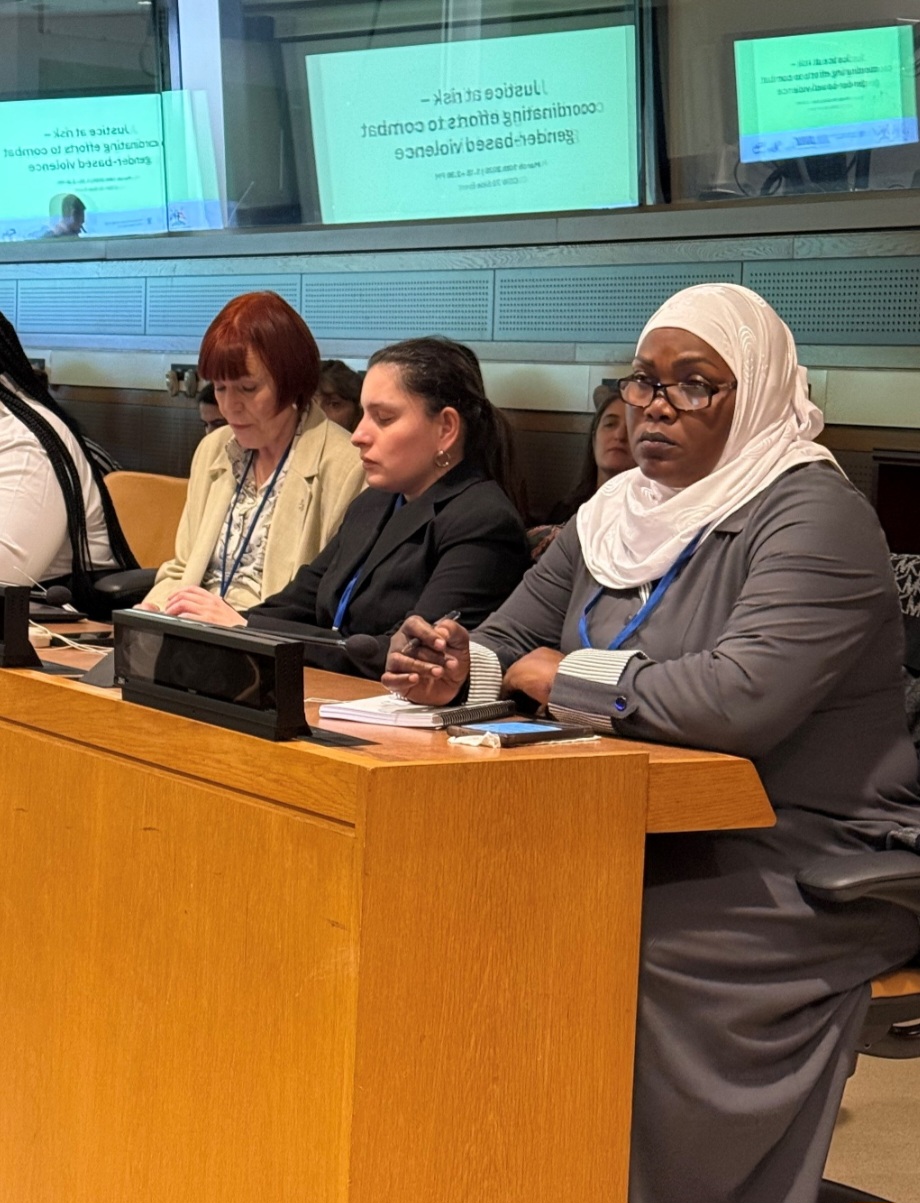
    The Third Deputy Prime Minister made the remarks on Tuesday 10th March, 2026 during the opening of a side event of the Commission on the Status of Women 70 being held at the United Nations Headquarters, New York.

    The side event which ran under the theme: “Justice at Risk: Coordinating Efforts to Combat Gender-Based Violence”,was jointly organized by the Governments of Uganda and Norway in partnership with civil society organizations, including the Federation of Women Lawyers (FIDA) Uganda Chapter and Legal Counselling for Women (JURK) of Norway.

    Rt. Hon. Nakadama welcomed participants and acknowledged the presence of H.E. Erlend Kaldestad Hanstveit, State Secretary at the Norwegian Ministry of Culture and Equality, and Ms. Hege Nilssen, Director General of the Norwegian Directorate for Children, Youth and Families, alongside other distinguished delegates, government officials and civil society representatives committed to advancing gender justice.

    She also highlighted that the collaboration between the governments of Uganda and Norway continues to support programmes that bring together state institutions, civil society organizations and development partners to strengthen coordinated responses to gender-based violence.

    “Through initiatives such as capacity building, peer-to-peer learning and knowledge sharing, both countries have worked to enhance institutional capacities and improve systems that support survivors in accessing justice,” she said.

    The Third Deputy Prime Minister further noted that the annual session of the Commission on the Status of Women provides an important global platform for countries to exchange experiences and mobilize collective action in advancing the rights of women and girls.

    She expressed optimism that the deliberations at the side event would contribute meaningfully to the Commission’s priority theme for the year, which focuses on ensuring and strengthening access to justice for all women and girls through inclusive and equitable legal systems, eliminating discriminatory laws and addressing structural barriers that hinder justice.

    Highlighting Uganda’s national efforts, it was pointed out that the country has put in place strong legal and policy frameworks to address gender-based violence, including provisions within the 1995 Constitution and the National Policy on the Elimination of Gender-Based Violence (2016).

    “However, challenges remain in translating these frameworks into tangible outcomes for survivors. Among the measures taken by the Government are the establishment of specialized gender-based violence desks within the Office of the Director of Public Prosecutions, training prosecutors to handle cases with sensitivity, strengthening community awareness programmes, and introducing victim-friendly reporting mechanisms such as toll-free lines and technology-enabled platforms to encourage reporting and reduce stigma,” Rt. Hon. Nakadama noted.

    During the same event, a panel of experts guided discussions on coordinated responses to gender-based violence and strategies to strengthen access to justice for survivors. The panel featured Ms. Jamali Wakooli, Assistant Director of Public Prosecutions, Ms. Liliane Adako, Director of FIDA Uganda, Ms. Line Hærnes, Policy Director at the Ministry of Justice and Public Security of Norway, and Mr. Juvan Arulanandham, Director of JURK Norway.

    The panelists shared experiences from their respective institutions on addressing challenges such as case backlogs, underreporting of violence and gaps in legal aid services, while emphasizing the importance of collaboration between governments, civil society organizations and development partners to deliver legal, medical, psychosocial and economic empowerment services to survivors.

    The Ugandan delegation to the event included Hon. Babirye Milly Babalanda- Minister for the Presidency, the Secretary of the Presidential Awards Committee, Hajjat Zaminah Malole, and the Under Secretary at the Ministry of Water and Environment, Ms. Catherine Nassuna and Commissioner Angella Nakafeero, from the Ministry of Gender, Labour and Social Development, among other senior government officials and civil society representatives.

    The event concluded with a renewed call for sustained partnerships and practical actions to ensure that women and girls everywhere can effectively access justice and live free from violence and discrimination.


    Do you have a story in your community or an opinion to share with us: Email us at Submit an Article

  • Minister Babalanda urges RDCs to refocus on service delivery and socio-economic transformation of Ugandans

    Minister Babalanda urges RDCs to refocus on service delivery and socio-economic transformation of Ugandans

    The Minister for the Presidency, Hon. Babirye Milly Babalanda has implored Resident District Commissioners (RDCs) to shift their focus back to the core mission of government, which is service delivery and socio-economic transformation of Ugandans, given the fact that the election period is over.

    “H. E President Yoweri Kaguta Museveni has consistently emphasized that the success of government programs depend largely on your effective monitoring and supervision at the district level,” she said.

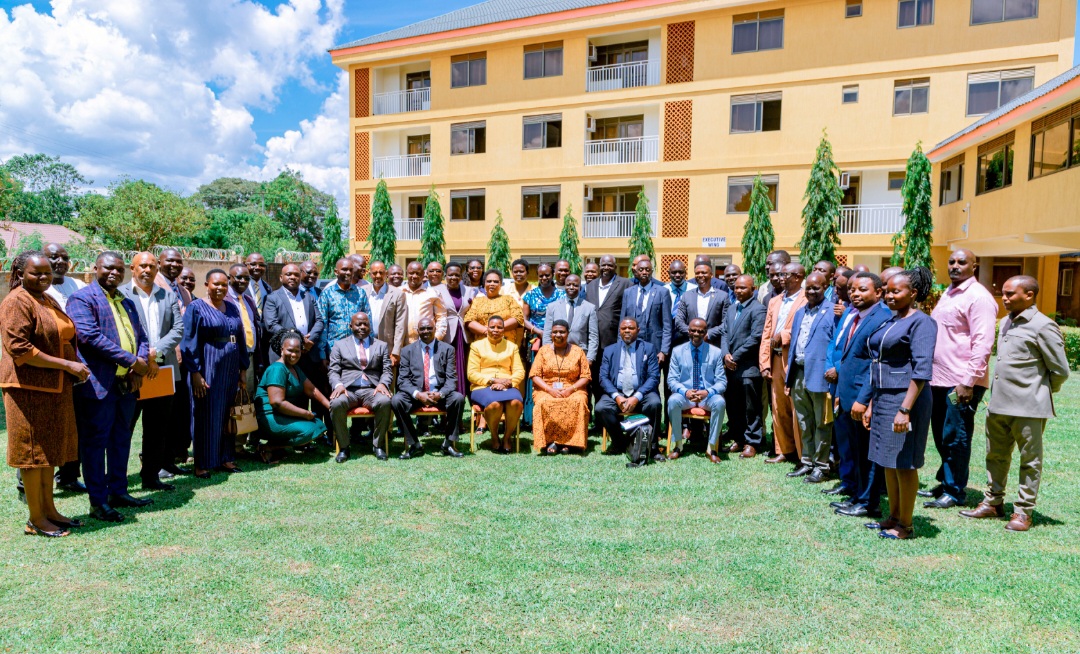
    The Minister who was represented by the Minister of State for Economic Monitoring, Hon. Beatrice Akello Akori, made the remarks today while opening a 3-day capacity building workshop for RDCs/RCC, Deputy RDCs/RCCs, Assistant RDCs/RCCs, RISOs and DISOs in Lango, held at Margarita Palace Hotel, Lira City.

    According to Hon. Babalanda, RDCs and Internal Security Officers are the eyes and ears of the President in the districts and they are therefore expected to ensure that government programs are implemented efficiently and the public resources are used for the benefit of the people.

    “You must remain vigilant and proactive in identifying bottlenecks that affect service delivery. Where there’s misuse of public funds, poor implementation of projects, or delays in service delivery, you must take appropriate action and report to the relevant authorities,” she stated.

    “If it requires you to physically visit project sites, interact with beneficiaries, verify progress and ensure that what is reported on paper reflects what is happening on the ground.”

    Hon. Babalanda also emphasized the popularization of government programs, noting that many transformative initiatives introduced by the government are not fully utilized simply because the intended beneficiaries do not fully understand them.

    “Programs such as the Parish Development Model (PDM), Emyooga, Youth Livelihood program, and other wealth creation initiatives are designed to move households from subsistence to commercial production. However, their success depends on effective communication and Mobilization at the grassroot level,” she said.

    “As government representatives, you must ensure that communities are well informed about these programs and that eligible beneficiaries are able to access them. You must also guide local leaders to ensure that these programs are implemented transparently and fairly.”

    Hon. Babalanda further reminded the commissioners of the achievements that have been realized in the Lango sub region under the leadership of the NRM government, explaining that over the years, the region has experienced significant improvements in infrastructure, including road networks, electricity expansion and improved access to social services.

    “The government has invested heavily in education through the Universal Primary Education and Universal Secondary Education programs, which have enabled many children from the region to access schooling. The health sector has also expanded with construction and upgrading of health facilities across the region,” she noted.

    “In addition, the government wealth creation programs continue to provide opportunities for households to improve their livelihoods and participate in the broader national economy. These achievements demonstrate the commitment of the NRM government to ensuring inclusive development across all regions of the country, including those that historically faced development challenges.”

    On the issue of peace and stability, she said the element remains the foundation of development. The Minister asserted that without peace, there can be no meaningful progress.

    “As security and administrative leaders, you must continue to promote peaceful coexistence among communities and ensure that disputes are resolved through dialogue and lawful processes,” she said.

    “You must also remain alert to emerging security threats and work closely with other security agencies to ensure that the stability that Uganda enjoys today is preserved.

    On the other hand, Hon. Babalanda congratulated President Museveni for the victory registered in the recently concluded general elections. She said the results of the elections clearly demonstrated the continued confidence that Ugandans have in the leadership of the President and in policies of the NRM government.

    “I also wish to highlight the remarkable political shift that has taken place in the Lango sub-region. Historically, Lango was regarded as a stronghold of the opposition politics, particularly of the Uganda People’s Congress. However, in the just concluded elections, the NRM registered a very strong performance across the region.”

    The head of the RDC Secretariat, Maj. Martha Asiimwe congratulated the commissioners and DISOs for fighting tooth and nail to ensure that the NRM government gains are protected by mobilising residents to vote President Museveni highly in the just concluded general elections.

    She also highlighted the objectives of the capacity building workshop.

    Maj. Asiimwe said the workshop aims at equipping the participants with relevant skills and knowledge to enable them execute their duties effectively and efficiently.

    She also noted that the meeting is meant to enhance leadership development and team building to ensure effectiveness as they accomplish the intent of the Commander-in-Chief of achieving socio-economic transformation of Uganda.

    “The workshop helps to strengthen personal growth, ethics, and improve your performance to make sure what you have been assigned to do is done,” Maj. Asiimwe urged.

    “During the workshop, we encourage you to be innovative and creative with new ideas for the betterment of your working stations.”

    As chairpersons and Secretaries of the District Security Committees, Maj. Asiimwe revealed that the participants are also engaged on security management and security geopolitical emerging threats and how to deal with them.

    Additionally, she requested the Minister to maintain the current RDCs to serve the government more.

    The Assistant Commissioner in charge of Economic Monitoring- Office of the President, Mr. Felix Olum, who presented a paper on Monitoring and Evaluation, highlighted some of the key service delivery concerns in the districts such as drug stock-outs, absenteeism, functionality of water points, poor state of feeder roads, urban planning chaos, low recovery rates for wealth creation funds.

    He also pointed out some of the root causes for the concerns as limited Monitoring, corruption and linkages and inadequate fiscal autonomy.

    “Monitoring and Evaluation of government services should be strengthened for improved service delivery. To this end, following their monitoring activities, RDCs are required to produce and submit reports to the Office of the President for review and further management,” Mr. Olum said.

    “Monitoring is a routine tracking of progress of ongoing local government projects/services by comparing actual performance/achievement with planned service delivery targets and measuring actual results against expected results.”


    Do you have a story in your community or an opinion to share with us: Email us at Submit an Article
  • President Museveni meets Masaka NRM leaders, calls for focus on real issues affecting citizens 

    President Museveni meets Masaka NRM leaders, calls for focus on real issues affecting citizens 

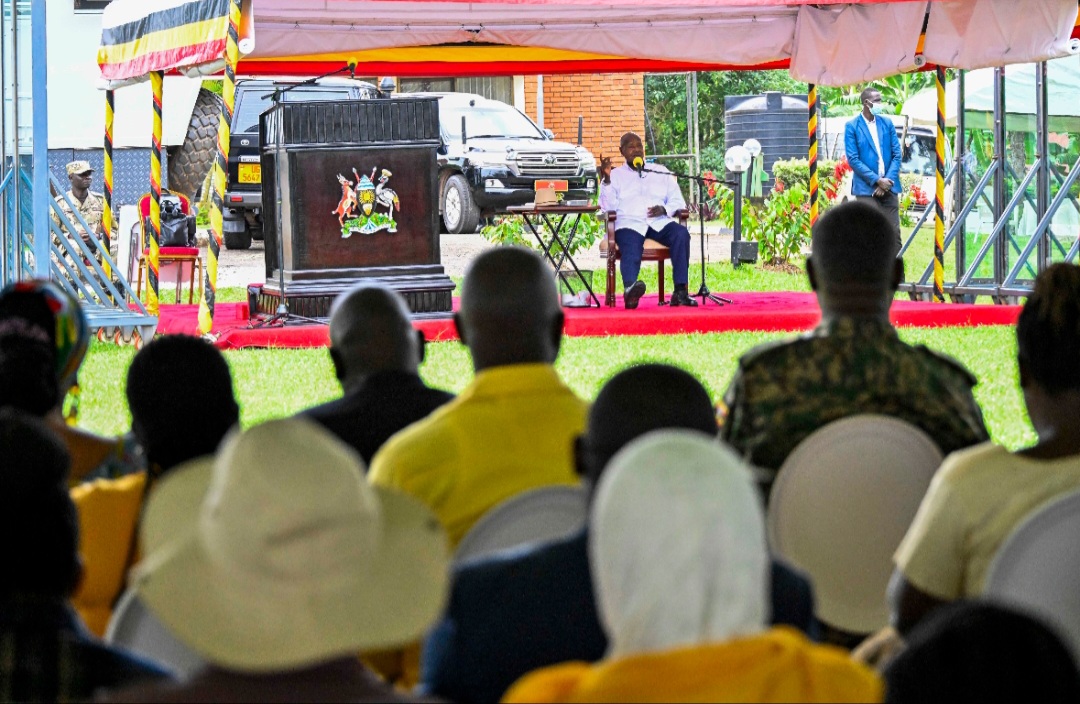
    President Yoweri Kaguta Museveni has today met National Resistance Movement (NRM) leaders in Greater Masaka at State Lodge,Masaka.

    He urged them to focus on addressing the real challenges affecting the wananchi (citizens), exposing corruption at local levels, and promoting government programmes aimed at improving livelihoods.

    The meeting was organised by Masaka City Woman Member of Parliament-elect, Hon. Justine Nameere.

    President Museveni criticised some leaders for spending too much time in political arguments instead of addressing the needs of ordinary citizens.

    “It is unfortunate how some leaders waste time in Parliament talking instead of looking at the real issues and reaching the ordinary people. Leaders must expose wrongdoing and demand solutions to the problems affecting the wananchi,” the President said.

    He warned that silence in the face of corruption undermines public trust and weakens service delivery.

    “Keeping quiet about thieves and corruption in your areas is unacceptable. If leaders at the district level are corrupt and Members of Parliament fear to expose them, then the whole system rots,” he added.

    The President also challenged NRM leaders to confidently speak about the achievements of the government instead of fearing criticism.

    “Some NRM leaders fear to talk about the achievements of the government because they worry about criticism from the population. This is wrong. Instead of keeping quiet, you should promote government programmes and explain what has been achieved,” he said.

    On national unity, President Museveni cautioned against sectarianism, describing it as a dangerous force that divides communities along tribal and religious lines.

    “The other poison is sectarianism, dividing people based on religion and tribe. This is dangerous and we must not allow it,” he emphasised.

    The President commended Hon. Nameere for her courage and initiative in organising the meeting, recounting how he first encountered her when she was young and later brought her to work as an advisor.

    He also recalled the circumstances surrounding her election victory.

    “When she contested for the Masaka city Woman MP seat, there were attempts to rig the votes but she insisted on a recount, and when the votes were counted again, she won. That shows courage,” he said.

    To illustrate the importance of unity across communities, President Museveni shared a personal story about how his education was supported through cattle sales to traders from different backgrounds.

    “I went to school in the 1950s and 1960s because my father was able to pay the school fees by selling cattle in the monthly auction markets of Ntungamo. The buyers were businessmen from different backgrounds, including Walusimbi-Mpanga from Kampala, Bukyenya from Mbarara and Shear, a Muzungu operating from Ishaka who supplied cattle to feed miners at Kilembe,” he said.

    “Who, then, supported my education apart from my father? Certainly not only the Banyankore or my church denomination,” he added, stressing that development has always depended on cooperation among diverse communities.

    President Museveni further urged leaders to mobilise the wananchi to embrace government wealth creation programmes such as the Parish Development Model (PDM) and Operation Wealth Creation (OWC).

    “NRM has always focused on the real issues affecting the people. In the past we faced challenges like insecurity, lack of schools and health centres. Today the main issue we are fighting is poverty,” he said.

    He explained that the Parish Development Model was introduced to ensure that government support directly reaches households through parish-level structures.

    “We decided that those above 18 years should engage with the PDM funds at the parish level because districts and sub-counties were too far from the ordinary person,” he noted.

    The President urged leaders to actively promote these programmes in their communities.

    “Use and embrace government programmes to solve the issues in society,” he said.

    On her part , Hon. Nameere thanked President Museveni for meeting the leaders and for his continued guidance to the people of Masaka.

    “I want to thank the President for sparing time to meet us and for the wise counsel he has given to us as leaders. His guidance will help us refocus on serving our people and promoting the government programmes meant to improve the livelihoods of the wananchi,” she said.

    She also pledged to continue mobilising leaders and communities in Masaka to support government initiatives aimed at fighting poverty and fostering development.


    Do you have a story in your community or an opinion to share with us: Email us at Submit an Article
About UGNEWS24

UGNEWS24 is a Uganda local news service, a product of SOLAVIA GROUP LIMITED, Reg. No. 80048169153974.

Registered office

Plot 2335, Buwambo-Katadde-Najjo Road,
Nansana Municipality, Wakiso District, Uganda
P.O. Box 214231, Kampala

© 2026 SOLAVIA GROUP LIMITED. All rights reserved.