Blog

  • Government Asked to Support Development of Ugandan-Made Cancer, Diabetes Treatment

    Government Asked to Support Development of Ugandan-Made Cancer, Diabetes Treatment

    The Inter Religious Council of Uganda has appealed to government to urgently support the scientific development and validation of a local medical innovation by Ugandan cancer and diabetes drug discoverer, David Ssenfuka.

    In a statement issued by the council’s Secretary General, Joshua Kitakule, religious leaders said Ssenfuka’s innovation could transform Uganda’s health sector and enhance the country’s reputation in medical research if subjected to the required scientific processes.

    The call follows several engagements between President Yoweri Museveni and Ssenfuka regarding the development of his claimed treatment for cancer and diabetes.

    The council said supporting local innovations in healthcare is critical in reducing the burden of diseases while encouraging scientific advancement and homegrown solutions.

    Pastor Joshua Lwere, a member of the Inter Religious Council and co-chairperson of the Council of Presidents, said religious leaders had made inquiries among some individuals who claim to have used Ssenfuka’s medicine and believe it has potential that deserves further investigation.

    Lwere said he personally witnessed cases involving individuals who had reportedly benefited from Ssenfuka’s treatment, including a woman he knew to be suffering from diabetes and cancer.

    He also claimed that the council’s Secretary General had experienced improvement from diabetes after using Ssenfuka’s treatment.

    “I first heard about Ssenfuka’s work through a woman I knew who was suffering from diabetes and cancer. She was introduced to him, and according to her testimony, she recovered after treatment,” Lwere said.

    He added that Ssenfuka had also visited his church, where he witnessed his work firsthand, and cited other prominent individuals, including judicial officials and a former Chief Justice, whom he said had benefited from the treatment.

    Lwere said based on these experiences, he contacted a medical doctor linked to State House to examine Ssenfuka’s herbal formulations and help introduce him to President Museveni.

    He noted that government had previously supported local herbal innovators such as Dr. David Nibanzi Ogwang, the developer of Covidex, and urged that Ssenfuka’s work should similarly be subjected to proper scientific assessment.

    However, Lwere stressed that the treatment must undergo rigorous scientific procedures to establish its safety and effectiveness.

    He warned that delays in supporting local innovations could result in other individuals or countries taking advantage of Uganda’s discoveries.

    Meanwhile, Ssenfuka welcomed the support from religious leaders, saying their intervention had renewed his hope after years of seeking assistance to develop his innovation.

    He thanked President Museveni for meeting him and expressing willingness to support his work but criticized individuals he accused of spreading misinformation about his discovery. He also appreciated the Inter Religious Council that paid him a courtesy visit seven years ago to boost his initiative.

    Senfuka says his use of herbal medicines has spanned over 11 years and counting.

    Recently, President Museveni directed Cabinet to identify resources within the national budget to support Ugandans involved in developing medicines and innovations that can benefit the country.

  • MP Namara Moves to Shake Up Opposition Leadership as Parliament Clears Way for LoP Bill

    MP Namara Moves to Shake Up Opposition Leadership as Parliament Clears Way for LoP Bill

    Parliament has granted leave to Buyaga West County MP, Hon. Dennis Namara, to introduce a Private Member’s Bill seeking to overhaul the election, accountability and removal of the Leader of the Opposition (LoP) in Parliament.

    The motion was approved during plenary on Wednesday, July 8, 2026, chaired by Deputy Speaker Thomas Tayebwa, paving the way for the introduction of the Administration of Parliament (Amendment) Bill, 2026.

    The proposed Bill seeks to change the current system where the Leader of the Opposition is designated by the opposition party with the highest number of MPs. Instead, Namara wants all opposition Members of Parliament to participate in electing the LoP.

    Namara argued that the current arrangement limits the participation of other opposition MPs and allows one party to impose the opposition leader on others.

    “Currently, the Leader of the Opposition is designated by the party with the highest numerical strength among opposition parties in Parliament and is simply imposed on members of the opposition without their will and consent,” Namara said.

    The Bill also proposes that the Shadow Cabinet be approved by opposition MPs through a resolution and that the appointment of opposition representatives to parliamentary leadership positions should involve wider consultations among opposition parties, organisations and independent MPs.

    Namara said the reforms are aimed at promoting democracy, accountability and inclusiveness within the opposition.

    The proposed amendments further introduce new grounds for removing the Leader of the Opposition from office, including misconduct, incompetence and inability to perform official duties due to physical or mental incapacity.

    If passed in its current form, the Bill would require the sitting Leader of the Opposition to leave office three months after the law takes effect, paving the way for a fresh election under the proposed framework.

    Seconding the motion, Kibanda North County MP Hon. Linos Ngompek backed the changes, saying they would give more opposition legislators a voice in choosing their leader.

    However, the proposal faced resistance from some opposition MPs. Kassanda North MP Hon. Patrick Nsamba Oshabe questioned the need to reintroduce a proposal that failed in the previous Parliament.

    Wakiso District Woman MP Hon. Ethel Naluyima also opposed the move, arguing that the Constitution provides for the opposition party with the highest numerical strength in Parliament to appoint the Leader of the Opposition.

    Responding to the debate, Deputy Speaker Thomas Tayebwa reminded legislators that Parliament was only considering whether to allow the Bill to be introduced and was not debating its contents.

    “The member is saying, give me permission to go and prepare a Bill; we are not discussing a Bill,” Tayebwa said before putting the motion to a vote, which was approved by the House.

    The Bill will now proceed to the next stage where its contents will be formally presented and debated by Parliament.

  • SMACK League Season 8 Finale set for eight-game football showcase this Sunday

    SMACK League Season 8 Finale set for eight-game football showcase this Sunday

    The stage is set for an action-packed conclusion to the eighth season of the Guinness-powered SMACK League, with some of the competition’s fiercest rivalries and derbies scheduled for Sunday, July 12, at Kampala Rugby Club (former Legends).

    The grand finale promises a day of football and entertainment as alumni from different cohorts of St. Mary’s College Kisubi (SMACK) battle for honours in both the prestigious Main Cup and the Founders Cup.

    A total of eight matches will be played during the day, featuring four semi-finals, two third-place playoffs and two championship finals.

    In the Main Cup, powerhouses Gladiators (Class of 2016) will renew their rivalry with Knights (Class of 2017) in a high-stakes derby.

    The other Main Cup semi-final pits Phantomz (Class of 2018) against Elite (Class of 2008), who topped Pool A with an impressive campaign in the regular season.

    The Founders Cup also offers compelling contests, highlighted by a clash of generations as Vikings (Class of 2014) take on league ‘elders’ MamaTeo Legends, representing alumni from the 1990-1998 era.

    The second semi-final features Alks (Class of 2007) facing Mafiaz (Class of 2011), with both sides chasing a place in the final.

    Leading the celebrations is Guinness, the official beverage partner, which says the finale offers football fans an opportunity to experience the excitement of the game together after weeks of following football on television.

    “Football has dominated television screens over the past few weeks, but it’s also good to experience the beautiful game live. The SMACK League Season 8 finale gives alumni and football lovers that opportunity.

    Guinness has always been a natural fit for football, and we’re proud to be part of an event that brings together competition, friendship and community. We’ve also lined up exciting value bottle offers to ensure fans enjoy premium refreshments throughout the day,” said Denise Paula Nazzinda, Guinness Brand Manager at Uganda Breweries Ltd.

    Beyond the football, fans can expect a vibrant matchday experience, with songstress ‘Fire Baby’ Winnie Nwagi headlining the entertainment as the marquee performer.

    Heroes Band will also take to the stage, while DJs Bugy, Beast and LB will keep the music flowing throughout the day.

    The finale will also incorporate a community health initiative through a partnership with Case Clinic, which will conduct a free medical camp at the venue.

    People on ground will have access to complimentary HIV testing and counselling, blood pressure screening, blood sugar testing, body mass index (BMI) assessments, and general medical consultations with qualified doctors.

  • NUP’s Muwanga Kivumbi Walks Free as Court Grants Bail in Terror Case

    NUP’s Muwanga Kivumbi Walks Free as Court Grants Bail in Terror Case

    There were emotional scenes at the International Crimes Division of the High Court in Wandegeya on Thursday after National Unity Platform (NUP) deputy president for Central Uganda, Muhammad Muwanga Kivumbi, finally secured bail in the terrorism case against him.

    Justice Susan Okalany granted Kivumbi a cash bail of Shs10 million, while 17 of his co-accused were each released on a cash bail of Shs1 million.

    However, the judge ordered all those released not to leave Uganda without first informing the court.

    Not everyone walked to freedom. Six of the accused were sent back to prison after court ruled that the people presented as their sureties did not meet the required legal standard. Their lawyers are expected to return with fresh sureties in another attempt to secure their release.

    Kivumbi and his co-accused have been on remand since January after they were arrested during a security operation at his home in Butambala District. The operation reportedly left more than seven people dead, and the group was later charged with terrorism.

    The accused applied for bail in May, arguing that they had fulfilled all the legal requirements for temporary release as they await trial.

    Outside court, jubilant supporters cheered, hugged one another and praised the ruling as Kivumbi and the other released suspects prepared to leave custody after months behind bars.

    Although the decision brings temporary freedom to Kivumbi and 17 others, the terrorism case is far from over. The accused will still return to court for trial and must strictly comply with all the bail conditions imposed by the court.

    Attention now turns to the six co-accused still on remand, whose renewed bail applications are expected to be heard after their lawyers present acceptable sureties.

  • Tekno Says People Called Him ‘Lazy’ During His Vocal Cord Battle

    Tekno Says People Called Him ‘Lazy’ During His Vocal Cord Battle

    Tekno has opened up about one of the darkest periods of his career, revealing that many people, including those closest to him, wrongly believed he had become lazy while he secretly battled a serious vocal cord condition.

    Speaking in a recent interview with Cool FM Lagos, the Nigerian singer reflected on the health struggle that forced him away from music at the height of his success.

    At the peak of his career between 2018 and 2021, he suffered severe vocal cord damage caused by acid reflux, leaving him unable to sing and forcing him to step away from recording and performing for an extended period.

    Rather than explain what he was going through, Tekno said he chose to keep his condition private, even from members of his own team.

    That decision, he admitted, led many people to misunderstand his absence from the spotlight.

    Even the people closest to me were saying that, ‘He is just lazy. He does not want to perform.’ I was in a very dark place.

    Although he eventually recovered physically, Tekno said the experience left deep emotional scars.

    He revealed that he lost his passion for music and only continued recording because he had a contract with Universal Music.

    Even after I recovered, I hated music. I did not want to hear music for a long time. I was only forcing myself to do music because I had a deal with Universal.

    According to the singer, his outlook only began to change after he started reading inspirational books, a habit he credits with helping him heal emotionally and reconnect with the music he once loved.

  • EXPIRED AIDS DRUGS SCANDAL! NMS, India’s Drug Giants Sun Pharma , Distributors Abacus on Spot as Patients at Hoima Hospital Allegedly Swallow Out-of-Date ARVs

    EXPIRED AIDS DRUGS SCANDAL! NMS, India’s Drug Giants Sun Pharma , Distributors Abacus on Spot as Patients at Hoima Hospital Allegedly Swallow Out-of-Date ARVs

    KAMPALA – A major health scare has erupted after people living with HIV claimed they were given expired antiretroviral (ARV) drugs at health facilities, with Hoima Regional Referral Hospital at the centre of the controversy.

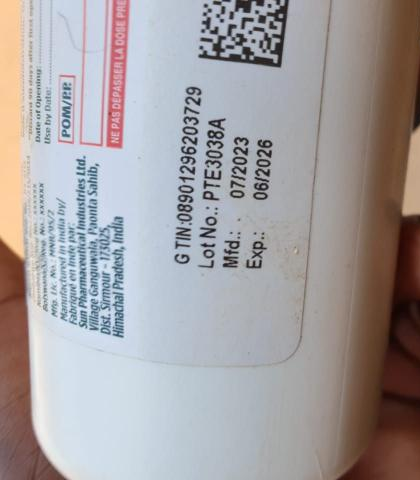
    The alleged scandal has also drawn attention to the pharmaceutical supply chain after the affected medicine, Telatri—a once-daily HIV treatment containing Tenofovir, Lamivudine and Dolutegravir (TLD)—was identified as a product manufactured by India’s Sun Pharmaceutical Industries Ltd (Sun Pharma) and distributed in Uganda through Abacus Pharma, one of the country’s leading pharmaceutical distributors.

    The alleged incident has also put the spotlight on Uganda’s public health medicine supply chain, particularly the role of the National Medical Stores (NMS), the government agency mandated to procure, store and distribute essential medical supplies to public health facilities.

    NMS is responsible for supplying HIV commodities, including antiretroviral medicines (ARVs), HIV testing kits and other related supplies, to government health facilities and accredited HIV treatment centres across the country.

    The agency serves as a key link between pharmaceutical manufacturers and health facilities, ensuring that medicines procured by the government reach patients through the approved distribution system.

    In the case of the alleged expired ARVs at Hoima Regional Referral Hospital, questions are now emerging over every stage of the supply chain — from procurement and storage to transportation, stock management and final dispensing to patients.

    While the affected medicine, Telatri (TLD), is manufactured by India’s Sun Pharmaceutical Industries Ltd and distributed in Uganda through authorised pharmaceutical partners including Abacus Pharma, health authorities are expected to establish at what point the alleged expired stock entered circulation.

    However, there is currently no evidence that either Sun Pharma or Abacus Pharma supplied expired medicines or committed any wrongdoing. The investigation is focused on how medicines alleged to have expired in May 2026 ended up being dispensed to patients.

    The alarm was raised by Barbara Kemigisa, an HIV activist and coordinator of a peer support network for young people living with HIV, after members collecting her ARV refill from Hoima Regional Referral Hospital returned with a bottle whose label showed the medicine had expired in May this year.

    Initially believing it was an isolated mistake, Kemigisa became more concerned when another member of her network reportedly received a similar bottle during a refill collected on July 2.

    She also questioned why some patients were receiving medicines repackaged into unmarked sachets instead of the original manufacturer bottles, saying this made it impossible for patients to verify expiry dates or other critical information.

    Another patient, Gorretti Nandugga, only discovered she had allegedly been taking expired medicine after journalists examined her bottle.

    She and her husband, James Wamani, had unknowingly continued taking the medication despite the expiry date having passed. The couple, who requested that the identity of their health facility remain confidential, collected the drugs in February and are scheduled for viral load testing later this month.

    The revelation has sparked anxiety among HIV patients, many of whom now fear they may have unknowingly consumed expired medicines for weeks.

    Officials at the Ministry of Health say they had not received reports of expired ARVs being dispensed but promised immediate investigations.

    Dr. Robert Mutumba, who heads the Ministry’s STD/AIDS Control Programme, said authorities would verify the allegations while urging patients to always check expiry dates before leaving health facilities.

    Meanwhile, the Ministry’s ARV Supply Chain Expert, Ian Nyamitoro, said the official stocks of TLD currently being distributed nationwide carry expiry dates extending into 2027 and 2028, suggesting that the medicines in question should not have expired.

    He explained that health facilities are required to routinely identify and remove expired medicines before they reach patients.

    A bottle of expired TLD drugs. Nandugga took a pill from the bottle on Monday, more than a month after the drug expired

    Despite those assurances, Kemigisa insists the problem is real and says she has begun personally checking medicine bottles belonging to members of her support network after discovering multiple suspected cases.

    She fears many patients who never inspect expiry dates could continue taking expired drugs without knowing.

    The controversy comes at a difficult time for Uganda’s HIV response, with funding cuts already affecting community monitoring programmes that previously helped identify treatment problems early.

    By press time, Hoima Regional Referral Hospital had not issued a response to the allegations, while the Ministry of Health says investigations are underway to establish whether expired ARVs were indeed dispensed, how they reached patients, and where responsibility lies.


    GOT A HOT STORY? LET US KNOW!

    Got breaking news, explosive secrets, or hard evidence?

    Email us: redpeppertips@gmail.com

    We accept tips, documents, videos, photos, and recordings—the more evidence you have, the better.

    CONFIDENTIALITY IS OUR TOP PRIORITY. SOURCES ARE ALWAYS PROTECTED!

    About Post Author

  • Private Member’s Bill Seeks Reforms in Election, Accountability of Leader of Opposition

    Private Member’s Bill Seeks Reforms in Election, Accountability of Leader of Opposition

    Parliament has received a private member’s Bill seeking to reform the election process, accountability mechanisms and operations of the office of the Leader of Opposition.

    The Administration of Parliament (Amendment) Bill, 2026, moved by Namara Dennis, Member of Parliament for Buyaga West Constituency, is intended to amend the Administration of Parliament Act, Cap 272, to provide for a broader participation of opposition members in electing the Leader of Opposition.

    The Bill is anchored on Articles 79 and 94 of the Constitution of the Republic of Uganda, 1995, which empower Parliament to make laws on matters relating to peace, order, development and good governance, and provide for Members of Parliament to introduce private members’ Bills.

    The proposed legislation follows the establishment of the office of the Leader of Opposition after Uganda’s transition to a multiparty political system in 2005 and the subsequent constitutional amendments that created the office under Article 82A.

    Currently, Section 8 of the Administration of Parliament Act provides that the Leader of Opposition is elected by the opposition political party with the greatest numerical strength in Parliament.

    The Bill argues that although the current law provides for consultations with other opposition parties and independent MPs, the actual decision-making power remains with the largest opposition party, limiting participation of other political groups.

    According to the Bill’s memorandum, the existing arrangement has affected the ability of opposition MPs to collectively hold the Leader of Opposition accountable and has weakened cooperation among opposition parties represented in Parliament.

    The proposed amendments seek to introduce the following reforms:

    The Bill proposes that the Leader of Opposition should be elected by all members of opposition parties represented in Parliament and independent Members of Parliament.

    However, the person elected must come from the opposition political party with the greatest numerical strength in Parliament.

    The procedure for conducting the election would be provided for under Parliament’s Rules of Procedure.

    1. New Grounds for Removal from Office

    The Bill proposes expanding the grounds under which the Leader of Opposition may cease holding office.

    In addition to existing grounds, the proposed amendments introduce removal for:

    Misbehaviour; Misconduct; Incompetence; and Inability to perform duties due to infirmity of body or mind.

    The removal would require a resolution supported by two-thirds of all Members of Parliament.

    A Leader of Opposition removed under these provisions would be barred from holding any other parliamentary office during that term.

    1. Approval of Shadow Cabinet

    The Bill proposes that the shadow cabinet appointed by the Leader of Opposition should be approved by Parliament through a resolution.

    The proposal is intended to increase accountability and ensure wider participation within the opposition leadership structure.

    1. Consultation in Parliamentary Appointments

    The proposed amendments require the Leader of Opposition to consult all opposition political parties and organisations represented in Parliament, as well as independent MPs, when appointing:

    Chairpersons and deputy chairpersons of parliamentary standing committees; Opposition representatives on the Parliamentary Commission; and Uganda’s representatives to international bodies where Parliament is represented.

    The Bill provides that a person occupying the office of Leader of Opposition at the time the amendment becomes law would cease to hold office three months after commencement of the Act.

    After that period, elections would be conducted in accordance with the new provisions.

    The Bill will now undergo the parliamentary process, including consideration by legislators before any possible enactment into law.

  • HE-GOAT AT THE ALTAR! Catholic Priest Nabbed With P.5 Girl After Trapping Her With Tik-Tok Videos

    HE-GOAT AT THE ALTAR! Catholic Priest Nabbed With P.5 Girl After Trapping Her With Tik-Tok Videos

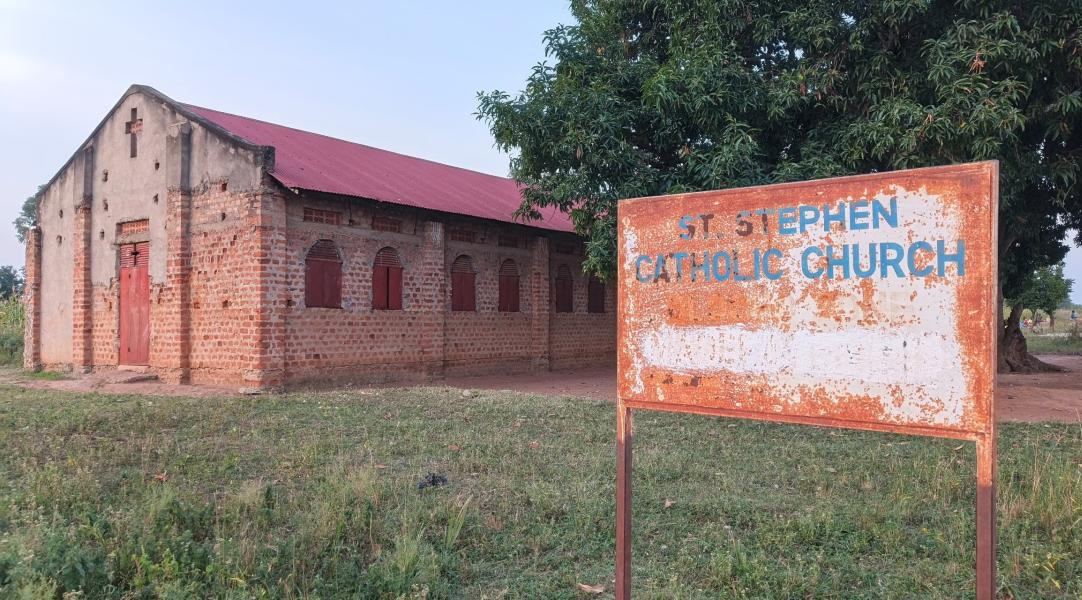
    James Odongo, ‎a Catechist at St. Stephen Catholic Church and Director of St. Stephen Nursery and Primary School in Ogorai Village, Odudui Parish, Arapai Sub County is in police cells for allegedly defiling a P.5 pupil.‎‎

    ‎‎The situation escalated on Tuesday night when Odongo was caught red-handed locked with the teenager in his office by the teenager’s father and community members. ‎‎Odongo’s troubles began when community members suspected him of engaging in an inappropriate relationship with the 14-year old girl, as he was frequently seen entering his office with her at night. ‎‎

    Some community members alerted the girl’s father, Robert Ekibu who started investigating the repeated late-night visits of his daughter to the catechist’s office.‎‎ On Tuesday night, they observed the teenager entering the office at 6 PM where she stayed until 9:30 PM, when the teen’s father and community members were mobilized to arrest Odongo.‎‎‎

    ‎‎Ekibu told our reporter that he had received reports for a long time suggesting that his daughter was involved with Odongo.‎‎

    ‎‎He recounted an incident where Odongo went to his home in the evening and sat outside with his daughter until around 10 PM. Although he was inside the house, he refrained from confronting Odongo at the moment, thinking he might be providing guidance.‎‎

    ‎‎”When he left, I confronted my daughter about it, and warned her never to entertain such again,” Ekibu said.‎‎ Ekibu further revealed that Odongo lured his daughter using a smartphone by letting her watch comedy skits on TikTok. ‎‎

    ‎‎He emphasized the need for justice for his daughter whose future has already been spoiled by Odongo’s acts.‎‎ “I want Odongo to face the courts of law because he has destroyed future of that girl and the bond we had together. I am the one who sold him the land where he established his school, and then he comes after my daughter. He was supposed to be a father figure and a guide to this young girl, not someone who would spoil her future, “Ekibu stated.‎‎

    ‎Augustin Ewalu, the area LC1 Chairperson, noted that he received alarming calls from the community on Tuesday night, informing him that they were ready to take mob justice against the catechist. ‎‎‎

    ‎”I rushed to the school and found that Odongo had been locked inside the office with the teenager, prompting the community to confine him there until the police were notified,” Ewalu explained.‎‎

    ‎‎‎Ewalu managed to keep the situation from escalating further until the police arrived around 11 PM to rescue both him and the teenager. ‎‎

    ‎‎Ewalu expressed the community’s disbelief and disappointment,  that Odongo’s actions were shocking, especially considering his role as a guide and advisor for the youth in the community.‎‎

    They later handed over the suspect to Odui police post, which has commenced investigations.


    GOT A HOT STORY? LET US KNOW!

    Got breaking news, explosive secrets, or hard evidence?

    Email us: redpeppertips@gmail.com

    We accept tips, documents, videos, photos, and recordings—the more evidence you have, the better.

    CONFIDENTIALITY IS OUR TOP PRIORITY. SOURCES ARE ALWAYS PROTECTED!

    About Post Author

  • CANCER TIME BOMB! WHO Warns Cases Could Explode to 35 Million a Year by 2050

    CANCER TIME BOMB! WHO Warns Cases Could Explode to 35 Million a Year by 2050

    Millions of people around the world continue to bear the physical, emotional and financial burden of cancer, a disease that claims more than 26,000 lives every day, according to a report released on Wednesday by the World Health Organisation.

    With an estimated 20.6 million new cancer cases and nearly 10 million deaths each year, cancer remains the world’s second leading cause of death after cardiovascular disease.

    The report warns that reversing this trend will require a fundamental shift to a people-centred approach that addresses the health needs and lived experiences of individuals, families and communities affected by cancer. Without urgent action, annual cancer cases are projected to rise to nearly 35 million by 2050.

    The WHO Global Status Report on Cancer 2026, produced jointly with the International Agency for Research on Cancer, provides a comprehensive assessment of progress in political commitment, cancer prevention, including tobacco control and vaccination programmes, as well as investment in diagnosis and treatment.

    However, the report highlights persistent and widening inequalities in access to prevention, early diagnosis, treatment and supportive care, leaving millions without the services they need. It notes that while 87 per cent of women diagnosed with breast cancer survive for at least five years in high-income countries, the figure drops to about 42 per cent in low-income countries.

    Fewer than one in three countries currently include cancer care within their universal health coverage packages.

    “Cancer is a deeply personal disease that touches nearly all of us. But whether a person survives cancer should never depend on where they were born or what they earn,” said Tedros Adhanom Ghebreyesus. “The inequities documented in this report are not inevitable; they are the consequence of choices, and they can be reversed through stronger and unified action.”

    The report notes that most people will be affected by cancer at some point in their lives, either through their own diagnosis or that of a close family member. Beyond its health consequences, cancer remains one of the most financially and socially devastating challenges households can face.

    WHO’s first-ever survey of people affected by cancer found that at least 45% experience financial hardship, more than half report mental health challenges, and nearly all caregivers experience significant strain, including unpaid caregiving responsibilities and social isolation.

    The report also shows that the global cancer burden varies significantly by region. In 2024, Asia accounted for the largest share of cases, representing an estimated 50.7 per cent of all new diagnoses and 56.5 per cent of cancer deaths, largely reflecting its population size.

    Europe, meanwhile, carried a disproportionately high burden, accounting for 21 per cent of global cancer cases and 20 per cent of deaths despite having only about 9 per cent of the world’s population. In contrast, many countries in Africa and parts of Asia recorded lower cancer incidence but disproportionately higher mortality rates.

    Lung cancer remains the leading cause of cancer-related deaths worldwide. Among men, lung, prostate and colorectal cancers are the most commonly diagnosed, while breast, lung and colorectal cancers account for a substantial share of the disease burden among women.

    Nearly four in ten cancer cases globally are linked to preventable risk factors, including infections such as human papillomavirus (HPV), hepatitis B and C, and Helicobacter pylori, as well as tobacco use, alcohol consumption, excess body weight and physical inactivity, underscoring the critical importance of prevention.

    “While we are seeing reductions in some cancer rates in countries that have implemented prevention policies, progress has been too slow,” said Elisabete Weiderpass. “The cancer profile is evolving, increasingly driven by rising rates of obesity, physical inactivity, unhealthy diets and air pollution. Cancer prevention must remain a political priority.”

    Despite the challenges, the report points to notable progress in several areas. Global tobacco use has declined by 27 per cent since 2010, contributing to reductions in lung cancer incidence and mortality in some regions. Infection-related cancers are also decreasing, driven by expanded vaccination programmes, improved water, sanitation and hygiene (WASH), and stronger infection prevention and control measures.

    Political commitment has also strengthened. The report shows that 82 per cent of countries now have national cancer control plans, up from 50 per cent in 2010. In high-income countries, early detection programmes identify most breast cancer cases at treatable stages, while 74 per cent of women have been screened for cervical cancer. Scientific innovation is also advancing rapidly, with registered clinical trials increasing at an average annual rate of 7.3 per cent between 2005 and 2021.

    However, the report cautions that these gains are not translating into life-saving outcomes quickly enough. Essential cancer medicines remain out of reach for many people, with the availability of the 20 priority cancer medicines ranging from just 9 per cent to 54 per cent in low- and lower-middle-income countries, compared with 68 per cent to 94 per cent in high-income countries. According to WHO, the consequences of these disparities continue to be borne most heavily by people living with cancer and their families.


    GOT A HOT STORY? LET US KNOW!

    Got breaking news, explosive secrets, or hard evidence?

    Email us: redpeppertips@gmail.com

    We accept tips, documents, videos, photos, and recordings—the more evidence you have, the better.

    CONFIDENTIALITY IS OUR TOP PRIORITY. SOURCES ARE ALWAYS PROTECTED!

    About Post Author

  • Speke Resort Convention Centre joins global meetings body to boost Uganda’s international events industry

    Speke Resort Convention Centre has achieved another major milestone after becoming an official Convention Centre Partner of the International Association of Professional Congress Organisers (IAPCO), a move expected to strengthen Uganda’s position as a destination for international conferences, exhibitions and business events.

    The new partnership gives the convention centre access to a global network of professional congress organisers, event planners and association leaders responsible for selecting venues for some of the world’s biggest meetings and conventions.

    The recognition also highlights Speke Resort Convention Centre’s commitment to meeting international standards in event management, venue operations and conference services. It further enhances the centre’s reputation as it seeks to attract more high-profile global events to Uganda.

    The IAPCO partnership adds to the convention centre’s growing list of international affiliations, including the International Congress and Convention Association (ICCA) and the International Association of Convention Centres (AIPC), strengthening its presence in the global meetings and events industry.

    Situated on the shores of Lake Victoria within Speke Resort Munyonyo and Munyonyo Commonwealth Resort, Speke Resort Convention Centre is Uganda’s largest integrated meetings, incentives, conferences and exhibitions destination. The facility features 34 meeting, conference and exhibition venues, more than 10,000 square metres of indoor event space, the flagship Rwenzori Convention Centre, expansive outdoor event grounds, 476 guestrooms and suites, multiple restaurants, modern audiovisual facilities, ample parking and enhanced security.

    Its integrated setup enables organisers to host conferences, exhibitions, accommodation, dining, networking sessions and leisure activities in one location, offering delegates and event organisers a seamless experience.

    Over the years, the convention centre has successfully hosted several major international events, including the 19th Non-Aligned Movement Summit, the G77+China Third South Summit, the Commonwealth Conference of Speakers and Presiding Officers, the Uganda–European Union Business Forum and the African Airlines Association (AFRAA) Annual General Assembly and Summit.

    With its new IAPCO partnership, Speke Resort Convention Centre is expected to gain greater visibility among international event organisers, opening doors to more global conferences and exhibitions. The partnership will also provide opportunities for knowledge sharing, professional development and collaboration with leading experts in the international meetings industry.

About UGNEWS24

UGNEWS24 is a Uganda local news service, a product of SOLAVIA GROUP LIMITED, Reg. No. 80048169153974.

Registered office

Plot 2335, Buwambo-Katadde-Najjo Road,
Nansana Municipality, Wakiso District, Uganda
P.O. Box 214231, Kampala

© 2026 SOLAVIA GROUP LIMITED. All rights reserved.