Blog

  • AG Kiryowa Kiwanuka Moves to Resurrect Nullified Computer Misuse Law Provisions

    AG Kiryowa Kiwanuka Moves to Resurrect Nullified Computer Misuse Law Provisions

    AG Kiryowa Kiwanuka Moves to Resurrect Controversial Computer Misuse Law; Demands Parliament Re-enact Provisions Struck Down by Constitutional Court

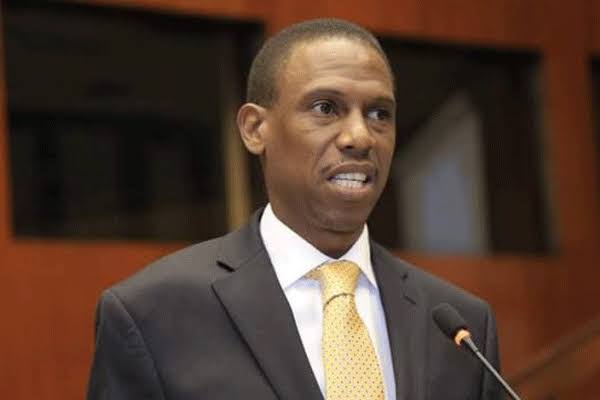
    KAMPALA | WATCHDOG | In a move that has sent shivers through the spines of free speech defenders and digital rights activists, the Attorney General, Kiryowa Kiwanuka, has formally requested Parliament to re-enact the controversial sections of the Computer Misuse (Amendment) Act, 2022, which were recently nullified by the Constitutional Court.

    It should be recalled that earlier this year, the Constitutional Court delivered a landmark ruling declaring Section 25 of the Act—which criminalized “offensive communication”—as null and void. The justices ruled that the provision was vague, overbroad, and a direct violation of the right to freedom of expression as enshrined in the Constitution.

    However, the government’s chief legal advisor is not backing down. Appearing before the Parliamentary Committee on Legal and Parliamentary Affairs, AG Kiwanuka argued that the “legal vacuum” created by the court’s decision has left the state toothless against cyber-harassment, hate speech, and the spread of malicious misinformation.

    The Push for Re-enactment
    The Attorney General contends that while the court found fault with the wording of the previous law, the intent remains necessary for the protection of citizens in the digital age. He is now pushing for a revised version of the law that supposedly cures the “vagueness” identified by the judges while retaining the power to prosecute those who use the internet to disturb the peace of others.

    “We need a law that balances the right to free speech with the right to privacy and dignity. The current gaps in the law are being exploited by criminals,” a source close to the AG’s chambers told Watchdog Uganda.

    A Blow to Press Freedom?
    The original amendment, championed by Kampala Central MP Muhammad Nsereko, was widely condemned by civil society organizations, journalists, and human rights lawyers as a “draconian piece of legislation” designed to shield public officials from scrutiny and criticism.

    Critics argue that the government’s rush to bring back these provisions is a calculated attempt to muzzle independent media and silence “keyboards warriors” who have become the loudest voices against corruption and governance failures.

    Human rights lawyer and activist, Isaac Ssemakadde, who was instrumental in the petition that struck down the initial sections, has previously warned that any attempt to “resurrect a dead law” would be met with stiff legal resistance.

    What Next?
    The ball is now in the court of the Legal and Parliamentary Affairs Committee. If the committee adopts the AG’s recommendations, a new bill will be drafted and tabled before the floor of Parliament for debate.

    Given the overwhelming NRM majority in the House, observers fear that the law could be fast-tracked, once again putting Uganda’s digital landscape under the shadow of state surveillance and legal intimidation.

    Watchdog Uganda will continue to monitor this developing story as the battle between state regulation and constitutional freedoms heads back to the floor of the August House.

    Do you have a story in your community or an opinion to share with us: Email us at Submit an Article
  • Women’s Representation in Film and Television Reshapes Power, Careers and Possibility

    Women’s Representation in Film and Television Reshapes Power, Careers and Possibility

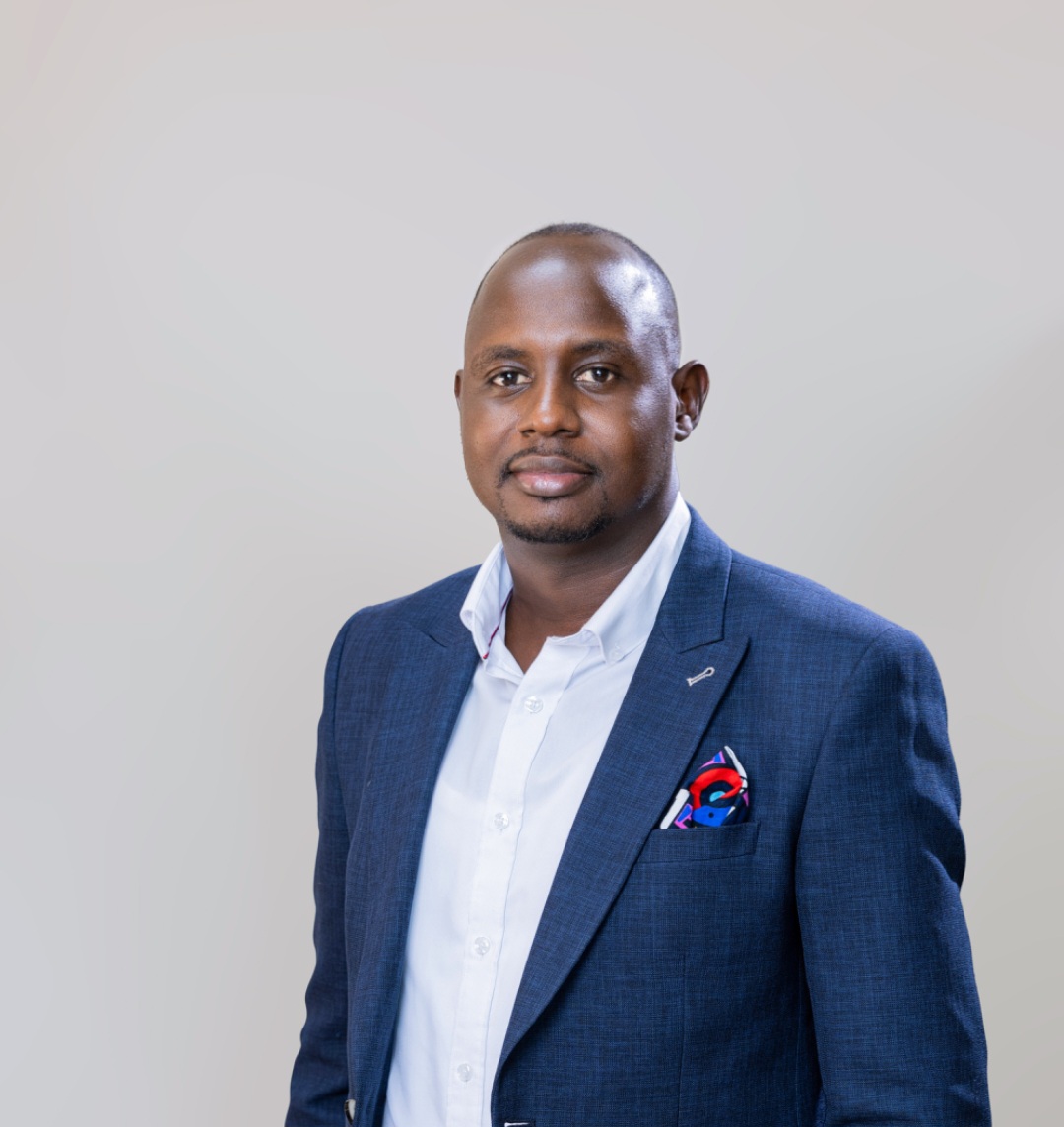
    By Rinaldi Jamugisa

    Uganda’s film and television industry is undergoing a quiet but important shift. More women are appearing at the center of the stories audiences watch, and increasingly, they are shaping the narratives behind the camera as well. This evolution is about more than representation. It is influencing how power is understood, how careers develop and how societies imagine leadership.

    For many years, women in Ugandan film and television were largely confined to predictable roles on screen and underrepresented behind the camera.

    Female characters were often secondary to male narratives, while the technical and decision-making spaces of directing, writing, and production leadership remained heavily male-dominated. That dynamic shaped perceptions of leadership, authority and ambition.

    That reality is on a steady, progressive course.

    Across Uganda’s growing television and film landscape, women are increasingly occupying central narrative roles and influencing the stories being told. Female characters are no longer limited to archetypes; they are complex protagonists navigating power, ambition, relationships and moral conflict.

    Just like Pearl Magic Prime’s new telenovela, Loving Beyond, features strong female characters who navigate loyalty, ambition, family expectations, and forbidden love while challenging the legacies and rivalries that divide their communities.

    We see Nakki go head-on with her sister Victory in an intense sibling rivalry fueled by business competition, personal secrets, and romantic jealousy. In the show, the sisters are pitted against each other in the ruthless business world of “Pearl Sugar.” Their father, Mr. Lutaaya, pressures Vicky to be the “tough cookie” and run the company, while Nakki is positioned as a potential disruptor.

    A depiction of such characters in film shows a shift in the roles women are perceived to take on. Mr. Lutaaya, placing his trust in his daughter to run the family business, is a move seen as reshaping power, careers and possibilities. This change may appear subtle, but its implications are significant.

    Storytelling defines cultural imagination. When audiences repeatedly see women as leaders, strategists, entrepreneurs or decision-makers, it expands the boundaries of what feels credible in real life. What this does is that it influences how societies understand capability and authority.
    Just as important is what is happening behind the camera.

    Women are steadily expanding their presence as producers, writers, editors and production managers within Uganda’s creative industry. This shift matters because creative control determines which stories are prioritized and how they are framed.

    Case in point is Doreen Mirembe, the producer of the hit drama series, Damalie. A certified nurse in real life was able to give the show an authentic feel of how the Ugandan medical scene operates.

    When women participate in shaping narratives, the industry moves closer to reflecting the diversity of lived experience in Ugandan society.

    However, progress should not be mistaken for parity. Structural barriers remain visible.

    Access to financing for film and television projects continues to be uneven. Informal industry networks can still determine who gets opportunities. Technical training pipelines remain limited, particularly for women seeking to enter production-heavy roles such as cinematography or post-production.

    These constraints highlight an important point, which is that representation alone is not enough. Visibility must be accompanied by deliberate investment in skills development, production infrastructure and financing mechanisms that enable women to build sustainable careers in the industry.

    There are encouraging signs that this ecosystem is beginning to evolve.
    This year’s International Women’s Day’s theme, “Give to Gain,” offers an important reminder for the creative economy: progress in representation does not happen by chance, it requires consistent investment in talent development, storytelling platforms, and industry infrastructure. MultiChoice embraced this with a spinoff theme for both their internal and external communications “We are because she is” – a testament to the contribution women give in the industry.

    Investing in women’s visibility in film and television means supporting training programs like MultiChoice Talent Factory (MTF), production opportunities as on Mnet’s Pearl Magic and Pearl Magic Prime, and mentorship pipelines that enable emerging talent to transition into leadership roles within the industry, like Uganda Communications Commission Uganda Film Festival activities and engagements. It also means recognizing that storytelling is a strategic cultural asset. Countries that nurture strong creative industries shape domestic narratives and global perceptions.
    Uganda’s creative sector is still developing, but it carries significant potential. Representation on screen can inspire, but representation behind the camera determines who controls the narrative. For Uganda’s film and television industry, the next phase of growth will depend on whether both dimensions advance together.

    The writer is the PR and Communications Manager at MultiChoice Uganda 


    Do you have a story in your community or an opinion to share with us: Email us at Submit an Article
  • Former Uganda Cranes Head coach Sebastien Desabre guides DR Congo to the first World Cup in 52 years

    Former Uganda Cranes Head Coach Sébastien Desabre has led the DR Congo national football team to a historic return to the FIFA World Cup after 52 years, following a hard-fought 1-0 extra-time victory over Jamaica national football team.

    The decisive moment came deep into extra time when defender Axel Tuanzebe rose to meet a corner kick and scored in the 100th minute, sealing a dramatic win after a goalless 90 minutes.

    DR Congo’s qualification caps an impressive playoff campaign in which they eliminated Cameroon national football team and Nigeria national football team before overcoming Jamaica in the final hurdle.

    The Leopards will now return to football’s biggest stage for the first time since 1974, when the country competed as Zaire. Their qualification marks a major milestone and signals a new era for Congolese football.

    The African qualifiers for the 2026 tournament were fiercely contested, with nine teams securing automatic spots after a long campaign of over 250 matches played across two years. Among the standout stories were Cape Verde national football team reaching their first-ever World Cup, while traditional powerhouses like Cameroon and Nigeria fell short.

    The nine African nations that booked automatic qualification are Morocco, Tunisia, Egypt, Ghana, Algeria, Cape Verde, Senegal, South Africa, and Ivory Coast.

  • “Listen to the grass root community and address their challenges”- Sr. Grace Akiror implores Kitagwenda District leadership

    “Listen to the grass root community and address their challenges”- Sr. Grace Akiror implores Kitagwenda District leadership

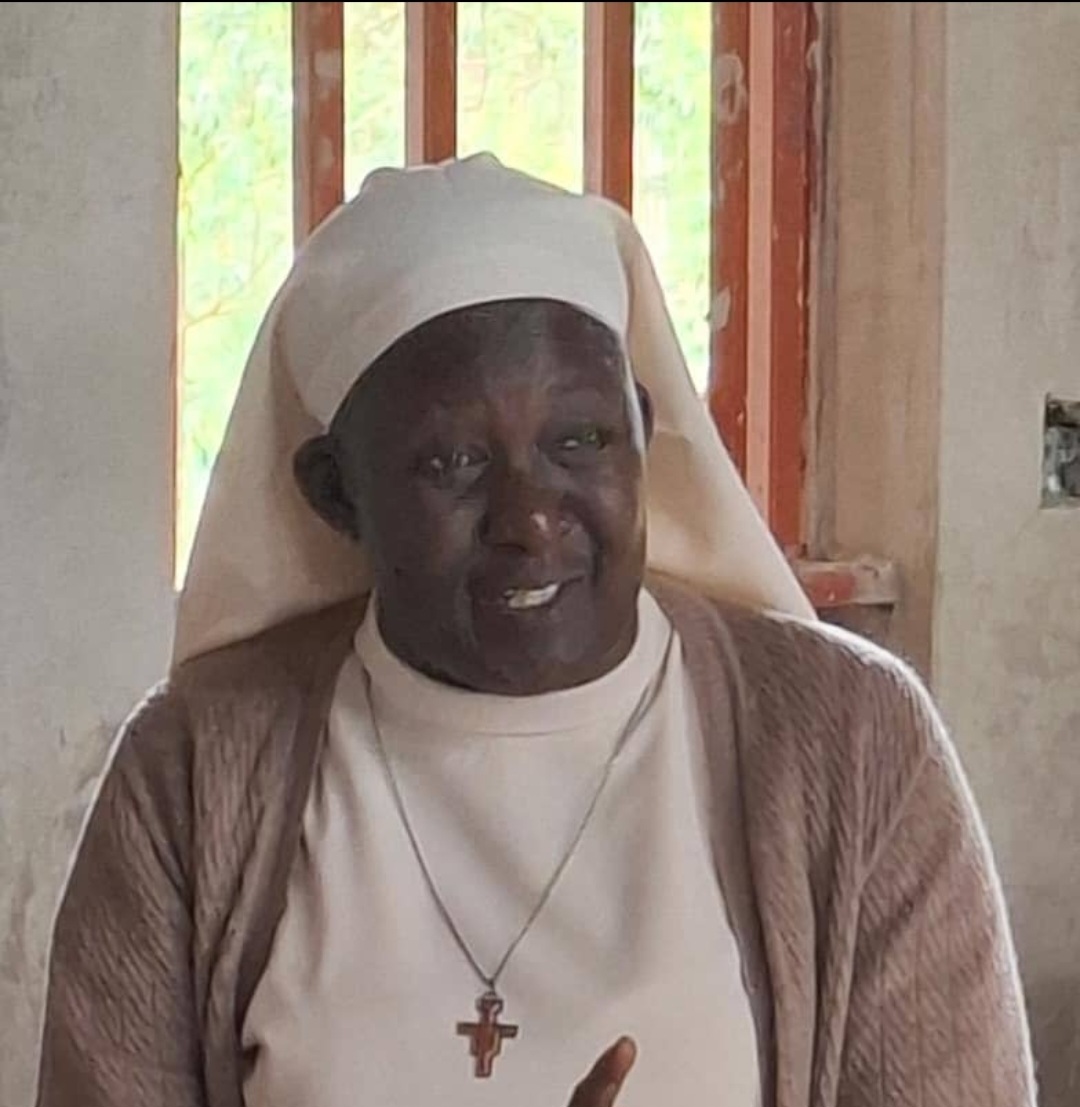
    Sr.Dr. Mary Grace Akiror, the Deputy Head of the RDC secretariat has rallied the leadership of Kitagwenda District on Service Delivery.

    While meeting the technical, political, security and the Special Interest Groups at the District Council Hall today, Sr. Dr. Akiror appreciated the leadership for working tirelessly towards securing a landslide win for President Yoweri Kaguta Museveni of 91.6%.

    She called upon the participants to serve diligently, exercising high degree of care while serving the community. She noted that it is prudent for each and every worker of government to work and leave behind a lasting legacy on retirement. She called up on the District Service Commission to desist from selling of jobs.

    The Senior Presidential Advisor on Research Dr. Dan Sekibobo rallied the leaders on paying detail to the entire service delivery across the district. He noted that diagnosing and addressing the various community challenges is key

    Dr. Sekibobo encouraged the participants to get to the grassroot and engage botton up planning strategy through listening and appreciating the communities to find a lasting solution through community Barazas.

    The Kitagwenda RDC, Mr. Kanyamahane Isiah welcomed the participants for gracing the engagement. He appreciated the central government for the vast funding opportunities and the visionary leadership of the President.

    The Chief Administrative Officer, Mr. Moses Mahmood, Dallili commended government for supporting the District on various programs and projects. He commended the participants for the team work and patriotism exhibited so far.

    He noted that the District team is already engaging the Parish Development Model Team to ensure full recovery of the PDM funds.

    The participants appreciated the team for the cordial engagement noting that such trend should continue for the betterment of the District.

    On the various Government programs and projects in Kitagwenda District, the total distance of the District roads network stands at 157 km where 52 km of the roads are gravel and 107 km of the roads network are earth. The bridges in the District do include: Nkurungo (3 no.), Kyabasasa, and Rwambu Kamayenje Kiburara prison bridge. The big culverts in the District include; Rukinga, Nyakabaale, and Ryengoma. On the utilization of the Uganda Road Fund and Road Maintenance Grant for the financial year 2023/ 2024 – 2025/2026.

    Road projects worked on from the FY 2023/2024 to 2025/2026 with funding from Uganda Road Fund and Road Rehabilitation grants total to 18 roads with a length of 219.61 KMs, additionally 2 swamps have been raised and construction of 2 box culverts has been done. The Road Fund has enhanced maintenance of Kitagwenda Town council (Urban Roads) and Sub Counties Community Access Roads (CARs). The District Road Equipment has been maintained and serviced as provided for in the maintenance manuals.

    In the education sector, the district has 68 Government aided Primary School, 08 Secondary Schools , one technical school and one technical institute, 15 private secondary schools. The district has an enrolment 40288, private schools 5006, government aided secondary schools 4083, and private schools 1614 and 291 in tertiary institutions.

    Under AGRI-LED Value Addition Facilities F/Y 2021/2022/2023/24,with funding from Ministry of Local Government and NAADS, 3 farmers group received 3 coffee huller machines with solar driers these are Kabujogera coffee Farmers Group, Buhanda Coffee growers, Nganiko Coffee Farmers and processors groups.

    The beneficiary groups are Nyakera Twimukye group and Buhumuriro Traders Association.

    Kitagwenda District received 5 tractors and distributed them to Kitagwenda Mansons, The John Charity Foundation Development Association, Kakasi Farmers’ Group, Kitagwenda United Farmers and Nshanju Tweyombekye and todate they have tilled 4116 acres of land.

    With funding under UgIFT, micro scale irrigation sites worth Shs1,224,547,090 benefiting 56 farmers with were established accorss the district. All the Micro Scale Irrigation schemes are functional.

    Additionally, 2 micro scale irrigation demonstration sites in Mahyoro Town Council and Kicheche sub County were established.

    Still under the funding from UGiFT , UPDF and RBF and PHC, the following projects were achieved: Construction of Staff Quarters at Kanara HCIII, Laboratory at Kicheche HC3, Nyabbani HC3 and Ntara HC4 (Baylor Uganda), Waiting Shed (for mothers) at Ntara HCIV Incinerator at Ntara HCIV and Kanara HC3, Ultrasound scan at Ntara HCIV, construction of 4 (5 Stance) pit latrines at Heath Facilities, Fencing of Ntara HCIV, renovation of maternity Wards at Mahyoro and Kanara HCIIIs, construction of 2 Water tank systems, renovation of staff quarters and construction of walk way to the mortuary, solar back up in OPD at Kanara HC3.

    On the Social Assistance Grant for Empowerment (SAGE),the payments started in August 2020. In the District the number of beneficiaries stand at 1051 (478 Males and 573 Females) Total amount of given 118,180,000 Special Enterprise Grant for Older Persons (SEGOP Total number of beneficiaries 89 Total amount Disbursed 67,764,433.

    Do you have a story in your community or an opinion to share with us: Email us at Submit an Article
  • CYBER ALERT: Tycoon Sudhir Ruparelia Disowns Sophisticated AI ‘Deepfake’ Video Promoting Fraudulent Wealth App

    CYBER ALERT: Tycoon Sudhir Ruparelia Disowns Sophisticated AI ‘Deepfake’ Video Promoting Fraudulent Wealth App

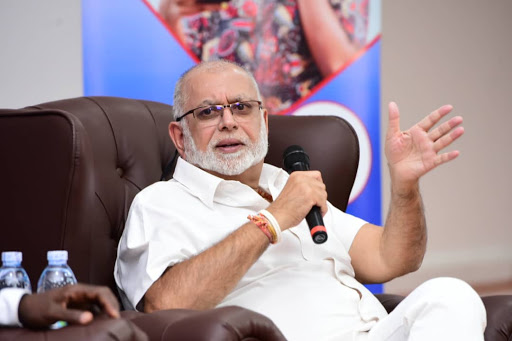
    KAMPALA – In a chilling reminder of the growing threat posed by cyber-criminals in Uganda, the Chairman of the Ruparelia Group, Dr. Sudhir Ruparelia, has moved to distance himself from a highly sophisticated “deepfake” video currently circulating across various social media platforms.

    The fraudulent video, which employs advanced Artificial Intelligence (AI) to mimic Dr. Sudhir’s likeness and voice, purports to show the billionaire businessman endorsing a new mobile application that promises users “guaranteed wealth” and instant financial returns.

    The fabrication is designed to trick unsuspecting Ugandans into downloading the dubious software, which security experts believe is a front for a massive data-harvesting and financial-theft syndicate.

    Breaking his silence on the matter, the business mogul issued a stern warning to the general public, categorizing the video as a total fabrication and a product of “tech-savvy crooks” who are intent on using his hard-earned reputation to fleece the public of their savings.

    “I wish to categorically state that I am not part of this or any other scheme being promoted in that fake video. It is a work of scammers using Artificial Intelligence to mislead the public. Do not fall for these traps,” Dr. Sudhir warned.

    The emergence of this deepfake marks a significant escalation in digital crime within the country. Unlike traditional “phishing” scams, AI-generated videos can sync lip movements and replicate tone of voice with frightening accuracy, making it nearly impossible for the average smartphone user to distinguish between a genuine message and a digital forgery.

    Security analysts at Watchdog Uganda note that such scams often target the identities of prominent figures to create a false sense of security and legitimacy. In this instance, the scammers are exploiting the public’s trust in Dr. Sudhir’s business acumen to lure them into a trap.

    The public is strongly advised to exercise extreme caution. Financial experts maintain that any investment opportunity promising “overnight riches” through an unverified app should be treated as a scam. Furthermore, the Ruparelia Group has clarified that all official business communications, investment opportunities, or philanthropic initiatives are strictly conducted through verified corporate channels and mainstream media outlets.

    Cyber-security units within the Uganda Police Force have been alerted to the development. Meanwhile, netizens are urged to report any sponsored posts featuring this video to platform moderators to prevent further spread of the misinformation. Be vigilant; if it sounds too good to be true, it likely is.

    Do you have a story in your community or an opinion to share with us: Email us at Submit an Article
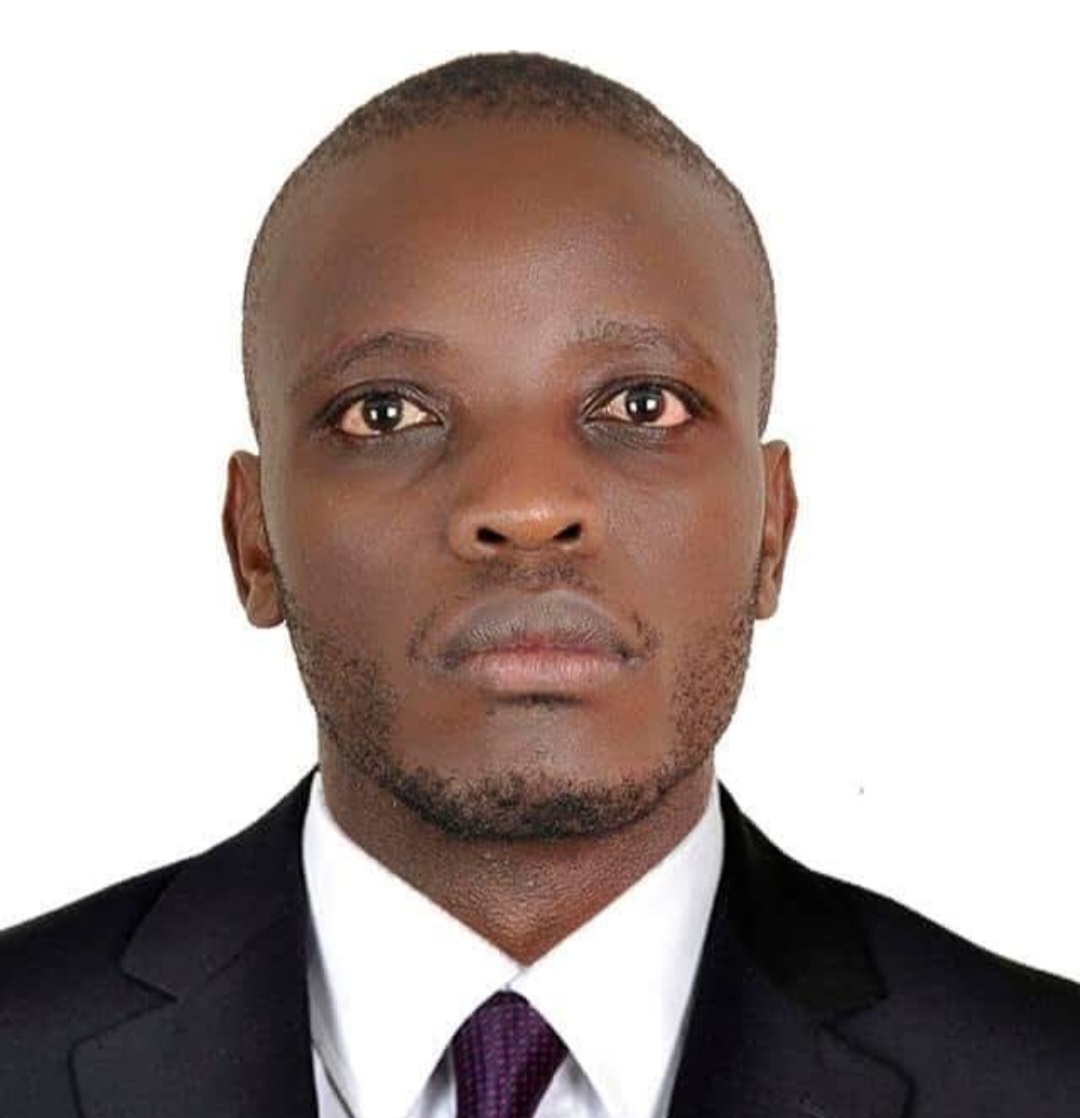
  • ATWEMEREIREHO ALEX: Beyond the First Drop: The Alchemy of Crude and the Moral Reckoning of Uganda’s Oil Age!

    ATWEMEREIREHO ALEX: Beyond the First Drop: The Alchemy of Crude and the Moral Reckoning of Uganda’s Oil Age!

    There are moments in the life of a nation when destiny does not arrive with noise, but with quiet, irreversible consequence.

    Uganda now stands at such a threshold where beneath the hum of pipelines and the promise of petroleum lies a deeper, more exacting trial. As the East African Crude Oil Pipeline advances toward completion over 1,443 kilometres of engineered intent stretching from Hoima to Tanga, with progress estimated beyond 75% and first oil anticipated around 2026, the national imagination has settled, almost hypnotically, on a single moment: the first drop.

    Yet history, when interrogated with intellectual honesty rather than patriotic optimism, reveals an unsettling truth: the first drop is never the story. It is the prologue. It is not the arrival of prosperity, but the unveiling of character.

    There are nations that discover oil and there are nations that are discovered by oil. The distinction is neither geological nor accidental. It is constitutional, institutional, and profoundly moral. Uganda, therefore, does not stand merely at the threshold of petroleum production; it stands at a constitutional crossroads where law, governance, and national purpose will be tested with a severity no statute alone can resolve.

    The Albertine Graben, with an estimated 6.5 billion barrels of oil in place and approximately 1.4 billion barrels recoverable, places Uganda firmly within the league of emerging petroleum states.

    Production forecasts of between 190,000 and 230,000 barrels per day at peak translate into potential revenues running into billions of dollars over the lifecycle of the fields. The cumulative investment in Tilenga, Kingfisher, and EACOP exceeding USD 15 billion represents one of the most significant capital inflows in East Africa’s contemporary economic history. But oil, in its crude state, is neither wealth nor development. It is latent power finite, volatile, and entirely dependent on the architecture of governance within which it is deployed.

    The Constitution of the Republic of Uganda, 1995, anticipated this moment with remarkable clarity. Article 244 vests petroleum resources in the Government on behalf of the people, establishing a doctrine of trusteeship that is reinforced by Article 237(2)(a), which places natural resources under state protection for the common good. Article 17(1)(j) further imposes a civic duty upon every Ugandan to protect public property, a provision that elevates resource governance from a state function to a national obligation. These constitutional provisions are neither ornamental nor rhetorical; they are binding principles that define the moral limits within which petroleum exploitation must occur.

    To translate these principles into operational governance, Uganda enacted the Petroleum (Exploration, Development and Production) Act, 2013, whose Section 3 emphasizes the efficient, safe, and sustainable management of petroleum resources, while Section 9 establishes the Petroleum Authority of Uganda as an independent regulator. Section 125 mandates local content, requiring licensees to prioritize Ugandan goods, services, and human resources. The Petroleum (Refining, Conversion, Transmission and Midstream Storage) Act, 2013 complements this by regulating midstream infrastructure, with Section 52 addressing pipeline licensing and Section 71 providing for environmental and safety compliance.

    Revenue governance is anchored in the Public Finance Management Act, 2015, where Section 56 establishes the Petroleum Fund, Section 57 mandates the deposit of all petroleum revenues into the Fund, and Section 59 strictly governs withdrawals, requiring parliamentary approval and alignment with national development priorities. Section 63 further provides for investment rules to ensure intergenerational equity. These provisions, when read together, constitute a comprehensive fiscal architecture designed to prevent the mismanagement that has historically plagued resource-rich economies.

    Yet, as Lon L. Fuller argued in The Morality of Law (1964), the efficacy of law lies not in its formulation but in its fidelity to practice. A law that is inconsistently applied ceases to command obedience; it invites circumvention. Uganda’s paradox, therefore, is not legal deficiency but institutional fragility; the widening gap between normative frameworks and lived governance.

    This paradox is neither unique nor accidental. The “resource curse,” extensively examined by Terry Lynn Karl in The Paradox of Plenty (1997) and Paul Collier in The Bottom Billion (2007), demonstrates that resource abundance can, paradoxically, weaken institutions, concentrate power, and distort economic incentives. Countries endowed with oil often experience currency appreciation that undermines agriculture and manufacturing, a phenomenon known as “Dutch disease” while volatile commodity prices destabilize fiscal planning.
    Uganda is not immune to these dynamics.

    Oil price volatility, as evidenced by fluctuations from below USD 30 per barrel in 2020 to over USD 100 in subsequent years, illustrates the precariousness of petroleum-dependent revenues. Without strict adherence to fiscal rules under the Public Finance Management Act and disciplined macroeconomic management by the Bank of Uganda, such volatility could erode fiscal stability and undermine development planning.

    Yet to understand Uganda’s predicament fully, one must move beyond economics into the realm of philosophy. Georg Wilhelm Friedrich Hegel, in Phenomenology of Spirit (1807), conceptualizes history as a dialectical struggle, a tension between opposing forces that ultimately resolves into synthesis. Uganda’s oil embodies such a dialectic. On one side lies sovereignty; the capacity to harness indigenous resources for national transformation. On the other lies dependency, the risk of subordination to global capital, multinational corporations, and external geopolitical interests.

    This tension is already visible in the structure of petroleum agreements, the dominance of foreign capital in upstream operations, and the integration of Uganda’s oil into global supply chains. The challenge is not to reject this integration, but to manage it strategically ensuring that national interests are not diluted within the architecture of global capital.

    Environmental governance further intensifies this challenge. The National Environment Act, 2019, particularly Sections 19, 44, and 45, mandates environmental impact assessments, restoration obligations, and sustainable resource utilization. The Albertine region is not merely an oil basin; it is an ecological system supporting fisheries, agriculture, and biodiversity, including protected areas such as Murchison Falls National Park. Oil spills, gas flaring, and habitat disruption pose real risks, as evidenced in other jurisdictions. The Niger Delta experience remains a cautionary tale of environmental degradation and community disenfranchisement.

    Compliance with environmental law must therefore be rigorous and uncompromising. The National Environment Management Authority must exercise its mandate without fear or favour, ensuring that economic ambition does not eclipse ecological responsibility.

    Local content remains a critical, yet often misunderstood, pillar of petroleum governance. Section 125 of the Petroleum (Exploration, Development and Production) Act is not a symbolic provision; it is an economic strategy. It seeks to ensure that Ugandans participate meaningfully in the oil value chain not merely as labourers, but as entrepreneurs, service providers, and industrial actors. Yet local content requires more than statutory declaration; it demands investment in education, technical training, and institutional capacity. Without this, the oil sector risks becoming an enclave-capital-intensive, externally driven, and disconnected from the broader economy.

    The global energy transition adds urgency to this discourse. Under international commitments such as the Paris Agreement, there is a discernible shift toward renewable energy. While oil will remain relevant in the medium term, its long-term dominance is uncertain. Uganda’s petroleum strategy must therefore be time-sensitive maximizing value within a narrowing global window while simultaneously investing in economic diversification.

    Amartya Sen, in Development as Freedom (1999), reminds us that development is not merely the accumulation of wealth but the expansion of human capabilities. Oil revenues, therefore, must translate into improved education systems, resilient healthcare infrastructure, modern transport networks, and robust institutions. Without this transformation, petroleum wealth becomes abstract visible in national accounts but invisible in lived experience.

    The fixation on the first drop, while symbolically powerful, is therefore profoundly insufficient. It reduces a complex national project to a singular moment of spectacle. The true test lies beyond that moment in the governance of revenues, the enforcement of laws, the protection of the environment, and the equitable distribution of benefits.

    Will procurement under the Public Procurement and Disposal of Public Assets Act remain transparent and competitive?

    Will the Petroleum Authority exercise regulatory independence as envisaged under Section 9 of the upstream Act?
    Will withdrawals from the Petroleum Fund adhere strictly to Section 59 of the Public Finance Management Act?

    Will environmental safeguards under Sections 19 and 45 of the National Environment Act be enforced without compromise?

    These are not technical inquiries. They are moral imperatives that will define the legitimacy of Uganda’s oil enterprise.

    Uganda’s oil must do more than fuel engines; it must refine governance. It must impose discipline upon institutions, elevate the ethics of public administration, and transform politics from a contest over access to resources into a framework of accountability and service. This is the true alchemy of crude not merely the conversion of hydrocarbons into energy, but the transformation of national opportunity into institutional integrity.

    If Uganda succeeds, oil will finance sovereignty, strengthen institutions, and accelerate inclusive development. If it fails, oil will expose structural fragility, deepen inequality, and tether the nation to the volatile currents of global capital.

    The pipeline will be completed. The wells will flow. The exports will commence.
    But beyond the first drop lies the defining question, a one that will echo across generations with unforgiving clarity:
    Will Uganda govern its oil, or will oil govern Uganda?

    The writer is a lawyer, researcher, governance analyst and an LLM Student in Natural Resources Law at Kamapala International University.

    alexatweme@gmail.com

    Do you have a story in your community or an opinion to share with us: Email us at Submit an Article

  • BTS Reunites After Military Service With New Album ‘ARIRANG’

    After years of staggered military service, all seven members of BTS have reunited, marking a major moment for fans around the world.

    The group now returns with their new album “ARIRANG,” signaling a new chapter after a long pause.

    The project has already drawn strong early attention, showing that their global pull remains intact even after time away.

    Jin began enlistment in December 2022, with J-Hope and the remaining members following soon after.

    By mid 2025, RM, V, Jimin, Jungkook, and Suga had all completed their duties, bringing the group back together.

    The album title draws from a traditional Korean folk song and reflects themes of identity and resilience shaped by their time away.

    BTS has also announced a world tour, confirming their full return to the global stage and a new era for the group.

  • Laika Reveals She Finds It Harder Working with Male Artistes

    Laika Reveals She Finds It Harder Working with Male Artistes

    Laika has opened up about her struggles working with other artistes, revealing that male collaborators have given her a harder time.

    While on NRG Radio, the Ugandan-Rwandan artiste, real name Laika Umuhoza, said her experience has not been what many might expect.

    At first glance, one might assume the challenge comes from inappropriate advances, but she made it clear that is not the case.

    Instead, the she admitted she cannot fully explain why working with male artistes has been more difficult, but says it has consistently been her experience.

    From my personal experience, male artistes have given me a harder time than female artistes. I do not know why. It should have been the other way around, but no.

    The “Nzuuno” singer went on to speak about collaborations more broadly, saying they have often been difficult to pull off.

    For me, collabos have given me a hard time. Like for artistes to come together and get it done, it has given me a hard time.

  • Sudhir warns public over fake AI video promoting scam ‘wealth’ app

    A fake video created using artificial intelligence has surfaced online, falsely showing Ugandan businessman Sudhir Ruparelia promoting a suspicious investment platform known as “OredexiaMarket™”.

    The video, which has been widely shared on social media, appears highly convincing. It features a voice that closely mimics Ruparelia’s, encouraging people to sign up and “take advantage of the opportunity” to grow their wealth. The clip is also designed to look like a legitimate news report, making the scam appear credible.

    However, Ruparelia has strongly denied any connection to the platform. In a phone interview, he clarified that the video is entirely fake and warned the public not to be misled.

    “This is completely false. I have not launched any such app and I am not involved in anything called OredexiaMarket,” he said, cautioning that new technology is increasingly being used to deceive people.

    Experts say such scams are becoming more common as artificial intelligence tools make it easier to clone voices and create realistic fake videos, especially using well-known public figures to gain trust.

    In the clip, the fake voice claims the platform was created to help families earn more money during tough economic times, before urging viewers to register—an approach commonly used in online investment scams.

    The public is now being advised to ignore the video, avoid interacting with the platform, and always verify financial opportunities through official and trusted sources.

  • Laika Urges Artistes to Tighten Security After Tracy Melon Incident

    Laika Urges Artistes to Tighten Security After Tracy Melon Incident

    Ugandan-Rwandan singer Laika has sounded the alarm on fan behavior after a shocking stage incident involving Tracy Melon.

    The incident, which happened in Mbarara, saw Tracy Melon cut her performance short after a male reveller crossed the line and spanked her on stage, sparking outrage and concern.

    Reacting during an appearance on NRG Radio, Laika made it clear that artistes must always stay ready for anything.

    She added that such situations do not only happen on stage, but can also occur while an artiste is heading to or leaving a performance.

    With that, she stressed the need for artistes to take security seriously.

    Expect anything as an artiste. You have to expect anything. So, if you have to get three bodyguards, four bodyguards, you have to do it.

About UGNEWS24

UGNEWS24 is a Uganda local news service, a product of SOLAVIA GROUP LIMITED, Reg. No. 80048169153974.

Registered office

Plot 2335, Buwambo-Katadde-Najjo Road,
Nansana Municipality, Wakiso District, Uganda
P.O. Box 214231, Kampala

© 2026 SOLAVIA GROUP LIMITED. All rights reserved.