Blog

  • UIBFS and Uganda Bankers Association Champion Talent Development for a Future-Ready Financial Sector

    UIBFS and Uganda Bankers Association Champion Talent Development for a Future-Ready Financial Sector

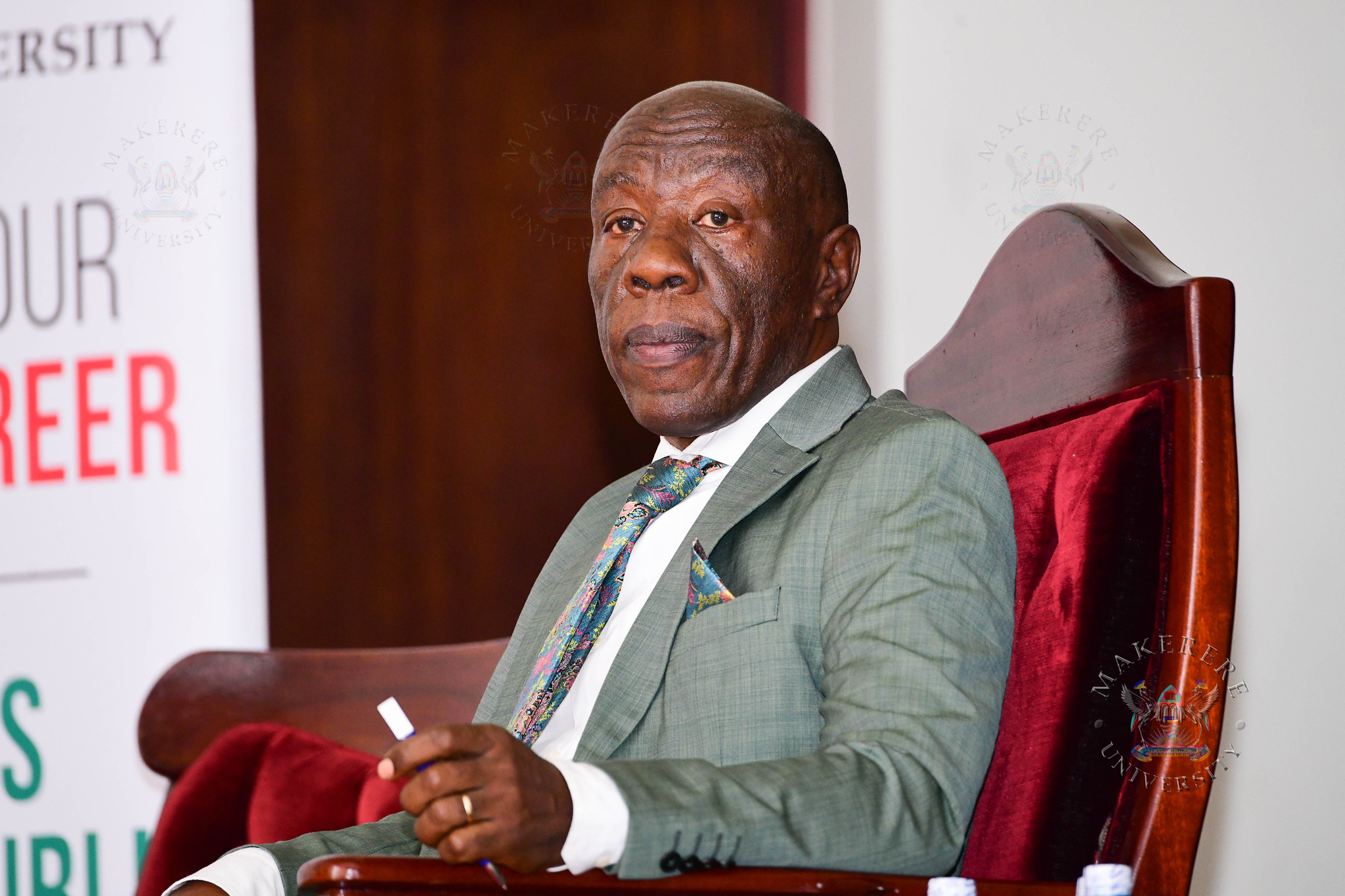
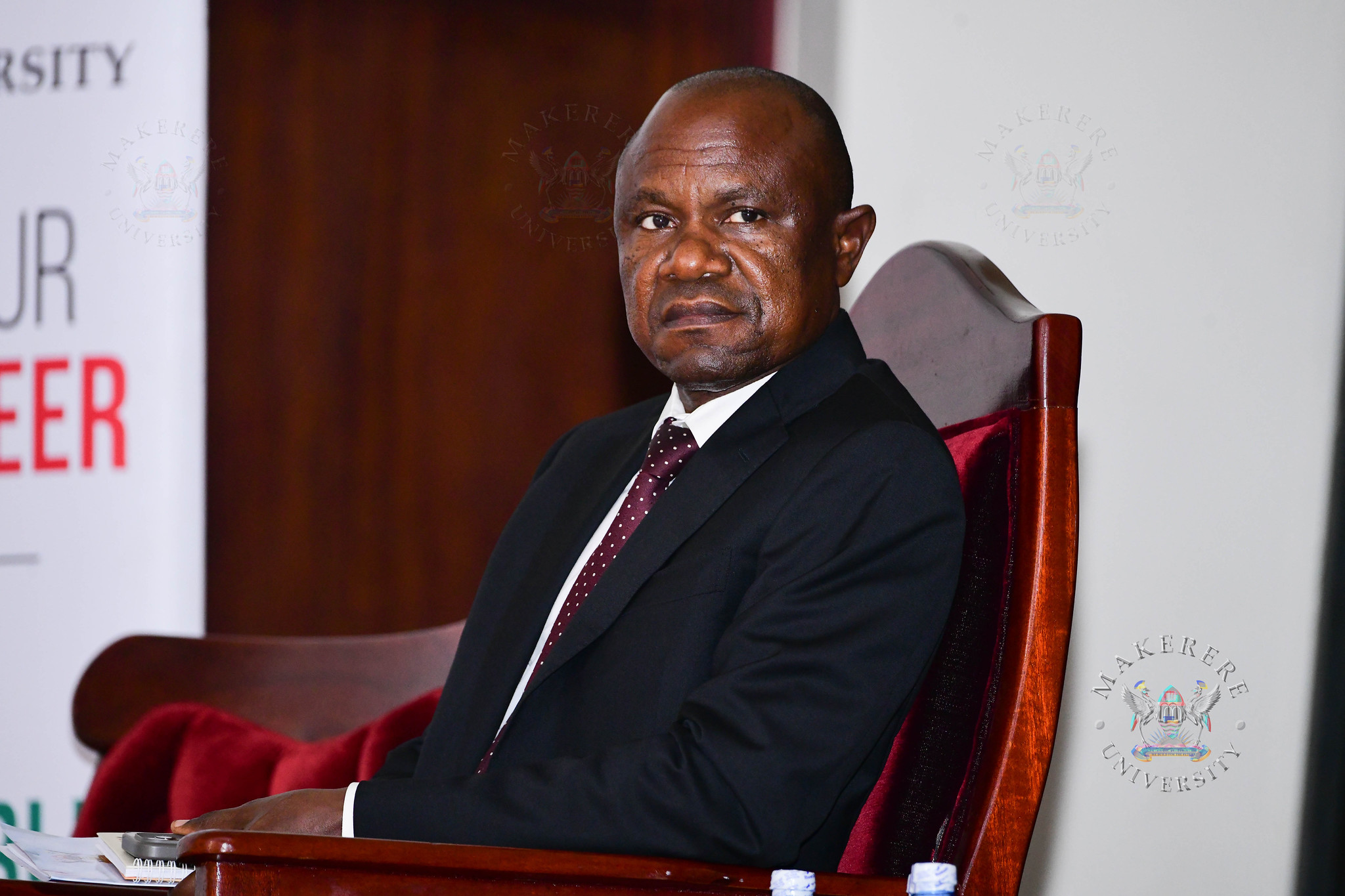
    Kampala, Uganda, March 2026 — The Uganda Institute of Banking and Financial Services (UIBFS), in partnership with the Uganda Bankers Association, today hosted the inaugural Talent Convention 2026, a high-level industry engagement focused on strengthening talent development across Uganda’s banking and financial services sector.

    The convention brought together industry leaders, regulators, HR professionals, and emerging talent to explore strategies for building a resilient, future-ready workforce capable of driving Uganda’s ambitious economic transformation agenda, the 10- fold growth in the country as instituted by the government of Uganda.

    Held at the Mestil Hotel, the convention served as a platform for critical dialogue on the evolving role of talent in an industry shaped by digital transformation, changing workforce dynamics, and global competitiveness.

    In her opening remarks, the CEO of UIBFS, Goretti Masadde, emphasized the central role of talent in driving industry growth:
    “As the sector continues to evolve—driven by digital transformation, changing customer expectations, and global shifts—we are reminded that our greatest asset is not technology, nor capital, but people—that is talent.”

    She also emphasized the need to have this conversation right now to strategize how the industry can achieve the 15-year plan to expand the economy from USD 50 billion to USD 500 billion by 2040. She reminded participants that human capital lies at the heart of this ambitious 10-fold strategy and therefore this conversation is paramount for the growth of the banking and financial services industry.

    Delivering a keynote perspective on behalf of the Governor Bank of Uganda-Mr. Michael Atingi-Ego, Mr. David Kalyango, Executive Director of Banking Supervision at the Bank of Uganda, highlighted the importance of human capability in economic transformation:

    “Every economy that has achieved a decisive and durable transformation has done so through the deliberate, systematic cultivation of human capability,” he said.

    He too re-echoed the need to train human capital with the right skills ahead of time to better position the economy and achieve the 10-fold strategy. He stated that this strategy implies a corresponding increase in the scale and complexity of financial intermediation, which is essentially a talent challenge. Therefore, the industry will require more deep-sector-specific knowledgeable talent.

    The convention featured insightful panel discussions addressing key industry challenges and opportunities.

    The first panel explored futureproofing talent for a digital and generational shift, with Mrs. Rachael Dumba speaking on preparing for Gen Z and tech-driven talent, while Dr. Canon Ruth Senyonyi emphasized the importance of balancing growth with employee wellness. This session was moderated by Daphne Ntegyereize Oboth.
    The second panel focused on succession planning as a governance imperative, led by Mr. Zedi Muyingo, who underscored that succession planning must begin at the Board level and be treated as a governance responsibility rather than an operational task. The session was moderated by Mary Lillian Manyonga.

    A key theme emerging from the convention was the urgent need for institutions to intentionally invest in talent development, particularly in light of evolving workforce dynamics.

    As noted by Ms. Fatuma Namatovu, Head Culture Transformation at dfcu Bank, organizations must address the growing gap between rapid career progression and readiness, which poses risks to leadership depth and institutional stability.

    The convention also highlighted the critical link between talent and national development.

    Speaking on behalf of the Uganda Bankers Association, Mrs. Patricia Amitto – Head Communications and Corporate Affairs emphasized:

    “Strategic plans do not create growth—people do. The success of our industry’s ambitions rests entirely on the talent we develop and manage.”

    The Talent Convention 2026 reinforces UIBFS’ commitment to:
    Strengthening talent development across the financial services sector
    Supporting leadership pipeline development and succession planning
    Enhancing capacity in a rapidly evolving digital environment
    Promoting sustainable growth through people-centered strategies
    Aligning industry talent with Uganda’s long-term economic transformation goals

    The success of the convention was made possible through the support of key industry sponsors, including Pearl Bank, I&M Bank, Pride Bank, United Bank for Africa, Centenary Bank, Cairo Bank Uganda, Tropical Bank and Opportunity Bank.

    Do you have a story in your community or an opinion to share with us: Email us at Submit an Article

  • Martin Beta defends Eddy Kenzo over Neighbouring Rights controversy – Sqoop

    Martin Beta defends Eddy Kenzo over Neighbouring Rights controversy – Sqoop

    Martin Beta Muhumuza, the manager of Eddy Kenzo and Head of Research and Development at the Uganda National Musicians Federation, has moved to clarify the controversy surrounding the artist’s apparent unfamiliarity with neighbouring rights, a key concept in the music industry.

    Kenzo, who also serves as president of the Federation and a presidential advisor on the creative sector, recently came under scrutiny after it emerged that he did not fully understand what neighbouring rights entail. The revelation sparked debate within Uganda’s creative circles, with many questioning how a figure in such influential positions could lack clarity on a fundamental aspect of music rights and revenue streams.

    In response, Muhumuza explained that the issue should not be viewed as ignorance but rather as a reflection of broader structural gaps within the industry. He pointed out that for many years, Uganda’s music ecosystem has not adequately prioritised education around intellectual property, particularly neighbouring rights, which relate to earnings from the public performance and broadcasting of recorded music.

    According to Muhumuza, many artists, even successful ones, have historically focused more on production, performance and promotion, with limited exposure to the legal and financial frameworks that govern royalties. He added that systems responsible for collecting and distributing such revenues have also been underdeveloped or inconsistently enforced, leaving musicians with little incentive or opportunity to fully grasp these concepts.

    He stressed that the Federation, under Kenzo’s leadership, is actively working to bridge this knowledge gap through research, stakeholder engagement and policy advocacy aimed at strengthening rights awareness and enforcement.

    The explanation, however, has done little to quiet critics, who argue that leadership in the sector demands a firm understanding of the very systems artists depend on for income protection. Still, supporters maintain that the conversation has exposed a critical weakness in Uganda’s music industry and could serve as a turning point for more structured education on artists’ rights.

    Don’t want to miss out on any story? For updates on all Sqoop stories, follow this link on Telegram: https://t.me/Sqoop and Whatsapp: https://whatsapp.com/channel

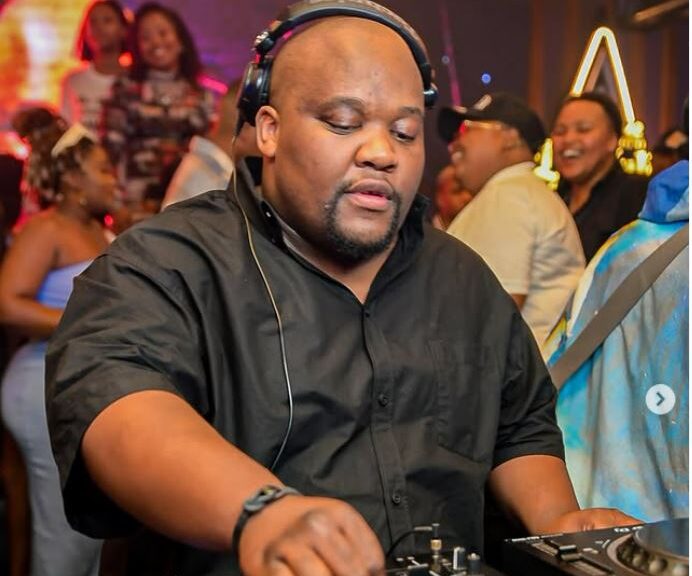
  • South African DJ Leehleza to headlines Guvnor’s Serendipity Sunday – Sqoop

    South African DJ Leehleza to headlines Guvnor’s Serendipity Sunday – Sqoop

    Kampala’s nightlife is about to shed its skin and step into something far more electric, daring and unpredictable as Serendipity Sunday returns with a bold promise to turn the city into a slice of Las Vegas.

    Set for April 5 at Guvnor Street Side, this edition is not just another party. It is an experience designed to blur the lines between fantasy and reality, where flashing lights, immersive 3D setups and high energy music collide to create a night where anything feels possible.

    What really happens in Vegas? In Kampala’s version, expect a little madness, a lot of indulgence and moments that live somewhere between wild stories and unforgettable memories. Think spontaneous dance battles, champagne showers, bold fashion statements and a crowd that came to be seen just as much as they came to lose themselves in the music.

    Sponsored by NTV, headlining the night is South African guest DJ Leehleza, whose reputation for explosive sets and seamless genre blending has made him a standout on the decks. Known for his infectious energy, Leehleza brings a sound that moves effortlessly from Amapiano to Afro house and club anthems, the kind of rhythm that doesn’t let you stand still even if you tried.

    He will be joined by a stacked lineup of DJs ready to keep the tempo high and the dancefloor packed, ensuring the party never dips from the moment doors open till the early hours.

    If you missed the last edition, this is where the regret kicks in. Previous Serendipity Sundays delivered packed crowds, electric performances and an atmosphere that many are still talking about. This time, organizers are promising an even bigger, louder and more visually stunning experience, raising the bar for Kampala’s party scene.

    A major highlight will be the much anticipated 3D stage and visual setup, designed to give revelers a fully immersive nightlife experience. It is not just about music anymore, it is about stepping into a different world altogether.

    And of course, where there is a Vegas theme, there are big spenders. Expect high rollers, premium service and a touch of luxury that adds to the night’s allure.

    Hosting the experience will be celebrated style icon and host Abryanz, bringing his signature flair and charisma to the night.

    As the tagline boldly reminds partygoers, what happens in Vegas stays in Vegas. But for one night, Kampala gets to write its own version of that story.

    Don’t want to miss out on any story? For updates on all Sqoop stories, follow this link on Telegram: https://t.me/Sqoop and Whatsapp: https://whatsapp.com/channel

  • Grenade Official ranks Eddy Kenzo, Pallaso above Bobi Wine – Sqoop

    Grenade Official ranks Eddy Kenzo, Pallaso above Bobi Wine – Sqoop

    In Uganda’s ever-blending worlds of music and politics, few statements capture the complexity of fandom quite like Grenade Official’s latest take that has stirred both admiration and debate.

    Speaking during a live session, the “Nkuloga” singer drew a clear line between art and leadership, placing Eddy Kenzo at the top of his musical hierarchy while still pledging unwavering political allegiance to Bobi Wine.

    “Kenzo is better than Bobi Wine musically,” Grenade said, without hesitation. But he was quick to add a twist that reflects the layered loyalties of many Ugandans today: “Bobi Wine is my president in politics.”

    It’s a statement that doesn’t just compare talent but reveals how differently the same figures are perceived depending on the stage they occupy.

    Grenade didn’t stop at Kenzo. He also gave flowers to Pallaso, suggesting that both artists surpass Bobi Wine when it comes strictly to musical craft. For Grenade, it’s about vocals, consistency, and catalog areas where he believes Kenzo and Pallaso have an edge.

    Yet Bobi Wine’s influence, he implied, transcends studio sessions and concert stages.

    This duality speaks volumes. In one breath, Grenade acknowledges Kenzo’s global appeal and hit-making prowess; in another, he recognizes Bobi Wine’s transformation from a ghetto youth icon into a political symbol commanding mass support.

    Don’t want to miss out on any story? For updates on all Sqoop stories, follow this link on Telegram: https://t.me/Sqoop and Whatsapp: https://whatsapp.com/channel

  • Why Trump’s Visa Bond Targets Uganda — And What It Means for US–Uganda Relations

    Why Trump’s Visa Bond Targets Uganda — And What It Means for US–Uganda Relations

    The decision by the United States to place Uganda on a visa bond list under the Trump administration marks a significant shift in Washington’s immigration posture toward Kampala and other African capitals. Under the new policy, certain Ugandan applicants for U.S. visitor visas will be required to post refundable bonds ranging from USD 5,000 to USD 15,000, aimed at discouraging visa overstays.

    From an analytical standpoint, the move is less about Uganda specifically and more about a broader hardline immigration philosophy associated with President Donald Trump’s return to power. Trump’s political brand has consistently revolved around border control, migration deterrence, and enforcing compliance through financial and legal pressure. Countries flagged for higher overstay rates — many of them in Africa, Asia and Latin America — have become prime targets for such experimental deterrent measures.

    For Uganda, the inclusion reflects longstanding U.S. concerns about visa compliance rather than a collapse in diplomatic relations. However, it also exposes deeper global inequalities. A visa bond of USD 10,000 is beyond the reach of most ordinary Ugandans, effectively transforming travel into a privilege for the wealthy, diplomats, and corporate elites. While the bond is refundable, the upfront cost alone creates a psychological and economic barrier.

    At the people-to-people level, the policy risks chilling educational exchanges, tourism, family visits, religious missions, and business travel. Ugandan students, church leaders, NGO workers and traders — traditionally strong bridges between the two countries — may now reconsider U.S. travel altogether. This could gradually weaken soft diplomacy ties that have been built over decades.

    Diplomatically, the bond policy introduces quiet strain but not rupture. The U.S. and Uganda remain strategic partners on security, regional stability, health programs, and counterterrorism, particularly in Somalia and the Great Lakes region. Washington is unlikely to sacrifice these interests. However, Kampala may increasingly interpret such unilateral measures as punitive and insensitive to socio-economic realities.

    There is also a reputational dimension. Being publicly listed as a “high-risk” country reinforces negative stereotypes about Ugandans abroad, even though the vast majority of travelers comply with visa rules. This perception may affect how Ugandans are treated at embassies, airports and border points globally.

    Ultimately, Trump’s visa bond policy signals a transactional era in U.S. immigration policy, where trust is replaced by financial guarantees. For Uganda, the challenge is diplomatic engagement — presenting compliance data, negotiating exemptions, and protecting citizens’ mobility rights — while also addressing domestic factors that drive overstays, such as limited economic opportunities.

    If left unaddressed, the bond requirement could quietly erode goodwill between the two peoples, even as official relations remain formally cordial.

    Do you have a story in your community or an opinion to share with us: Email us at Submit an Article

  • Why Did Namutumba Voters Reject Both NRM And NUP Flagbearers Overwhelmingly Voted For Museveni? RDC Bangu Gives Stunning Insight 

    Why Did Namutumba Voters Reject Both NRM And NUP Flagbearers Overwhelmingly Voted For Museveni? RDC Bangu Gives Stunning Insight 

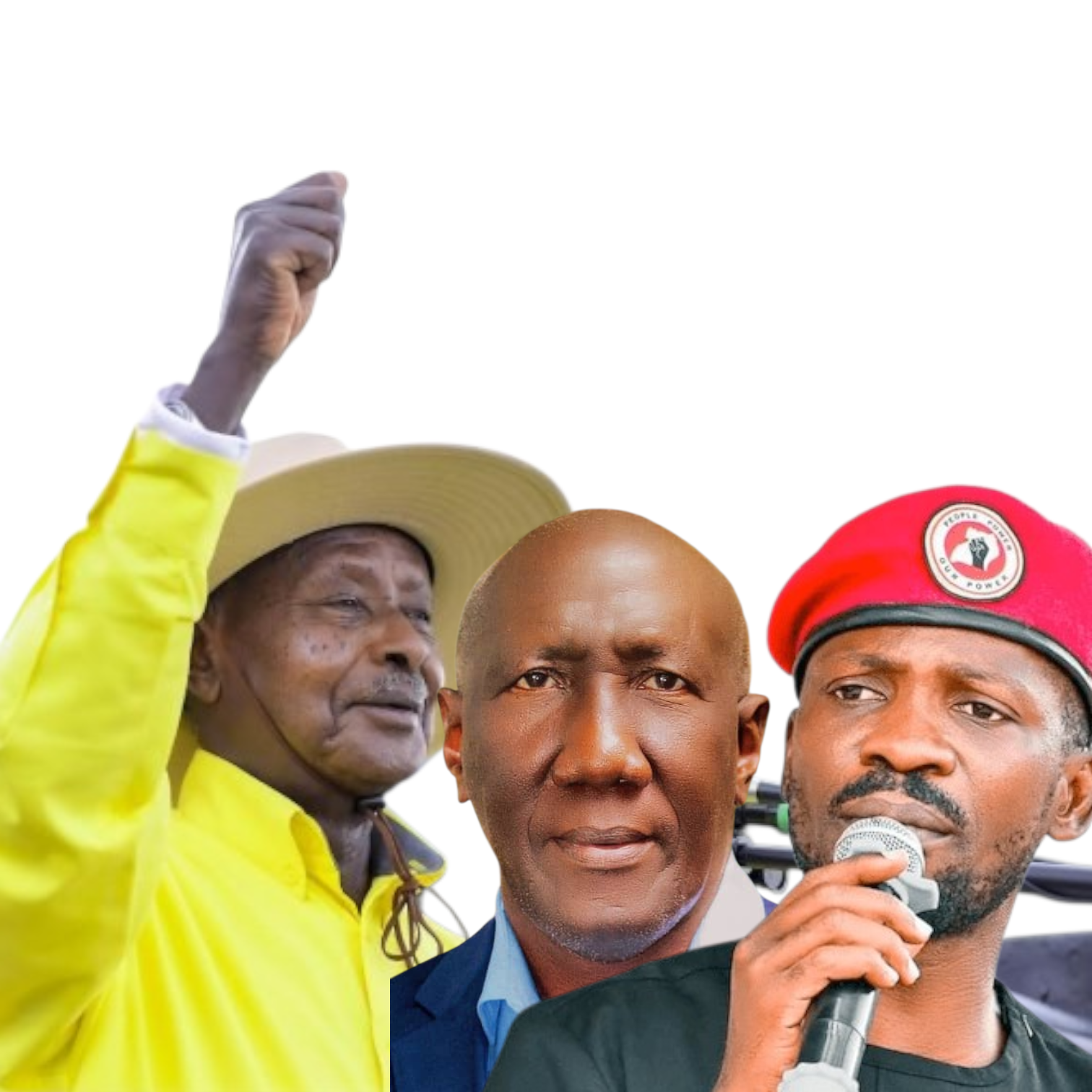
    Namutumba District, nestled in the heart of Busoga, has long been a bastion of loyalty to the National Resistance Movement (NRM) and President Yoweri Kaguta Museveni. Even in the turbulent 2021 elections, when the majority of Busoga tilted toward Robert Kyagulanyi Ssentamu of the National Unity Platform (NUP), Namutumba stood firm. Out of eleven districts in the sub-region, only three—including Namutumba—remained in the NRM column, with Museveni edging Kyagulanyi in the presidential vote. Fast forward to January 2026, and the story of Namutumba’s steadfastness was written in even bolder strokes. President Museveni secured a commanding 64.2% of the vote, compared to Kyagulanyi’s 32%, a sharp improvement from his 56% showing in 2021. This surge underscored not only the enduring trust of Namutumba’s electorate but also the resonance of NRM’s message of stability, empowerment, and continuity. Yet, paradoxically, while Museveni triumphed at the presidential level, the NRM’s parliamentary candidates faltered. All four flagbearers for Member of Parliament seats in Namutumba failed to deliver victory, leaving the district without a single NRM MP. This duality—overwhelming support for Museveni alongside rejection of NRM’s parliamentary hopefuls—sparked debate and introspection within the party.   The parliamentary contests in Namutumba were marked by upsets and internal fractures. Maiam Naigaga, the incumbent Woman MP, failed to defend her seat after losing the primaries. She was outpaced by Betty Nakisiita, who ran as an independent candidate. In Bukono, Minister Persis Namuganza trounced Emma Maganda, compounding frustrations over what many perceived as biased party primaries. In Busiki, independent candidate Joel Waiswa Azaalwa defeated Akamba, while in Busiki North, Kayogera Charles edged out NRM flagbearer Mpango David. These defeats painted a picture of disillusionment with the internal processes of the NRM. Voters seemed unwilling to endorse candidates they felt had emerged from flawed primaries, even while maintaining loyalty to Museveni himself.   In an interview with Watchdog Uganda, Frederick Aggrey Bangu, the Resident District Commissioner (RDC) of Namutumba, offered a candid assessment. “There were glaring gaps in the internal party primaries. In many cases, the outcomes did not reflect the will of the voters. This created resentment and opened the door for independents to thrive,” Bangu explained. He emphasized that the rejection of NRM MPs did not equate to a rejection of the party itself. Rather, it was a protest against flawed processes. Museveni’s uncontested flag, he argued, allowed voters to express their loyalty to the NRM without the baggage of internal disputes. Bangu also pointed out that NRM candidates performed strongly in local government elections, including the District Chairperson race. Moreover, none of the MP seats went to opposition parties; instead, independents with NRM leanings carried the day. This, he insisted, was evidence of the electorate’s enduring faith in the NRM, albeit tempered by frustration with internal bottlenecks.   Bangu was unequivocal in his praise for Museveni’s candidacy. “President Museveni was by far the most potent candidate. All the others could not measure up to him. It was always going to be hard for anyone to defeat him,” he said. He credited Museveni’s campaign message as a masterstroke, resonating with voters who saw in him a leader deeply attuned to the country’s challenges and equipped with solutions. In Namutumba, tangible interventions in economic empowerment, education, health, and infrastructure proved decisive. Perhaps the most transformative factor was the Parish Development Model (PDM). By the time of the elections, Namutumba had received 34.224 billion shillings, distributed among 34,224 beneficiaries. These funds were invested in productive activities ranging from agriculture to small-scale enterprises, dramatically improving livelihoods. “In every village, every household has either directly benefitted from PDM or has a family member who did. This program changed mindsets and made it easy to market President Museveni as the vision bearer of economic progress,” Bangu noted. The sheer scale of PDM’s impact created a ripple effect of gratitude and trust, translating into votes for Museveni.   Education has been another pillar of NRM’s appeal in Namutumba. The government’s policy of establishing seed schools in every subcounty bore fruit, with Nabweeyo, Bukonte, and Namutumba seed schools fully established, while Nangonde Seed School is 60% complete. Additionally, investments in institutions like Kisiki College and Ivukula SS have elevated the district’s educational profile. These developments reinforced the perception of Museveni as a leader committed to expanding opportunities for the youth. Healthcare advancements also played a pivotal role. The government ensured a steady supply of essential drugs through the National Medical Stores, while major upgrades transformed facilities. Nsinze Health Center IV was renovated with a state-of-the-art theater and blood bank, attracting patients from across the region. Magada Health Center III was elevated to HC IV, equipped to enhance service delivery. These improvements bolstered public trust in the NRM government and contributed to Museveni’s strong showing.   Beyond material interventions, the government invested in patriotism training programs targeting secondary school students. These initiatives sought to instill values of national pride, civic responsibility, and awareness of Uganda’s development trajectory. By engaging the youth directly, the NRM cultivated a generation more inclined to support its vision. Access to clean water has long been a pressing issue in Namutumba. The government, in partnership with NGOs, dug 73 boreholes across the district. This expansion of water coverage alleviated daily struggles for thousands of households, further cementing Museveni’s image as a provider of practical solutions to community needs.   Namutumba’s story cannot be told in isolation. The broader Busoga sub-region offers a revealing backdrop. In Luuka District, Kyagulanyi had edged Museveni in 2021 with 51.9% to 48.1%, but by 2026 Museveni reclaimed the lead, riding on PDM investments and improved health services. In Kamuli, Museveni’s support rose from 52% in 2021 to 67% in 2026, buoyed by agricultural programs and road infrastructure. Iganga District, once a stronghold for Kyagulanyi, swung back to NRM with Museveni securing 62% in 2026, compared to 49% in 2021. Even in Bugiri, where opposition figures had historically performed well, Museveni improved his tally from 46% in 2021 to 58% in 2026. These statistics reveal a regional trend: while NUP made inroads in 2021, the tide shifted by 2026 as NRM consolidated its rural base and delivered tangible programs. Namutumba’s overwhelming support for Museveni was thus part of a larger Busoga resurgence.   Bangu was keen to acknowledge the support extended to RDCs by the Office of the President. Through capacity-building workshops, counseling sessions, Zoom meetings, logistical support including transport, fuel, car tyres, and allowances, RDCs were empowered to execute their mandates effectively. He hailed Minister Milly Babalanda, under whose stewardship RDCs have thrived in a conducive working environment. “The encouragement we receive, the visits to our stations, and the logistical support have made our work impactful. We are grateful for this leadership,” Bangu affirmed. In closing, Bangu expressed profound gratitude to President Museveni and the Presidency under Minister Babalanda for the opportunity to serve. “I thank President Museveni and the Presidency for the trust placed in me. I am ready to continue serving my country whenever called upon,” he declared. Namutumba’s story in 2026 is thus one of paradox and promise: a district that rejected NRM’s MPs but embraced Museveni with overwhelming support. It is a reminder that loyalty to the President remains strong, but internal party processes must be refined to ensure that parliamentary candidates reflect the true will of the people. And in the wider Busoga region, the statistics tell a clear story—Museveni’s resurgence was not accidental but the fruit of deliberate programs, tangible interventions, and a message that resonated across villages and towns alike.

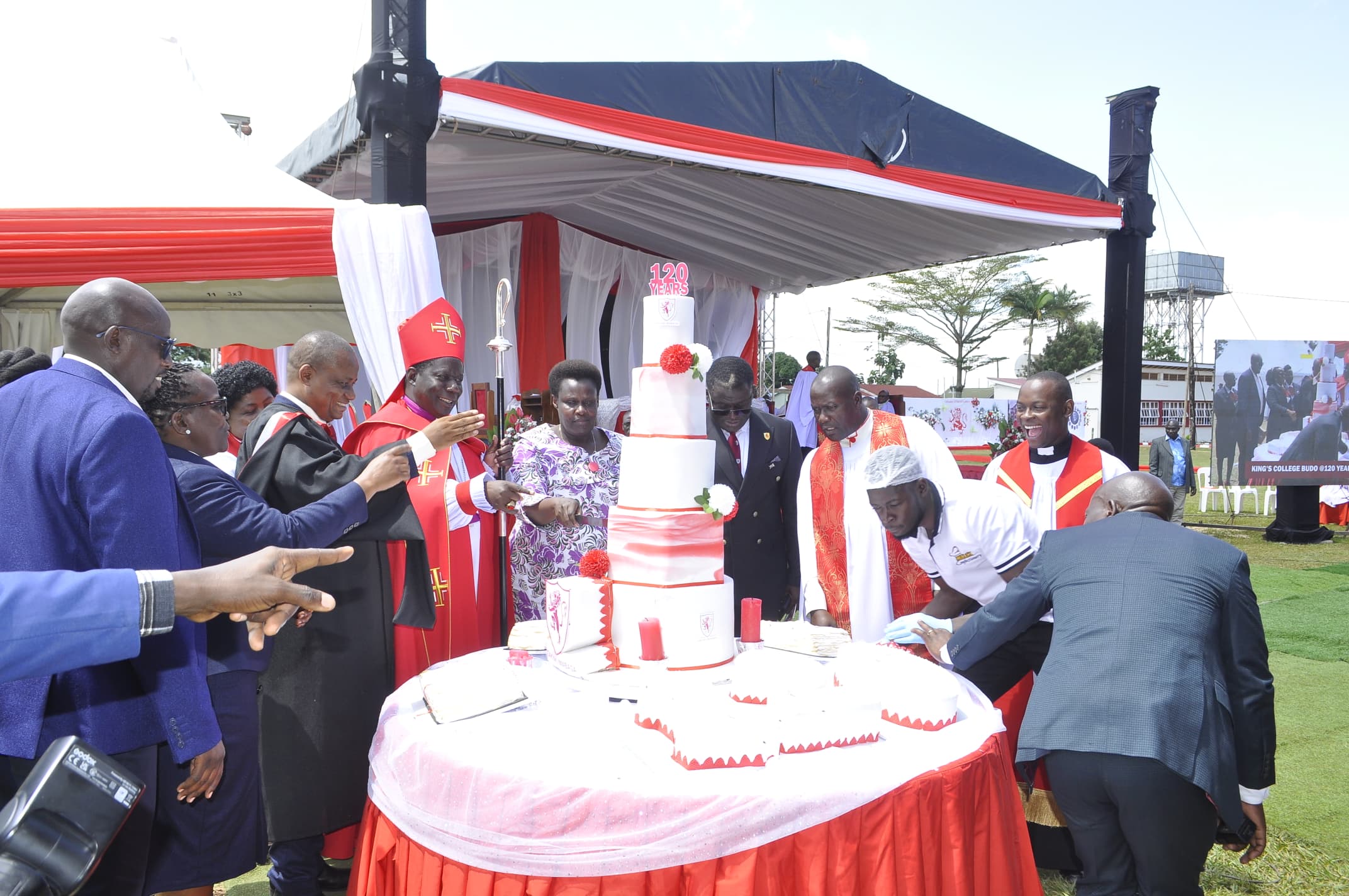
  • King’s College Budo Celebrates 120 Years with calls against corruption in public service

    King’s College Budo Celebrates 120 Years with calls against corruption in public service

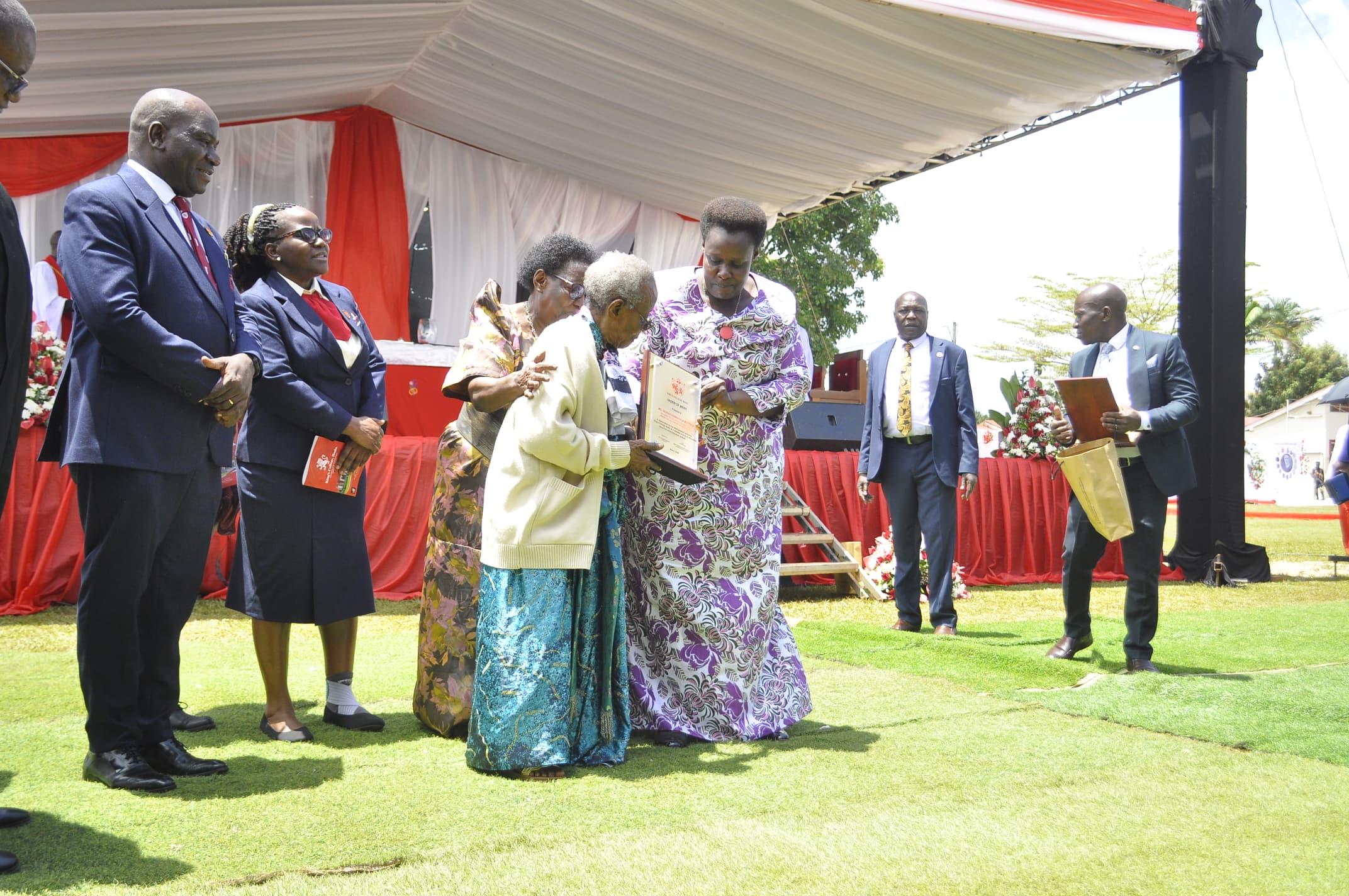
    King’s College Budo over the weekend marked 120 years since its founding in 1906, with a grand celebration that attracted high profile government officials, Buganda Kingdom representatives, religious leaders, and alumni.

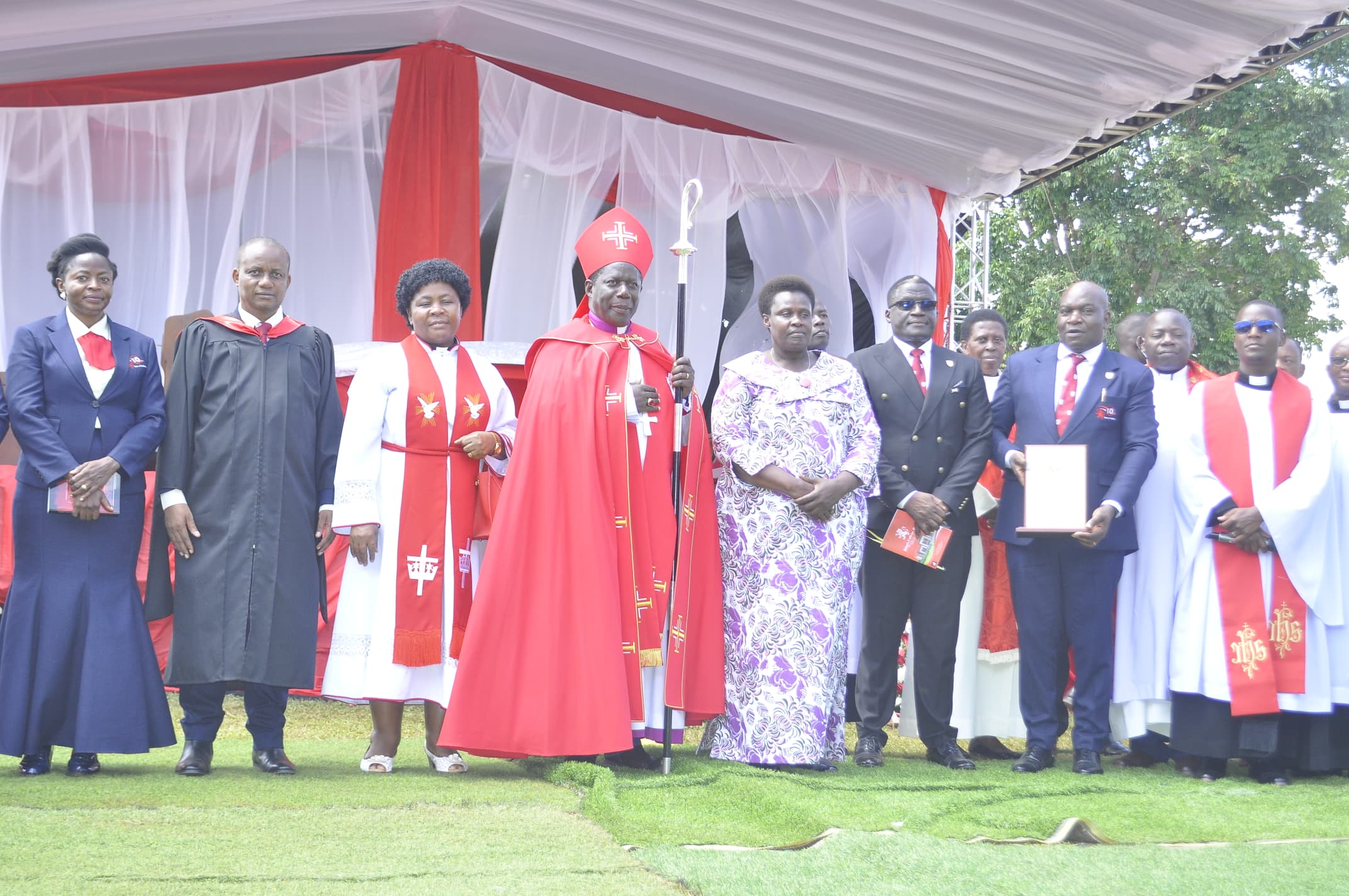
    The celebrations kicked off with a thanksgiving service led by Namirembe Diocese Bishop, Rt Rev Moses Banja, who commended the school for its long-standing contribution to education in Uganda.

    Bishop Banja praised the Buganda Kingdom for donating the land on which the school sits and thanked successive governments for supporting its growth over the decades.

    However, he used the platform to raise concern over the growing normalization of corruption in the country, warning that it poses a serious threat to national development.

    “People are now giving and receiving bribes as if it is normal. Whether it is for jobs or services, many believe you must pay to get what you deserve. This is dangerous and can destroy the nation,” Banja said.

    He noted that even educated young people who have excelled academically are increasingly finding themselves forced into bribery to secure employment, calling for a shift in mindset and values.

    Vice President Rt Maj Jessica Alupo, who attended as the chief guest, hailed King’s College Budo for shaping generations of Ugandans through strong academic, moral, and leadership foundations.

    “May God continue blessing you so that you continue transforming the lives of people of Uganda,” Alupo said.

    She also commended the collaboration between government, the Buganda Kingdom, and the Church in advancing education standards in the country.

    Alupo further revealed that government is in the process of enhancing salaries for Arts teachers, with a planned 25 percent increment to be implemented in phases.

    “Government will begin in a phased manner to enhance salaries of teachers by 25 percent as we continue engaging stakeholders, until we bridge the gap with science teachers,” she said, urging patience from educators.

    During the event, the school also officially welcomed its new headteacher, Godfrey Kasamba, who encouraged students to remain focused on their studies and future ambitions.

    The Kingdom of Buganda was represented by the Minister for Lands, Housing and Physical Planning, Owek. David Mpanga, an old student of the school.

    Several individuals were recognised for their outstanding contributions, including retired Canon John Fred Kazibwe and 104-year-old alumna Norah Namakula Muyinda, among others.

    Do you have a story in your community or an opinion to share with us: Email us at Submit an Article

  • Eria Hisali Steals Spotlight in Makerere DVC Race as Public Demands Merit Over Politics

    Eria Hisali Steals Spotlight in Makerere DVC Race as Public Demands Merit Over Politics

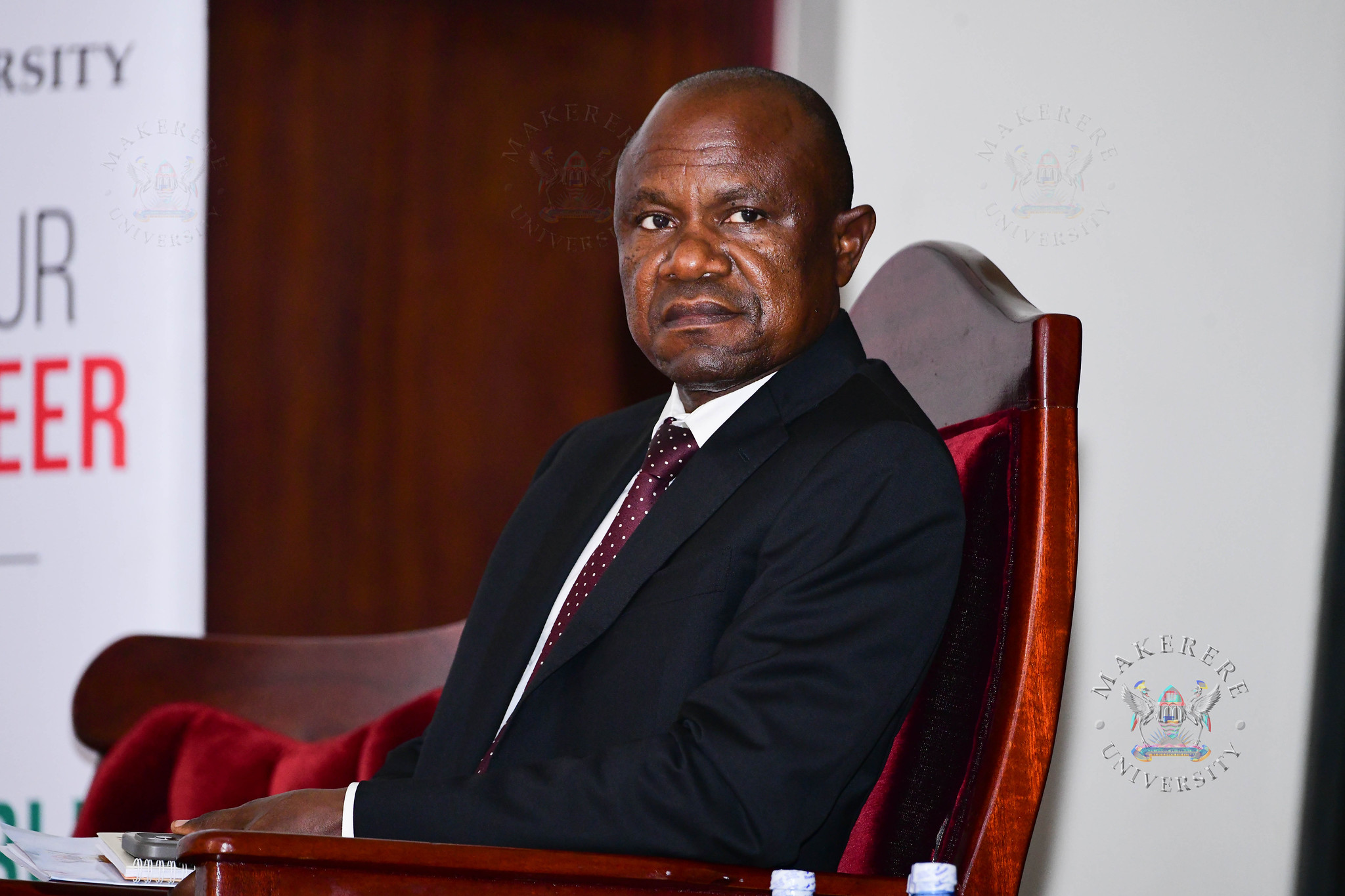
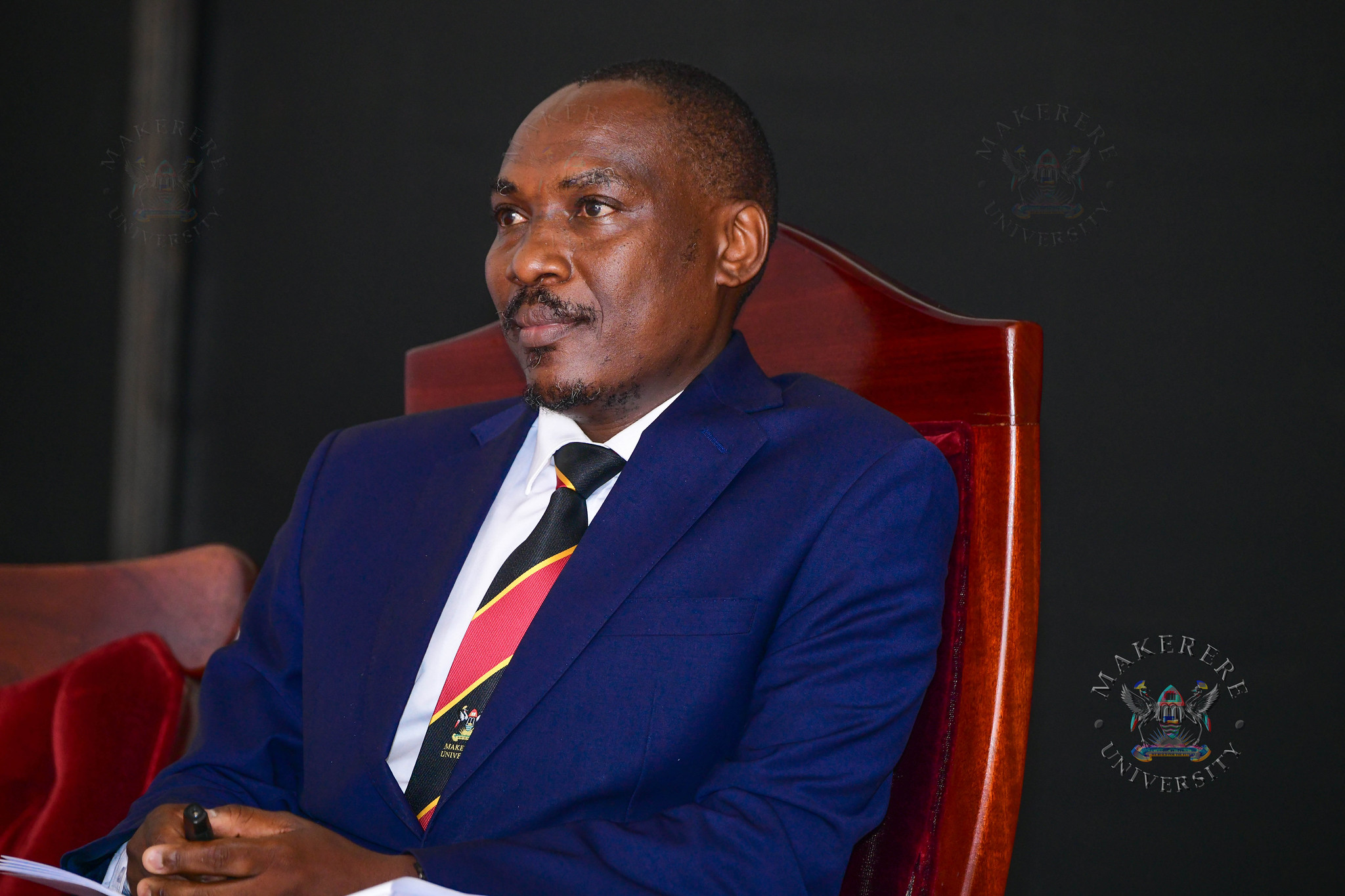
    KAMPALA – In a rare display of transparency at Makerere University, thousands of staff, students, and members of the public on Monday thronged the institution’s Main Hall to scrutinise three shortlisted candidates for the long-vacant Second Deputy Vice Chancellor (Finance and Administration) position.

    But it was Assoc. Prof. Eria Hisali who emerged as the crowd favourite, drawing the loudest applause and leaving many convinced he is best suited for the job.

    The candidates – Winston Tumps Ireeta, Henry Alinaitwe, and Eria Hisali – were presented by the Search Committee chaired by Tonny Oyana. Each outlined their vision for strengthening the university’s financial management, administrative efficiency, and institutional planning.

    Assoc. Prof. Eria Hisali who emerged as the crowd favourite, drawing the loudest applause and leaving many convinced he is best suited for the job. The candidates – Winston Tumps Ireeta, Henry Alinaitwe, and Eria Hisali – were presented by the Search Committee chaired by Tonny Oyana.

    The session quickly turned lively, with the audience posing tough questions on fiscal discipline, accountability, and bureaucratic inefficiencies that have long plagued the institution.

    However, multiple eyewitness accounts and reactions across social media platforms pointed to Hisali as the standout performer.

    “Prof. Eria nailed it,” one observer noted, while a former student from the College of Business and Management Sciences (CoBAMS) described his presentation as “spot-on.” Others openly endorsed him, with one attendee simply stating: “My teacher Prof. Eria deserves this.”

    Even some skeptics appeared impressed, with one participant conceding that the economist “seems honest.”

    Hisali, an Associate Professor at Makerere’s School of Economics, brings significant experience to the race. He previously served as Principal of CoBAMS for eight years, stepping down in 2024 after overseeing its transformation into a centre for public investment management and policy research.

    He has also served in acting capacities as Vice Chancellor and Deputy Vice Chancellor (Finance and Administration), giving him direct exposure to the financial and administrative challenges facing the university.

    Academically, Hisali holds a PhD and Master’s degree in Economics from the University of Dar es Salaam, in addition to a Bachelor’s degree from Makerere – credentials that position him strongly among his peers.

    The Second DVC (F&A) position has remained vacant for nearly a decade, having been re-advertised in January 2026 following earlier failed recruitment attempts marred by legal disputes and procedural disagreements.

    Many within the university community have long criticised management for delays in filling the role, arguing that the vacuum has contributed to persistent financial instability, staff grievances, and administrative inefficiencies.

    Monday’s public engagement – a requirement under the Universities and Other Tertiary Institutions Act – was widely welcomed as a step toward accountability. However, lingering concerns remain over whether the final decision will be based on merit or influenced by internal politics.

    Some attendees openly expressed skepticism, with one remarking, “It’s just politics at play,” while another cynically joked that any serious candidate would need “at least Shs1 billion on account” – a reflection of deep-seated frustrations over financial governance at the institution.

    Despite the cynicism, Hisali’s supporters argue that his institutional knowledge and proven administrative track record make him the ideal candidate to restore financial discipline and rebuild public trust.

    The Search Committee is expected to compile its report and submit recommendations to the University Council for final decision.

    As the process enters its निर्णative phase, attention now turns to whether Council will heed the voice of the university community or revert to familiar political manoeuvres.

    For many observers, the stakes could not be higher.

    After years of stalled reforms and acting appointments, Ugandans are watching closely – hoping that this time, merit will prevail over politics.

    Do you have a story in your community or an opinion to share with us: Email us at Submit an Article
  • Uganda Embassy Pitches ‘Pearl of Africa’ at Shanghai Tourism Expo: Will It Deliver Tangible Gains or Just Expensive Photo-Ops?

    Uganda Embassy Pitches ‘Pearl of Africa’ at Shanghai Tourism Expo: Will It Deliver Tangible Gains or Just Expensive Photo-Ops?

    KAMPALA | WATCHDOG REPORT – As the three-day Tourism Plus Shanghai 2026 expo enters its final day in China’s commercial capital (March 29–31), the Uganda Embassy in Beijing is under the spotlight.

    While officials have rolled out a culturally themed pavilion billed as an “immersive journey” into the country’s heritage, the core question for the Ugandan taxpayer remains: Is this a strategic investment or a bloated diplomatic holiday?

    The “Vibrant” Facade

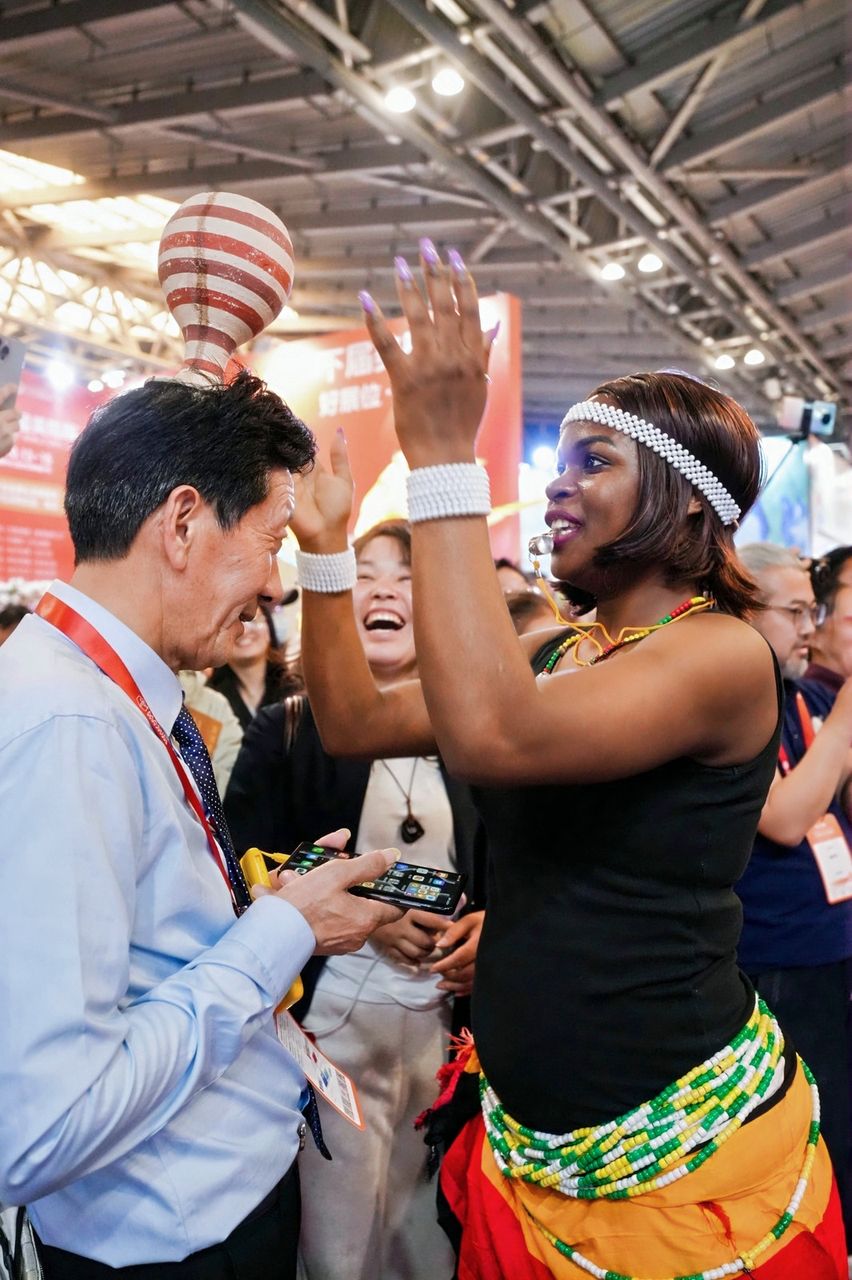
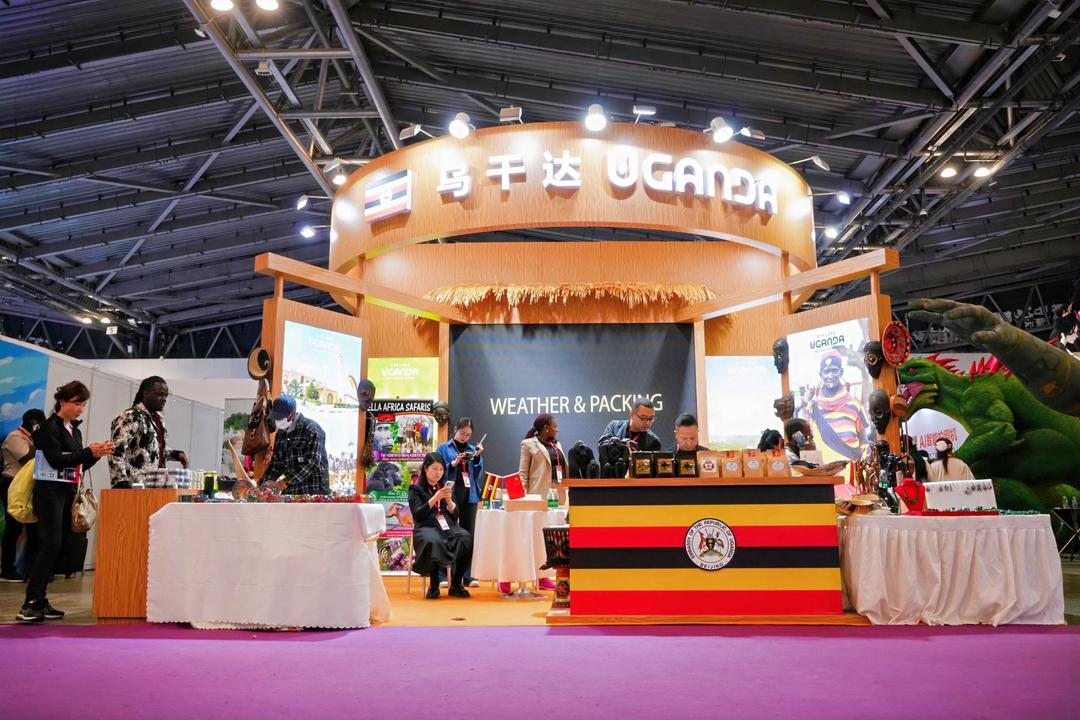
    Official communications from the Uganda Media Centre describe the booth as “vibrant and strategically positioned.” The setup features traditional thatched-roof aesthetics, bilingual signage, and embassy staff in Ugandan attire engaging visitors with photo-ops. This initiative is part of Kampala’s aggressive push to tap into the Chinese outbound market—a strategy that recently saw a similar showcase at the South Asia Tourism and Travel Exchange (SATTE) 2026 in New Delhi.

    The expo is undeniably massive, hosting over 6,000 exhibitors and 100,000+ new products. But as a watchdog on public resources, we must look past the “traditional drums” and ask the uncomfortable questions.

    1. The Transparency Gap: What is the Bill?

    Despite the glossy photos, embassy officials have remained tight-lipped about the actual budget allocated for the pavilion. From stand construction and logistics to the “per diems” of the high-level delegation, the costs are substantial.

    • The Watchdog View: In an era of tightening national budgets, where road maintenance in tourism hotspots and community conservation programs are underfunded, Ugandans deserve to know the Return on Investment (ROI). Diplomatic fairs must translate into hotel bookings, not just business cards.

    2. Execution Failures: Spectacle Over Substance?

    Early feedback from the ground hints at recurring execution gaps. Critics on social media pointed out a conspicuous, modern JBL speaker at the booth—a “culturally mismatched” detail that suggests a lack of market-specific research.

    • The Critique: Chinese luxury travelers expect a meticulously tailored experience. If Uganda’s promotion prioritizes “spectacle” over authentic, high-end immersion, we risk looking amateurish on one of the world’s most competitive stages.

    3. The Structural Reality Check

    No amount of thatched roofing can paper over the structural hurdles back home. Inconsistent wildlife security, infrastructure bottlenecks, and occasional negative international headlines continue to haunt the sector.

    • The Data: Official statistics show that despite years of “courting” Beijing, Chinese arrivals remain modest. Without robust follow-through—such as actual tour operator partnerships or post-expo tracking—these pavilions risk becoming expensive “ribbon-cutting” exercises.

    The Verdict

    The Uganda Tourism Board (UTB) and the Ministry of Tourism have repeatedly touted the Asia-Pacific region as a game-changer. Watchdog Uganda will be demanding answers on the following:

    • How many qualified leads were generated during these three days?

    • Were any binding Investment Memoranda signed?

    • How many Chinese tour operators actually added Uganda to their 2026/27 itineraries?

    Until hard data emerges, the Shanghai pavilion remains another glossy diplomatic effort. The “Pearl of Africa” has undeniable potential, but turning expo foot traffic into sustainable foreign exchange requires strategy and accountability, not just vibrant booths and traditional attire.


    Quick Facts: Tourism Plus Shanghai 2026

    • Dates: March 29–31, 2026

    • Venue: Multiple venues, Shanghai, China

    • Uganda’s Focus: Wildlife safaris, cultural heritage, and investment opportunities.

    • Recent Precedent: Similar showcase at SATTE 2026 (New Delhi).

    Do you have a story in your community or an opinion to share with us: Email us at Submit an Article
  • “I fear intimacy”—Etania – Sqoop

    “I fear intimacy”—Etania – Sqoop

    In a world where intimacy is often treated as casual and expected, Etania’s voice comes as a quiet contradiction.

    “I fear intimacy,” she says, not with shame, but with a kind of clarity that suggests she has spent years making peace with that truth. “I have not been intimate.” She revealed during a recent interview.

    For Etania, intimacy was never just a physical act but something sacred, something reserved. Growing up, she was taught that it belonged in marriage, and that lesson did not fade with age or exposure to modern ideas.

    “While growing up, they told me intimacy is after marriage,” she explains. “And that is what I grew up knowing. Our parents brought us up well.”

    In a generation where many feel pressured to explore intimacy early, Etania’s decision stands as both rare and deeply personal.

    For Etania, intimacy is not just something she has postponed, but it is something she has never fully understood outside the framework she was given.

    Her story reflects a reality many young people quietly live with: the tension between upbringing and modern life. The world has changed, conversations have opened up, and definitions of love and connection have evolved. Yet for some, like Etania, the foundation laid in childhood remains unshaken.

    Don’t want to miss out on any story? For updates on all Sqoop stories, follow this link on Telegram: https://t.me/Sqoop and Whatsapp: https://whatsapp.com/channel

About UGNEWS24

UGNEWS24 is a Uganda local news service, a product of SOLAVIA GROUP LIMITED, Reg. No. 80048169153974.

Registered office

Plot 2335, Buwambo-Katadde-Najjo Road,
Nansana Municipality, Wakiso District, Uganda
P.O. Box 214231, Kampala

© 2026 SOLAVIA GROUP LIMITED. All rights reserved.