Blog

  • Liya Says She Left DMW Due to Depression and Burnout

    Liya Says She Left DMW Due to Depression and Burnout

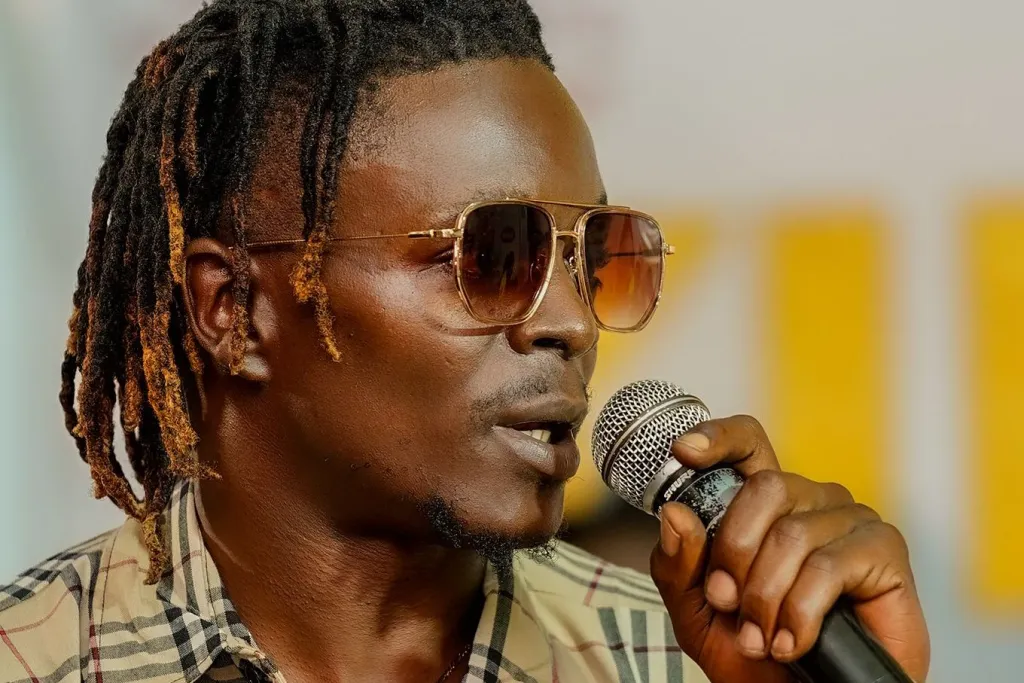
    For Liya, leaving Davido Music Worldwide was not just a career move, it was a personal decision shaped by what she went through behind the scenes.

    The singer, born Abdulsalam Suliyat Modasola, opened up about her exit from the label during an interview on Wahala with Josy Anne, explaining that her time there took a toll on her wellbeing.

    She revealed that while she joined DMW in 2020 as its first female artiste, the experience later became overwhelming, marked by emotional strain, exhaustion and health challenges that forced her to rethink her path.

    Why did I leave? I just wanted more for myself, as a person and as an artiste. It was sad, it was depressing, I was tired, I was sick, but it was a decision that I had to make for myself.

    Beyond the internal struggles, Liya also faced public criticism during her time at the label.

    She said many people misunderstood her situation and labelled her as unproductive.

    They called me names, saying she’s lazy, she does not know what she is doing. They are just pouring money on her, and she is not doing anything.

    The pressure extended to her online presence as well. Liya disclosed that she did not personally handle her Instagram account for over two years, leaving it in the hands of her manager during that period.

    Despite everything, she expressed appreciation for her manager, noting that he remained patient and supportive without forcing her through the difficult phase.

    He was tired, but I am so glad he understood. He never pushed me or forced me.

    Liya eventually parted ways with DMW in 2023, choosing to prioritise her health and personal growth.

    She first gained recognition after signing to the label in 2020, releasing songs such as “Melo,” “Adua,” and “Lakiriboto.”

  • Dance takes centre stage as Tusker Neon Raves Lite up Mbarara City

    Dance takes centre stage as Tusker Neon Raves Lite up Mbarara City

    There are nights when music leads, and others where movement tells the story.

    On Saturday, March 28, at Mugaba Palace, it was dance that first claimed the spotlight.

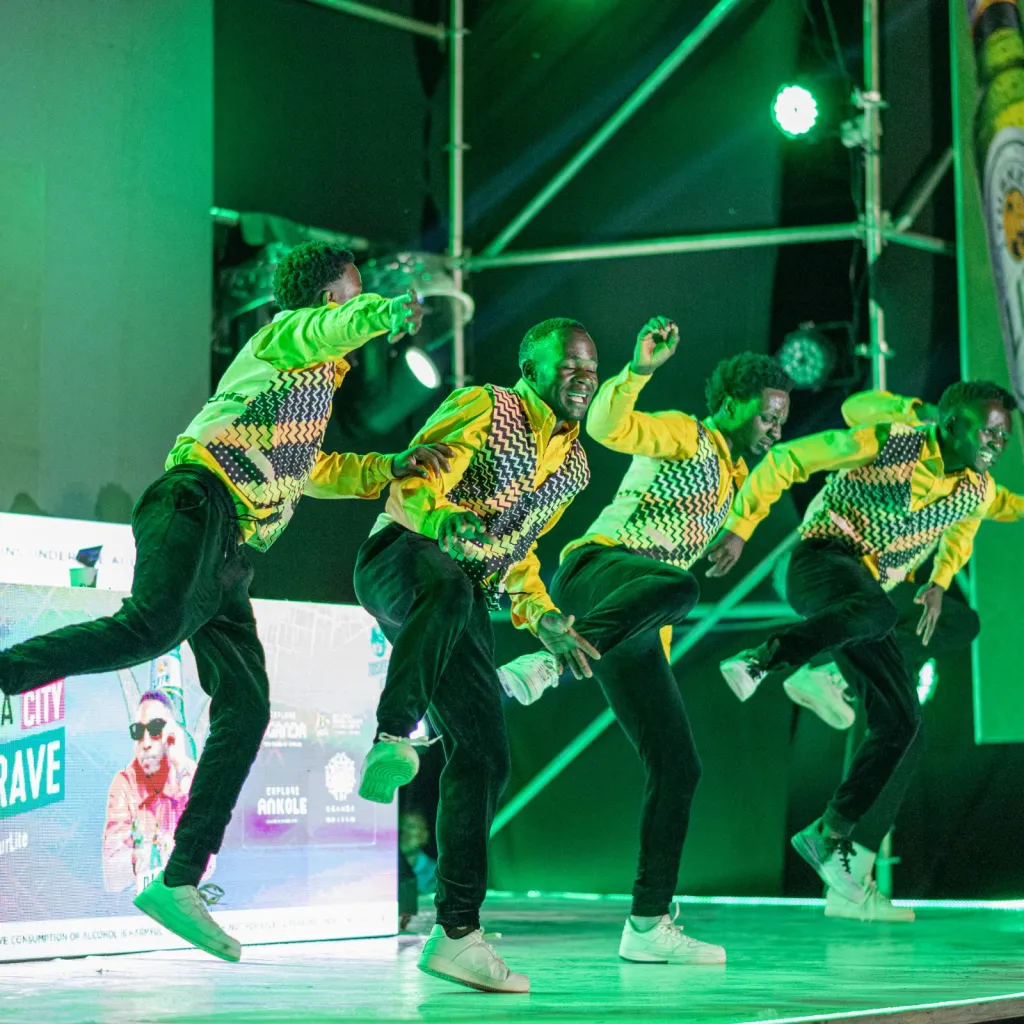
    The Tusker Lite Neon Rave, converging with the Explore Ankole concert, unfolded as a high-energy showcase of rhythm and rivalry, with the dance competition emerging as the night’s early heartbeat. Before the headlining acts took over, groups from across the region stepped forward, not just to perform, but to prove.

    Under streaks of neon light, bodies moved with precision and urgency. Each group arrived with its own language, choreography that blended street influence with performance discipline. The crowd responded instinctively, tightening around the stage, erupting in cheers, whistles, and chants that turned the contest into something larger than competition.

    Among the standout crews was The Family from Kasese, whose journey to Mbarara echoed the event’s regional pull. Their routine, defined by synchronisation and bold transitions, drew admiration and set the tone for what quickly became a fiercely contested showcase.

    But it was TYG Group that ultimately seized the moment.

    With sharp coordination and an almost relentless energy, they commanded both stage and audience, delivering a performance that felt as much like a statement as it did entertainment. Ice Breakers followed closely behind, securing second place with a routine that balanced creativity and control, while The Family settled into third, their presence lingering beyond the final score.

    The three crews qualified for the finale which will be held in Kampala later this year. The finale in Kampala will bring together crews from the entire country; the Tusker Lite Neon Raves have been going on for at least two months with competitions in Hoima, Masaka and now Mbarara already done. More countrywide stops in Arua, Gulu, and Kampala are yet to be communicated.

    In that opening stretch of the night, dance did more than entertain, it unified. Strangers leaned into one another, reacting in real time, finding common ground in rhythm and spectacle. It set a tone that would carry through the rest of the experience.

    Only then did the music fully take over.

    As the competition gave way to performances, the transition felt seamless, less like a shift and more like an expansion. DJ Mercy Pro picked up the tempo, threading Afrobeat, dancehall, and Ugandan hits into a continuous sonic wave that kept the energy intact.

    When Pastor Wilson Bugembe stepped onto the stage, the atmosphere recalibrated without losing its intensity.

    His set turned the neon-lit venue into a chorus, the crowd singing along in unison, voices rising above the beat. It was a different kind of movement now, less about choreography and more about connection.

    Then came T Paul, whose appearance grounded the night in local pride. The response was immediate, cheers rising as he delivered a set that pulled the audience back into high-energy celebration. Pastor Herbert Twina and other performers followed, each adding a distinct layer to the night’s evolving rhythm.

    What could have been a fragmented programme instead held together, gospel and secular, competition and concert, all coexisting within the same space. The fusion of the Explore Ankole concert and the Neon Rave proved intentional, stretching across audiences and tastes without losing coherence.

    For Tusker Lite, the night was also about recognising the talent that defined it. “What we witnessed in Mbarara was an incredible display of raw and refined talent,” said Sandra Againe, the Tusker Lite Brand Manager. “The dance crews showed up with an intensity and creativity that pushed the competition to new heights. For us, promoting dance across the country is intentional, because dance is at the heart of youth culture. The Tusker Lite Neon Raves are about giving that talent a stage, celebrating it, and connecting it to a wider audience.”

    As the night deepened, the neon lights intensified, bouncing off a crowd that refused to slow down. Conversations dissolved into dance, performances blurred into shared moments, and the energy carried long past the final set.

    In the end, what unfolded at Mugaba Palace was more than a party.

    It was a progression, from competition to concert, from movement to music, a night where Mbarara didn’t just host the experience, but became it.

  • Viana Indi joins NRG Radio

    Media personality Viana Indi, whose real name is Vivian Ayesiga Kabahindi, has joined NRG Radio Uganda just weeks after exiting Next Media.

    Viana Indi will host NRG Circle alongside Gaga and DJ VXFaisal, airing Monday to Thursday from 7:00 PM to 11:00 PM.

    Her move adds her to a growing roster of youth-driven media personalities at the station, including Crysto Panda, Prim Asiimwe, Etania, Mr Henrie, Gaga, Evelyn Mic, Sheilah Salta, Eyo Mackus, Rick Man, and Winnie Mbabazi, among others.

    Viana joined Next Media in June 2022 and quickly became a familiar face on both television and radio. She first stepped in for Sheila Gashumba on NBS After 5, before officially taking over as the show’s female host in 2023. On the programme, she worked alongside Douglas Lwanga, MC Kats, DJ Roja, and VJ Mercy.

    During her time at the station, she also co-hosted Next Brunch on Next Radio, where she strengthened her connection with audiences and expanded her profile in the media industry.

    Before joining Next Media, Viana worked with NTV Uganda and Galaxy FM, steadily building her reputation as one of Kampala’s most recognisable media personalities.

    Off air, she remains active as a brand influencer, event MC, and club hype personality.

  • Five New Ugandan Music Videos feat. Feffe Bussi, Gloria Bugie, Lydia Jazmine, Jowy Landa

    Five New Ugandan Music Videos feat. Feffe Bussi, Gloria Bugie, Lydia Jazmine, Jowy Landa

    Discover the latest 2026 music visuals from top Ugandan artists, including Feffe Bussi, Gloria Bugie, Lydia Jazmine, and Kalifah AgaNaga, among others.

    • Okuffa Obuffi – Feffe Bussi

    With a concert in prospect (scheduled for 16th May), Feffe Bussi is letting the trumpets blow. Okuffa Obuffi (produced by Eddie Dee) is another banger for party lovers.

    • Omukono Gwo – DJ Magic Touch feat. Lydia Jazmine

    Talent Walls’ deejay DJ Magic Touch collaborates with The One And Only Lydia Jazmine on ‘Omukomo Gwo.’ The Nikoly Ten-written song was produced by BassBoi and mastered by Anel Tunes.

    • Aya – Single Dee feat. Gloria Bugie

    The year of consistency continues for Gloria Bugie, who features on South Sudanese artist Single Dee’s ‘Aya’. The song is a blend of East Africa as the artists express their understanding of love.

    • Nkaluba – Kalifah AgaNaga

    Kalifah AgaNaga’s reunion with the Emma Carlos-owned Twinkle Entertainment has already birthed a fresh version of the dancehall star. His latest release, “Nkaluba,” is a high-energy, vibe-laden, lyrical-depth song with stunning visuals.

    • Munkwateko – Jowy Landa

    Beyond the controversies, 2026 has so far been consistently musical for Jowy Landa, and she continues the streak with a new release dubbed “Munkwateko,” which was produced by Bassboi.

    The post Five New Ugandan Music Videos feat. Feffe Bussi, Gloria Bugie, Lydia Jazmine, Jowy Landa appeared first on MBU.

  • Uganda Theatre Excellence Awards 2026 – Full List of Winners

    Uganda Theatre Excellence Awards 2026 – Full List of Winners

    While the rest of the world marked World Theatre Day 2026 (24th–27th March), with the main international celebrations held in Luxembourg City by the International Theatre Institute, UNESCO, and the Theatre Foundation, Uganda’s theatre community gathered on 28th March at the Uganda National Theatre to celebrate in its own vibrant way.

    The event, organised by the Uganda Centre of ITI, featured a rich lineup of activities. These included a Copyright Symposium, the “Twali Banji” audio play installation by Betty Lunkuse, and “Balembezi”, an immersive performance that drew the audience into movement, singing, and orature, organised by Lloyd Lutara

    The evening culminated in the inaugural Uganda Theatre Excellence Awards, recognising outstanding achievements across ten categories.

    Before sharing the winners, special appreciation goes to the executive committee whose efforts made the event possible: Aganza Kisaka (President), Kenneth Kimuli (Vice President), Charles Batambuze (Secretary), Julius Lugaya (Vice Secretary), Patience Nakamanya (Treasurer), and Vicent Sekasanvu (Project Supervisor).

    Seeing multiple generations of theatre practitioners gathered in one space was deeply inspiring, and as a theatre enthusiast (drama actor, director, teacher, consumer) myself, it was a proud moment to witness.


    Full Winners List

    1. Best Light Design – GAMPISI by Arafat Mugambe
    2. Best Sound Design – SSEWATTI by Arafat Mugambe & Mariam Ndagire
    3. Best Costume Design – THE PHANTOM OF THE OPERA by Guy Jairus Zziwa
    4. Best Stage Manager – SHE LOVES ME by Precious Nsimenta
    5. Best Theatre Script – MAKE ROOM by Brenda Ibarah
    6. Best Set Design – SHE LOVES ME by Kenneth Kanaabi
    7. Best Actor (Male) – Ronald in UNDER THE SUN
    8. Best Actress – Tayo Shonubi in SHE LOVES ME
    9. Best Director – Aganza Kisaka for SHE LOVES ME
    10. Best Production – SHE LOVES ME by Yenze Theatre Conservatoire

    Congratulations to all the winners of this inaugural edition.

    These awards mark an important step forward for the industry. Recognition and healthy competition have a way of raising standards, and this first edition shows the future of Ugandan theatre looks even more promising.

    Gallery

    The post Uganda Theatre Excellence Awards 2026 – Full List of Winners appeared first on MBU.

  • CONFIRMED: Viana Indi moves to NRG Radio Uganda after Next Media exit

    CONFIRMED: Viana Indi moves to NRG Radio Uganda after Next Media exit

    Viana Indi, real name Vivian Ayesiga Kabahindi, has been announced as the newest radio presenter to join the Kampala-based NRG Radio Uganda.

    At the start of March, Viana Indi parted ways with Next Media’s NBS TV and NEXT Radio, where she had served for four years.

    She thanked her former employees for providing her with a platform that has facilitated her growth, learning, and new connections.

    The bubbly Viana Indi was announced as a new NRG Radio Uganda presenter on Sunday via social media.

    “She is home. She is where she belongs,” NRG Radio Uganda posted on IG.

    Speaking to MBU, Viana revealed that she will be presenting the NRG Circle show, which airs from 7 pm to 10 pm every week, starting Monday to Thursday.

    Viana Indi also expressed her excitement upon joining the station, which she has described as “pure energy” and “a whole new era” in her life.

    Joining NRG feels like stepping into pure energy. Fast, loud, and full of life. Not just a moment… a whole new era.

    The post CONFIRMED: Viana Indi moves to NRG Radio Uganda after Next Media exit appeared first on MBU.

  • King Saha still ‘half excited’ about the copyright amendment bill, urges artists to stay woke

    King Saha still ‘half excited’ about the copyright amendment bill, urges artists to stay woke

    As the Copyright and Neighbouring Rights (Amendment) Bill, 2025, awaits approval from the president, King Saha has urged fellow artists to stay vigilant and follow up to ensure its regulations do not end up affecting them.

    In an interview, Saha mentioned how “half excited” he is as he still has unanswered questions about the bill, its regulations, and its implementation.

    “I am half excited about the copyright development. It is promising, but we are only at 60%, and we await the government to help us achieve the remaining 40%, which is implementation,” King Saha told Galaxy TV.

    Of course, I have my questions; did the government just want a photo op with the artists, or is this copyright bill a real issue it is pursuing? Was it a one-day discussion, or will it continue until it is fully achieved? We await to see.

    King Saha is still skeptical as he claims that several other bills have been passed in the parliament, but with limiting regulations, which in the end affect their implementation.

    I urge my fellow artists to keep their eyes and ears open as we wait for the next step. Personally, I am still pondering because so many bills have been passed in that parliament, but with regulations that limit their implementation.

    The post King Saha still ‘half excited’ about the copyright amendment bill, urges artists to stay woke appeared first on MBU.

  • Why Trump’s Visa Bond Targets Uganda — And What It Means for US–Uganda Relations

    Why Trump’s Visa Bond Targets Uganda — And What It Means for US–Uganda Relations

    The decision by the United States to place Uganda on a visa bond list under the Trump administration marks a significant shift in Washington’s immigration posture toward Kampala and other African capitals. Under the new policy, certain Ugandan applicants for U.S. visitor visas will be required to post refundable bonds ranging from USD 5,000 to USD 15,000, aimed at discouraging visa overstays.

    From an analytical standpoint, the move is less about Uganda specifically and more about a broader hardline immigration philosophy associated with President Donald Trump’s return to power. Trump’s political brand has consistently revolved around border control, migration deterrence, and enforcing compliance through financial and legal pressure. Countries flagged for higher overstay rates — many of them in Africa, Asia and Latin America — have become prime targets for such experimental deterrent measures.

    For Uganda, the inclusion reflects longstanding U.S. concerns about visa compliance rather than a collapse in diplomatic relations. However, it also exposes deeper global inequalities. A visa bond of USD 10,000 is beyond the reach of most ordinary Ugandans, effectively transforming travel into a privilege for the wealthy, diplomats, and corporate elites. While the bond is refundable, the upfront cost alone creates a psychological and economic barrier.

    At the people-to-people level, the policy risks chilling educational exchanges, tourism, family visits, religious missions, and business travel. Ugandan students, church leaders, NGO workers and traders — traditionally strong bridges between the two countries — may now reconsider U.S. travel altogether. This could gradually weaken soft diplomacy ties that have been built over decades.

    Diplomatically, the bond policy introduces quiet strain but not rupture. The U.S. and Uganda remain strategic partners on security, regional stability, health programs, and counterterrorism, particularly in Somalia and the Great Lakes region. Washington is unlikely to sacrifice these interests. However, Kampala may increasingly interpret such unilateral measures as punitive and insensitive to socio-economic realities.

    There is also a reputational dimension. Being publicly listed as a “high-risk” country reinforces negative stereotypes about Ugandans abroad, even though the vast majority of travelers comply with visa rules. This perception may affect how Ugandans are treated at embassies, airports and border points globally.

    Ultimately, Trump’s visa bond policy signals a transactional era in U.S. immigration policy, where trust is replaced by financial guarantees. For Uganda, the challenge is diplomatic engagement — presenting compliance data, negotiating exemptions, and protecting citizens’ mobility rights — while also addressing domestic factors that drive overstays, such as limited economic opportunities.

    If left unaddressed, the bond requirement could quietly erode goodwill between the two peoples, even as official relations remain formally cordial.

    Do you have a story in your community or an opinion to share with us: Email us at Submit an Article

  • BWANIKA JOSEPH: Ugandans in Diaspora face a narrow window to challenge the unfair proposed taxation

    BWANIKA JOSEPH: Ugandans in Diaspora face a narrow window to challenge the unfair proposed taxation

    As the Government of Uganda continues to struggle with economic pressures, a new proposal to tax citizens in the diaspora has sparked concern and urgency among Ugandans living abroad.

    With limited time to respond before such measures potentially take effect, the Leadership in Diaspora communities must engage policymakers and voice their concerns about this unfair and counterproductive tax policy.

    Uganda’s economy continues to face structural challenges, including a rising public debt burden of about UGX 130 trillion (approximately US$34.86 billion, persistent budget deficits, and increasing pressure to finance infrastructure and social services.

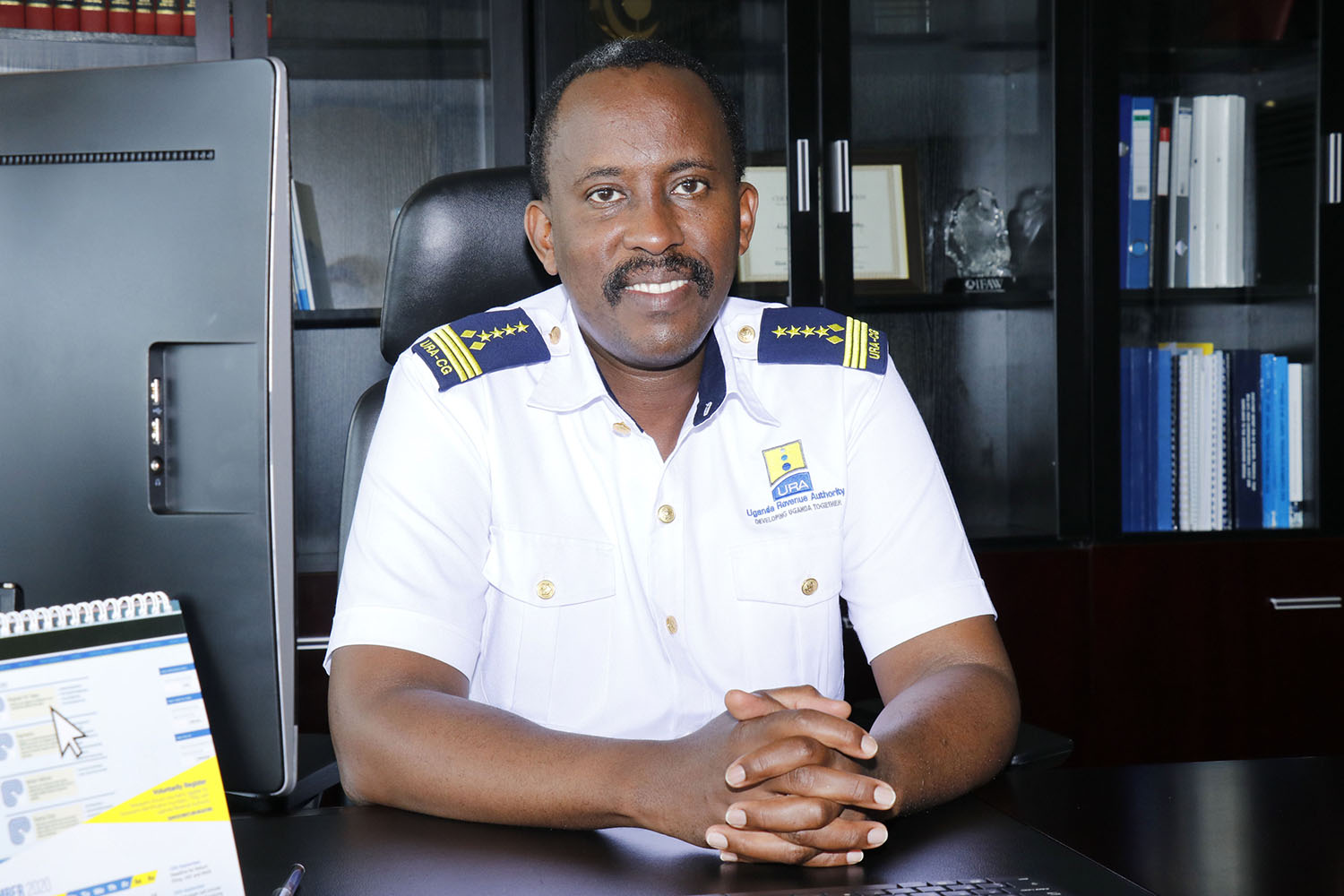
    In response, the Uganda Revenue Authority (URA) has sought to widen the tax base.

    While this objective is understandable, the proposal to tax Diaspora income risks overlooking a critical reality. Ugandans abroad are already among the country’s most consistent and impactful economic contributors.

    According to estimates from the Bank of Uganda, remittances from the diaspora bring in approximately $1.2 to $1.4 billion annually, making them one of the country’s largest sources of foreign exchange second only to key exports like coffee and Gold. This inflow accounts for roughly 4% to 5% of Uganda’s Gross Domestic Product (GDP).

    These inflows are not evenly distributed but reflect strong regional diaspora hubs.

    Ugandans in the United States contribute the largest share estimated at around 30%–35% of total remittances followed by the United Kingdom at approximately 15%–20%.

    The Middle East, particularly countries like the UAE, Saudi Arabia, and Qatar, accounts for about 25%–30%, largely driven by labor exports. The remaining 15%–20% comes from Europe, Canada, and other parts of Africa.

    These contributions go far beyond household support. They sustain foreign exchange reserves, stabilize the Ugandan shilling, and indirectly generate tax revenue through consumption, investment, and financial transactions.

    Diaspora funds are channeled into real estate, small and medium enterprises, education, and healthcare sectors that are essential for long-term development.

    Against this backdrop taxing diaspora income raises concerns of double taxation, as these individuals are already taxed in their countries of residence. More importantly, such a policy risks weakening the very flows it seeks to harness. Diaspora investors are highly sensitive to policy signals.

    A perception of unfair taxation could trigger a gradual withdrawal of investments, reduced remittances, and a shift of capital to more predictable environments. The economic consequences of such a shift would be significant, affecting growth, employment, and foreign exchange stability.

    For policymakers, the central issue is not whether more revenue is needed, but how it is generated and managed.

    Uganda’s fiscal challenges are as much about efficiency and accountability as they are about revenue collection.

    Public concern over underperforming or stalled projects such as the Lubowa International Specialized Hospital highlights the urgent need for stronger financial oversight.

    Borrowing to finance development is not inherently problematic, but when projects fail to deliver value, the burden shifts unfairly onto taxpayers.

    This calls for a decisive pivot toward strengthening public financial management. Transparent budgeting, strict expenditure controls, and effective monitoring of public investments must become non-negotiable.

    Every shilling borrowed or collected in taxes should be traceable to measurable outcomes that benefit citizens.

    Equally important is proper budget allocation. Uganda must prioritize sectors with the highest economic returns, particularly agriculture and technological infrastructure.

    Agriculture employs the majority of the population, yet remains underfunded and under-mechanized. Strategic investments in irrigation, agro-processing, and market access could transform it into a major revenue generator.

    Similarly, investing in digital infrastructure and innovation can expand the tax base organically by formalizing economic activity and reducing inefficiencies.

    However, the responsibility for better governance does not rest with policymakers alone. Citizens both at home and in the diaspora must take a more active interest in the country’s fiscal affairs.

    Budget transparency means little without public engagement. Ugandans should demand accountability, follow budget processes, and question how public funds are allocated and spent. A more informed and engaged population is essential for building a culture of accountability.

    For the diaspora, this is a moment to move beyond remittances and become active participants in shaping national policy. Advocacy, and organized engagement with government institutions can help ensure that policies reflect fairness and economic logic.

    Uganda stands to gain far more from strengthening trust and improving financial management than from imposing additional taxes on its diaspora. Sustainable economic growth will not come from overburdening contributors, but from efficient governance, strategic investment, and shared responsibility.

    The path forward requires collaboration between government and citizens, at home and abroad to build a resilient and inclusive economy.

    Author is a social development specialist and CEO Bridge your mind Centre.

    Email: bwani.jose@gmail.com

    Do you have a story in your community or an opinion to share with us: Email us at Submit an Article

  • Sudhir Ruparelia Gifts Wheelchair to 104-Year-Old Esther Amoding at Rajiv Memorial Eye Camp in Bukedea

    Sudhir Ruparelia Gifts Wheelchair to 104-Year-Old Esther Amoding at Rajiv Memorial Eye Camp in Bukedea

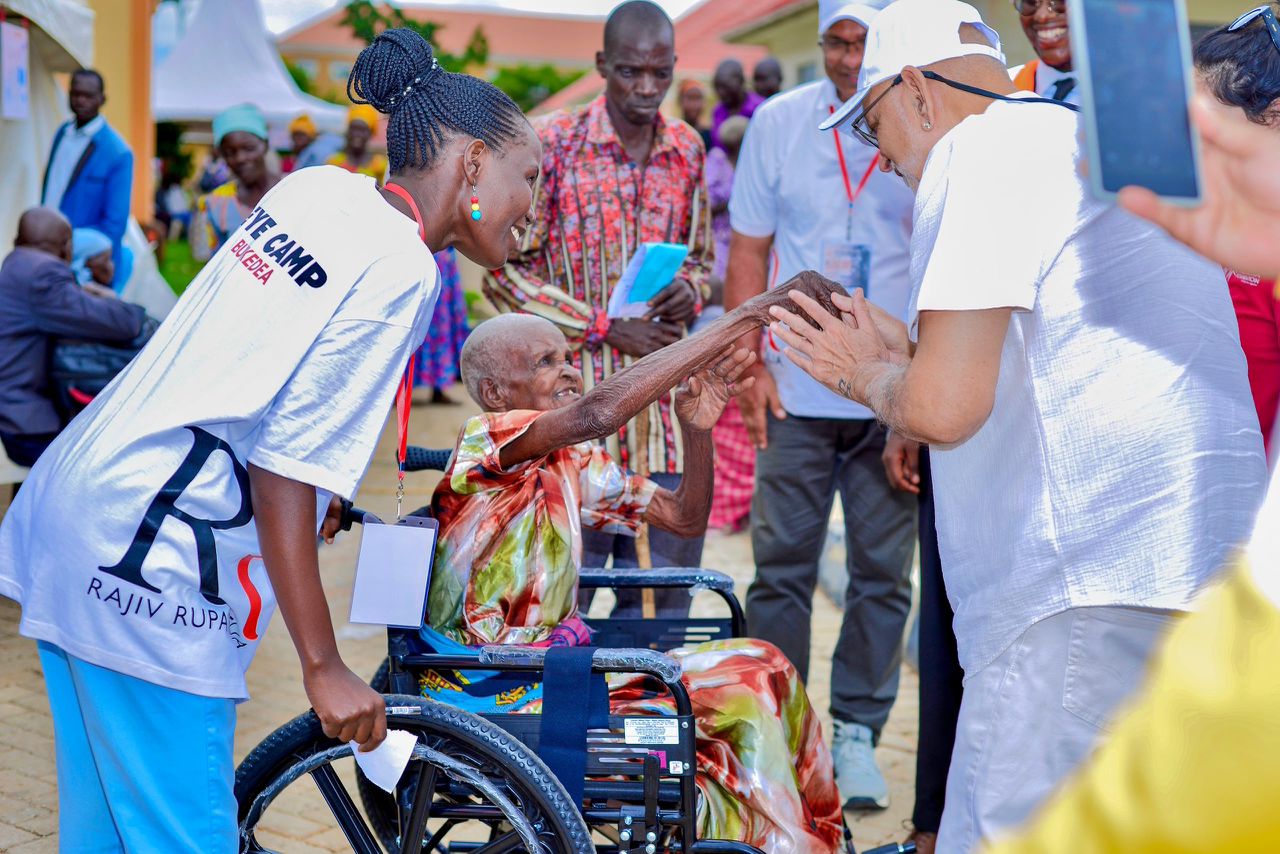
    In a deeply emotional climax at the three-day Rajiv Ruparelia Memorial Free Eye Health Camp, billionaire Dr Sudhir Ruparelia personally handed over a brand-new wheelchair to 104-year-old Esther Amoding at Bukedea Teaching Hospital today. The centenarian, visibly moved to tears, responded with a heartfelt prayer: “May you live for many more years to keep helping your people.”

    This touching exchange stood out as the highlight of an outreach that drew thousands of Ugandans of all ages — from infants to the elderly — who converged on Bukedea Teaching Hospital from Teso, Lango, Acholi, and Bugisu regions between March 27 and 29. Patients queued for hours for free eye screenings, consultations, cataract surgeries (over 300 performed, including 50 on children), and more than 1,000 pairs of spectacles.

    Dr Sudhir Ruparelia and his wife Jyotsna demonstrated rare commitment by stepping away from the comforts of Kampala to spend the entire period in rural Bukedea. They personally supervised the camp, engaged directly with beneficiaries, and ensured every needy person received care — a sacrifice that underscored their dedication beyond mere financial support.

    Hundreds of lives were transformed: blind grandparents regained sight to see their grandchildren, mothers could read again, and vulnerable residents found renewed dignity and hope. The camp has cemented the Ruparelia Foundation’s position as Uganda’s most visible and active local philanthropy organisation, driven by the enduring memory of the late Rajiv Ruparelia, who tragically passed away in a road accident on May 3, 2025.

    In remembrance of Rajiv, the Foundation has rolled out several impactful initiatives, including 100 fully-funded Master’s scholarships at Victoria University, a major Christmas charity drive providing essentials to the needy, and community outreaches such as the distribution of blankets, clothes, food, and toys in areas like Kilawuli.

    As the camp concluded today, the message from Bukedea was unmistakable: Rajiv’s legacy lives on through acts of compassion that bridge the gap between privilege and need, proving that true service often means leaving the boardroom for the village.

    Do you have a story in your community or an opinion to share with us: Email us at Submit an Article

About UGNEWS24

UGNEWS24 is a Uganda local news service, a product of SOLAVIA GROUP LIMITED, Reg. No. 80048169153974.

Registered office

Plot 2335, Buwambo-Katadde-Najjo Road,
Nansana Municipality, Wakiso District, Uganda
P.O. Box 214231, Kampala

© 2026 SOLAVIA GROUP LIMITED. All rights reserved.