Blog

  • Most Marketable University Courses In Uganda 2026

    Most Marketable University Courses In Uganda 2026

    With Uganda Requiring 303,936 Specialists Over The Next Five Years, Here Is Your Data-Driven Guide To Choosing A Degree That Will Actually Get You Hired

    Every year, thousands of Ugandan students make one of the most consequential decisions of their lives with very little reliable information to guide them. Which course should I study? Which degree will get me a job? Which qualification does Uganda actually need?

    ADVERTISEMENT

    For the first time, the government has answered those questions with hard data.

    A human resource forecast conducted as part of Uganda’s National Development Plan IV — whose implementation began on July 1 last year — reveals that the country will need at least 303,936 specialists, graduates, and technicians over the next five years across eight key sectors. Of that number, 41,750 represent skills that no Ugandan institution currently trains for at all.

    If you are choosing a university course in 2026, what follows is the most important reading you will do all year.

    The Eight Sectors Where The Jobs Are

    The NDP IV identifies eight priority sectors that will drive Uganda’s economic growth through 2030. These are agro-industrialisation, health, tourism, extractives industry development, transport, innovation, digital transformation, and energy.

    Every marketable course in Uganda right now sits within one of these eight sectors. Here is what the numbers say about each.

    Health — 155,561 Specialists Needed

    Health is by far the single largest source of graduate demand in the forecast — and the sector with some of the most acute shortages at the specialist level. The country urgently needs cardiac anaesthesiologists, interventional cardiologists, cardiovascular researchers, and other highly specialised medical professionals that Uganda currently has no domestic capacity to train.

    Courses to consider: Medicine and Surgery (MBChB), Pharmacy, Nursing, Medical Laboratory Science, Public Health, Biomedical Engineering, and all clinical specialisation pathways at postgraduate level. The government forecast specifically highlights the Uganda Heart Institute and the Uganda Cancer Institute as institutions with the capacity to develop master’s programmes for specialist training — making postgraduate health programmes particularly well-positioned for government scholarship support.

    Agro-Industrialisation — 35,922 Specialists Needed

    Agriculture remains the backbone of Uganda’s economy, but the NDP IV signals a deliberate shift toward agro-industrialisation — adding value to agricultural produce rather than simply growing and exporting raw materials. This shift creates demand for a new generation of technically skilled graduates who can bridge the gap between the farm and the factory.

    Courses to consider: Food Science and Technology, Food and Beverage Processing, Agricultural Engineering, Dairy Science, Animal Production and Management, Agricultural Machine Operations, and Food Microbiology. The government has flagged significant gaps in dairy science specialists (2,081 needed), food and beverage processing (5,280), food science and technology, and food microbiologists (1,369) — all areas where institutions are currently producing far too few graduates to meet projected demand.

    Digital Transformation — 25,796 Specialists Needed

    Uganda’s digital economy is expanding rapidly, and the demand for graduates who can build, manage, and secure digital systems is growing faster than institutions can keep up. This is one of the most dynamic and globally competitive sectors in the forecast — meaning that graduates with strong digital skills are not only employable in Uganda but across the region and beyond.

    Courses to consider: Computer Science, Software Engineering, Information Technology, Data Science, Cybersecurity, Telecommunications Engineering, and Information Systems. ISBAT University’s Vice Chancellor has already noted that continuous assessment in technology programmes is being reformed to meet new competence standards — a signal that the quality of technology graduates is actively being upgraded to meet industry expectations.

    Energy — 25,881 Specialists Needed

    Uganda’s energy ambitions — encompassing hydroelectric power, solar energy, oil and gas, and the broader extractives sector — require a pipeline of technically qualified graduates that the current higher education system is not producing at sufficient scale. Gold processing plant specialists are specifically identified as a category for which no domestic training currently exists.

    Courses to consider: Electrical Engineering, Petroleum Engineering, Geoscience, Mining Engineering, Environmental Science, and Renewable Energy Technology. Students in these programmes will be entering a sector where government investment is substantial and where the combination of domestic shortage and high strategic priority makes employment prospects particularly strong.

    Extractives — 22,733 Specialists Needed

    Uganda’s oil and gas sector, alongside its minerals industry, continues to generate demand for specialist technical skills — particularly in nuclear geology, a field in which the government has acknowledged that civil engineers trained abroad will be prioritised for work permits until domestic training capacity is developed.

    Courses to consider: Geology, Petroleum Geoscience, Mining Engineering, Chemical Engineering, and Environmental Management. Students interested in this sector should note the government’s explicit intention to issue work permits to foreign specialists in the short term while investing in building local training capacity — creating a window of high demand for Ugandan graduates who can fill these roles.

    Tourism — 12,043 Specialists Needed

    Uganda’s tourism sector has significant untapped potential, and the NDP IV identifies it as a priority growth area requiring a new generation of professionally trained hospitality and tourism management graduates.

    Courses to consider: Tourism and Hotel Management, Hospitality Management, Bachelor of Tourism, and Event Management. Kyambogo University’s Bachelor of Hotel and Institutional Catering and Bachelor of Science in Sports and Leisure Management are examples of programmes directly aligned with this demand area.

    Transport and Logistics — 17,642 Specialists Needed

    As Uganda develops its road, rail, and air infrastructure, the demand for professionals who can plan, manage, and optimise transport and logistics systems is rising.

    Courses to consider: Civil Engineering, Transport Planning, Procurement and Logistics Management, Supply Chain Management, and Urban Planning.

    Science and Innovation — 8,958 Specialists Needed

    Research, innovation, and the development of new technologies are identified as critical to Uganda’s long-term competitiveness. This sector rewards postgraduate qualification — particularly at master’s and PhD level.

    Courses to consider: any science, technology, engineering, or mathematics programme pursued to postgraduate level, with particular emphasis on research-oriented pathways.

    The Qualifications That Are Most In Demand

    Across all eight sectors, the qualification breakdown reveals where the sharpest opportunities lie. Of the 303,936 human resources needed, 50,419 are required at master’s degree level — making postgraduate education the single most strategically valuable investment a student can make right now. Bachelor’s degree holders account for 104,055 of the required workforce, diploma holders for 135,997, and PhD holders for 1,456.

    The practical implication is clear: a bachelor’s degree in a high-demand field is a strong starting point, but a master’s degree in the same field significantly improves both employability and earning potential in the current environment.

    Government Scholarships Will Follow The Gaps

    For students concerned about the cost of pursuing these programmes, the government’s direction on funding offers important guidance. The NDP IV commits to building a National Central Admissions System that will link university admissions and financing — including government scholarships and student loans — directly to critical skills needs.

    In plain terms: students who choose courses in high-demand sectors are more likely to access government financial support than those who choose courses in areas of lower national priority. Choosing a marketable course is not only a career decision — it is increasingly a funding strategy.

    What University Leaders And Experts Are Saying

    Dr. John Chrysostom Muyingo, Minister of State for Higher Education, has been direct in his message to institutions: “We must have programmes that speak to the national development plans.”

    Prof. George Ladaah Openjuru, Vice Chancellor of Gulu University, has identified infrastructure investment as the critical missing piece, noting that many specialist programmes cannot be delivered to the required standard without cold rooms, functional mortuaries, and proper clinical facilities. “All these need funding,” he said.

    Dr. Francis Omaswa, a cardiovascular researcher and retired public servant, made the case for Uganda developing its specialist training domestically rather than depending on foreign expertise. “Training specialists locally is more cost effective, more efficient, and reduces the burden on the government,” he said — pointing to the Uganda Heart Institute and Uganda Cancer Institute as institutions already capable of delivering specialist postgraduate training.

    The Bottom Line For Students In 2026

    The most marketable courses in Uganda in 2026 are not necessarily the most prestigious or the most popular. They are the ones that address the documented, data-backed gaps between what the country needs and what its institutions are currently producing.

    Health. Agro-industrialisation. Digital transformation. Energy. Extractives. These are the sectors where Uganda’s investment is going, where the jobs will be created, and where graduates with the right qualifications will find the strongest demand for their skills.

    The government has done the analysis. The question now is whether students will use it.
  • Muhoozi hints at crackdown on churches, says religious leaders should have at least a Theology Degree

    Chief of Defence Forces Muhoozi Kainerugaba has stirred fresh debate on religion and regulation after suggesting that church leaders in Uganda should meet minimum academic standards.

    In a post shared on X, the army chief proposed that anyone seeking to lead a church should first obtain formal theological training. He said this was the position of the Patriotic League of Uganda (PLU), a political and civic platform he heads.

    According to him, requiring a theological degree would help address concerns about unqualified individuals starting churches and misleading followers. His comments appeared to target what some critics have long described as the rise of self-proclaimed pastors who lack formal grounding in religious studies.

    The remarks quickly drew a wave of reactions online, reflecting a divided public opinion.

    Supporters of the proposal argued that stricter requirements could help restore credibility and accountability within religious institutions. Some said it would curb the spread of what they called “fake miracles” and protect worshippers from exploitation.

    However, others pushed back, warning that such a move could undermine the essence of religious calling. Critics pointed out that spiritual leadership, particularly in Christianity, is often believed to be based on divine calling and personal conviction rather than academic achievement.

    One commenter urged the general to reconsider his stance, arguing that faith and ministry are not defined by formal education. The commenter also questioned the fairness of imposing degree requirements on pastors while elected leaders, such as Members of Parliament, face lower academic thresholds.

  • Makerere University’s Race For The 92nd Guild Presidency Is Officially On — Meet The 13 Candidates Cleared To Contest

    Makerere University’s Race For The 92nd Guild Presidency Is Officially On — Meet The 13 Candidates Cleared To Contest

    Dean Of Students Briefs Nominees As Electoral Commission Issues Stern Guidelines On Campaign Conduct

    By Campusbee Reporter

    ADVERTISEMENT

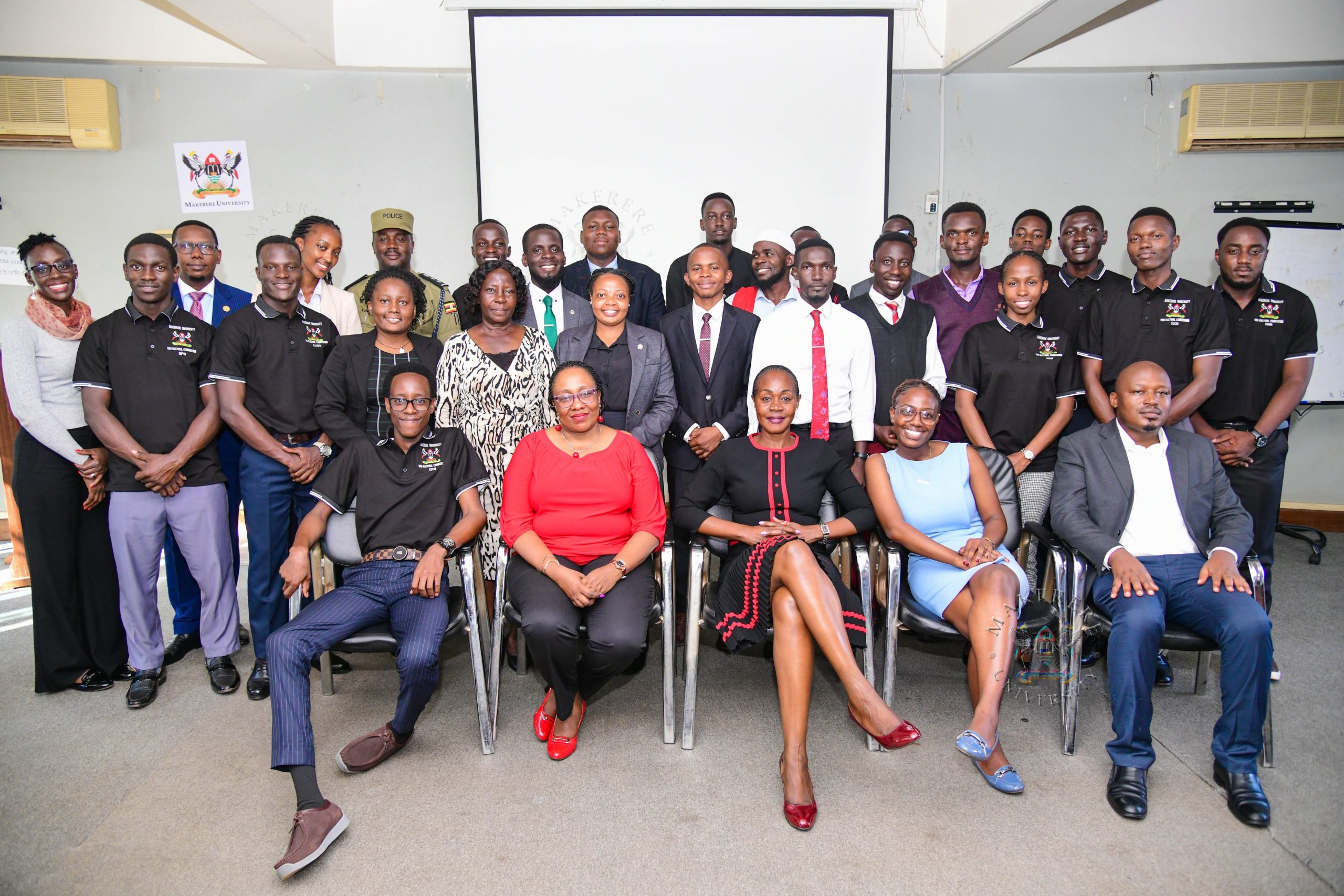
    The race for the most coveted student leadership position at Makerere University is officially underway. The Dean of Students, Dr. Winifred Kabumbuli, this afternoon convened a briefing for all duly nominated candidates for the 92nd Guild Presidency — thirteen students who will now compete for the right to lead Uganda’s oldest and most prestigious public university.

    The field is wide, the competition is set to be fierce, and the rules of engagement have been made clear.

    The Thirteen Candidates

    The following candidates have been officially nominated and cleared to contest for the 92nd Makerere University Guild Presidency:

    1. Atuha Cohen
    2. Bulumba Timothy
    3. Kadondi Gracious
    4. Kyajja Peter Claver
    5. Lubango Jimmy
    6. Mbabazi Tracy
    7. Mujuzi Mike Fulgensio
    8. Nganga Mark
    9. Nyaika Daniel
    10. Serunkuma Timothy
    11. Ssemanda Ashiraf
    12. Tebakor Jimmy Prince
    13. Tumukunde Hannah Karema

    The thirteen represent a diverse field — including at least two female candidates in Mbabazi Tracy and Tumukunde Hannah Karema — competing for a position that carries enormous symbolic weight and institutional influence at Makerere.

    The briefing was not merely ceremonial. Dr. Kabumbuli used the occasion to deliver a clear and direct set of expectations to all candidates regarding the conduct of their campaigns — expectations that the Electoral Commission and university security will be monitoring closely.

    Candidates were specifically warned against defacing walls and destroying or interfering with other candidates’ campaign posters — a persistent problem in previous guild election cycles that the university is determined to curtail. Large processions, hate speech, the deliberate spread of disinformation and misinformation, violence, noise pollution, and the involvement of non-students in campaign activities were all explicitly prohibited.

    The 92nd Guild Electoral Commission Chairperson, Owomugisha Maureen, reinforced the message, reminding all thirteen candidates of their obligation to abide by the electoral guidelines throughout the campaign period. Her remarks underscored that the Electoral Commission will be holding candidates accountable to the rules — not merely advising them.

    Chief Security Officer SP Kaheebwa Geoffrey struck a relatively positive note, commending the candidates for their adherence to guidelines thus far while issuing a forward-looking reminder: any campaign processions must be restricted to the Main Campus, and candidates must ensure their activities do not interfere with traffic flow or disrupt business operations in areas where they campaign.

    The Guild Presidency at Makerere University is far more than a student title. The Guild President serves as the principal representative of the university’s student body — engaging with university management on academic policy, student welfare, fees, and the full range of issues that affect the day-to-day lives of Makerere’s approximately 35,000 students.

    The position has historically been a launching pad for careers in politics, civil society, law, and public service. Past guild presidents have gone on to serve in parliament, government, and prominent leadership positions across Uganda’s public and private sectors. The competition for the 92nd presidency is therefore being watched not only by the student community but by a much wider audience with an interest in where Uganda’s next generation of leaders is coming from.

    With thirteen candidates in the race, the campaign period promises to be one of the most competitive in recent memory. How each candidate navigates the rules, builds their coalition, and presents their vision to the student electorate will determine who emerges as the 92nd Guild President of Makerere University.

    The campaign, as of today, has officially begun.

    Campusbee will be following the 92nd Makerere Guild Presidential race closely. Stay with us for candidate profiles, campaign updates, and full election coverage.

  • Gen Muhoozi Calls for Theology Degrees for Pastors, Warns of Crackdown on ‘Fake Churches’

    Gen Muhoozi Calls for Theology Degrees for Pastors, Warns of Crackdown on ‘Fake Churches’

    The Chief of Defence Forces, Muhoozi Kainerugaba, has sparked fresh debate after proposing strict regulations on religious leaders, including a requirement that all pastors hold formal theology degrees.

    In a statement posted on his X (formerly Twitter) account early Thursday, Muhoozi said that unregulated churches and what he described as “fake pastors” could face arrest if the Patriotic League of Uganda (PLU) assumes power.

    ADVERTISEMENT

    “You can be sure of one thing: the day PLU takes over government we will arrest ALL the fake pastors and churches all over the country!” he wrote.

    He went further to suggest that such individuals could face criminal charges, including what he termed as “insulting God,” and emphasized that anyone leading a church should possess at least a degree in theology.

    Muhoozi’s remarks mirror regulatory measures previously implemented in Rwanda under President Paul Kagame. In 2018, Rwanda introduced reforms requiring pastors to have formal theological training, alongside operational standards for churches such as infrastructure and minimum membership requirements.

    Enforcement of these regulations intensified in 2024, when authorities inspected more than 13,000 places of worship and shut down thousands that failed to meet compliance standards. Additional controls introduced in 2025 included stricter financial oversight, tighter approval processes for church operations, and regulations on foreign preachers and public religious gatherings.

    Kagame has defended the measures as necessary to professionalise religious leadership, curb exploitation, and bring order to a rapidly expanding informal religious sector.

    In Uganda, Muhoozi’s proposal is expected to trigger widespread discussion, particularly given the central role religious institutions play in education, healthcare, and community life. Previous attempts to regulate churches have often raised concerns about the balance between state oversight and freedom of worship.

    Analysts say the comments could reignite a long-standing national conversation about accountability within religious institutions, as well as the limits of government intervention in matters of faith.

  • JKazoora requests the government to intervene in TikTok monetization – Sqoop

    JKazoora requests the government to intervene in TikTok monetization – Sqoop

    Ugandan music executive and media personality JKazoora has called on President Yoweri Museveni and Justice Minister Norbert Mao to push for fair pay for local content creators on global platforms.

    Speaking during the recent dinner hosted by Norbert Mao in Lubowa, JKazoora pointed to viral sensation Tenge Tenge as a symbol of a much bigger issue.

    Despite racking up nearly 200 million views on TikTok, Tenge Tenge, he argued, may not earn a single coin from the platform.

    “Imagine bringing in that kind of attention and not benefiting financially,” he said. “It doesn’t make sense.”

    But this isn’t just about one creator. Kazoora’s message taps into a growing frustration among Ugandan digital creatives, young people who pour time, talent, and creativity into content across platforms like Instagram, Facebook, and YouTube, yet often struggle to convert viral success into actual income.

    Kazoora believes the solution lies in government intervention, not control, but negotiation.

    “Let’s mobilize the government so these companies can pay us,” he urged. “Anyone creating content should be able to benefit.”

    In many parts of the world, creators earn through structured monetization systems, ad revenue, creator funds, and brand partnerships, but in Uganda, those pathways remain limited, inconsistent, or altogether unavailable.

    Don’t want to miss out on any story? For updates on all Sqoop stories, follow this link on Telegram: https://t.me/Sqoop and Whatsapp: https://whatsapp.com/channel

  • Ruparelia Foundation eye camp kicks off in Bukedea, targeting 5,000 people

    Ruparelia Foundation eye camp kicks off in Bukedea, targeting 5,000 people

    The Ruparelia Foundation free eye care camp has kicked off today at Bukedea Teaching Hospital, with organisers targeting at least 5,000 patients over the three-day outreach running until Sunday. The outreach is being held in honour of the late Rajiv Ruparelia, who served as Managing Director of the Ruparelia Group, celebrating his enduring vision of service and the legacy of compassion he left behind.

    This is the second eye camp the Ruparelia family is conducting with the first one held a few years ago in Kamuli. They believe “the gift of sight is priceless,” underscoring the importance of expanding access to eye care services in underserved communities.

    The medical camp is being conducted in partnership with specialists from Mulago National Referral Hospital and healthcare provider C-Care, bringing together experienced ophthalmologists and medical teams to deliver a wide range of free services.

    The camp is offering comprehensive eye check-ups, cataract screenings, reading glasses, children’s prescription glasses, and cataract surgeries for selected patients identified during the screenings.

    The initiative is expected to benefit residents from several districts, including Bukedea, Soroti, Mbale, Gulu, Lira, Tororo and Kapchorwa, expanding access to essential eye care services in underserved communities where preventable blindness and untreated eye conditions remain prevalent.

    The camp is open to both adults and children and have encouraged community members in need of eye care services to attend during the three-day period to receive screening and treatment from the visiting medical teams.

    The foundation notes that the initiative reflects Rajiv Ruparelia’s deep commitment to social impact and community service—values that continue to guide the philanthropic work of the Ruparelia family across Uganda.

  • Miss Uganda 2026 grand finale set for Independence Day – Sqoop

    Miss Uganda 2026 grand finale set for Independence Day – Sqoop

    Uganda’s biggest night of beauty is getting a patriotic twist. This year, the Miss Uganda grand finale will unfold on October 9, merging seamlessly with the spirit and celebration of Uganda Independence Day in what promises to be a show of elegance, culture, and national pride.

    It’s a bold reimagining of the pageant. No longer just about crowns and catwalks, the 2026 edition is positioning itself as a stage where heritage meets modern ambition.

    The decision to align with Independence Day transforms the event into something bigger, a symbolic moment that reflects how far the country has come and where it is headed, with young women at the forefront of that journey.

    Expect more than glamour. Organizers are leaning into storytelling this year, with contestants not only showcasing style and confidence but also championing causes, celebrating cultural roots, and demonstrating leadership. From traditional wear segments to purpose-driven presentations, the night will paint a vivid picture of what it means to be a modern Ugandan woman, grounded in identity, yet globally minded.

    The atmosphere is expected to be electric. With dignitaries, celebrities, and industry leaders in attendance, the event is shaping up to be one of the most prestigious fixtures on the country’s social calendar. Add in music, fashion, and cultural performances, and it becomes less of a pageant and more of a full-scale national showcase.

    At its core, the crown now carries deeper meaning. The winner won’t just walk away with a title but with a platform, one that amplifies her voice on issues that matter, both at home and on the international stage.

    This October 9, as the nation celebrates its independence, Uganda won’t just be raising its flag; it will be crowning a new symbol of its future.

    Don’t want to miss out on any story? For updates on all Sqoop stories, follow this link on Telegram: https://t.me/Sqoop and Whatsapp: https://whatsapp.com/channel

  • Lynda Ddane opens up about motherhood plans and new love – Sqoop

    Lynda Ddane opens up about motherhood plans and new love – Sqoop

    Media personality Lynda Ddane is embracing a new phase in her life, one defined by emotional clarity, love, and a growing sense of readiness for motherhood.

    Speaking during an interview on Spark TV’s Daily Soup, Lynda opened up about her evolving relationship with DJ KasBaby, revealing that she now feels mentally and emotionally prepared to start a family.

    For her, the idea of having a child has never been driven by pressure or societal timelines. Instead, it has always been about reaching a place of genuine happiness and personal stability.

    “I’ve always wanted to have a baby from a place of happiness,” she shared. “Right now, I feel like I’m in that space.”

    Even so, Lynda is not rushing the process. She is choosing to let life unfold naturally, guided by faith rather than deadlines.

    “I don’t know when it will happen—God decides that. But I’m excited for that day because I want to experience what it feels like.”

    Beyond motherhood, she also gave a glimpse into the nature of her relationship, describing a dynamic that balances affection with a subtle sense of exclusivity.

    While dating a DJ often comes with assumptions of constant attention and a highly social lifestyle, Lynda paints a different picture of her partner. According to her, DJ KasBaby is far from the stereotypical outgoing entertainer.

    “He’s not the kind of person people just walk up to,” she said with a laugh. “He’ll actually avoid you.”

    Reserved, quiet, and somewhat elusive, she describes him as someone who keeps to himself even in crowded spaces. And for Lynda, that personality trait brings a sense of comfort.

    In her own playful way, she suggested that while many may admire him from afar while he’s working, she’s the one who truly knows and experiences him beyond the spotlight.

    It’s a relationship that, for her, feels grounded—and perhaps, just the kind of foundation she believes is right for the next chapter she’s ready to embrace.

    Don’t want to miss out on any story? For updates on all Sqoop stories, follow this link on Telegram: https://t.me/Sqoop and Whatsapp: https://whatsapp.com/channel

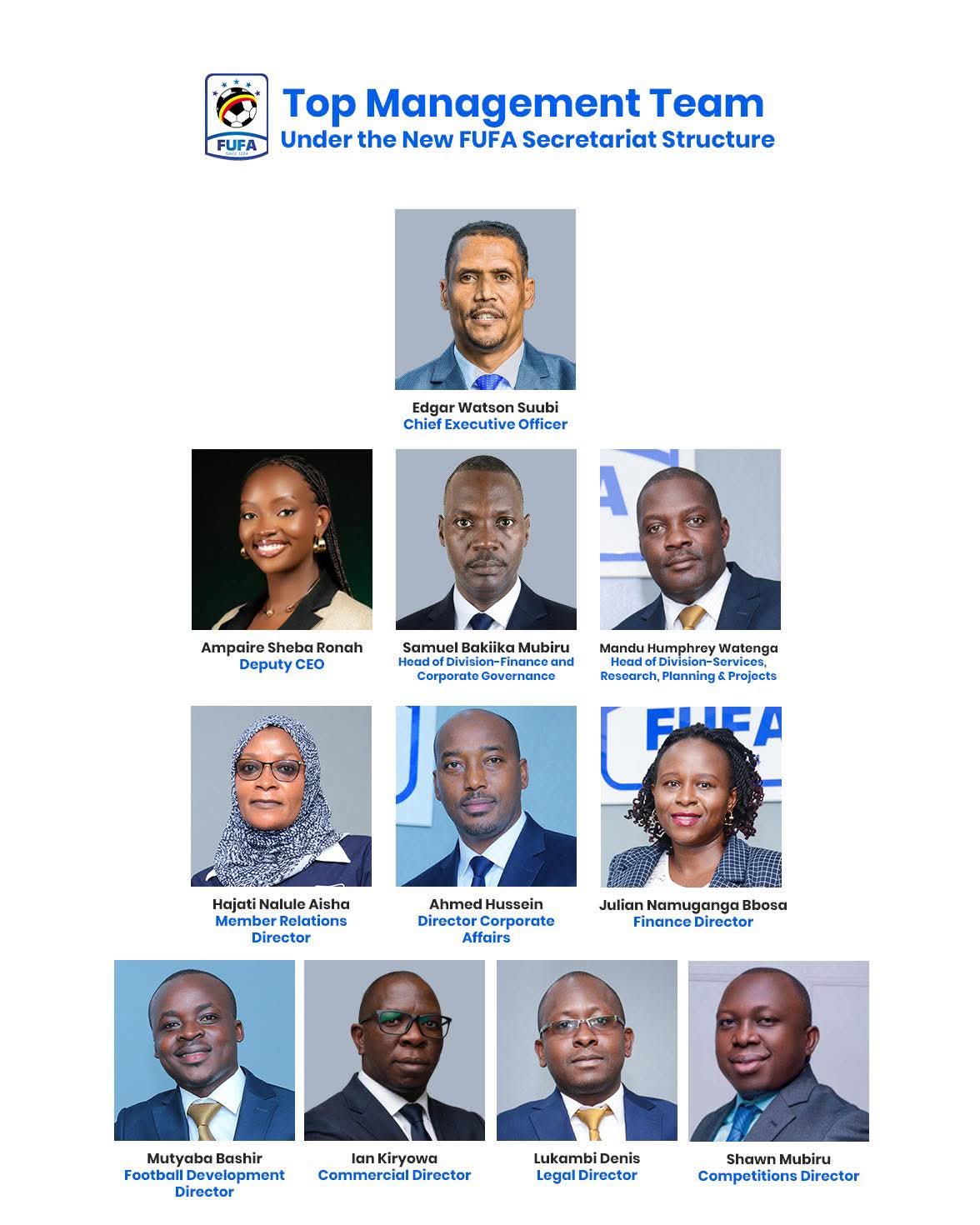
  • Meet Sheba Ampaire Ronah, the new FUFA Deputy Chief Executive Officer

    Meet Sheba Ampaire Ronah, the new FUFA Deputy Chief Executive Officer

    The Federation of Uganda Football Associations (FUFA) has appointed Sheba Ampaire Ronah as the Deputy Chief Executive Officer effective 1st April 2026, strengthening the federation’s top management structure as part of the ongoing institutional reforms.

    Sheba assumes the role with a strong background in legal practice and football administration, bringing a blend of regulatory expertise and strategic leadership to the FUFA Secretariat. Her appointment reinforces FUFA’s commitment to professional governance and efficient service delivery across all areas of the game.

    Sheba joined the institution in 2021 and served as Legal Officer, where she played a central role in strengthening judicial processes, ensuring compliance with statutory requirements and guiding the federation through the regulatory frameworks of global football bodies. Her work contributed significantly to enhancing integrity, consistency and accountability within FUFA’s operations.

    In her new position, Sheba will support the Chief Executive Officer in overseeing key administrative and operational functions, including member relations and organisational development. Her leadership is expected to further drive FUFA’s vision of transforming Ugandan football into a professionally managed and commercially sustainable sector.

    Sheba holds a Master of Business Administration, a Bachelor of Laws, and a Postgraduate Diploma in Legal Practice. She has also attained specialised qualifications in football administration, including the FIFA Professional Club Management Certification and the FAMACO 3 programme.

    Her experience, professionalism and forward-thinking approach will play a vital role in advancing the federation’s strategic objectives and elevating the overall standards of football management in the country.

    Do you have a story in your community or an opinion to share with us: Email us at Submit an Article

  • Investor Confidence High As ESI Assures Dependable Power

    Investor Confidence High As ESI Assures Dependable Power

    BY IBRAHIM KASITA

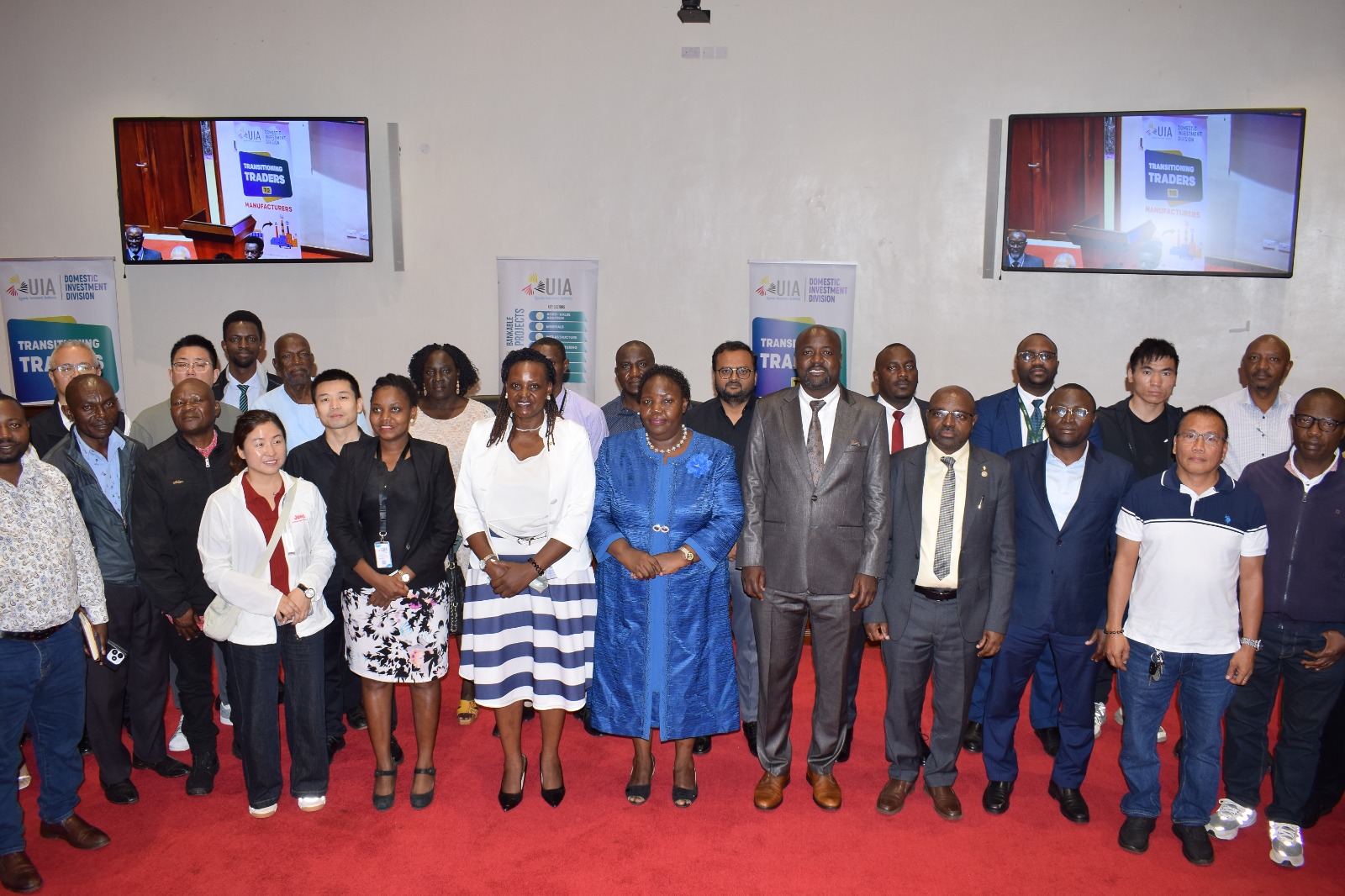
    KAMPALA – Uganda’s Electricity Supply Industry (ESI) has assured global investors of a reliable, stable, and growth-oriented power sector, positioning itself as a key driver of the country’s industrial transformation.

    During a high-level engagement held at the Uganda Investment Authority (UIA) One-Stop Centre, energy sector players and investors forged a strategic alliance aimed at strengthening confidence in Uganda’s electricity supply.

    The meeting, convened by the Uganda Investment Authority (UIA), brought together key institutions including the Ministry of Energy and Mineral Development (MEMD), Uganda Electricity Generation Company Limited (UEGCL), Uganda Electricity Transmission Company Limited (UETCL), and Uganda Electricity Distribution Company Limited (UEDCL).

    Together, they outlined a coordinated infrastructure roadmap designed to move Uganda beyond basic electricity access to ensuring consistent reliability for industrial users.

    Energy as the Engine of Growth

    Speaking at the meeting, Eng. Ziria Tibalwa Waako, Chief Executive Officer of the Electricity Regulatory Authority (ERA), underscored the central role of energy in Uganda’s economic agenda.

    “Energy is the heartbeat of our industrialisation drive. Manufacturers consume 70% of our total electricity demand, making them our most valued partners. Your success is our success,” she said.

    She reassured investors of ERA’s commitment to maintaining a predictable regulatory environment that safeguards investments while protecting consumers.

    Shift to Quality and Reliability

    Acknowledging past inefficiencies, Tibalwa emphasized that the sector is prioritising service quality and reliability.

    “We recognise that service delivery has not always met expectations. However, we are taking deliberate steps to improve. Our approach is anchored on continuous improvement,” she noted.

    She cited key milestones, including the operational stability of Namanve transmission substations and the successful integration of power from the Karuma Hydropower Plant into the national grid—moves aimed at meeting rising demand driven by initiatives such as the Parish Development Model (PDM) and Uganda’s Tenfold Growth Strategy.

    Predictability Key for Investors

    Mr. Peter Muramira, UIA Deputy Executive Director for Business Development Services, stressed that beyond affordability, investors prioritise stability and predictability.

    “Investors are looking for certainty. Ensuring that ‘Made in Uganda’ products remain competitive starts with affordable and reliable electricity,” Muramira said.

    He added that UIA stands ready to leverage its convening power to swiftly resolve any investment bottlenecks.

    Growing Investor Confidence

    Participants expressed satisfaction with the transparency demonstrated by sector leaders and the clarity of the government’s energy roadmap.

    The meeting concluded on a high note, with renewed investor confidence in Uganda’s ability to provide dependable electricity to power industrial growth.

    “The Ugandan energy sector has the will—and where there is will, there is a way. We are committed to powering your ambitions and Uganda’s future,” Tibalwa affirmed.

    Do you have a story in your community or an opinion to share with us: Email us at Submit an Article

About UGNEWS24

UGNEWS24 is a Uganda local news service, a product of SOLAVIA GROUP LIMITED, Reg. No. 80048169153974.

Registered office

Plot 2335, Buwambo-Katadde-Najjo Road,
Nansana Municipality, Wakiso District, Uganda
P.O. Box 214231, Kampala

© 2026 SOLAVIA GROUP LIMITED. All rights reserved.