Blog

  • How Well Does Uganda’s 5G Perform?

    Uganda joined the growing list of African countries using 5G in 2023, when major telecom operators began rolling out the technology in Kampala. Since then, the rollout has expanded to other cities and regions. The two dominant telecom companies, MTN Uganda and Airtel Uganda, have invested in new infrastructure to improve speeds and capacity.

    Early rollout and coverage

    Commercial 5G service in Uganda began in 2023 when both MTN and Airtel launched their first sites in Kampala. Initial deployments focused on the capital’s business districts and high-traffic neighborhoods.

    By late 2025, Airtel’s network had reached 365 active 5G sites across the country (per CIO Africa), extending to cities including Jinja, Mbale, Masaka, Mbarara, Gulu, and Fort Portal.

    Coverage is still concentrated in urban areas, though. Many rural regions depend on 4G networks, which remain the backbone of mobile internet in the country. Internet penetration itself is relatively low, reaching about 28% of the population in early 2025.

    Speed performance and network benchmarks

    Where 5G coverage exists, Uganda’s performance looks competitive within Africa. Data from Ookla Speedtest Intelligence shows that MTN Uganda achieved a median 5G download speed of about 235.22 Mbps, while Airtel Uganda recorded around 160.21 Mbps.

    Those figures place Uganda among the stronger performers in East Africa’s early 5G deployments. MTN’s faster median results suggest a denser or more optimized network in many locations.

    For everyday people, these speeds support high-definition streaming, cloud services, and online gaming. A mobile connection capable of over 200 Mbps can handle multiple connected devices, making it suitable for activities like streaming live sports or playing games on a mobile casino platform without noticeable lag.

    5G reduces latency compared with 4G, which improves video calls, multiplayer gaming, and other real-time services. Businesses that rely on cloud software and remote collaboration tools benefit.

    Still, those speeds only apply inside active 5G zones. Outside those areas, performance falls back to 4G levels.

    Real-world experience

    Actual user experience depends on several factors. Device compatibility is one. Many people still use smartphones that support only 4G networks. Upgrading to a 5G device remains a cost barrier for some users.

    A phone must be within a 5G coverage area to access the faster speeds. Even inside cities, coverage can vary between neighborhoods depending on how many towers there are.

    Telecom operators have also started offering fixed wireless solutions that use 5G routers for home broadband (Airtel’s 5G home broadband can connect up to 64 devices, for example). These packages provide internet speeds comparable to entry-level fiber connections in some areas. This helps households and small businesses access faster internet without waiting for fiber infrastructure to reach their location.

    Performance consistency is a challenge when many people connect to the same cell tower. As more devices move onto the network, operators will need to keep expanding capacity to maintain high speeds.

    Infrastructure and collaboration

    Building a 5G network requires significant investment: towers, fiber backhaul, spectrum licenses, and energy costs.

    Operators have explored collaboration to manage those costs. Last year, MTN and Airtel agreed to share parts of their telecom infrastructure in Uganda and other African markets. The goal is to reduce duplication of expensive network assets and extend coverage more efficiently.

    Infrastructure sharing can speed up expansion, especially in areas where building separate networks for each operator may not be economically viable. It can also improve overall coverage by allowing both companies to use shared towers and fiber connections.

    Potential

    Speed tests show that Uganda’s infrastructure can deliver high download rates and low latency where coverage exists. The bigger challenge lies in scale. Limited coverage, device costs, and relatively low internet penetration mean the technology has not yet reached most of the population.

    That situation is typical for early-stage 5G markets. Networks usually start in busy urban areas before expanding outward. Over the next few years, further tower deployments, spectrum use, and infrastructure sharing could extend coverage to more towns and suburbs.

  • The Copyright Law meltdown – Sqoop

    The Copyright Law meltdown – Sqoop

    So, Kenzo thought he was out here solving the country’s copyright problems, he steps up to the mic, all confident, and drops this bomb about “neighbouring rights.” Only, his version of neighbouring rights had nothing to do with the SADC trade agreement, and everything to do with royalties from our neighbors Kenya, Tanzania, you know, the whole East African squad. Kenzo thought “neighbouring rights” was a trade deal between countries. Talk about thinking you are fixing things when you are actually making them worse. Classic Kenzo, though. After backpedaling and issuing a public apology, the damage was done. Bro had tried to take credit for copyright without even bothering to consult the experts who had done the heavy lifting. The irony is same guy who lobbied for the bill was now trending for getting copyright all wrong. This is peak Kenzo, people.

    As the dust settled, Ugandans quickly realized that this law, which was supposed to be a victory, had more holes than a sieve. TV host Douglas Lwanga posted a thread on X, highlighting MPs’ concerns. One MP asked why radio stations should pay royalties when they were already “promoting” Ugandan music. Another threw shade at artists paying DJs for airplay. The panic spread like wildfire: What happens when the radio stations, tired of the extra paperwork and fees, stop playing Ugandan music altogether? And just like that, the dream of an artist-friendly law turned into a nightmare for up-and-coming musicians who hadn’t made it big yet. If you weren’t already a superstar, this bill was not about to make you one. Even the artists who backed the bill started to second-guess themselves. One viral post summed it up: Uganda musicians have scammed themselves in Parliament. The law looked great on paper, but the practicalities? Well, not so much. Bars and clubs were already plotting to ditch local music or pass the costs to customers.

    And then, of course, enter the lawyers. The ones who actually read the fine print. Katabaazi Patrick, the lawyer and economist, gave the most balanced take: “The Copyright and Neighbouring Rights Bill is good for independent musicians and producers, but I’m worried about what happens next.” His fear? Uganda’s licensing agencies are still babies, and if they don’t offer affordable options for grassroots performers, this law could end up choking them instead of freeing them. Meanwhile, Silver Kayondo, the corporate lawyer, strolls into a discussion and casually drops, “I’m happy with my clients, like Spotify and Netflix…” And just like that, Uganda’s X erupted. “Netflix English” became the latest badge of honor half PhD, half vibes. The roast was on, with everyone reminding him that representing global giants is cool, but on Ugandan X, humility comes with a price. Kayondo tried to recover with a demand and supply defense, but by then, the roast had reached full flavor. Uganda wasn’t mad he has big clients, they were mad he sounded like he had invoice you for speaking Luganda.

    Don’t want to miss out on any story? For updates on all Sqoop stories, follow this link on Telegram: https://t.me/Sqoop and Whatsapp: https://whatsapp.com/channel

  • My mansion has an indoor swimming pool- King Saha

    My mansion has an indoor swimming pool- King Saha

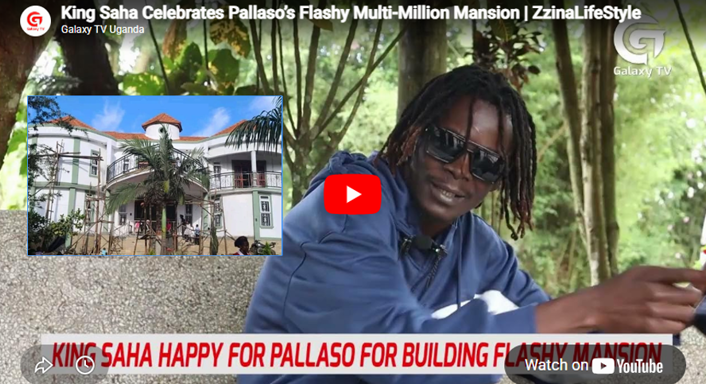
    In a world where lyrics often paint pictures of success, King Saha has decided to turn those pictures into brick, mortar, and a touch of luxury.

    The “P2 ” hit star is not just singing about elevation anymore but he’s living it. In a recent television interview, Saha pulled back the curtain on his newly built mansion in Nakawuka, and let’s just say… it’s giving “dreams upgraded to deluxe.”

    “I just dreamt of something like this,” he said, with the calm satisfaction of a man who has clearly outworked his own imagination. “Now I can finally call it home.”

    And what a home it is.

    This isn’t your average celebrity crib with a flashy gate and a few fancy chairs. Saha’s mansion reads like a wishlist that refused to take “maybe someday” for an answer. We’re talking an indoor swimming pool (yes, indoor-rain has officially been canceled), sprawling gardens for those reflective walks, a playground that hints at family-first priorities, and even office spaces because apparently, success doesn’t take a day off.

    https://www.youtube.com/watch?v=K2K1P6CnUdI

    But behind the polished floors and architectural flex lies a deeper story, one of inspiration and vision. Saha credits his drive to build such a palatial home to none other than Bobi Wine, a figure he has long admired. It’s a reminder that sometimes, greatness doesn’t just inspire songs, it inspires blueprints.

    Fans across Uganda have responded with admiration, and honestly, who can blame them? In an industry where consistency can be as elusive as a hit song’s lifespan, King Saha has managed to stay relevant, resilient, and now, remarkably well-housed.

    His mansion isn’t just a show of wealth but rather a statement. A symbol of years spent perfecting craft, navigating an ever-changing music scene, and refusing to settle for less than extraordinary.

    From studio sessions to swimming pools, from lyrics to luxury, King Saha’s journey proves one thing: when talent meets persistence, even dreams learn to upgrade their address.

  • OPINION: This Is Why The Ruparelia Foundation & Partners Are Investing in the Bukedea Eye Camp

    This weekend, from 27th to 29th March 2026, the Ruparelia Foundation will bring life-changing eye care to Bukedea, reaching over 2,000 Ugandans with free screenings, surgeries, and spectacles in a bold response to the country’s growing burden of preventable blindness.

    In this thought leadership piece, Dr. Sudhir Ruparelia (Founder), Ms. Jyotsna Ruparelia (Co-founder), Ms. Sheena Ruparelia, Ms. Meera Ruparelia, and Ms.

    Naiya Ruparelia (Trustees) explain why this intervention matters—not only as part of their long-standing commitment to eye health, but as a deeply personal initiative carried out in honour of the late Rajiv Ruparelia, whose belief in service continues to shape the Foundation’s work today.

    By the Board of Trustees, Ruparelia Foundation

    Uganda is facing a silent but deeply consequential public health crisis—one that too often goes unnoticed until it is too late. It is the crisis of preventable blindness and poor eye health. Today, an estimated 2.5 million Ugandans live with moderate to severe visual impairment, while over 150,000 are completely blind, much of it from conditions that are treatable or preventable. Across our country, thousands of children struggle to learn because they cannot see clearly, parents lose their livelihoods because their vision has deteriorated, and elderly citizens who should be living with dignity instead retreat into isolation due to avoidable blindness.

    It is against this backdrop that the Ruparelia Foundation has chosen to invest in the RR Eye Camp Bukedea, taking place this weekend from Friday, 27th to Sunday, 29th March 2026 at Bukedea Teaching Hospital.

    This initiative is not simply a medical outreach. It is a deliberate response to a national challenge, a continuation of a long-standing commitment to eye care, and, most importantly, a deeply personal tribute to the life and values of Rajiv Ruparelia.

    This initiative would not be possible without the strength of partnerships that have brought together public leadership, medical expertise, and private sector support around a shared cause. We are deeply grateful to Rt. Hon. Anita Annet Among, Speaker of Parliament, whose leadership, encouragement, and commitment to Bukedea have been instrumental in making this eye camp possible, and to Bukedea Teaching Hospital for providing the on-ground platform through which these services will reach the people who need them most.

    We also extend our sincere appreciation to our core medical partners, including Mulago Hospital and C-Care, as well as to the many corporate and institutional partners who have rallied behind this effort: Joban Group, Royal Pharma 2011 Ltd, SINO–Uganda Mbale Industrial Park, Pepsi, Krisha International Ltd,  Rotary Club of Nsangi and Rotary Club of Mbale, Win World Impex Ltd, Dembe, Gittoes Pharmaceuticals Ltd, Goldstar Insurance, Victoria University,  Lato, Swastik Pharmaceuticals, Abacus, Kabira Country Club, Sanyu FM, the Indian Association, Rene Industries Ltd, and Midas Floors.

    Their support demonstrates the power of collaboration in confronting a national health challenge and is helping make it possible for more than 2,000 Ugandans to receive free screenings, for about 300 patients to undergo surgery, and for hundreds more to receive spectacles and preventive care this weekend in Bukedea.

    A National Crisis Hidden in Plain Sight

    Eye health in Uganda remains one of the most under-addressed healthcare challenges, despite its far-reaching consequences. Cataracts alone account for over 57% of blindness cases, while conditions such as glaucoma and uncorrected refractive errors continue to affect millions. Yet Uganda has only about 40–60 ophthalmologists serving a population of over 45 million people, with a significant concentration in urban centres like Kampala.

    The consequences of this imbalance are profound. A single cataract surgery can cost as much as UGX 5 million per eye, while a pair of spectacles can cost up to UGX 1 million—costs that are simply out of reach for most Ugandan households. As a result, many patients delay treatment until their condition becomes irreversible.

    The impact extends far beyond health. When a parent loses their vision, a family loses its income. When a child cannot see the blackboard, their education suffers. When an elderly person becomes blind, their independence disappears. Eye health, therefore, is not merely a medical issue; it is an economic, educational, and social challenge that affects the very fabric of our society.

    Why Bukedea—and Why Now?

    Our decision to focus on Bukedea and the wider Teso sub-region is driven by both urgency and unmet need. Many communities here face significant barriers to specialised eye care, with patients unable to afford transport to referral hospitals and others delaying treatment until their conditions become irreversible. The RR Eye Camp is designed to close this gap by bringing services directly to the people. Over three days, the initiative will screen more than 2,000 patients, perform approximately 300 surgeries—including around 50 for children—and distribute over 800 reading glasses alongside hundreds of prescription spectacles.

    This eye camp and every eye camp organised by the Ruparelia Foundation is not just about screening. In Uganda, more than 50% of camps are screening only camps and focus on identifying problems. But we believe that finding the problem is only half the job, the real impact comes from solving it. That is why we have teamed up with a medical team of over 25 Ugandan doctors and nurses enabling us to carry out as many sight-restoring surgeries as possible — so that patients don’t just leave with a diagnosis, but with their lives truly changed.

    What makes this Camp even more special is that we have introduced pediatric eye care. In true Rajiv’s spirit, where doing the norm is not enough, we have gone a step further. Not only are we providing prescription glasses for children, but we are also performing surgical procedures for them — something very few camps in Uganda can offer.

    We chose Bukedea not only because of the facilities that make this possible, but because of the urgent need. A recent screening camp identified over 200 individuals requiring cataract surgery — people who have been living with a treatable condition, yet without access to the care they need. Just imagine being told that your sight can be restored… but knowing that the cost of treatment is completely out of reach. The loss of sight is devastating. But the knowledge that it could be treated — and still isn’t — is even more heartbreaking.

    This intervention is especially critical for children, among whom vision problems are rising sharply. In some areas, up to 60% are affected by refractive errors, yet many remain undiagnosed. Without timely treatment, these conditions can permanently affect learning and development. As Jyotsna Ruparelia noted, restoring a child’s sight opens the door to education, confidence, and future opportunity.

    At the same time, the camp addresses the needs of the elderly and vulnerable, many of whom suffer from treatable conditions like cataracts but cannot afford care. By delivering free, on-site treatment, the initiative restores not only sight, but dignity, independence, and hope.

    Why This Eye Camp Is Special: Turning Loss into Legacy

    The RR Eye Camp Bukedea is deeply personal to us. It is being held in memory of Rajiv Ruparelia—our son, our brother, and a young leader whose life was defined by compassion, generosity, and an unwavering belief in giving back.

    As one of our co-founders, Jyotsna shared during the launch, Rajiv believed deeply in helping others and uplifting communities; his instinct to give was natural, and his commitment to service was genuine. What makes this initiative even more meaningful is that it reflects something he had personally envisioned. In her words, Rajiv had once said, “Just fix the date for the eye camp, and I’ll do the rest.” Those words continue to guide us.

    This eye camp is therefore not simply being held in his memory—it is a continuation of what he would have done himself. While his loss remains deeply felt, what gives us strength is the opportunity to carry forward his vision. Rajiv believed that true success is measured by the impact one has on others, and through this initiative, we are transforming loss into lasting purpose by restoring sight, dignity, and hope.

    A Continuing Commitment to Eye Care and Collective Impact

    This is not the first time the Ruparelia Foundation has invested in eye care. Since 2012, we have supported multiple eye camps across Uganda, reaching thousands of beneficiaries and witnessing firsthand how restoring sight can transform livelihoods, education, and dignity. Yet the Bukedea Eye Camp carries deeper significance—it is both a continuation of this journey and a call to do more.

    We recognise that addressing Uganda’s eye health crisis cannot be achieved by one institution alone. It requires sustained collaboration between government, the private sector, healthcare professionals, and communities to expand access, build capacity, and promote awareness.

    At its core, this initiative is about more than medical care. It is about restoring the ability to see, to work, to learn, and to live with dignity. Through Bukedea, we aim to restore not only sight, but hope—while honouring Rajiv Ruparelia’s legacy by ensuring no Ugandan lives in preventable darkness.

    This opinion is authored by the Board of Trustees of the Ruparelia Foundation: Dr. Sudhir Ruparelia (Founder), Ms. Jyotsna Ruparelia (Co-founder), Ms. Sheena Ruparelia (Trustee), Ms. Meera Ruparelia (Trustee), and Ms. Naiya Ruparelia (Trustee). 

  • Douglas Lwanga Calls Out Businesses Over AI Designs

    Douglas Lwanga Calls Out Businesses Over AI Designs

    Media personality Douglas Lwanga has weighed in on the growing use of artificial intelligence (AI) in design, urging business owners to continue supporting professional graphic designers.

    In a message shared on his social media platforms, Lwanga acknowledged the role AI tools are playing but warned against replacing human creatives entirely.

    He stressed the need to support Uganda’s skilled graphic artistes, especially as more businesses turn to quick digital solutions.

    Dear biz owners plz Limit using Ai flyers to advertise your business. While Artificial intelligence tools are helpful in design, do not replace your graphics designer yet.

    Lwanga also took aim at the quality of some AI-generated promotional materials, saying many fall short of professional standards.

    The flyers we see online neda neda. Uganda has skilled GFX artists give them work. Let us be guided and end shortcuts.

    His comments add to the ongoing debate around AI and creative jobs, as more voices call for a balance between technology and human talent.

  • Afro Exchange Takeover Unveils Electrifying DJ Line-Up Ahead of April 12 Cultural Showcase

    Afro Exchange Takeover Unveils Electrifying DJ Line-Up Ahead of April 12 Cultural Showcase

    Excitement is building ahead of the Johnnie Walker Afro Exchange Takeover, with organisers unveiling a powerful DJ line-up that promises to turn Silo 15 into the beating heart of African sound and culture on April 12. The highly anticipated event will bring together some of Kampala’s most exciting DJs to soundtrack a night that blends Afrobeats, Amapiano and Afrohouse into an unforgettable celebration of African creativity.

    Leading the decks is Selector Jay, one of Uganda’s most respected DJs and producers, whose electrifying sets and deep understanding of African rhythms have made him a staple of East Africa’s nightlife scene. He will be joined by DJ Vans, widely known for his infectious energy and ability to read a crowd, delivering seamless sets that keep dance floors alive deep into the night.

    Adding fresh energy to the line-up are Lynda Dane and DJ Kas Baby, two rising cultural voices who represent the new wave of Uganda’s creative scene. Lynda Dane, a media personality, DJ and digital influencer, has quickly built a reputation for shaping conversations across nightlife and pop culture, while DJ Kas Baby is celebrated for his versatile sound and magnetic stage presence that effortlessly moves between genres.

    Completing the stellar line-up are Melvin DJ and DJ Matson, rounding out a roster that reflects the diversity, evolution and global ambition of Uganda’s music culture. Together, the DJs will take revellers on a sonic journey across the continent’s most influential sounds, from the pulsating grooves of Amapiano to the irresistible rhythms of Afrobeats and Afrohouse.

    The DJ showcase forms the musical heartbeat of the Afro Exchange Takeover, a bold cultural experience unfolding under the theme “A Tale of Two Cities,” which will fuse the creative energy of Kampala and Johannesburg in one immersive night. Beyond the music, the takeover will feature fashion, art installations and digital storytelling, creating a multi-sensory celebration of African creativity.

    According to Christine Kyokunda, Brand Manager for Johnnie Walker East Africa, the line-up reflects the spirit of the Afro Exchange platform.

    “This line-up represents the incredible creative energy shaping Uganda’s cultural scene today. Each of these DJs brings a unique sound and perspective, and together they will create an Afro Exchange experience that celebrates connection, collaboration and the bold creativity driving Africa forward.”

    Part of the wider Johnnie Walker Afro Exchange platform, the takeover is designed to connect creatives across music, fashion, art and digital culture, creating a space where ideas, talent and collaborations can flourish across borders. Having already brought together creative communities in cities like Lagos and Johannesburg, the movement now arrives in Kampala for the first time, positioning the city as a key hub in Africa’s fast-rising creative economy.

    With a high-energy DJ line-up, cross-cultural collaborations and immersive creative experiences, the Afro Exchange Takeover on April 12 is shaping up to be one of Kampala’s most exciting cultural moments of the year.

    Tickets to the event are going for 100k for a single pass, 200k for a squad of three, and 1M for a squad of 8. Tickets are available on www.quicket.com 

  • Azawi Lists Industry Allies, Says Bebe Cool Is the Most Supportive

    Azawi Lists Industry Allies, Says Bebe Cool Is the Most Supportive

    Azawi has named the musicians she keeps closest in the industry, and some stand out more than others.

    The Swangz Avenue artiste opened up about her inner circle, pointing to Fik Fameica, Elijah Kitaka, Vinka, Eddy Kenzo, and Bebe Cool as the people she leans on in her career.

    Among them, Eddy Kenzo holds a special place.

    She revealed he often comes through for her when things get tough, despite their playful exchanges online.

    Kenzo is someone who bails me out whenever I get stuck. The banter you see online is just for social media, but he is a good man.

    Beyond that, Azawi singled out Bebe Cool as the most supportive in her circle.

    Among all of them, Bebe Cool comes number one. He is the most supportive of them all.

    While she acknowledged her friendship with labelmate Winnie Nwagi, she made it clear it does not run as deep as the others she mentioned.

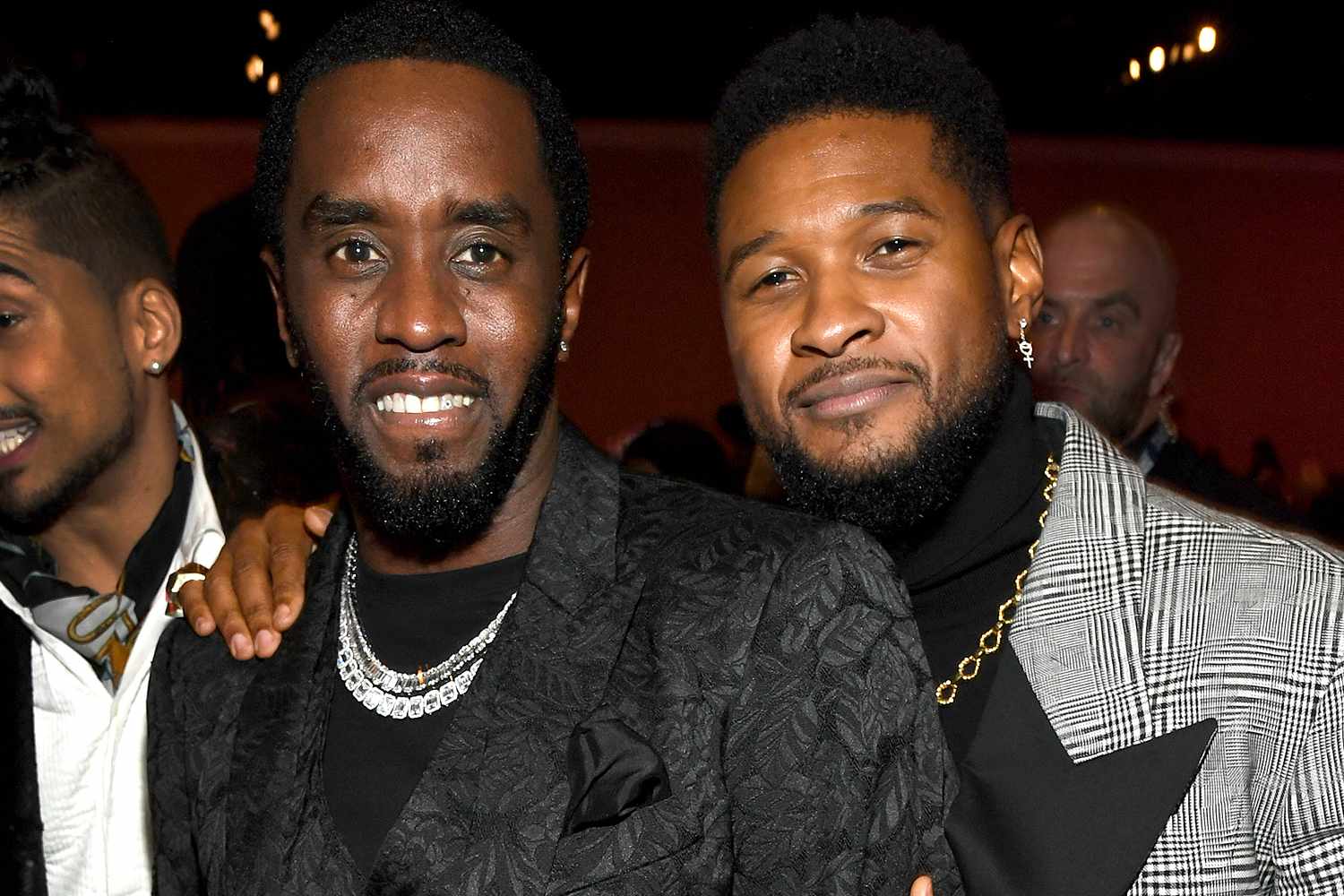
  • Usher Defends Diddy, Says He Has Nothing Negative to Say

    Usher Defends Diddy, Says He Has Nothing Negative to Say

    Usher has sparked fresh debate after speaking about his former mentor, Sean “Diddy” Combs.

    In a recent interview, the singer made it clear that he has nothing negative to say about Diddy, choosing instead to highlight his impact on his life and career.

    He described the music mogul’s influence in one word, legacy.

    Usher spent part of his teenage years under Diddy’s guidance in the 1990s, a period he says helped shape his understanding of the industry and set him on a global path.

    His comments come as Diddy faces serious legal challenges that have drawn widespread attention and divided public opinion.

    While some fans support Usher’s stance, others feel his remarks overlook the seriousness of the ongoing cases and allegations.

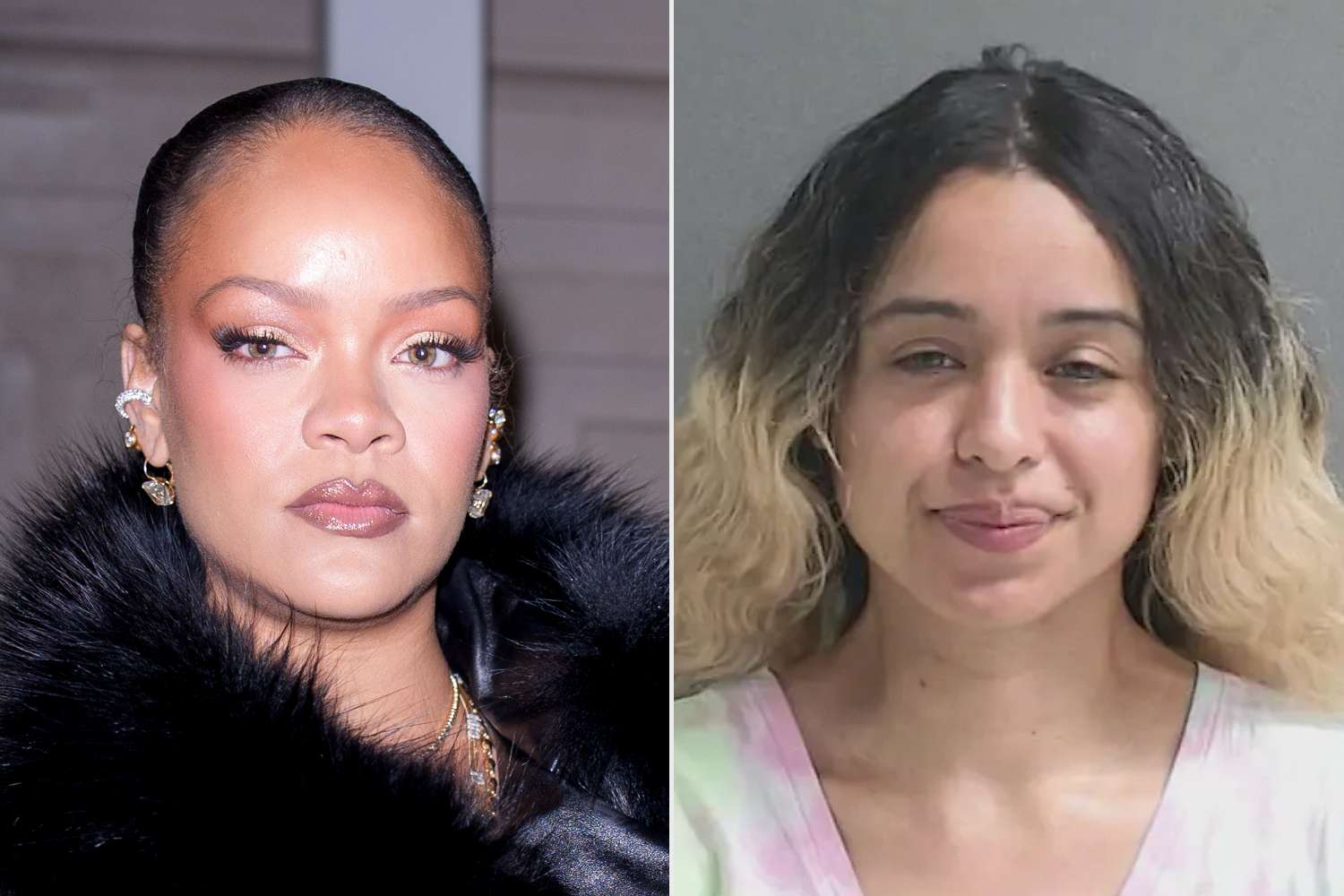
  • Woman Pleads Not Guilty in Shooting at Rihanna’s Home

    Woman Pleads Not Guilty in Shooting at Rihanna’s Home

    A 35-year-old woman from Florida has pleaded not guilty after a shooting at the Los Angeles home of Rihanna.

    Ivanna Lisette Ortiz faces attempted murder and several other charges linked to the March 8 incident.

    Prosecutors say she fired about 20 rounds at the property and targeted Rihanna, her partner A$AP Rocky, their children, and others inside. No one suffered injuries.

    Ortiz entered her plea through her lawyer at Los Angeles County Superior Court.

    She remains in custody, with the court setting bail at $1.875 million, and she will return on April 8 for a preliminary hearing.

    Alongside attempted murder, prosecutors have filed ten felony counts of assault with a semiautomatic firearm and three counts tied to shooting at an occupied residence.

  • Speke Resort and Commonwealth Resort Munyonyo unveils Easter Sunday packages with $139 full-board stay, brunch and family activities

    Speke Resort and Commonwealth Resort Munyonyo, Uganda’s largest and most luxurious resort, has announced an exclusive Easter Sunday special (April 5, 2026), with offers on accommodation and entertainment across its different facilities.

    The special Easter Sunday accommodation rate will see families, couples, friends and individuals seeking to elevate their Easter experience enjoy Deluxe rooms at $139 (about Shs 516,000).

    The rate is inclusive of taxes and is on a full-board basis—meaning it comes with breakfast, lunch and dinner. The packages will also afford occupants access to the Easter Sunday brunch, as well as the swimming pool, gym, steam and sauna.

    Away from the accommodation offers, the five-star resort has also announced special Easter Sunday packages at its other facilities, including Pool Pavilion Restaurant, Nyanja/Lake Terrace, Lake Grill and the Vikings Bar.

    Pool Pavilion Restaurant will host the Bubbly Brunch from midday to 4 pm, and it will include a live band performance, Easter egg hunt, kids’ activities, visits to the petting zoo, a meet-and-greet with the Easter Bunny, and a DJ playing live. All this is priced at Shs 200,000 for adults and Shs 100,000 per child.

    The Nyanja/Lake Terrace will host a kids’ movie night, visits to the petting zoo, a bonfire and acrobatic performances between 1 pm and 4 pm.

    At just Shs 5,000 per head, guests will be able to enjoy a kids’ carnival, acrobats, a live DJ performance and visits to the petting zoo at the Lake Grill.

    At the Vikings Bar, it will be a cocktail happy hour affair, featuring a range of professionally crafted cocktails by some of Kampala’s celebrated mixologists.

    For reservations or inquiries, you can contact the resort management on +256 752 711714 or +256 414 22711. You can also email reservations@spekeresort.com

About UGNEWS24

UGNEWS24 is a Uganda local news service, a product of SOLAVIA GROUP LIMITED, Reg. No. 80048169153974.

Registered office

Plot 2335, Buwambo-Katadde-Najjo Road,
Nansana Municipality, Wakiso District, Uganda
P.O. Box 214231, Kampala

© 2026 SOLAVIA GROUP LIMITED. All rights reserved.