Blog

  • MIDDLE EAST WAR! Secrets why Iran fired most of its missiles at the UAE

    MIDDLE EAST WAR! Secrets why Iran fired most of its missiles at the UAE

    BY NADIM KOTEICH

    The missiles and drones didn’t aim at the sand in the United Arab Emirates.

    Had it not been for a 100% interception rate on ballistic missiles and 93% on drones, the story this week would have been written in rubble.

    When Iran’s dying regime dispatched 165 ballistic missiles, two cruise missiles, and 541 drones toward a single country in the days following the killing of Ali Khamenei, the distribution of fire told a story that pure military logic cannot explain. Nearly 65% of Iran’s total munitions expenditure in this campaign was absorbed by one target: the UAE.

    This isn’t about Al Dhafra Air Base, proximity, or global economic blackmail. It isn’t only about punishing a signatory to the Abraham Accords. Those are real factors, but they are downstream of something more fundamental. Iran attacked the UAE because the UAE is the argument Tehran cannot win.

    This small Arab Gulf country represents the most operationally successful refutation of political Islam’s central claim: that the path to dignity, power, and Arab identity runs through revolutionary resistance, divine mandate, and permanent conflict with the West.

    Abu Dhabi didn’t just reject that narrative. It built a civilization-scale counterexample. Through the Abraham Accords, the UAE chose normalization with Israel — positioning itself as an Arab state that moved toward integration, not perpetual grievance. The result is the most connected, prosperous, and diplomatically agile state in the Arab world. That is an existential ideological threat to any regime whose legitimacy rests on the promise that resistance, not engagement, is the only honorable path.

    Notice what Tehran targeted in its symbolic geography: not military outposts in the desert, but landmarks. The Burj Al Arab, an icon of Emirati ambition exported to every phone screen on earth. Jebel Ali, the commercial artery of a state serving a hinterland of three billion people and ten trillion dollars of economic output within a 3,500-kilometer radius, is the beating commercial heart of the global south.

    International airports are the infrastructure of a model built on connectivity rather than exclusion. This was not strategic targeting. This was an attempt at iconoclasm.

    The ideological war had already begun before the first missile was launched. Just weeks prior, a strategic influence campaign was branding Abu Dhabi as an “Israeli Trojan horse,” calling it a “betrayal of God, His Messenger, and the nation.” Iran’s drones and missiles and Gulf and Arab Islamist rhetoric were, however, unwittingly running the same operation: to delegitimize the UAE model, to prove that tolerance, moderation, and integration lead not to prosperity and protection, but to target acquisition.

    It is telling that Muslim Brotherhood representatives across Sudan, Yemen, and even Oman rushed to declare solidarity with Iran against the American and Israeli strikes, while maintaining complete silence on Iranian missiles raining down on Arab capitals.

    They did not fail to notice. They chose not to. The Brotherhood and Tehran were, as always, running the same operation, the same one that branded Abu Dhabi a traitor and Dubai a target. The missiles and the rhetoric share the same return address.

    Tahran wanted to undermine the UAE model

    Tehran wanted the UAE model, including the Abraham Accords, to become a liability. It wanted every future Arab leader contemplating engagement with Israel to see Emirati cities’ skyline burning and draw the obvious conclusion: don’t.

    The deeper question this moment forces is not whether the UAE will survive, because it will, but whether the New Middle East it embodies will expand or retrench.

    The Abraham Accords are already moving toward Syria, Lebanon, and Saudi Arabia.

    Syria and Israel have already established a joint intelligence-sharing and military de-escalation cell under US supervision, the first structured security framework between two former enemies since 1974, and a direct architectural beam of the New Middle East that Iran is trying to demolish. Meanwhile, Lebanon’s President Joseph Aoun started discussions to join IMEC, the India-to-Europe trade corridor, a move that triggered immediate accusations of indirect normalization with Israel. Beirut, long paralyzed by Hezbollah’s veto over its future, is now choosing connectivity over resistance.

    Saudi Arabia’s retreat from normalization is tactical, not terminal, as MBS is not rejecting the deal as much as he is pricing it. Riyadh doesn’t lack the strategic acumen to note that with Iran now degraded and the Axis of Resistance destroyed, the strategic cost of staying outside the New Middle East just rose dramatically. Many of the most serious and legitimate strategic burdens that made Riyadh’s caution genuinely reasonable have been buried alongside Khamenei.

    Iran understood, correctly, that the normalization architecture represented a structural reordering of the region’s ideological market, one in which the “resistance” brand loses its monopoly on Arab and Muslim identity.

    Every missile fired at Dubai is a confession. It is the admission that the regime that claimed to speak for the oppressed, the faithful, and the Arab and Islamic nations could not compete with what the UAE built, not in governance, not in economics, not in the imagination of the next generation across the Arab world.

    So it reached for the one argument it had left: destruction.

    A wounded animal still bites. But a wounded animal bites because it can no longer threaten. The Islamic Republic launched this campaign from a position of structural collapse. Its nuclear infrastructure degraded, its economy hollowed out, its supreme leader killed, its proxies scattered from Beirut to Damascus to Sanaa.

    The ghosts of the old Middle East are departing, one funeral at a time.

    The writer is a senior Emirati journalist and policy advisor.


    The views expressed here belong to the author and do not necessarily reflect the editorial policy of
    the Red Pepper. Send your opinion, complaint, feedback, and letter (1000 words maximum)
    to redpeppertips@gmail.com . Anonymous writers must indicate
    the reason.

    About Post Author

  • Rwanda’s Element Eleeh set to headline up star-studded Comedy Store Eid show – Sqoop

    Rwanda’s Element Eleeh set to headline up star-studded Comedy Store Eid show – Sqoop

    Rwandan music sensation Element Eleeh will headline the Comedy Store’s special Eid Day edition this March 2026, leading a star-studded lineup set to light up Kampala as Muslims celebrate the end of the holy fasting month of Ramadan.

    The celebrated producer and performer will share the stage with some of Uganda’s biggest music stars including Sheebah Karungi, Rema Namakula, King Saha, Hajji Haruna Mubiru, Maddox Ssematimba, Mesach Semakula, Laika Music, Kapeke, Myco Puma and the Amatali groups, promising an electrifying night of music and celebration.

    The night will also feature some of the finest talents from the comedy industry including Madrat & Chiko, MC Mariachi, Amooti Omubalanguzi, Maulana and Reign, Sammie and Shawa, Raj Kabeja, Merry Heart Comedians, Shequin & Eva, Bobi Brown and Nilo Nilo, and the Bizonto, alongside other surprise acts lined up to keep the audience laughing throughout the evening.

    With gates opening at 6PM, the Comedy Store show hosted by Alex Muhangi and Daniel Kalela is expected to attract a large turnout as Kampala revellers gather for a special Eid Day celebration filled with comedy, music and star power.

    Don’t want to miss out on any story? For updates on all Sqoop stories, follow this link on Telegram: https://t.me/Sqoop and Whatsapp: https://whatsapp.com/channel


  • The Rising Voice Bridging R&B Soul and Global Sound

    The Rising Voice Bridging R&B Soul and Global Sound

    Parvin Ahumuza is a Ugandan–Canadian rising artist, whose passion for the arts emerged at an early age. Over the years, she has diligently refined her craft, channeling her natural talent into a sound that is both authentic, and evolving.

    In 2020, she released her debut R&B single, “I’m Here,” a compelling introduction that resonated with listeners, and established her as not only a captivating vocalist, but also a gifted songwriter, and co-producer. She followed this impressive debut with “Private Party,” an R&B track infused with the sensuality and sincerity reminiscent of the late ’90s nostalgia.

    Now, Parvin is embracing her roots, and unveiling a new dimension of her artistry with her latest release, “Especially,”featuring fellow Ugandan artist Nutty Neithan. This unexpected collaboration has proven to be a dynamic fusion of styles, blending Ugandan influences, with vibrant reggaeton rhythms to create a sound that is energetic, distinctive, and irresistibly captivating.

    Layered, innovative, and unapologetically creative, Parvin Ahumuza continues to push artistic boundaries. With each release, she reaffirms her commitment to sharing her passion, and multifaceted talent with the world.

  • Lil Pazo opens up about fallout with Gravity over political campaign

    Lil Pazo opens up about fallout with Gravity over political campaign

    Musician Lil Pazo has opened up about his strained relationship with Gravity Omutujju, revealing how their disagreement started during political campaign activities in Pallisa.

    Speaking in a recent TikTok Live, Pazo explained that the misunderstanding happened during the National Resistance Movement (NRM) campaign period when they were both involved in mobilization activities.

    According to Pazo, the conflict began after Gravity discovered that he had received Shs35 million from Bebe Cool. Despite the tension that followed, Pazo said he still appreciates Bebe Cool and believes disagreements among musicians are often temporary.

    He further revealed that rumors were circulating at the time suggesting that artists were not supposed to associate with individuals from Eddy Kenzo’s camp due to the ongoing rivalry between Kenzo and Bebe Cool.

    Pazo recounted that Gravity, who had been brought to the campaign activities by Bebe Cool, advised him that they needed to align themselves with Bebe Cool’s side and avoid associating with Kenzo.

    However, while they were in Pallisa, Pazo briefly left to check on his wife, Maama Farid, who had just given birth and was admitted at Kampala Hospital. When he later returned, he came across a video showing Gravity together with Eddy Kenzo, something that left him puzzled.

    Gravity told me we weren’t allowed to associate with Kenzo, but when I came back I saw a video of him with Kenzo.

    The revelation left him confused and frustrated, eventually triggering the fallout between the two musicians.

    Pazo admitted that instead of confronting Gravity directly, he chose another route. He began attacking people in Gravity’s circle, directing insults at them, knowing they would report back to the rapper.

    When Gravity heard about it, he blocked me on TikTok. I also blocked him back and accepted that if we had to beef, then so be it.

    The singer added that their rivalry even extended to personal achievements after the campaign period. He revealed that when Gravity purchased a new car, he also decided to buy himself a Toyota Noah.

    The post Lil Pazo opens up about fallout with Gravity over political campaign appeared first on MBU.

  • Minister Nabakooba Raises Concern Over Church Land Registration Challenges as Uganda Marks Women’s World Day of Prayer

    Minister Nabakooba Raises Concern Over Church Land Registration Challenges as Uganda Marks Women’s World Day of Prayer

    The Minister for Lands, Housing and Urban Development, Judith Nabakooba, has highlighted persistent challenges surrounding land registration among religious institutions, warning that many churches across Uganda remain vulnerable to land disputes and encroachment due to a lack of proper documentation.

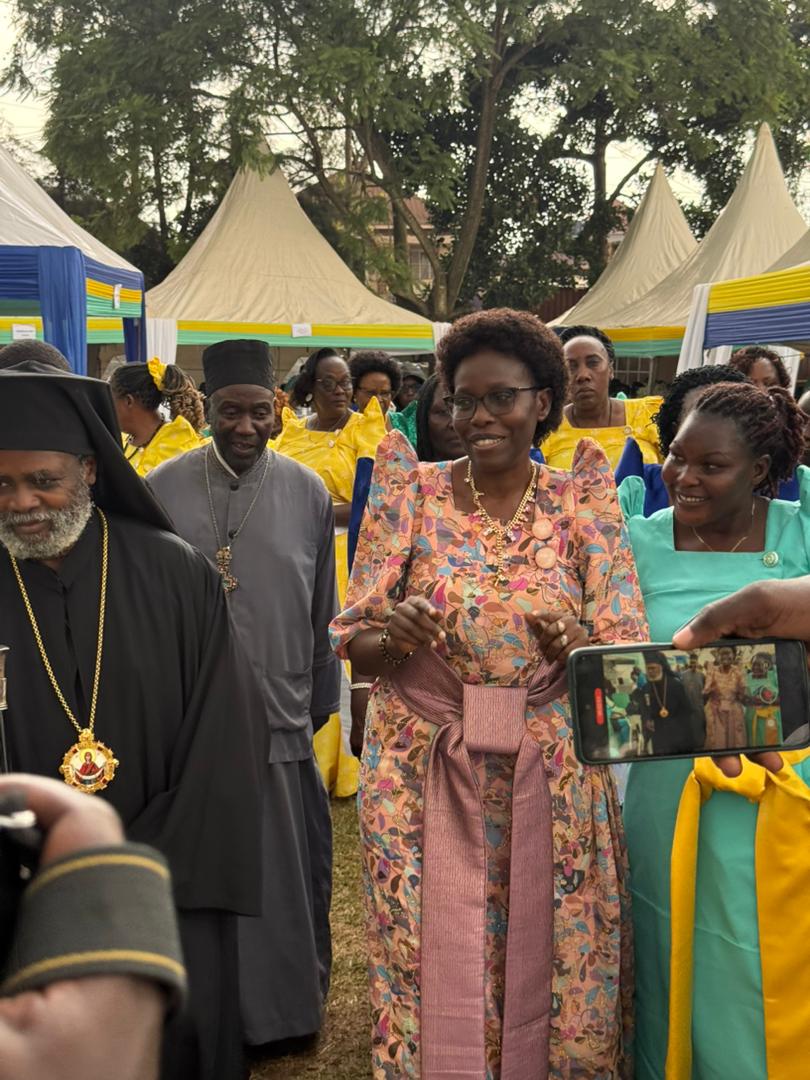
    The minister made the remarks on Friday while addressing believers during the national commemoration of the Women’s World Day of Prayer held at the gardens of St. Nicholas Orthodox Cathedral, Namungoona, in  The global Christian observance is marked annually by women in more than 150 countries, with this year’s event coordinated internationally by Nigeria.

    Nabakooba said the day serves not only as a moment for spiritual reflection but also as an opportunity to address social and structural challenges affecting communities, including the management and protection of church property.

    “This day is not merely symbolic; it is a day of prayer, reflection, and renewed commitment to justice, peace, and service to humanity,” she said. “As we pray and reflect, we must also confront practical issues that affect our institutions and the communities they serve.”

    The minister noted that Uganda’s commemoration of the Women’s World Day of Prayer reflects strong cooperation among Christian denominations under the umbrella of the Uganda Joint Christian Council (UJCC).

    The event is organized on a rotational basis by the three member churches of the council — the Uganda Orthodox Church, the Roman Catholic Church, and the Church of Uganda.

    Nabakooba commended the Orthodox Church for hosting the national celebration, describing the collaboration among churches as an important symbol of unity and shared responsibility in addressing societal challenges.

    “Today we commend the Uganda Orthodox Church for graciously hosting this national celebration here at the beautiful St. Nicholas Orthodox Cathedral Gardens,” she said.

    Land Registration Challenges Facing Churches

    A major focus of the minister’s address was the issue of land ownership and registration among religious institutions. Nabakooba said the Ministry of Lands has observed that a significant amount of church land across the country remains unsurveyed or lacks formal titles.

    According to the minister, this situation exposes religious institutions to serious risks, including encroachment by individuals, boundary conflicts, and prolonged legal disputes that can disrupt church activities and community services.

    “Many churches have historically acquired land through donations or community arrangements, but without proper surveying and documentation, that land becomes vulnerable,” she explained.

    Nabakooba noted that in some cases, churches have lost land that was previously used for schools, health facilities, and places of worship because they lacked official registration documents to prove ownership.

    She warned that without clear legal documentation, even long-established church properties could be contested, especially in rapidly urbanizing areas where land values are increasing.

    “Proper land documentation is essential in protecting church property from encroachment and disputes,” Nabakooba emphasized.

    Government Efforts to Secure Church Land

    The minister said the government, through the Ministry of Lands, Housing and Urban Development, has been working with religious leaders to survey and register church land across the country.

    She urged church leaders to cooperate with these initiatives to ensure that their properties are legally recognized and protected under the law.

    “When church land is surveyed and legally registered, it safeguards the heritage of the church and ensures that these assets can continue serving communities for generations to come,” she said.

    Nabakooba explained that documented church land also makes it easier for religious institutions to plan long-term development projects such as schools, hospitals, and community centers without fear of disputes.

    She further noted that proper registration improves transparency and accountability in land administration, reducing conflicts that often arise from unclear boundaries or competing ownership claims.

    Beyond land matters, the minister also acknowledged the broader challenges faced by women and families across the country, including gender-based violence, poverty, and limited economic opportunities.

    “As we gather in prayer and reflection, we must also acknowledge the challenges that many women and families across our country continue to face,” she said.

    Nabakooba stressed that faith communities play an important role in addressing these challenges by promoting social justice, moral values, and community support systems.

    She said the government values the partnership between the state and religious institutions in promoting peace, unity, and social transformation.

    Churches Urged to Support Parish Development Model

    The minister also called on churches to mobilize their members to actively participate in the government’s flagship economic empowerment program, the Parish Development Model (PDM).

    The Parish Development Model is designed to move Ugandans from subsistence livelihoods into the money economy by supporting income-generating activities at the parish level.

    Nabakooba said religious institutions have a powerful influence within communities and can play a critical role in helping families access financial opportunities provided under the program.

    “By encouraging members to participate in the Parish Development Model, the church can help many families access financial support, start small enterprises, and improve their livelihoods,” she said.

    She added that economic empowerment strengthens families and contributes to national development.

    “When families are economically stable, communities become stronger and the entire nation benefits,” she noted.

    Empowering Women Through Faith

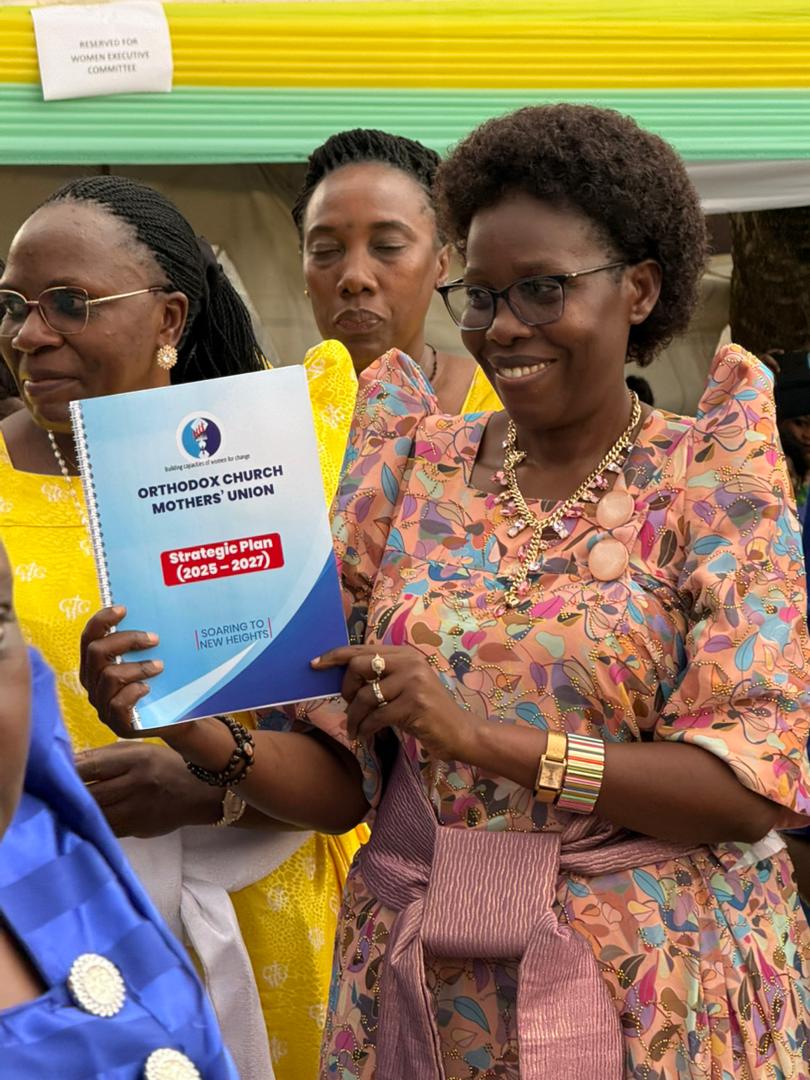
    Nabakooba also praised the efforts of the Orthodox Church Mothers Uganda for using the Women’s World Day of Prayer platform not only for spiritual reflection but also to advocate for women’s empowerment.

    She said such initiatives demonstrate how faith-based organizations can play a meaningful role in addressing issues affecting women and promoting social development.

    “I am particularly encouraged to learn that the Orthodox Church Mothers Uganda are using this platform not only for prayer but also to highlight critical issues affecting women and to mobilize support for women’s empowerment initiatives,” she said.

    The minister concluded by urging believers to embrace the day as an opportunity for both spiritual renewal and practical commitment to serving their communities.

    She reminded participants that the theme guiding the global observance this year was drawn from the biblical message in Matthew 11:28, which calls on those who are weary and burdened to seek rest in faith.

    “These are powerful and comforting words that speak to all of us, especially women who often carry many responsibilities within our families, communities, and places of work,” Nabakooba said.

    She encouraged Christians across the country to combine prayer with meaningful action aimed at building a more just, peaceful, and prosperous society.

    “Through prayer, unity and practical action, we can build a more just, peaceful and prosperous Uganda,” she said.

    Do you have a story in your community or an opinion to share with us: Email us at Submit an Article

  • I Make More Money Online Than Many Ugandan Artists! – Pia Pounds

    I Make More Money Online Than Many Ugandan Artists! – Pia Pounds

    Singer Pia Pounds may appear quiet on the streets — but she says the money is flowing where it matters most: online.

    During an interview on a local television station, the “Tupaate” hitmaker revealed that she and her management made a strategic decision to shift focus from physical promotion to digital music sales.

    And according to her, the move is paying off big time.

    “I together with my management found how to earn through online music sells. We no longer vend our music around town, the focus is online,” Pia explained.

    The singer said they stopped the traditional approach of pushing music physically across Kampala and instead concentrated on digital platforms where fans stream and buy music globally.

    She added that the EP she released last year performed exceptionally well online, generating impressive revenue.

    “Actually the EP which we released last year performed exceedingly well online,” she added.

    Pia Pounds insists that while some artists focus on visibility in clubs and concerts, the real money is increasingly coming from digital platforms.

    Despite having been in the music industry for more than five years, the singer has maintained a relatively low public profile recently, even after scoring a major breakthrough with her smash hit “Tupaate.”

  • National Housing Backs Spiro’s E-Mobility Vision Across Uganda

    National Housing Backs Spiro’s E-Mobility Vision Across Uganda

    The National Housing and Construction Company Ltd (NHCC), Uganda’s leading housing developer has commended Spiro for devotedly providing innovative, eco-friendly, affordable electric transportation solutions that transform urban mobility, reduce carbon emissions, and promote a cleaner environment.

    Eng Kaijuka Kenneth, the Chief Executive for National Housing , officials expressed gratitude to Spiro for advancing sustainability and innovation, whose advanced battery-swapping technology ensures convenience and accessibility for all.

    He commended Spiro for community empowerment, job creation, fostering local entrepreneurship, and supporting economic growth, which is paving the way for a greener, more prosperous future.

    Kaijuka was flanked by Derrick Mutegyeki, the Chief Finance Officer at National Housing.

    The Government of Uganda has allocated 20 hectares of land to Spiro Uganda in a move aimed at strengthening regional production of electric vehicles and positioning the country as a manufacturing hub.

    The National Housing team was on guided tour on Wednesday at the Spiro bikes assembling plant in Namanve to assess the company’s progress.

    Spiro has also acquired land at Bukerere, Kira Municipality, Wakiso District, where construction of a state of the art manufacturing plant is expected to take place.

    Bruce Mucunguzi, the Spiro Country Head – Uganda welcomed the land allocation, stating that the expanded space will enable the company to scale production beyond electric motorcycles to include three-wheelers, taxis, and buses. He said the expansion will enhance Uganda’s capacity to participate competitively in the growing electric mobility market across the region.

    Spiro, a leader in African electric mobility, has increased strategies to bolster its electric motorcycle fleet and battery-swapping infrastructure across the country.

    It should be noted that $100 million investment was invested in late 2025 to accelerate the deployment of clean energy transport solutions across the continent.

    In Uganda, the transition to electric motorcycles is gaining momentum.Spiro currently operates more than 2,500 such stations across six countries, including Uganda, Kenya and Rwanda, allowing riders to exchange depleted batteries for charged ones in seconds.

    The company has already deployed more than 80,000 electric motorcycles and completed over 30 million battery swaps.

    The expansion plan also includes upgrades to Spiro’s technology platform, specifically focusing on automated battery swaps, fast-charging capabilities and the integration of renewable energy sources.

    Spiro’s efforts are creating a resilient, green energy ecosystem that supports economic development and climate goals.

    For the Ugandan transport sector, the move toward electric bikes is seen as a way to reduce both urban air pollution and the daily operating costs for riders.


    About Post Author

  • All-women cast in comedy fete tonight at National Theatre – Sqoop

    All-women cast in comedy fete tonight at National Theatre – Sqoop

    As Uganda joins the rest of the world to mark International Women’s Day, the spotlight at the National Theatre tonight will tilt firmly toward women whose craft of comedy will be celebrated.

    The eighth edition of Arise Woman! Comedy Jam returns on Kampala’s entertainment calendar, continuing to gather, nurture and showcase female comedic talent. Since its inception in 2019, the show has deliberately created space for women in an industry where they have historically been underrepresented, despite the undeniable depth of their talent.

    Comedy in Uganda, like in many parts of the world, has long been male-dominated. Lineups have frequently featured women as exceptions rather than equals. Yet the ability to turn daily struggles, relationships, work pressures and social expectations into laughter is not gendered.

    Women have always possessed that wit, often sharpening it in private spaces. What Arise Woman! did was bring that humour into the public arena. Launched with the objective of highlighting the creativity of women, the show has since grown into a cultural marker around March 8.

    Each year, it’s staged on or around International Women’s Day to align celebration with reflection. While Women’s Day conversations often centre on policy, empowerment and equality, Arise Woman! adds another dimension of joy.

    It reminds audiences that laughter, too, is liberation. Eight editions in, the production has matured into more than a show. It has become a meeting ground, a reunion of sorts, where established performers, returning acts and rising stars converge.

    This year’s lineup carries a powerful narrative of return and continuity. Agnes Akite, the founder and driving force behind the show, has convinced three artists to step back into the comedy spotlight after time away from the stage.

    Their return feels symbolic in the context of Women’s Day. It speaks to the reality that many women step away from passions to pursue careers, build families or navigate life’s transitions, but their gifts do not disappear.

    Eve Nabadda, better known to fans as E.V.E, had taken a break to focus on her law practice and married life. Courtrooms replaced comedy clubs, legal briefs replaced punchlines.

    Yet performance never truly leaves a performer. Her comeback this year is more than a nostalgic return; it is a testament to balance and identity. A woman can be a lawyer, a wife and still command a stage with humour.

    Leila Kachapizo, an actress and seasoned radio and television personality, had also stepped away from stand-up for a time. Media commitments and professional demands often leave little room for live performance.

    Her return signals unfinished business with the stage and adds depth to this year’s ensemble. Komuntale, known in business circles as a landscape entrepreneur and PR guru, joins the show in a cameo.

    Her inclusion reflects the diversity of women’s experiences. Behind corporate presentations and brand strategies lies a sense of humour shaped by navigating boardrooms and business deals.

    Her appearance underscores the show’s core message that creativity does not confine itself to one profession. Titin Gladys also makes a return after stepping back to concentrate on her cake business, Titin Caked It, and motherhood.

    Entrepreneurship and parenting demand stamina and sacrifice. Yet her reappearance on stage reinforces a reassuring truth that comedy is a talent that, once acquired, does not easily fade.

    If the returning performers represent resilience, then Kaabu represents the future. At only 17 years old, she is Uganda’s youngest female comedian and has been performing at Arise Woman! since she was 13.

    Her consistency offers hope and signals that women’s comedy in Uganda is not a passing phase but an evolving movement with younger voices stepping confidently forward.

    Anchoring the show are the seasoned Fun Factory Ladies, who have been part of Arise Woman! since its launch in 2019. Their presence brings continuity and experience, grounding the production in a strong comedic tradition.

    Over the years, they have helped shape the show’s identity, mentoring and inspiring emerging talent while maintaining high performance standards. Tonight’s celebration extends beyond stand-up and into afroetry, the unapologetic poet and spoken word artist, will grace the stage with selections from her published works, including Married to Society and Dry Parched Land.

    Her poetry confronts societal expectations placed on women, making her voice particularly resonant during Women’s Day commemorations. Musician Aol 256 adds a musical dimension that enriches the evening’s rhythm.

    Beyond the performance, the vision for Arise Woman! stretches further. Plans are underway to take the show on a countrywide tour, exposing audiences in other regions to female comedic talent.

    There are also ambitions to invite international female comedians while exporting Ugandan talent abroad, positioning the annual fête as both a local celebration and a gateway to global stages.

    To celebrate International Women’s Day approaches, Arise Woman! Comedy Jam stands as a tribute and affirms that women’s humour, sharp, observant, resilient, deserves not just applause, but a stage of its own.

    [email protected]

    Don’t want to miss out on any story? For updates on all Sqoop stories, follow this link on Telegram: https://t.me/Sqoop and Whatsapp: https://whatsapp.com/channel

  • Viboyo Oweyo reveals how ‘Mr. DJ’ verse bought him first car

    Viboyo Oweyo reveals how ‘Mr. DJ’ verse bought him first car

    Veteran Ugandan musician Viboyo Oweyo has revealed that a single verse on the hit song “Mr. DJ” changed his life and enabled him to buy his very first car.

    Speaking during an interview on Next Radio, Viboyo disclosed that after the release of the all-star track Mr. DJ in 2009, a fan who was impressed by his verse rewarded him with Shs15 million.

    According to Viboyo, the unexpected gesture came from someone he had never met before.

    I got my first car just from the Mr. DJ verse. It was not even from a show or anything. Someone just heard my verse and said, ‘Viboyo, you deserve something,’ and gave me 15 million to buy a car. I did not even know them.

    The song became a massive hit across the country at the time, bringing together several top Ugandan artists and dominating airwaves shortly after its release.

    However, Viboyo expressed disappointment that such generous fans, often referred to as “blessers,” seem to be rare in today’s music industry.

    He wondered why modern artists rarely receive similar life-changing support from listeners despite the growth of the entertainment sector.

    The post Viboyo Oweyo reveals how ‘Mr. DJ’ verse bought him first car appeared first on MBU.

  • Marriage took a toll on Rema’s music career, says Abdul Mulaasi

    Marriage took a toll on Rema’s music career, says Abdul Mulaasi

    Veteran singer Abdul Mulaasi has claimed that marriage affected the musical dominance of Rema Namakula.

    Rema married gynecologist Hamza Ssebunya in 2019 following her widely publicized breakup with Eddy Kenzo. However, according to Mulaasi, the singer’s career momentum has not been the same since she got married.

    Speaking during a podcast, Mulaasi argued that Rema’s visibility in the entertainment industry has reduced compared to the period before her marriage.

    Measure the hype Rema had before marriage and now. There’s a big difference. She used to be on banners like five times a week, but now you can look for her on a banner for a whole month and barely see her.

    He further suggested that the singer is now mainly booked for special occasions such as major celebrations and weddings, unlike before when she was regularly appearing on concert lineups and promotional banners.

    Mulaasi also claimed that balancing marriage and a demanding music career can be challenging for many female artists.

    That’s how the career goes down. You can’t mix marriage and music. That’s why when you ask some female musicians when they will get married or have children, they say they are not ready because they still want to focus on singing and can’t maintain both.

    The post Marriage took a toll on Rema’s music career, says Abdul Mulaasi appeared first on MBU.

About UGNEWS24

UGNEWS24 is a Uganda local news service, a product of SOLAVIA GROUP LIMITED, Reg. No. 80048169153974.

Registered office

Plot 2335, Buwambo-Katadde-Najjo Road,
Nansana Municipality, Wakiso District, Uganda
P.O. Box 214231, Kampala

© 2026 SOLAVIA GROUP LIMITED. All rights reserved.