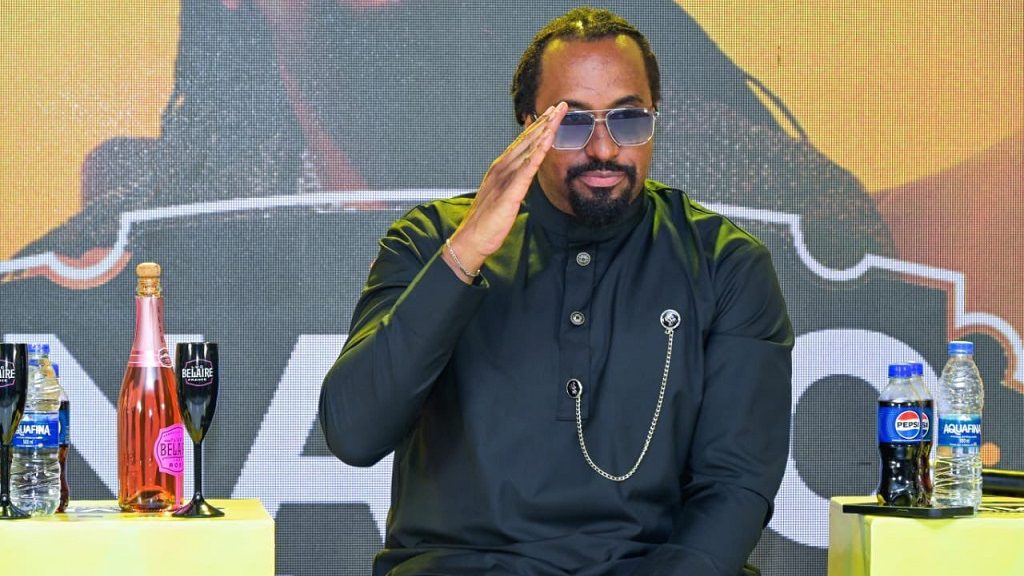
Ugandan rapper Navio has warned that taking long breaks from music can quietly end an artist’s career in today’s fast-moving entertainment industry.
Speaking during a recent interview, the rapper said the pace of the modern music scene leaves little room for musicians to disappear for extended periods without losing relevance.
“With the pace of things in my country, going quiet as an artist for six or seven years can be a problem,” he said.
According to Navio, consistency has become the real currency in music. In an era driven by streaming platforms, social media, and constant new releases, artists who fail to remain visible risk being quickly replaced by emerging talent.
However, the rapper believes the responsibility does not always lie entirely with the artists themselves. He pointed to record label culture as one of the reasons some musicians struggle to maintain momentum.
Navio said many artists sign deals hoping to accelerate their careers but end up releasing music far less frequently than expected.
“I have seen a lot of artists who even got signed after me. They release a song, then 14 months later they release another one,” he said.
According to him, such slow release schedules can be particularly damaging for artists who are not global superstars.
While international acts like Rihanna can afford long gaps between projects, Navio said emerging artists often cannot survive similar breaks.He also suggested that record labels sometimes focus their attention on the artists they consider the most commercially promising, leaving others struggling to maintain visibility.
As an example, Navio referenced fellow Ugandan rapper Keko, suggesting that label dynamics may have contributed to slowing down her momentum during a critical stage of her career.
“They use the hotter artists at the time and sometimes sideline the minor ones,” he said. Still, Navio believes the issue goes beyond record labels alone.
In his view, the entire music ecosystem—from fans to industry institutions—plays a role in determining whether artists thrive or fade away.
He argued that stronger support systems, including better royalties collection and a more supportive audience culture, could help musicians sustain longer careers.
“There are a lot of things labels do that are weird, but we can’t put the penalty on the labels,” he said. “We need to put the penalty on us, the fans, and our royalties collection.”
Don’t want to miss out on any story? For updates on all Sqoop stories, follow this link on Telegram: https://t.me/Sqoop