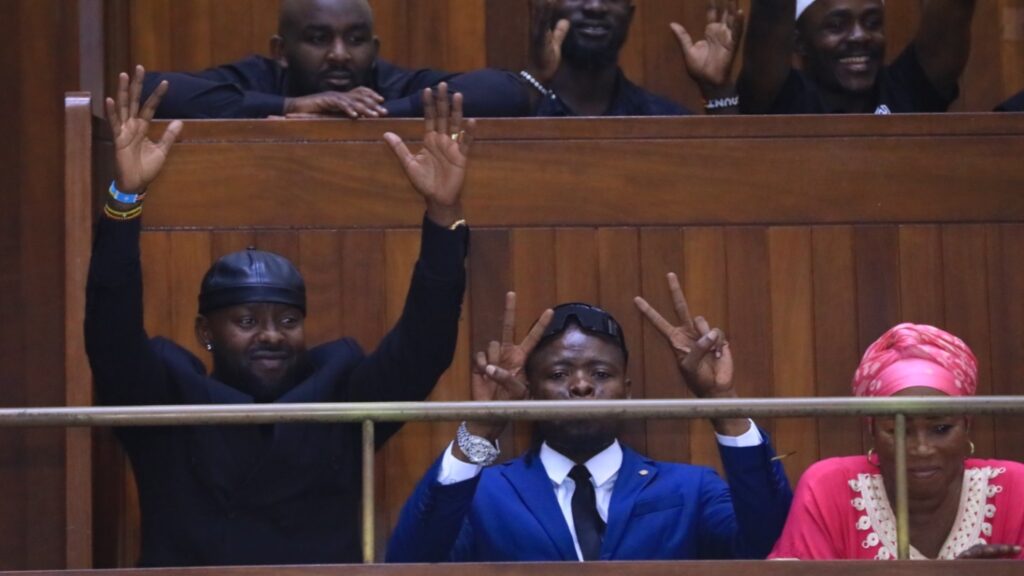
Congratulations to the artists. But first, I pray that you really understood the detailing of the Bill because gauging from the kind of music some of you make, I highly doubt you picked anything besides the title of the Bill. But also, your salvation is beyond laws, you all need to make better music, otherwise nothing will change. For the longest time, being a creative in Uganda has felt like signing a lifetime contract with exposure. You show up, deliver magic, and in return you are paid in vibes, handshakes, and that famous promise “we shall call you for the next one”. In Uganda, when people say creatives, they mostly mean musicians, as if photographers, writers, designers, and filmmakers are just there for decoration, like flowers at a function.
But even the musicians themselves, the supposed frontlines of creativity have been surviving more than thriving. Uganda lives inside music. Kampala traffic hums to it, bars breathe it, bodas blast it at volumes that qualify as public announcements. Yet the people making it have been negotiating rent like the rest of us… sometimes with their own hit song playing in the background. That contradiction has been sitting quietly for years until recently, when silence itself started to feel embarrassing.
King Saha in a video on X told his truth loudly, emotionally, and without consulting anyone’s feelings. “How long will we wait?” he asked. A country where a song can shut down a wedding, but the artiste still cannot shut down their landlord? Then Kenzo entered the chat. He hinted that some MPs might be compromised. X for FBI did what we do best: connect dots that may or may not exist, but somehow feel very correct. WhatsApp groups became investigative committees. Suddenly, creative struggles were no longer industry gossip they were national tea.
At the centre of the drama sat Clause 9, a very simple but very dangerous question: should artists actually be paid? Because somewhere along the way, we convinced ourselves that exposure is legal tender. That airplay is equivalent to MoMo. If playing someone’s music is payment, then pirates are basically philanthropists doing charity work. And just when we were warming up our outrage, Parliament shocked us by doing something rare, the Copyright Amendment Bill was passed. Just like that. After years of postponing, debating, and probably misplacing files under ‘we shall see’, the bill finally showed up.
Stronger penalties, proper royalty systems, and a warning to broadcasters, bars, and telecom companies: vibes are no longer a valid currency. But here is the uncomfortable truth nobody wants to tweet; laws can force payment, but they cannot force people to listen. Ugandan artists do not just need protection; they need consistency because if the music does not connect, the audience will migrate sonically. Protection without connection is just paperwork. Of course, this is Uganda, so celebration came with a side of scepticism because passing a Bill here is step one; implementing it is a completely different sport that requires stamina, discipline, and even divine intervention.
Don’t want to miss out on any story? For updates on all Sqoop stories, follow this link on Telegram: https://t.me/Sqoop and Whatsapp: https://whatsapp.com/channel