Blog

  • BILLIONS IN THE DARK! Energy Ministry on Spot Over ‘Missing’ Sh17.3Bn for 32,000 PAPs, Mystery Sh33Bn Loan, Sh128Bn Receivables, Sh80Bn Arrears, Uninstalled Weighbridges Illegal Mineral Dealers, 245 Rogue Fuel Stations & Botched Power Connections

    BILLIONS IN THE DARK! Energy Ministry on Spot Over ‘Missing’ Sh17.3Bn for 32,000 PAPs, Mystery Sh33Bn Loan, Sh128Bn Receivables, Sh80Bn Arrears, Uninstalled Weighbridges Illegal Mineral Dealers, 245 Rogue Fuel Stations & Botched Power Connections

    KAMPALA: The Ministry of Energy and Mineral Development came under intense scrutiny last Friday after Parliament’s Public Accounts Committee (PAC) questioned glaring inconsistencies in the accounting for Shs17.3 billion in government counterpart funding under the Uganda Rural Electrification Access Project (UREAP), with officials struggling to explain conflicting figures on compensation payments, project accounts and ministry records.

    The heated hearing, chaired by Kassanda North MP Patrick Nsamba Oshabe, examined the Auditor General’s report for the financial year ending June 30, 2025, as senior ministry officials attempted to reconcile differences between the Auditor General’s findings, the project’s financial statements and the ministry’s own submissions on how the funds were utilised.

    At the centre of the controversy was government counterpart funding under the African Development Bank-supported Uganda Rural Electrification Access Project, a flagship programme intended to expand electricity access across the country.

    According to the Auditor General, government approved compensation worth about Shs34 billion for Project Affected Persons (PAPs). However, by the time of the audit, only approximately Shs14.6 billion, representing about 40 percent of the approved compensation, had actually been paid.

    Ministry officials told the committee that the government counterpart funding was primarily intended to compensate landowners affected by electricity infrastructure works, while a small portion financed biodiversity restoration activities, including tree planting.

    However, committee members immediately pointed to the project’s financial statements, which indicated that the entire Shs17.3 billion allocated by government had already been spent, despite records showing that only Shs14.6 billion had actually reached the Project Affected Persons during the audit period.

    The contradiction immediately raised red flags.

    “Money cannot simply appear without a purpose,” Oshabe told ministry officials, insisting that every shilling appropriated by Parliament must be fully accounted for.

    As pressure mounted, ministry officials altered their explanation, saying part of the counterpart funding had also financed operational activities related to compensation, including property valuation, field verification and facilitation of compensation teams.

    The explanation failed to convince the committee.

    “You told us 99 percent of this funding was meant for compensation. Now you are changing the story,” Oshabe said.

    The hearing became even more explosive after ministry officials disclosed that the African Development Bank had authorised the use of an additional Shs13.48 billion from uncommitted loan funds to finance compensation after government delayed releasing part of its counterpart contribution.

    Committee members observed that when the government counterpart funding and the additional donor financing were combined, nearly Shs30 billion had been available for compensation.

    Yet the Auditor General’s report still showed that only Shs14.6 billion had actually reached the Project Affected Persons during the audit period.

    “Something is not adding up,” Oshabe observed. “You have government funds, donor funds, yet only a fraction reached the Project Affected Persons.”

    Eng. Irene Pauline Bateebe maintained that the Auditor General’s report reflected the project’s financial position as of June 30, 2025, and argued that additional compensation payments had been made before the project officially closed on March 31, 2026.

    The committee, however, questioned why the ministry’s written responses submitted to Parliament still reflected the earlier figures instead of updated project accounts.

    The hearing took another dramatic turn when ministry officials revealed that about 32,000 Project Affected Persons remained uncompensated even after the project’s completion.

    Officials further disclosed that government has since sought an additional Shs33 billion loan to settle the outstanding compensation claims.

    That revelation triggered another round of tough questions.

    “Government committed itself to finance this component. Why are you borrowing again instead of meeting your own obligation?” Oshabe asked.

    Committee members also questioned how the number of Project Affected Persons increased from an estimated 37,000 to more than 61,000 during project implementation, saying the sharp increase raised concerns about project planning, valuation and compliance with environmental and social safeguards.

    Throughout the hearing, Oshabe reminded accounting officers that Parliament’s oversight powers extend beyond issues specifically identified by the Auditor General.

    “Parliament is not limited to questions raised by the Auditor General. We are entitled to ask how public money was spent,” he said.

    He also criticised ministry officials for appearing before the committee without detailed expenditure schedules despite managing a project worth more than Shs453 billion.

    Committee members further questioned why senior project managers were unable to clearly explain how grant funds were allocated for the procurement of electricity meters, cables and connection materials.

    The compensation dispute also raises broader questions about compliance with environmental and social safeguards governing infrastructure projects financed by multilateral lenders such as the African Development Bank, where timely compensation of affected communities is a key requirement before project implementation begins.

    The committee directed the Ministry to submit a comprehensive reconciliation detailing the utilisation of the Shs17.3 billion government counterpart funding, the actual compensation paid to Project Affected Persons, operational expenditures charged against the counterpart funds, biodiversity restoration costs and the justification for seeking an additional Shs33 billion loan after the project’s closure.

    The grilling follows a string of damaging findings contained in the Auditor General’s report on the Uganda Rural Electrification Access Project.

    The audit found that by June 30, 2025, total cumulative donor disbursements had reached 95 percent, while Government of Uganda counterpart funding stood at only 50 percent.

    Although the project achieved 100 percent completion of Medium and Low Voltage infrastructure across 13 lots, only 98,584 of the planned 141,451 electricity customer connections had been completed, representing only 69 percent implementation.

    The Auditor General further reported that the project had Shs29.49 billion available during the year under review but spent only Shs15.59 billion, translating into an absorption rate of just 53 percent.

    The report also confirmed that out of 37,501 Project Affected Persons approved by the Chief Government Valuer, only 15,096 (40 percent) had been compensated by the end of the 2024/2025 financial year, largely because of underperformance in government counterpart funding.

    The wider audit of the Ministry of Energy and Mineral Development painted an equally troubling picture.

    The Auditor General reported that the ministry had long outstanding receivables amounting to Shs128 billion, some dating back to the 2021/2022 financial year.

    The ministry’s domestic arrears had exploded by more than 1,000 percent, rising from Shs7.14 billion to Shs80.11 billion, largely due to historical rural electrification liabilities that had previously not been recognised in the financial statements.

    Auditors also noted that the ministry had reported mineral resources worth Shs35.57 trillion, although the estimates were based on geological information dating back to the 1920s, with validation still ongoing.

    The report further uncovered several procurement irregularities, including failure to prepare multi-year procurement plans, non-compliance with reservation schemes, failure to conduct market assessments and splitting procurements.

    In the mining sector, auditors found delays in converting 10 mining licences, while eight mineral rights applicants were granted licences without undergoing adequate evaluation. Another 114 licence applications took more than 100 days to be processed.

    The report also found that 17 traders were buying and selling minerals without mineral rights or valid mineral dealer’s licences, while 14 exploration licence holders were carrying out mining operations beyond the activities permitted under their licences.

    Auditors further established that weighbridges and related accessories, procured and delivered in November and December 2021, had still not been installed by October 2025, representing a delay of almost four years.

    The report further criticised the ministry for lacking a recognised national reporting code for mineral resources, an accredited registry of competent persons and a standardised framework for reporting mineral resources.

    Auditors also identified weaknesses in the management of ministry assets, including under-utilised facilities, non-functional beneficiation centres, lack of documented monitoring procedures and untitled government land.

    Financially, the ministry received only Shs724.33 billion out of an approved budget of Shs1.176 trillion, representing 62 percent budget performance, although it spent 99.3 percent of the funds released.

    Performance was equally poor.

    Out of 23 sampled outputs, 19 (83 percent) were only partially implemented, one output (4 percent) was not implemented at all, while three outputs (13 percent) could not even be assessed because they lacked planned activities, performance targets or measurable indicators.

    The Auditor General also found that under the Rural Electrification and Connectivity Project, several engineering, procurement and construction (EPC) works were reported as completed even though Resettlement Action Plan (RAP) implementation remained below 100 percent.

    The report further revealed that petroleum facilities continued receiving completion certificates and operating licences despite being incomplete and operating below minimum standards, while 245 petroleum facilities were operating without valid operating licences or construction permits.

    Finally, although the ministry had already reduced its electricity connection target from the national requirement of 300,000 to 226,890 because of funding gaps, only 39,701 electricity connections (17.5 percent) had actually been completed, leaving 187,189 planned connections unfinished.


    GOT A HOT STORY? LET US KNOW!

    Got breaking news, explosive secrets, or hard evidence?

    Email us: redpeppertips@gmail.com

    We accept tips, documents, videos, photos, and recordings—the more evidence you have, the better.

    CONFIDENTIALITY IS OUR TOP PRIORITY. SOURCES ARE ALWAYS PROTECTED!

    About Post Author

  • AUMA WINS UWOPA TOP JOB! Women Mps End Months Of Uncertainty With New Leadership

    AUMA WINS UWOPA TOP JOB! Women Mps End Months Of Uncertainty With New Leadership

    Lira District Woman MP Auma Linda Agnes has been elected chairperson of the Uganda Women Parliamentary Association (UWOPA), ending months of uncertainty over the leadership and operations of the parliamentary women’s caucus.

    Auma was elected on Tuesday alongside a new executive in elections overseen by Adjumani District Woman MP and Parliamentary Commissioner Jesca Ababiku, who was delegated by Speaker of Parliament Jacob Marksons Oboth-Oboth to preside over the process.

    Ababiku said the Speaker’s intervention followed three unsuccessful attempts by UWOPA members to organise elections, which left the association operating without a formally elected executive after the expiry of the previous leadership’s term.

    The other members of the committee include Tororo District Woman MP Angella Akoth Nzokire who  was elected vice chairperson, Mukono District Woman MP Draville Sheilah Amaniyo (treasurer),  Moyo District Woman MP Benadette Kodili Chandia (Secretary), Namutumba District Woman MP Betty Nakisita Mpongo (Publicity Secretary).

    The new executive will be supported by regional representatives, with Amolatar District Woman MP Auma Janet taking the Northern Uganda position, Ssembabule District Woman MP Florence Nambaziira representing Central Uganda, Bugiri District Woman MP Eunice Namatende representing Eastern Uganda, and Hoima City Woman MP Asinansi Nyakato representing Western Uganda.

    Other members of the leadership include Female Workers’ Representative Fiona Nakku, Persons with Disabilities Representative Laura Kanushu and UPDF Representative Col. Sylvia Meeme. The Western Uganda position, however, was not without controversy, with a dispute arising over the nomination and declaration of the winner.

    Ababiku said two candidates had initially been nominated and were asked to agree on a single candidate. However, by the time of the declaration, Nyakato was the only candidate present after the other candidate left the venue. A petition was subsequently filed challenging the declaration.

    The position of youth representative remains vacant after youth MPs failed to attend the elections. Ababiku said the new executive would engage the youth representatives and facilitate the filling of the position.

    UWOPA, established in 1989, brings together women MPs to influence legislation, policy and parliamentary processes from a gender perspective. Male MPs may participate as associate members.

    The caucus has historically been involved in advocacy, lobbying, research, capacity building and mentorship of women legislators, as well as efforts to advance legislation addressing issues affecting women and girls.

    Parliament credits UWOPA’s previous work with contributing to the enactment of laws including the Domestic Violence Act 2010, the Prohibition of Female Genital Mutilation Act 2009 and the Succession (Amendment) Act 2022.

    The election of the new executive follows a period of uncertainty that emerged after the expiry of the previous leadership’s term. The outgoing executive was headed by Tororo District Woman MP Sarah Achieng Opendi, who served as UWOPA chairperson during the 11th Parliament. Parliament records show that Opendi continued to lead UWOPA activities towards the end of the 11th Parliament, including an induction meeting for members of the 12th Parliament held in June 2026.

    Ababiku urged the new leadership to treat the election as an opportunity to rebuild UWOPA and restore its institutional stability and effectiveness. She said the first task should be to review UWOPA’s constitution, laws and policies to ensure they provide a clear framework for the association’s operations.

    She also called for the strengthening of the UWOPA secretariat, saying a functional secretariat would improve coordination and ensure the effective implementation of the association’s programmes.

    Ababiku, who served on the UWOPA executive during the Ninth Parliament, said the association had previously played a significant role in mentoring women at grassroots level and encouraging more women to seek elective positions in Parliament.

    She urged the new leadership to reclaim UWOPA’s role in promoting gender equity, protecting the rights of women and girls and fostering unity among women MPs across political parties and socio-economic backgrounds.


    GOT A HOT STORY? LET US KNOW!

    Got breaking news, explosive secrets, or hard evidence?

    Email us: redpeppertips@gmail.com

    We accept tips, documents, videos, photos, and recordings—the more evidence you have, the better.

    CONFIDENTIALITY IS OUR TOP PRIORITY. SOURCES ARE ALWAYS PROTECTED!

    About Post Author

  • 50+ STATE LAWYERS NOT ENOUGH? Besigye Loses Bid To Restore Karua, Lukwago To Defence

    50+ STATE LAWYERS NOT ENOUGH? Besigye Loses Bid To Restore Karua, Lukwago To Defence

    The High Court in Kampala has ruled that the denial Senior Counsel Martha Karua from entering Uganda and the detention Erias Lukwago, did not deprive Dr Kiiza Besigye and Hajji Obeid of their constitutional right to legal representation or a fair hearing.

    Justice Simon Peter Kinobe delivered the judgment Tuesday as he ddismissed an application Dr. Kizza Besigye and Obeid Lutale.

    Dr. Besigye and Lutale had petitioned the court over the circumstances leading to the deportation of Martha Karua and Lukwago’s arrest.

    The two lawyers were leading Besigye and Lutale’s defence jailing in relation to the ongoing treason case.

    The applicants had argued that the two incidents interfered with their right to be represented by advocates of their choice and threatened the fairness of Criminal Session Case Number 335 of 2025, in which Besigye, Lutale and Captain Denis Oola are facing trial on charges of plotting to overthrow the government of Uganda.

    They particularly challenged the decision by immigration authorities to block Karua at Entebbe International Airport on June 22, 2026, classify her as a prohibited immigrant and expel her from Uganda.

    They argued that the decision was unlawful, unfair, made without allowing Karua to be heard, and based on “persona non grata”, which they contended is not a recognised ground for declaring a person a prohibited immigrant under the Uganda Citizenship and Immigration Control Act.

    The applicants, who had sued the Attorney General and the First Son, Chief of Defence Forces Muhoozi Kainerugaba, also complained that Lukwago’s arrest and subsequent remanding him in Luzira prison on misprision of treason charges prevented him from participating in their defence as one of their lawyers.

    Both Muhoozi and the Attorney General had asked for dismissal of the case with costs for being a tactic aimed at delaying the treason trial.

    However, in his 42-page judgment, Judge Kinobe has found that Besigye and Lutale had failed to prove that the actions complained of substantially impaired their ability to obtain effective legal representation.

    The judge noted that Besigye and Lutale had continued to enjoy representation by approximately 13 law firms comprising more than 50 advocates of their own choosing.

    Kinobe also pointed to the conduct of the trial court, which repeatedly adjourned the proceedings to give the applicants time to reorganise their defence whenever difficulties concerning their legal representation arose.

    The trial court also directed its Registrar to provide Besigye and Lutale with a list of State Brief advocates from whom they could select lawyers if they wished to invoke that constitutional safeguard.

    According to Judge Kinobe, these measures were inconsistent with any suggestion that the trial court intended to deprive Besigye and Lutale of their right to counsel of their choice.

    On Karua, the judge has declined to determine whether the immigration authorities acted lawfully in blocking her entry into Uganda.

    Kinobe has ruled that a direct challenge to the immigration decision falls within the supervisory jurisdiction of the High Court and should be brought through judicial review rather than through the way Besigye and Lutale had filed this matter.

    The judge said Besigye and Lutale were at liberty to establish any infringement or threatened infringement of their constitutional rights arising from the consequences of the immigration decision, but found that the evidence before court did not establish such an infringement.

    Kinobe further observed that the physical presence of Karua in Uganda was not, in every circumstance, indispensable to the applicants’ defence.

    He referred to the Judicature (Electronic Filing, Service and Virtual Proceedings) Rules, 2025, and the Judicature (Visual-Audio Link) Rules, which provide for remote participation in judicial proceedings.

    The judge said Besigye and Lutale could have sought appropriate directions from the trial court for Karua to participate remotely if they considered her involvement necessary for the preparation and conduct of their defence.

    He nevertheless cautioned that the availability of virtual proceedings does not extinguish the constitutional right to counsel of one’s choice, but can provide one of the means through which meaningful legal representation is facilitated.

    The court also considered the circumstances surrounding Lukwago’s absence from the proceedings.

    Kinobe said the evidence showed that Lukwago’s absence resulted from his detention, but held that detention of a lawyer does not, by itself, establish a violation of another person’s constitutional right to legal representation.

    The relevant question, according to the judge, was whether Lukwago’s absence, considered together with the other circumstances of the case, substantially impaired Besigye and Lutale’s ability to obtain effective legal representation.

    The court then found that Besigye and Lutale had failed to prove this.

    Kinobe further observed that the law applies equally to all persons and that the fact that a person is serving as counsel in ongoing litigation does not give that person immunity from the ordinary operation of criminal law.

    The Attorney General, who represented Chief of Defence Forces General Muhoozi Kainerugaba and the Government in the case, had earlier asked the court to dismiss the application, arguing that Besigye and Lutale remained adequately represented by a large team of lawyers.

    The respondents had also argued that the applicants had not demonstrated that any state agency deliberately interfered with their choice of counsel or that the absence of Karua and Lukwago had prejudiced their criminal trial.

    On Karua’s immigration status, the respondents argued that the applicants had used the wrong legal procedure by attempting to challenge an administrative immigration decision through a constitutional application.

    The Attorney General maintained that any challenge to the decision declaring Karua a prohibited immigrant should be pursued through judicial review.

    The respondents further argued that the applicants had not established a causal link between Karua’s exclusion from Uganda and an alleged violation of their constitutional right to legal representation.

    It is against this background that Kinobe has agreed that the immigration decision itself could not properly be determined in the present constitutional proceedings.

    The judge also rejected the claim that the applicants had been denied a fair hearing, finding that the evidence did not establish deliberate interference by Muhoozi and the Government or substantial impairment of their access to legal representation.

    The court has accordingly found that Besigye and Lutale were not deprived of their constitutional right to a fair hearing under Article 28 of the Constitution and that the circumstances did not amount to a violation of the non-derogable fair-hearing protections under Articles 28 and 44.

    The judge, however, emphasised that the right to counsel of one’s choice remains constitutionally protected, although its exercise must be within the law and should involve lawyers who are reasonably available to attend court and facilitate the expeditious conduct of proceedings.

    The application was dismissed without an order as to costs, as the Judge said the case raised fundamental constitutional questions which should not be burdened with pecuniary sanctions.

    Besigye, Lutale and Captain Denis Oola will return before the Criminal Division Judge Emmanuel Baguma on August 18th 2026, as the Court expects a medical report to show whether he is fit to stand trial or not.


    GOT A HOT STORY? LET US KNOW!

    Got breaking news, explosive secrets, or hard evidence?

    Email us: redpeppertips@gmail.com

    We accept tips, documents, videos, photos, and recordings—the more evidence you have, the better.

    CONFIDENTIALITY IS OUR TOP PRIORITY. SOURCES ARE ALWAYS PROTECTED!

    About Post Author

  • WHO OWNS WHAT? UBOS, NBRB Join Forces For Buildings Survey

    WHO OWNS WHAT? UBOS, NBRB Join Forces For Buildings Survey

    By Evans Najuna 

    KAMPALA: Uganda’s buildings are heading for the data microscope! The Uganda Bureau of Statistics (UBOS) and the National Building Review Board (NBRB) have teamed up to launch the country’s first-ever Baseline Survey of Buildings, an ambitious exercise expected to uncover the true state of Uganda’s building stock.

    The two institutions sealed the deal on Friday, August 7, 2026, at Statistics House in Kampala, signing a Memorandum of Understanding (MoU) to kick-start the massive exercise. The ceremony was presided over by UBOS Executive Director Dr. Chris Mukiza, while the NBRB delegation was led by its Executive Secretary, Eng. Flavia Gutto Bwire.

    The survey will put buildings across the country under scrutiny, with officials set to collect information on structural conditions, ownership, occupancy, building characteristic, regulatory compliance and their geographical distribution.

    In simple terms, Uganda wants to know what buildings it has, where they are, who owns them, who occupies them and whether they are playing by the rules. The exercise is expected to establish a comprehensive national inventory of buildings and provide Government with a clearer picture of the country’s rapidly expanding building sector.

    The survey could also become a major tool in the fight against unsafe construction as it will generate data that can be used to monitor building standards and identify areas requiring urgent intervention. The findings will support infrastructure planning, construction regulation, disaster risk reduction, public safety and evidence-based policy formulation.

    Speaking at the signing ceremony, Dr. Mukiza said reliable statistics remain critical to national development planning, stressing that strategic partnerships such as the UBOS-NBRB deal can strengthen Uganda’s National Statistical System. He said credible data would ensure that Government and other stakeholders make decisions based on evidence rather than guesswork.

    The two institutions have also agreed to establish a Joint Technical Committee to oversee the survey from the drawing board to the final results. The committee will supervise survey methodology, questionnaire development, pilot testing, field operations, data processing, validation and dissemination.

    UBOS will provide technical leadership in survey design, statistical methodology, quality assurance, data processing, analysis and dissemination of the findings. NBRB will coordinate implementation, mobilise resources and provide technical expertise in building inspection, construction standards and regulatory compliance.

    The survey is expected to arm Government, investors, development partners and other stakeholders with accurate and timely information on Uganda’s building stock.

    Officials believe the data will help improve regulation of the construction industry, strengthen building safety, support sustainable urban development and improve disaster preparedness.

    With Uganda’s towns and cities expanding at a rapid pace, the exercise is expected to answer some of the sector’s biggest questions: How many buildings are there? Where are they? Who owns them? Who occupies them? What condition are they in? And are they compliant with building standards? The answers could provide Government with a powerful new database for planning Uganda’s future cities and communities.

    About Post Author

  • BANKING GOES CLOSER! At Agent Banking Forum HFB Arms 150 Agents With Skills, Insurance And Liquidity

    BANKING GOES CLOSER! At Agent Banking Forum HFB Arms 150 Agents With Skills, Insurance And Liquidity

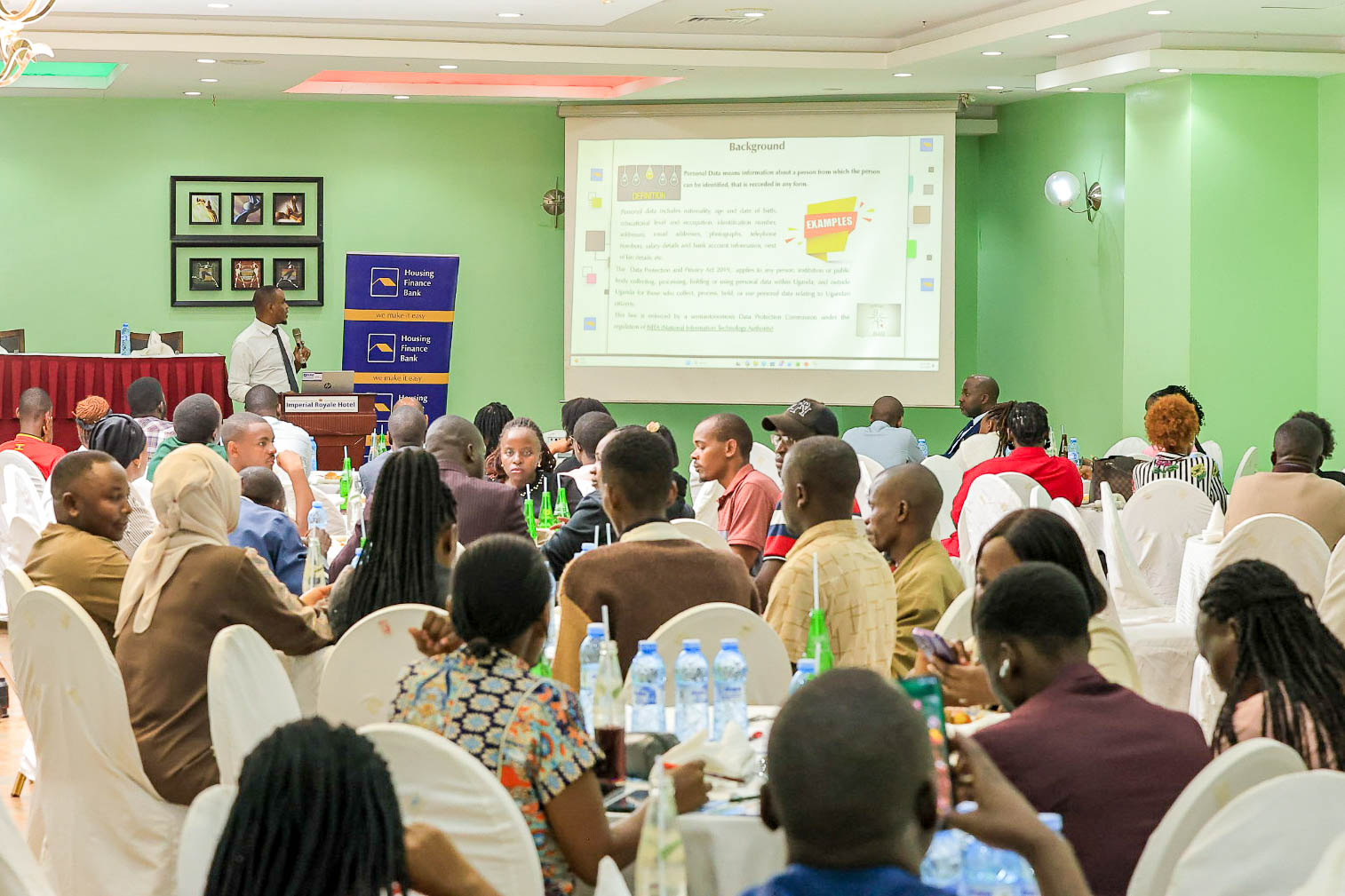
    Kampala, Uganda; Housing Finance Bank (HFB) Tuesday, August 11, 2026 hosted over 150 Agent Bankers from Kampala at the HFB Agent Banking Forum held at Imperial Royale Hotel, reaffirming the Bank’s commitment to strengthening its agent network through knowledge sharing, collaboration, and practical business support.

    The forum brought together agents and Bank representatives to deepen their understanding of the evolving agent banking industry, discuss opportunities and emerging challenges within the sector, and equip agents with the knowledge and tools needed to strengthen their businesses, enhance service delivery, and better serve customers across their communities.

    A key highlight of the engagement was the Super Agent Model, which is transforming agent banking by strengthening agents’ operations and providing access to liquidity support through a nationwide network of super agents. The model ensures agents remain operational and are better positioned to meet customer needs without service interruptions.

    Agents being taken through data protection by Stanislaus Ssendagire, from Housing finance Bank

    Ronald Namawa, Manager Agent Banking at HFB, said the model is central to the Bank’s strategy of building a stronger and more resilient agent banking network.

    “Our Super Agent Model is built on collaboration. By working together with our agents and super agents, we are strengthening our network, improving service reliability, and bringing banking services even closer to the communities we serve,” he said.

    The forum also focused on responsible banking practices, with agents receiving practical guidance on data protection, customer privacy, and compliance with Uganda’s data protection laws. Stanislaus Ssendagire, HFB’s Data Protection Officer, emphasized the importance of safeguarding customer information and reminded agents of their responsibility to comply with data protection requirements.

    Some top performing agents awarded during the event

    “As HFB, we continue to collaborate with our agents to ensure compliance with data protection laws, including registration with the Personal Data Protection Office. Agents are encouraged to register online and obtain the required certificates to avoid penalties associated with unauthorized disclosure, destruction, or sale of personal data,” Ssendagire said.

    Recognising some of the day-to-day challenges faced by agents, the Bank also introduced customised insurance solutions designed to safeguard their businesses against risks such as theft, giving them greater confidence as they continue serving their communities.

    Agents were further taken through HFB’s broad range of financial solutions, including microfinance, business and institutional banking, mortgages, and consumer banking services, demonstrating how the Agent Banking network continues to expand access to banking services beyond traditional branches.

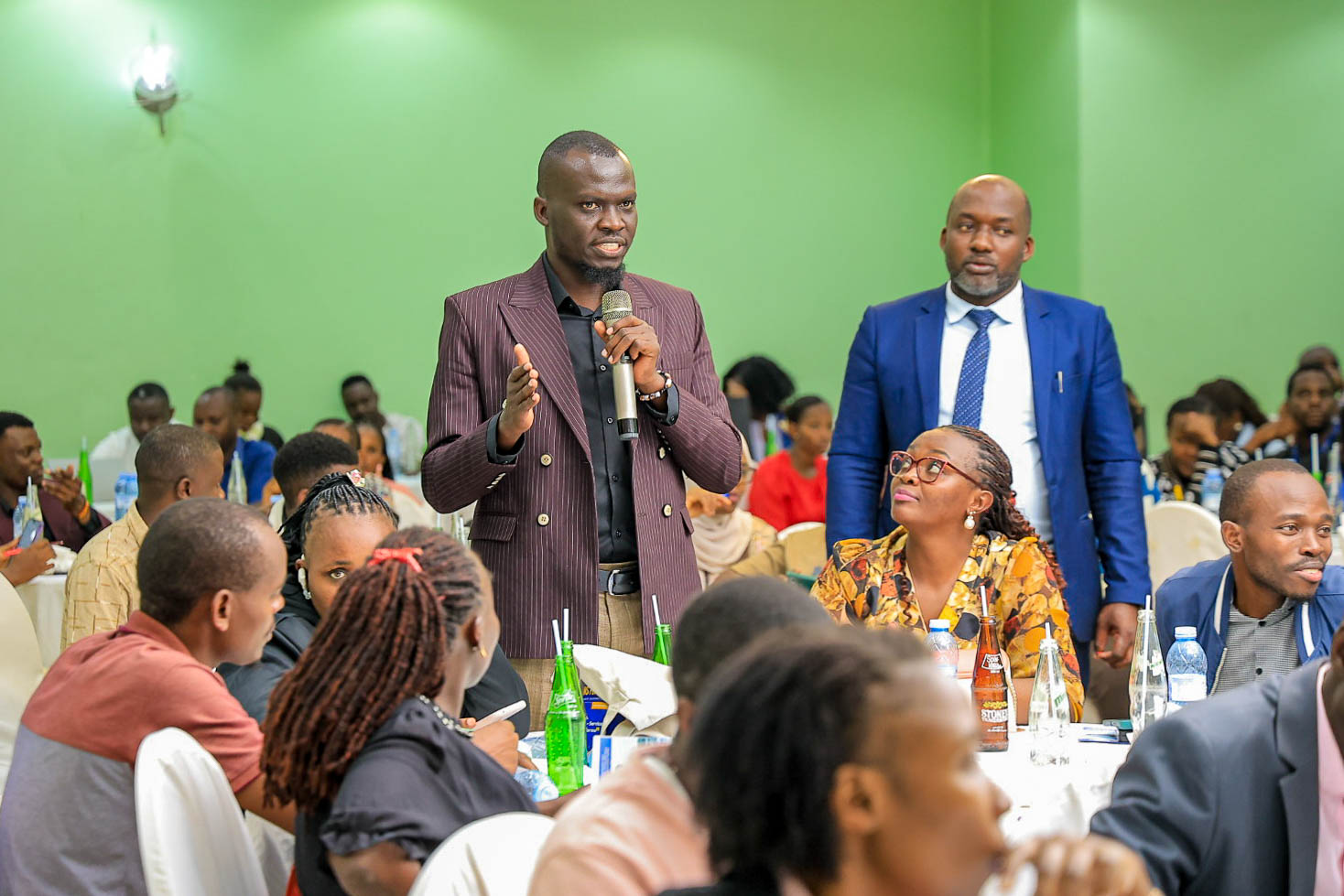
    One of the Agents asking questions during the forum

    Richard Bob Sema, Manager Incremental Housing Loans at HFB, highlighted the role of the agent network in extending these solutions to more customers.

    “Through the Agent Banking network, these solutions continue to reach more customers, making banking services more accessible and convenient across communities,” he noted.

    Beyond the knowledge-sharing sessions, the forum created an opportunity for meaningful dialogue between HFB and its Agent Bankers. Through the interactive engagement, agents shared their experiences, exchanged ideas on the future of agent banking, and appreciated the Bank’s commitment to supporting their growth through competitive commissions, continuous capacity building, and solutions that strengthen their businesses.

    The HFB Agent Banking Forum reflects the Bank’s continued commitment to building a knowledgeable, resilient, and empowered agent network that is well-equipped to respond to the changing needs of the banking industry while delivering secure, reliable, and accessible financial services that advance financial inclusion across Uganda.

    About Post Author

  • Macona’s recovery shows progress as doctors suspend hospital visits – Sqoop

    Macona’s recovery shows progress as doctors suspend hospital visits – Sqoop

    Sanyuka TV entertainment presenter Brian Ssemanda, popularly known as Macona, is showing encouraging signs of recovery following the tragic road accident that claimed the lives of two of his colleagues last week.

    In a public notice issued on Tuesday, Next Media said doctors have temporarily suspended visits to the presenter to give him the best possible environment for his recovery.

    The company thanked the public for the overwhelming support shown since the accident, including the many people who have visited Macona in hospital and continued to keep him in their thoughts and prayers.

    “Doctors have temporarily suspended visits to give him the best environment for his recovery. We therefore ask those planning to visit him to kindly hold off until further notice,” the statement reads.

    Macona has been hospitalised since Friday, August 7, after he was involved in a fatal crash on the Entebbe Expressway that claimed the lives of Sanyuka TV producer Badru Kasirye and Next Media employee Isaac Claude Ndamagye.

    The entertainment presenter sustained serious head injuries in the accident and was admitted to the Intensive Care Unit, where he has been receiving treatment.

    Although Next Media did not provide further medical details, the decision to limit visits suggests doctors are prioritising a calm environment as his recovery continues.

    The accident sent shockwaves through Uganda’s media and entertainment industry, with journalists, artists, comedians, media personalities and fans rallying behind Macona while mourning the loss of Badru and Ndamagye.

    READ: Next Media’s Isaac Ndamagye laid to rest

    Messages of support have continued to pour in across social media, with many praying for the presenter to make a full recovery.

    Next Media also thanked everyone who has offered support to Macona and his family, urging the public to continue keeping him in their prayers as he recuperates.

    Don’t want to miss out on any story? For updates on all Sqoop stories, follow this link on Telegram: https://t.me/Sqoop

  • Ngomanungi S S Receives Financial Boost from Pearl Bank

    Ngomanungi S S Receives Financial Boost from Pearl Bank

    Pearl Bank has extended financial support worth five million Uganda shillings (UXG 5 million) towards the construction of a new classroom block at Ngomanungi Senior Secondary School, in fulfilment of its education CSI pillar, which focuses on improving access to quality education and reinforces its purpose of fostering prosperity for Ugandans.

    Ngomanungi Senior Secondary School is a community-driven, non-profit institution founded by St. Andrew’s Ngoma Church of Uganda, and the classroom block is expected to provide a safer, more conducive learning environment for students and support improved educational outcomes in the surrounding community.

    Education is among Pearl Bank’s Corporate Social Investment (CSI) pillars and broader strategy, which focuses on sustainable impact across various sectors, including education, health, environment, humanitarian support and financial literacy.

    Pearl Bank’s Regional Head of Distribution-Western, Arthur Mujuni, noted that education remains a critical driver of long-term social and economic transformation.

    “By supporting the construction of this classroom block at Ngomanungi Senior Secondary School, we are investing directly in the future of young Ugandans in the communities we serve. This is a step towards strengthening the foundation upon which communities can thrive,” he said.

    Mujuni added, “By implementing these initiatives, the bank not only upholds its promise of fostering prosperity for Ugandans but continues to embody the true aspects of a homegrown bank that inspires growth and development for its people in communities where they operate, so that they contribute towards the country’s development agenda, especially in a critical sector like education.”

    Ngomanungi School, located in Sheema, is a pillar of its community by providing quality education despite infrastructure challenges. The new classroom block will increase the school’s capacity, especially with a growing student population.

    The Board Chairman of the school, Rev. Perez Byaruhanga expressed his gratitude to Pearl Bank for its generosity, mentioning that this contribution will have a big impact on the quality of learning for current and future students.

    “This contribution from Pearl Bank is a vote of confidence in our students and our community. The new classroom space will improve learning conditions and give our learners a better chance to succeed,” he said. Earlier this year, Pearl Bank also extended support to the Islamic University in Uganda (IUIU) with a donation of water tanks to ensure access to clean water in a sustainable way and assorted food items in recognition of the holy month of Ramadhan – https://www.youtube.com/watch?v=eT1X9bTTH6A&t=53s

  • Crown Beverages Launches 9th PET Collection Hub in Mbarara

    Crown Beverages Launches 9th PET Collection Hub in Mbarara

    Crown Beverages Limited (CBL), through its Tweyambe Project, has today launched its 9th PET Collection Hub at Makenke Industrial Park in Mbarara, further strengthening its commitment to sustainable plastic waste management and the promotion of a circular economy in Uganda.

    The new hub is being established in partnership with Frontline Waste Network and Karim Wapasiloma, a local plastic waste collector whose efforts have contributed significantly to improving plastic recovery in the Mbarara region. Through this partnership, Crown Beverages has enhanced Karim’s operations by providing a baler machine, a three-wheeler tricycle among other items to increase the collection and processing of PET plastic across the city.

    The Tweyambe Project was established in response to the growing demand for beverages packaged in PET bottles, offering consumers the convenience of refreshment on the go while recognizing the shared responsibility of ensuring those bottles are properly collected and recycled. By investing in collection infrastructure and empowering local recycling partners, Crown Beverages is helping reduce plastic pollution while creating sustainable livelihoods within communities.

    Speaking at the launch, Caroline Zawedde, Founder of Frontline Waste Network, said:

    “The partnership between Crown Beverages Limited and Frontline Waste Network demonstrates how the private sector can drive both environmental impact and economic opportunities at the grassroots. The Tweyambe Project, which is being rolled out nationally, is a critical step towards tackling plastic pollution in Mbarara while strengthening community-led recycling efforts.”

    Speaking on behalf of Crown Beverages Limited, Pearl Kitimbo, Brand & Communications Manager, said:

    “As manufacturers of PET-packaged beverages, we recognize our responsibility beyond producing quality refreshments. Through the Tweyambe Project, we are investing in practical solutions that strengthen plastic collection, empower local entrepreneurs, and ensure that the communities enjoying our products also enjoy a cleaner environment. Mbarara becomes our 9th PET Collection Hub, and we are proud to partner with people like Karim Wapasiloma, who are already making a difference in their communities.”

    Since its inception, the Tweyambe Project has expanded across Uganda with PET Collection Hubs in Jinja, Hoima, Mbale, Gulu, Kasese, Fort Portal, Kyengera, and Oyam, with Mbarara now becoming the 9th location. Working alongside partners including Waste Pays, Reclaim, Cahaba Eco Crew, The Network Girl Tech Initiative Uganda, Platinum Partners, and Frontline Waste Network, the initiative continues to strengthen local recycling ecosystems by providing essential infrastructure and supporting community-based plastic collection.

    Beyond environmental conservation, the project contributes to job creation, income generation, and the development of local recycling enterprises. By increasing the capacity of collection hubs and improving the efficiency of plastic recovery, Crown Beverages is demonstrating how collaboration between the private sector, community organisations, and local entrepreneurs can deliver lasting environmental and economic impact.

    Through the Tweyambe Project, Crown Beverages Limited remains committed to preserving Uganda’s environment, advancing the circular economy, and ensuring that both current and future generations can continue to enjoy its products in a cleaner, healthier environment – https://www.youtube.com/watch?v=eT1X9bTTH6A&t=53s

  • Comment on Who Is Ayoba Ibrahim Magimbi? The Story Behind ORDIN FOREX ACADEMY by Evans Praise yelele

    W Ordin in freakin’ Chat,…I’m always hyping yr chat Ordin and trying to reach u but u seem not to be seeing me,…but any how,…much love from me ,…bankroll,..@itaru

  • GIWUNYE! Eby’okutta Owor David owa SC Villa, 2 bakwatiddwa

    GIWUNYE! Eby’okutta Owor David owa SC Villa, 2 bakwatiddwa

    Poliisi eriko abantu bekutte ku misango gy’okutta Owor David, eyabadde Kaputeyini wa SC Villa, wiiki ewedde.

    Owori yakubiddwa abantu, bwe yabadde addayo awaka ku Lwokubiri ekiro nga 4, August, 2026 bitundu bye Dubai Zone, Makindye II, Makindye mu Kampala era yafiiridde mu ddwaaliro lya Case Clinic mu Kampala ku Lwokusatu emisana.

    Yaziikiddwa ku Lwomukaaga e Tororo nga 8, August, 2026.

    Wabula wakati mu kunoonyereza, Poliisi egamba Owori bwe yakubwa, abatemu batwala essimu ye ekika kya iPhone 14 Pro Max.

    Poliisi yasobodde okulondoola essimu era yasobodde okukwata abantu 2 okuli

    Munyaneza Bashir amanyikiddwa nga Jemo

    Magoba Samuel, abaludde nga beenyigira mu kutunda amassimu amabbe.

    Poliisi era esobodde okuzuula amassimu amalala, nga kigambibwa gonna mabbe okuli

    – Amassimu gamapeesa 3

    – iPhones 80

    – Samsung 40

    – Redmi 8

    – Tecno 2

    – Infinix 2

    – Vivo 2

    – Layini z’amassimu (MTN, Safaricom, Airtel, Lyca)

    Poliisi era yasobodde okuzuula ensawo z’abakyala wabula mu kiseera kino, okunoonyereza kugenda mu maaso – https://www.youtube.com/watch?v=eT1X9bTTH6A&t=54s

About UGNEWS24

UGNEWS24 is a Uganda local news service, a product of SOLAVIA GROUP LIMITED, Reg. No. 80048169153974.

Registered office

Plot 2335, Buwambo-Katadde-Najjo Road,
Nansana Municipality, Wakiso District, Uganda
P.O. Box 214231, Kampala

© 2026 SOLAVIA GROUP LIMITED. All rights reserved.