There was a time when HIV scared Ugandans into paying attention.
In the early 1990s, prevalence was above 18%. Through bold messaging, political commitment and community action, we brought it down to about 6%. We talked about HIV everywhere — on radio, in schools, at home and in communities. It worked. It saved lives.
But somewhere along the way, the conversation became quieter while the world around young people became considerably louder.
Today, social media, dating apps, DMs, nightlife, influencers and online lifestyles are everywhere. Beneath the filtered photos is a less glamorous reality: economic pressure, transactional relationships, inter-generational sex, alcohol, gender inequality and young people making serious decisions with incomplete information.
The latest numbers should get our attention.
Recent reporting on findings presented by Kampala Capital City Authority indicates that about 211 people were contracting HIV in Kampala every week — roughly 30 a day — based on testing at KCCA health facilities. The findings linked emerging infections to unregulated sexual activity, domestic violence, structural inequalities and social media exposure.
Social media didn’t invent the problem. It turbocharged it.
Instagram did not invent sex. TikTok did not invent sugar daddies. Facebook did not invent infidelity. WhatsApp did not invent bad decisions. But social media has made it easier for all of them to find each other.
A young person can scroll through a feed and see expensive dinners, hotel rooms, weekend trips and designer clothes. What you don’t see is the invoice.
For some facing unemployment or financial pressure, transactional relationships can become an attractive shortcut. A DM can become a date. A relationship can come with expectations. And somewhere in all this, the condom conversation can disappear.
We need to start talking again
Young women aged 15–24 carry a particularly heavy burden of new HIV infections. UNAIDS estimates Uganda recorded about 15,000 new HIV infections among people aged 15–24 in 2023, compared with 34,000 in 2010. That is enormous progress, but the problem has not disappeared.
We need to talk again. All young people should know how HIV is transmitted, where to test, how condoms are correctly used, what PrEP is and why early treatment matters. Testing should not feel like a confession. Knowing your status early gives you options.
We need to make HIV conversations cool again
If social media can sell sneakers and holidays, surely it can sell HIV prevention. Musicians, influencers, comedians, DJs and athletes can make HIV part of the conversation again. Because silence is not a prevention strategy.
Social media is not the enemy. Young people are not the enemy. Sex is not the enemy. Silence, misinformation and inequality are much bigger problems.
So let us get back to talking — before another generation learns about HIV the hard way. It helps to stop trying to look bougie. It helps to make your ka money in silence rather than expecting it from some old dude.
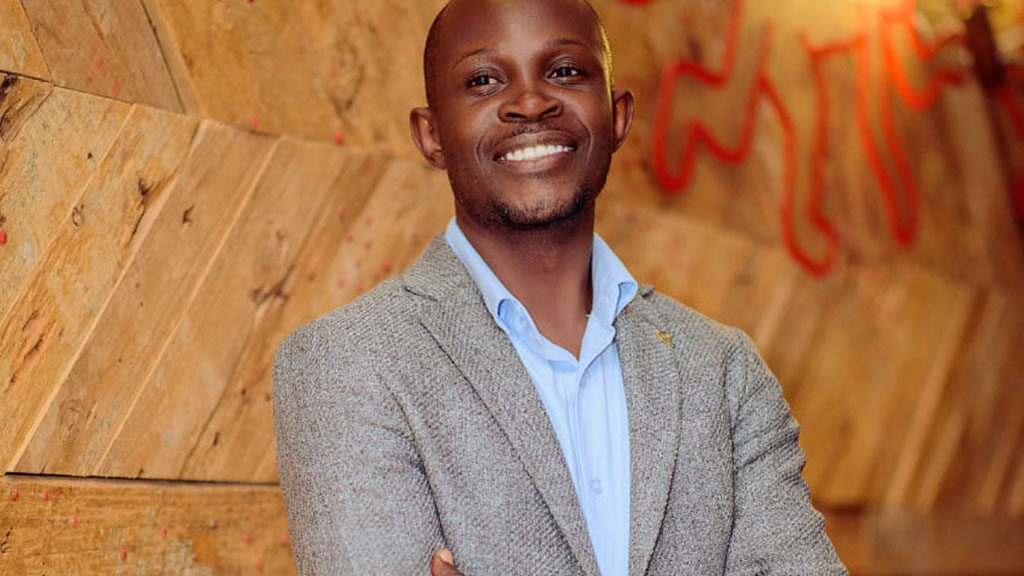
The writer is a tax advisor, Rotarian and MBA student of Business Administration at MUBS.