Author: admin

  • SACCO leaders flee with Shs3.1 billion in Kampala traders’ savings

    Police have intensified a search for the leadership of Kamu Kamu Traders SACCO after traders accused them of disappearing with more than Shs3.1 billion in members’ savings.

    The savings group, which reportedly had over 800 traders, is under investigation following complaints that members have been unable to access their money for months despite repeated demands since last year. Many of those affected say their businesses have been severely disrupted as a result.

    Several officials linked to the SACCO — including Hassan Muhoozi, Kaye Lawrance, Adrine Ssebulime and Yosaya Waiswa — have been named by investigators. Authorities say some of them have since gone into hiding.

    Police confirmed that the SACCO’s treasurer, Kaye Lawrance, was arrested earlier this month and is currently on remand, while operations are ongoing to locate the remaining suspects.

    Traders have also raised concerns about how the SACCO operated, alleging that its leaders used the names of prominent government figures to gain credibility and attract more members. Some claim they were led to believe the group had links to Muhoozi Kainerugaba, a claim that is now part of the ongoing investigations.

    Kampala Metropolitan Police spokesperson Racheal Kawala said efforts are underway to track down all those involved and recover the missing funds.

    Meanwhile, affected traders are appealing to State Minister for Microfinance Haruna Kasolo to intervene and help them recover their savings as the investigation continues.

  • Ugandan Scholar Robert Kirunda Earns PhD from University of Cape Town

    Ugandan Scholar Robert Kirunda Earns PhD from University of Cape Town

    Kampala-based lawyer and lecturer Robert Kirunda has graduated with a Doctor of Philosophy (PhD) from the University of Cape Town, capping years of rigorous academic work with a thesis that pushes for reforms in Uganda’s natural resource taxation laws spanning the period from 1900 to 2022.

    The graduation, which took place on March 28, 2026, marks a significant milestone in an already distinguished legal career. Kirunda holds an LLB from Makerere University, a postgraduate diploma in law, and an LLM obtained cum laude from the University of the Western Cape. He further added an LLM from Stanford University in 2024, making his Cape Town doctorate the latest in a string of high-level academic achievements.

    ADVERTISEMENT

    Beyond the classroom, Kirunda is the founder of Kirunda & Co. Advocates, a law firm based in Kampala. He also serves as a lecturer at Makerere University School of Law and holds membership of the Permanent Court of Arbitration — an international intergovernmental organisation that provides dispute resolution services to states, intergovernmental organisations and private parties.

    His PhD thesis, focusing on natural resource taxation in Uganda over more than a century, is expected to contribute meaningfully to ongoing policy conversations around how Uganda manages and taxes its natural wealth, a subject of growing importance as the country develops its oil and minerals sectors.

    The news drew warm congratulations from peers across Uganda’s legal community. Prominent human rights lawyer Nicholas Opiyo was among those who publicly celebrated the achievement, using the occasion to call for authentic paths of intellectual growth. Opiyo praised Kirunda’s real accomplishments amid what he described as widespread fake degree culture, urging others to pursue genuine routes of reading, writing and research.

  • Rachel K, daughter of Halima Namakula, heartbroken over pet’s death

    Rachel K, daughter of Halima Namakula, heartbroken over pet’s death

    Musician Rachel Kiwanuka, a.k.a Rachel K, is mourning the loss of Nasha, a pet that has been part of their family for the last six years.

    Via her social media accounts, Rachel K, who is also widely known as legendary singer Halima Namakula’s daughter, revealed the sad news on Sunday afternoon.

    She revealed that Nasha was her first pet and shared such a strong bond with her mother and the family since 2020.

    Rachel K joins a growing list of Ugandan celebrities who have lost their pets in the last few months.

    Today is a sad day. Our Nasha, our sweet companion. You were more than just a pet – you were my mom’s closest friend and a part of our family. You welcomed and loved every guest at home. I’m at a loss for words, but thank you for the best 6 years. We’ll always love you, Nasha. 2020-2026.

    The post Rachel K, daughter of Halima Namakula, heartbroken over pet’s death appeared first on MBU.

  • Singer Grenade Official reveals reasons for disliking David Lutalo

    Singer Grenade Official reveals reasons for disliking David Lutalo

    Grenade Official has opened up about his strained relationship with David Lutalo, revealing that the two are no longer on good terms following a past fallout over a music collaboration.

    Speaking during a TikTok Live session, Grenade didn’t hold back as he shared the reason behind his dislike for Lutalo. According to him, the tension stems from a song they had initially worked on together, which was later altered without his involvement.

    Grenade claims that he had originally recorded the track with Lutalo, but was eventually removed from the project and replaced by Jose Chameleone.

    You see that song they did with Chameleone? I had done it with Lutalo, but he removed me and put Chameleone in it. I don’t like him, and you can tell him that.

    Grenade went on to stress that while he doesn’t wish Lutalo any harm, he strongly dislikes him because of what he described as having a “bad heart.”

    In a more emotional remark, Grenade added that the experience affected him to the extent that it influenced his personal biases, saying he now associates the situation with Lutalo in a negative way.

    The post Singer Grenade Official reveals reasons for disliking David Lutalo appeared first on MBU.

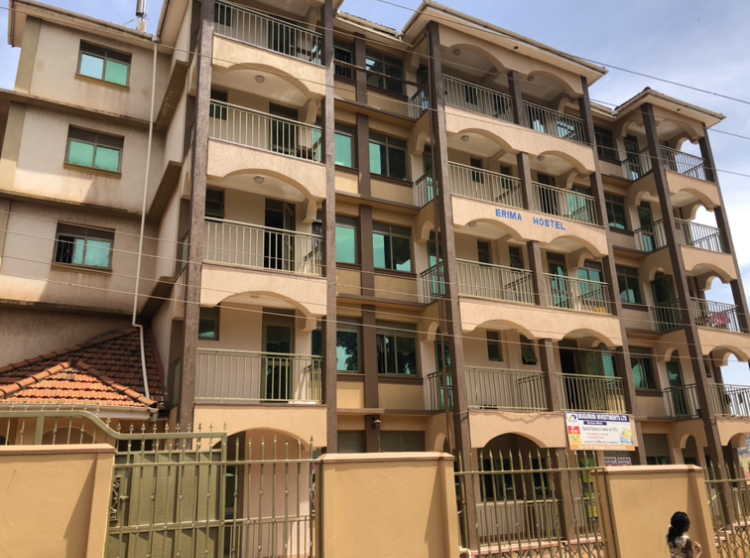
  • Guide on Hostel Options and Costs: What Every University Student Should Know

    Guide on Hostel Options and Costs: What Every University Student Should Know

    When Joshua Arinda checked into his first hostel at university, he had no idea what awaited him. Hardly a month in the residence, he began to feel painful itchy bites at night. That is when it dawned on him that his hostel was bed bug-infested.

    “Even when I sprayed, it didn’t help because people kept bringing them back,” Arinda says, describing how the infestation spread amongst rooms and visitors.

    ADVERTISEMENT

    What started as a discomfort quickly exposed deeper issues — poor hygiene, overcrowding and weak management — ultimately pushing him to leave in search of a better living environment.

    Why Hostel Choice Matters

    Choosing the right hostel goes beyond convenience. It directly shapes a student’s safety, finances, academic focus and overall well-being.

    Moses Kiggundu, a manager of Kabojja Hostel in Banda, Kampala, says many students underestimate how much their living environment affects their university experience. “Where a student stays determines how safe they feel, how much they spend and even how well they perform academically,” he says.

    A secure and well-managed hostel prevents unnecessary stress, while a poorly managed one can expose students to theft, distractions and unhealthy living conditions.

    Kiggundu says comfort also plays a key role. “If a student is not comfortable where they stay, it becomes hard to concentrate or even rest properly,” he says, adding that factors like noise, overcrowding and unreliable utilities can quickly disrupt routines.

    Choosing a Hostel

    Kiggundu advises students to take a practical approach when selecting accommodation, focusing on essentials rather than appearance. “Security should always come first,” he says, emphasising the need for features such as guards, secure locks and controlled access. Proximity to campus is another critical factor, as long distances can increase transport costs and lead to lateness for lectures.

    Kiggundu also highlights the importance of reliable utilities. “Water and electricity should be consistent. These are basic needs, not luxuries,” he says. Access to stable internet is equally important, especially for research and coursework.

    Students should also consider room occupancy. “Overcrowding affects comfort and privacy, which can lead to unnecessary conflicts,” he says.

    Types of Accommodation

    University halls are university-managed residences located within or very close to campus. They offer a structured living environment with regulated entry, security and clear rules. Their pros include reliable security, proximity to lecture rooms and organised systems. However, they come with limited space, strict regulations and less personal freedom.

    Private hostels are independently owned facilities around campus, varying widely in quality and management. They offer more freedom and potential for better amenities such as WiFi, furnished rooms and entertainment. On the downside, they tend to cost more, with inconsistent standards, varying levels of security and maintenance.

    Rentals and shared accommodation see university students rent houses or apartments, often sharing with friends to split costs. This option offers independence, flexible living arrangements and the ability to manage inclusive utility bills when shared. However, added responsibility — bills and cleaning — distance from the university, less security, neighbour disputes and noise complaints are common downsides.

    Amenities and Costs

    Accommodation costs vary depending on location and quality, but students should plan beyond just rent.

    Rent: University halls are often the most affordable, while private hostels cost higher depending on the facilities. Shared rentals can reduce individual costs but require upfront co-ordination.

    Utilities: Some hostels include water and electricity in the rent fee, but many charge separately. In rentals, students typically handle all utility bills including garbage collection.

    Hidden costs such as these often catch students off-guard and may include security fees, WiFi subscriptions, furniture and maintenance charges. In some cases, students also pay for services like cleaning or laundry.

    Hostel Prices

    Mulono — Uganda Christian University area: Ranges from sh400,000 to sh900,000 per semester.

    Wandegeya — Makerere area: Ranges from sh500,000 to sh1,200,000 per semester, with wide variations due to high demand.

    Banda — Kyambogo area: Ranges from sh700,000 to sh1,200,000 per semester, with prices varying depending on the level of comfort.

    Mistakes Students Make

    “One of the biggest mistakes is choosing a hostel based only on price,” Kiggundu says. While cheaper options may seem attractive, they often come with hidden compromises in security, hygiene or convenience.

    He also warns against ignoring location. “Distance might look manageable at first, but over time it affects both finances and time management,” he says.

    Another issue is failing to inspect the hostel physically. “Photos can be misleading. What you see online is not always the reality on the ground,” Kiggundu says.

  • Makerere Guild Elections Go Virtual After Debate Violence

    Makerere Guild Elections Go Virtual After Debate Violence

    Makerere University’s Electoral Commission has suspended all physical campaigns in the ongoing guild elections, ordering that the process be conducted virtually following violence that disrupted a candidates’ debate.

    In a statement dated March 28, commission chairperson Maureen Owomugisha warned that any student who defies the directive risks disciplinary action, including disqualification.

    ADVERTISEMENT

    “All students’ guild elections shall be conducted virtually unless otherwise determined by the University student council,” the statement said.

    The decision follows chaos on March 27 that forced officials to halt the 92nd Guild Presidential Debate, which had brought together 13 candidates at the university’s main hall. The debate, organised by the Electoral Commission, was suspended about an hour after it began when rival supporters clashed in the audience.

    The confrontation broke out shortly after one of the candidates concluded presenting her manifesto, with supporters chanting and advancing toward rival groups, prompting security personnel to escort candidates and university officials from the venue.

    Owomugisha cited Article 71 of the Makerere University Guild Constitution, which outlines electoral offences and penalties for those found guilty. “Article 71 (1) of the Makerere University Guild Constitution outlines electoral offences, while Article 71 (2) provides that any student found guilty of committing such offences shall, upon conviction by the appropriate tribunal, be subject to disciplinary action,” the statement reads in part.

    The commission also banned acts such as physical campaigning, violence, hooliganism and defacement of university property, warning that offenders could face suspension from the university and exclusion from the electoral process.

    Owomugisha directed all aspirants to immediately remove campaign materials, including posters placed on walls and other university structures. “Failure to comply will result in automatic disqualification from the electoral process and that these guidelines apply to both students within and outside the University premises,” she said.

    The disruption marks a setback to efforts by the university to restore open student political engagement after years of restrictions on physical campaigning.

  • An evening of French flavour and Francophonie at Cantine Divino – Sqoop

    An evening of French flavour and Francophonie at Cantine Divino – Sqoop

    Guests gathered at Cantine Divino on Thursday evening for a French dinner hosted by the Embassy of France in Uganda, marking Francophonie Month through food, story and shared conversation.

    It was about coming together. About food, yes but also about conversation, connection, and the simple pleasure of sharing a table for fine dining and wine. On Thursday, the Embassy of France in Uganda invited guests to gather share a meal and experience France through taste and story.

    The cocktail hour set the warm tone after which the evening transitioned as guests were ushered to elegantly laid tables on which dinner was served in three courses, each with a sense of culinary artistry.

    At the heart of the evening was a speech by Her Excellency Virginie Leroy, France’s ambassador to Uganda, who introduced the meal with some notes of heritage. Through her words, each dish carried history.

    The salmon terrine, she explained, traced its roots to Brittany the land of the sea, journeys and endurance. Then the boeuf bourguignon, slow-cooked and deeply layered, spoke of Burgundy’s soil, its wines, and the patience of tradition.

    And dessert of a pineapple charlotte which bridged continents, drawing a subtle, meaningful line between France and Uganda. Ambassador Leroy reminded the room that meals gather people, softens differences, and opens doors to conversations that might otherwise never begin.

    At that moment, the dinner felt more like an act of diplomacy. French cuisine, she noted, is not only about recipes, but about transmission of knowledge passed down, and an art of living.

    And indeed, the night reflected that. Between courses, conversations deepened. What began as polite exchanges stretched into thoughtful dialogue, about culture, travel, work, and more.

    By the time dessert was served, the room had settled into that rare, easy intimacy that only a good meal can create. As the night eased to a close, guests lingered a little as conversations were reluctant to end.

    Don’t want to miss out on any story? For updates on all Sqoop stories, follow this link on Telegram: https://t.me/Sqoop and Whatsapp: https://whatsapp.com/channel

  • UBL, AidEnvironment highlight progress in restoring Mt Elgon water catchment

    UBL, AidEnvironment highlight progress in restoring Mt Elgon water catchment

    Uganda Breweries Limited (UBL) has reinforced its commitment to sustainable water stewardship and environmental protection during a catchment management experience-sharing session led by the Ministry of Water and Environment in Luzira.

    This was held in honor of the 9th Uganda Water and Environment Week (UWEW) as part of World Water Day activities. The event brought together government institutions, development partners, climate activists, and private sector players to share solutions on water security and environmental sustainability.

    During the session, UBL, in partnership with AidEnvironment highlighted progress under the Elgon Pamoja Partnership, a long-term initiative focused on restoring the Sipi sub-catchment across Kapchorwa, Bukwo, Kween, and Bulambuli districts.

    Pamela Bayenda, Sustainability Manager UBL, emphasized the importance of private sector participation in environmental conservation efforts.

    Pamela Bayenda, Sustainability Manager UBL.

    “Water is a critical resource for both communities and industry, and its sustainability requires deliberate, long-term investment. Through the Elgon Pamoja partnership, we are working with local communities, government and development partners to restore degraded landscapes and strengthen water security. What makes this initiative impactful is its focus on practical, community-driven solutions that can be sustained over time.”

    Since 2024, UBL has invested over UGX 1 billion into the Elgon Pamoja programme, supporting soil conservation, ecosystem restoration, and sustainable land management practices aimed at improving water retention, reducing erosion, and strengthening agricultural productivity.

    The Mt Elgon catchment remains a critical water source for surrounding communities and industries, but continues to face pressure from deforestation, land degradation, and climate change. Through the Elgon Pamoja project, UBL and its partners are working to address these challenges while building long-term resilience within local communities.

    “Damage to catchment areas threatens not just nature, but also the people and industries that rely on them. By investing in protecting these areas, UBL is helping secure water for the future and supporting farming systems that benefit both its supply chain and farmers on a large scale,” Evelyne Busingye, Team Lead at Aid Environment said.

    While many initiatives within the sector are traditionally driven by both government and non-governmental organisations, UBL’s involvement highlights how private sector investment can accelerate impact at scale.

    Dr. Alfred Okot Okidi, Permanent Secretary at the Ministry of Water and Environment commended the role of partnerships in advancing Uganda’s environmental agenda.

    Dr. Alfred Okot Okidi, Permanent Secretary at the Ministry of Water and Environment.

    “We celebrate the Elgon Pamoja partnership. The direct funding from UBL for collective action in investing in nature to realize impact private-public partnership in action. Critically, these restoration efforts are our strongest defense against climate change.”

    The session also provided a platform to call for broader collaboration, inviting more stakeholders to support and scale interventions within the Mt Elgon ecosystem, particularly as the programme enters its next phase over the coming three years.

    In addition to the Elgon Pamoja initiative, the event showcased other innovative programmes including the SACRiAC Impact Model, which connects policy frameworks to community-level action, and the CBIT Project, which supports Uganda’s climate reporting and transparency commitments at a global level.

  • King Saha stings Pallaso as he ranks himself above all artists

    King Saha stings Pallaso as he ranks himself above all artists

    We are back at it yet again, and this time it’s a clash of confidence between two controversial stars, Pallaso and King Saha taking center stage.

    It all started when Pallaso boldly placed himself among Uganda’s top male artists, giving a nod to legends like Jose Chameleone, Bobi Wine, Moses Radio, Weasel, and Eddy Kenzo, a list that quickly sparked debate after one notable omission: King Saha.

    But if Pallaso expected silence, he clearly underestimated Saha’s confidence.

    In a sharp and unapologetic response, King Saha dismissed any notion of rivalry, making it crystal clear he doesn’t even see Pallaso as competition.

    “I am not in competition with Pallaso. I rank ahead of everyone,” Saha declared, doubling down on his dominance. “I have been at the top of the industry for over two years, and there is no one who can argue with me about that.”

    And he didn’t stop there.

    Taking things up a notch, Saha pointed to his consistency as the ultimate proof of his supremacy, subtly throwing shade while doing it.

    “Unlike Pallaso, I have only released hit songs my entire career,” he added.

    Fans have since been split down the middle, with some backing Pallaso’s bold self-placement among the greats, while others are rallying behind Saha’s claim of unmatched consistency and chart-topping dominance.

  • How security operatives tracked and arrested fugitive prison warder who has been on the run for a month; girlfriend to receive Shs10m for giving crucial information

    Security agencies have finally arrested fugitive prison warder Moses Anguyo, bringing to an end a month-long manhunt that stretched across borders into the Democratic Republic of Congo (DRC).

    Anguyo, who had been on the run since a deadly shooting at Kiboga Government Prison on February 23, was captured in Aru Town in Ituri Province after investigators received a critical tip-off from his girlfriend. Authorities say the woman, who had earlier been arrested alongside two of Anguyo’s brothers during the investigation, provided information that directly led to his location.

    Her cooperation is expected to earn her a Shs10 million reward, which had been publicly announced by the Uganda Prisons Service for anyone with information leading to the suspect’s arrest.

    The operation to apprehend Anguyo was carried out through a joint effort involving the Uganda Police Force and prisons officers, particularly teams from Arua District and the Prisons headquarters.

    West Nile Regional Police Spokesperson Josephine Angucia confirmed the arrest, noting that coordination between security units on both sides of the border played a key role in tracking down the suspect.

    Anguyo has since been transferred back to Uganda and is currently detained at Kiboga Police Station as he awaits court proceedings.

    He is accused of killing four people during the Kiboga prison shooting, including senior prison officers and a civilian. The victims were identified as Assistant Superintendent of Prisons Hope Catherine, Principal Officer 1 Akishuri Bright, and Sarah Ayebare, the wife of the officer in charge. A child who was injured in the attack later died in hospital, raising the death toll to four.

About UGNEWS24

UGNEWS24 is a Uganda local news service, a product of SOLAVIA GROUP LIMITED, Reg. No. 80048169153974.

Registered office

Plot 2335, Buwambo-Katadde-Najjo Road,
Nansana Municipality, Wakiso District, Uganda
P.O. Box 214231, Kampala

© 2026 SOLAVIA GROUP LIMITED. All rights reserved.