Blog

  • Police Appeal for Information on Two Missing Deaf Students in Ntinda

    Police Appeal for Information on Two Missing Deaf Students in Ntinda

    KAMPALA, Uganda — Police at Kira Road Division have appealed to the public for information that could help trace two students of Uganda School for the Deaf in Ntinda who have been missing for more than a week.

    The missing children have been identified as Muhoozi Alex, 16, and Mubiru Edrine, 14.

    According to a police statement issued on Saturday, preliminary investigations indicate that the two students were last seen at the school at around 1:00 p.m. on July 24, 2026, when they allegedly jumped over the school’s perimeter wall and left the premises. They have not been seen since.

    Police said investigations into the disappearance are ongoing and detectives are pursuing all available leads to establish the children’s whereabouts.

    “Kira Road Police Division is appealing to the public for assistance in tracing two students of Uganda School for the Deaf, Ntinda, who went missing on 24th July 2026,” the statement said.

    Authorities have urged anyone who may have seen the two children or has information that could assist the investigation to report to the nearest police station or contact the investigating officers.

    The Criminal Investigations Department (CID) at Kira Road Police Division can be reached on 0740 441 520, while the Head Teacher of Uganda School for the Deaf can be contacted on 0787 345 817.

    Police emphasized that even the smallest piece of information could prove vital in reuniting the children with their families and school, and called on members of the public to widely share the appeal to support the ongoing search.

    Do you have a story in your community or an opinion to share with us: Email us at Submit an Article

  • Premium Boxing Meets Luxury Entertainment as Pearl of Africa Fight Night Debuts in Kampala

    Premium Boxing Meets Luxury Entertainment as Pearl of Africa Fight Night Debuts in Kampala

    Kampala’s nightlife is about to get a serious upgrade.

    Forget everything you know about traditional boxing events because Pearl of Africa Fight Night is introducing a whole new experience where championship boxing meets premium entertainment, fine dining, luxury hospitality, and unforgettable nightlife.

    On Saturday, August 8, the beautiful gardens of Fairway Hotel Kampala will be transformed into an open-air boxing arena as Uganda’s biggest names in professional boxing step into the ring for what promises to be one of the year’s most talked-about sporting and lifestyle events.

    Leading the charge is Fazil Juma, who returns home for his highly anticipated Homecoming Bout, a fight that has already generated excitement among boxing fans. Sharing the spotlight is rising boxing sensation Isaac Zebra, with several other professional fighters expected to complete an explosive fight card.

    But Pearl of Africa Fight Night isn’t just about what happens inside the ring.

    The organisers are promising an all-round premium experience featuring live DJs, gourmet dining, signature cocktails, luxury VIP hospitality, celebrity guests, and world-class production inspired by international fight nights.

    Imagine enjoying a five-star dinner while watching elite boxing under dazzling lights, surrounded by music, great company, and an electric atmosphere. That’s exactly the experience guests can expect.

    “We wanted to create something Uganda has never seen before,” say the organisers. “This is more than a boxing event; it’s where sport, entertainment, and lifestyle come together.”

    The event is also expected to attract a who’s who of Kampala, including corporate executives, business leaders, celebrities, sports personalities, diplomats, influencers, and boxing enthusiasts, making it as much a social event as it is a sporting spectacle.

    With luxury VIP tables overlooking the ring, premium hospitality, and entertainment running throughout the evening, Pearl of Africa Fight Night is setting out to redefine how live sporting events are experienced in Uganda.

    If you’ve attended major fight nights in Las Vegas, Dubai, or South Africa, this is the local version—with a distinctly Ugandan flavour.

    Tickets are already on sale, with Early Bird tickets going for UGX 50,000, Standard tickets at UGX 100,000, and VIP Tables for eight at UGX 2.5 million.

    Tickets can be purchased online via https://pearlofafricafightnight.hustlesasa.shop/products/6a54eb6ac2b3f7fc99b91fe6

    Whether you’re a boxing fanatic, a nightlife enthusiast, or simply looking for a premium Saturday night out, Pearl of Africa Fight Night is shaping up to be one event you won’t want to miss.

    Pearl of Africa Fight Night – Season One takes place on Saturday, 8th August 2026 at Fairway Hotel Kampala.

  • Selecta Jeff Alleges Shs7M Loss Following KCCA Noise Pollution Crackdown

    Selecta Jeff Alleges Shs7M Loss Following KCCA Noise Pollution Crackdown

    Weeks after the Kampala Capital City Authority (KCCA) and the National Environment Management Authority (NEMA) intensified their crackdown on noisy bars across Kampala, Selecta Jeff says an enforcement operation left him counting millions in losses.

    The crackdown targets entertainment venues accused of violating noise pollution regulations, with authorities confiscating sound equipment from bars that fail to comply.

    Jeff, however, now wants the agencies enforcing the policy to change how they handle the equipment that DJs depend on for their livelihoods.

    Writing on X, the Ugandan DJ urged KCCA and the officers enforcing the noise pollution policy to give DJs the chance to disconnect and pack their machines before taking them away.

    Dear KCCA and whoever else is in charge of the “Sound Pollution” policy, kindly let us respect each other. Do not just bust into a place and forcefully unplug our machines. If you are determined to take my machines, at least let me unplug and pack them the right way.

    Jeff argues that DJ equipment represents years of sacrifice and significant financial investment, which is why he wants officers to handle it with greater care.

    He says officers seized his DJ controller while he was working despite his explanation that he was only providing an external service.

    Days later, he recovered the controller and says he found damage that forced him to weigh the cost of repairs against replacing it altogether.

    We work our backs out to acquire them. They are not as cheap as they look. They are literally our capital. Last week on Sunday, a certain team of rude guys came where I was playing and forcefully took my DJ controller. I got it back today, and I have to either repair it to use it again or forfeit it and look for another 7M to buy a new one.

    Jeff closed his message by calling for mutual respect between enforcement officers and entertainment workers, saying everyone should treat one another with dignity while carrying out their responsibilities.

  • Uganda at a Crossroads: Balancing Crude Oil Extraction with the Conservation of Flora and Fauna in the Albertine Region

    Uganda at a Crossroads: Balancing Crude Oil Extraction with the Conservation of Flora and Fauna in the Albertine Region

    By Kizito Simon Njaye

    Introduction:

    Commercial quantities of oil were discovered in Uganda in 2006 within the Albertine Graben along the western border, following exploratory activities that began in the 1920s.

    This discovery represented a pivotal moment for the country, and will offer significant prospects for economic transformation and the development of multiplier effects in other sectors of the economy.

    Uganda is estimated to have about 6.5 billion barrels of oil in place, with approximately 1.4 to 1.7 billion barrels expected to be recoverable for extraction. Sacrificing this natural heritage for short-term economic gains would be a costly mistake.

    Uganda is currently navigating the challenge of balancing oil development with environmental and biodiversity conservation, particularly the protection of flora and fauna in the Albertine region.

    If Uganda is to strike a balance, economic growth and biodiversity conservation this must go hand in hand, particularly as it navigates oil development in the Albertine region and the protection of its flora and fauna.

    Uganda’s oil promise:

    The discovery of oil in Uganda and its ongoing development is expected to have a multiplier effect, catalysing economic, social, and environmental opportunities not only in the oil-producing Albertine region but across the entire country.

    Uganda is projected to commence commercial oil production in the mid-to-late 2020s, with first crude output expected around 2025–2026, subject to the completion of critical infrastructure such as the East African Crude Oil Pipeline (EACOP) and associated upstream developments.

    However, the production of refined petroleum products within Uganda is likely to occur at a later stage, depending on the completion and operational readiness of the proposed Hoima oil refinery, which remains under development.

    It is expected that Uganda’s ongoing oil development will enable the country to generate revenue through the sale of refined petroleum products to consumers.

    Oil development in Uganda has created jobs for Ugandans and expatriate technical experts, while driving modern infrastructure in the oil region. This includes tarmac roads that improve transport, reduce travel time, and ease congestion nationwide. Hoima International Airport will complement Entebbe by expanding air transport services, offering more travel options, and creating jobs for unemployed youth. Improved air infrastructure will also support efficient import and export of goods, including perishables, to various markets.

    These developments are expected to boost tourism by improving access to national parks and encouraging investment in conservation and environmental management, benefiting local communities through better ecosystem services.

    Uganda’s oil production is expected to contribute to several national development aspirations, as outlined in government policy documents such as the National Development Plans (NDP III and NDP IV), Vision 2040, and the Petroleum Revenue Management Framework.

    These aspirations include: Accelerating Economic Growth, increase GDP through petroleum production and exports, diversify the economy by expanding the energy and industrial sectors, attract domestic and foreign investment, industrialization and Value Addition, support the growth of petrochemical industries, develop an oil refinery to process crude domestically, stimulate manufacturing through access to petroleum products and related industries.

    -Infrastructure Development: improve roads, bridges, airports, and logistics networks in oil-producing areas, expand electricity and water infrastructure, develop pipelines and storage facilities, including the East African Crude Oil Pipeline (EACOP),employment and Skills Development, create direct and indirect jobs in oil, construction, transport, hospitality, and other sectors, promote local content by increasing opportunities for Ugandan workers and businesses, build technical and vocational skills relevant to the petroleum industry.

    -Revenue Generation: Increase government revenues through taxes, royalties, production-sharing agreements, and licensing fees, finance public investments in health, education, infrastructure, and social services, strengthen fiscal sustainability through prudent petroleum revenue management, poverty Reduction and Improved Livelihoods, stimulate local economies in oil-producing regions, improve household incomes through employment and business opportunities, expand access to social and economic services,

    -Energy Security: Reduce dependence on imported petroleum products if domestic refining capacity expands, enhance the reliability and affordability of energy supplies for households and industries, regional Integration and Trade, strengthen economic cooperation with neighbouring countries through shared infrastructure and energy projects, position Uganda as a regional energy hub in East Africa.

    -Technology Transfer and Innovation: Introduce modern technologies and technical expertise into Uganda’s economy, encourage knowledge transfer through partnerships between international oil companies and Ugandan institutions, sustainable National Development, use petroleum revenues to invest in long-term development rather than short-term consumption, support economic diversification to reduce dependence on oil over time, balance resource development with environmental protection and social inclusion..

    While these aspirations are central to Uganda’s development strategy, achieving them depends on effective governance, transparency, environmental stewardship, and sound fiscal management. Countries with abundant petroleum resources have experienced widely differing outcomes.

    Strong institutions, prudent investment of oil revenues, and robust environmental safeguards increase the likelihood that oil wealth will support broad-based development while avoiding problems often associated with resource-dependent economies, such as corruption, economic volatility, and environmental degradation.

    Why the Albertine region matters?

    The Albertine Region, located within the western arm of the East African Rift Valley, is one of Uganda’s most ecologically and economically important landscapes. It is the country’s principal oil-producing region and simultaneously one of Africa’s richest centres of biodiversity, making it central to debates about sustainable development.

    The Albertine region is:

    A Global Biodiversity Hotspot. It is internationally recognized for its exceptional biological diversity. It contains some of Africa’s highest concentrations of mammals, birds, reptiles, amphibians, and plant species, many of which are endemic—found nowhere else on Earth.

    The region supports: Over half of Africa’s bird species. More than a third of Africa’s mammal species. Numerous endemic plants, amphibians, and reptiles unique to the Albertine Rift.

    Home to Iconic Protected Areas: The region encompasses several of Uganda’s most important conservation/protected areas, including: Murchison Falls National Park, Queen Elizabeth National Park, Bwindi Impenetrable National Park, Kibale National Park, Semuliki National Park. These protected areas safeguard endangered wildlife and provide essential ecosystem and environmental services.

    Habitat for Endangered Species: The Albertine Region is a refuge for globally threatened wildlife, including: Mountain gorilla, Chimpanzee, African elephants, Lions, Leopards, Hippopotamuses and numerous endemic bird species. The survival of many of these species depends on maintaining healthy habitats and ecological connectivity.

    Uganda’s Oil Resources: The Albertine Region contains the majority of Uganda’s commercially viable petroleum reserves. Oil development has the potential to generate government revenue, create employment opportunities, improve infrastructure, stimulate industrialization. Enhance regional economic growth and this makes the region strategically important to Uganda’s development agenda.

    Source of Livelihoods: Millions of people depend on the Albertine Region for agriculture/farming, fishing, livestock production/animal husbandry, tourism (both domestic and international), forestry products (include timber, firewood, poles, medicinal plants, charcoal, mushrooms, fruits), freshwater resources, healthy ecosystems support food security, incomes, and community. well-being.

    Tourism Revenue: Wildlife tourism is one of Uganda’s leading foreign exchange earners. Tourism attractions such as gorilla trekking, birdwatching, mountain climbing (Mountain Rwenzori), game drives and boat safaris draw visitors from around the world. Conserving the Albertine Region helps sustain tourism-related resources, jobs and national income.

    Climate regulation and Ecosystem services: The forests, wetlands, and lakes of the Albertine region store significant amounts of carbon, regulate local and regional climate, protect watersheds by acting as reservoirs, reduce/control soil erosion, moderate floods and droughts, support pollination and nutrient cycling and these ecosystem services benefit communities far beyond the region itself.

    A Test of Sustainable Development: The Albertine Region exemplifies the challenge of balancing economic development with environmental protection. The decisions made about oil extraction, land use, and conservation will shape Uganda’s ability to pursue growth while safeguarding its natural heritage.

    Environmental Risks Associated with Oil Production in Uganda:

    Uganda’s commercial oil production, concentrated in the Albertine Graben, offers significant economic opportunities but also presents environmental risks because oil infrastructure overlaps with ecologically sensitive areas, hence careful planning and oversight are essential to minimize impacts. The environmental risks include:

    Habitat Loss and Fragmentation: The construction of oil wells, roads, pipelines, processing facilities, and worker camps involve the clearing of the vegetation cover and dividing the natural habitats. This fragmentation can disrupt wildlife migration routes, reduce wildlife breeding, nesting and feeding areas, exacerbate human–wildlife conflicts, threaten biodiversity in and around protected/conservation areas such as Murchison Falls National Park.

    Oil Spills and Soil Contamination: Leaks or spills during drilling, transport, or storage can: contaminate soils, damage agricultural land, harm vegetation, reduce land productivity, require costly and lengthy remediation. Even relatively small spills can have lasting ecological effects if not contained promptly.

    Water Pollution: Oil operations may affect rivers, wetlands, and groundwater through accidental spills, wastewater, or poor waste handling and disposal measures. This can lead to reduction in water quality, destruction of fish and aquatic organisms, affect drinking water supplies, disruption of irrigation and livestock/wildlife watering sources, the protection of Lake Albert is especially important because it supports fisheries and local livelihoods.

    Air Pollution: Oil production can release emissions from drilling equipment, generators, vehicles, and gas flaring where applicable. These emissions may include: Carbon dioxide (CO₂), Methane (CH₄), Nitrogen oxides (NOₓ), Sulphur dioxide (SO₂), Particulate matter. These pollutants can affect air quality and contribute to climate change and desertification.

    Greenhouse Gas Emissions: Although Uganda’s oil sector is relatively new, petroleum production contributes to greenhouse gas emissions throughout extraction, transportation, refining, and eventual fuel use. These emissions are relevant to national and global climate goals.

    Noise and Light Disturbance: Continuous industrial activity can disturb wildlife by altering animal behaviour interrupting breeding, migrating and feeding patterns, affecting nocturnal species through artificial lighting. This is particularly significant in areas adjacent to protected ecosystems.

    Waste Generation: Oil production generates drilling muds, produced water, chemical wastes, hazardous materials, solid industrial wastes, improper handling or disposal can contaminate land and water resources.

    Pressure on Forests and Wetlands: New roads and infrastructure may increase access to previously remote areas, potentially leading to illegal logging, charcoal production, settlement expansion, agricultural encroachment, wetland degradation. These indirect effects can extend well beyond the immediate oil project footprint.

    Impacts on Wildlife: Industrial development may affect wildlife through increased vehicle collisions/animal kills, disturbance from human activity, reduced habitat quality, greater risk of poaching if access improves. The Albertine Rift supports numerous endemic and threatened species, making these impacts particularly important to monitor.

    Cumulative Environmental Effects: The combined impacts of multiple projects—including oil wells, roads, pipelines, power infrastructure, and population growth—may exceed the effects of any single development. Assessing these cumulative impacts is critical for sustainable land-use planning.

    Managing the Risks:

    Uganda has established legal and regulatory frameworks intended to reduce these risks, including environmental impact assessments, monitoring requirements, and protected-area management.

    Effective implementation depends on strong enforcement of environmental regulations and laws, independent environmental monitoring, robust spill prevention and emergency response, community engagement and transparency, continuous biodiversity monitoring, restoration of disturbed sites after operations,

    Can Uganda Avoid the Oil Curse?

    The answer is yes—but avoiding the oil curse is not automatic. It depends on the quality of governance, institutions, economic policies, and environmental management.

    Many resource-rich countries have struggled with corruption, inequality, environmental degradation, and economic instability, while others have used oil wealth to foster long-term development.

    The oil curse, also known as the resource curse, refers to the paradox in which countries rich in natural resources experience slower economic growth, weaker institutions, conflict, or poor development outcomes because of overreliance on resource revenues.

    Uganda can avoid the oil curse by putting in place the following measures:

    Strengthen Governance and Transparency: Uganda should ensure that oil revenues are managed openly and accountably. This includes publishing oil revenue and expenditure reports, strengthening parliamentary oversight by combating corruption, promoting public participation in decision-making, transparent governance helps build public trust and reduces the risk of mismanagement.

    Invest Oil Revenues Wisely: Oil revenues should finance productive investments rather than recurrent spending. Priority areas, this include education and skills development, healthcare, transport and energy infrastructure, agriculture, scientific research and innovation, investing in human capital creates benefits that endure beyond the life of oil production.

    Diversify the Economy: Avoiding excessive dependence on oil is critical. Uganda should continue supporting sectors such as agriculture, tourism, manufacturing, information and communication technology (ICT), renewable energy, A diversified economy is more resilient to fluctuations and perturbations in global oil prices.

    Protect the Environment: The Albertine Region is one of Africa’s most biodiverse landscapes. Uganda should enforce environmental laws rigorously, require comprehensive environmental impact assessments, monitor biodiversity continuously, prevent and respond rapidly to oil spills, restore ecosystems affected by oil activities, protecting natural ecosystems also safeguards tourism, fisheries, agriculture, and water resources.

    Empower Local Communities:

    Communities in oil-producing areas should benefit through fair compensation of Project Affected Persons (PAP) where land is acquired, employment opportunities, support for local businesses, improved social services, inclusive consultation in project planning, equitable benefit-sharing can reduce social tensions, conflicts and strengthen local support for development.

    Strengthen Institutions: Independent and well-resourced institutions are essential to regulate the petroleum sector, enforce environmental standards, audit public finances, resolve disputes fairly, monitor compliance with laws and contracts. Strong institutions are a key factor distinguishing countries that have managed natural-resource wealth successfully from those that have not.

    Learn from International Experience: Uganda can draw lessons from other oil-producing countries such as Norway, Ghana and Nigeria:

    Norway established strong institutions, a sovereign wealth fund, and transparent revenue management, helping convert oil wealth into long-term prosperity.

    Ghana has introduced legal frameworks to improve transparency and petroleum revenue management, though implementation challenges remain.

    Nigeria has experienced environmental degradation, especially in the Niger Delta, along with governance and revenue-management challenges that illustrate the costs of weak oversight. These experiences suggest that institutions and policy choices matter as much as the resource itself.

    Plan for a Post-Oil Future: Oil is a finite resource. Uganda can improve long-term resilience by: Saving part of its petroleum revenues, investing in renewable energy, supporting innovation and entrepreneurship, building a competitive, diversified economy capable of thriving after oil production declines. Uganda can avoid the oil curse, but success is not guaranteed.

    Oil has the potential to accelerate economic transformation, create jobs, and improve infrastructure. However, these benefits will depend on transparent governance, prudent fiscal management, economic diversification, environmental stewardship, and meaningful community participation.

    As Uganda stands at this pivotal moment, the central question is not whether the country possesses oil, but whether it can transform petroleum wealth into lasting prosperity while preserving the exceptional biodiversity of the Albertine Region.

    If managed responsibly, Uganda’s oil resources can become a foundation for sustainable development rather than a source of environmental degradation and economic instability.

    Oil production presents real environmental risks, but those risks are not inevitable outcomes. Their magnitude depends on the quality of project design, regulatory oversight, operational practices, and compliance with environmental standards.

    For Uganda, the central challenge is ensuring that petroleum development proceeds in a way that safeguards the Albertine Region’s biodiversity, water resources, and ecosystem services while contributing to national development.

    Uganda views its petroleum resources not merely as a source of export earnings but as a catalyst for industrialization, infrastructure development, job creation, energy security, and poverty reduction. Whether these aspirations are realized, however, will depend on transparent governance, prudent revenue management, and a sustained commitment to protecting the country’s unique natural heritage.

    The Albertine Region matters because it is where Uganda’s aspirations for economic transformation intersect with its responsibility to conserve globally significant biodiversity. Its ecological richness, economic potential, and importance to local livelihoods make it one of the country’s most valuable—and most sensitive—landscapes.

    Managing it wisely is essential for ensuring that oil development contributes to long-term prosperity without compromising the ecosystems on which present and future generations depend.

    Way forward:

    The way forward requires a deliberate commitment to balance development with conservation. Uganda must strengthen environmental governance, ensure full transparency in oil operations, and enforce strict compliance with safeguards that protect ecosystems and communities.

    Equally important is investing oil revenues in sectors that build long-term resilience—such as education, healthcare, renewable energy, and infrastructure—so that the benefits of oil extend beyond extraction.

    Uganda’s oil reserves offer a rare opportunity to transform the country’s economy, but they also place an enormous responsibility on government, industry, and citizens alike.

    The Albertine Region is more than an oil basin; it is a priceless ecological treasure that sustains wildlife, tourism, agriculture, fisheries, and the livelihoods of millions of Ugandans. Sacrificing this natural heritage for short-term economic gains would be a costly mistake.

    The real test of Uganda’s oil industry will not be measured by the number of barrels produced or the revenues earned, but by whether those resources are managed transparently, invested wisely, and used to improve the lives of all Ugandans without degrading the environment.

    Strong institutions, strict enforcement of environmental laws, independent environmental monitoring, community participation and benefit sharing, investment in conservation alongside oil development, adoption of cleaner technologies and best environmental practices and prudent management of oil revenues are indispensable if the country is to avoid the pitfalls that have plagued many resource-rich nations.

    Uganda still has the opportunity to write a different story—one in which petroleum wealth finances sustainable development while safeguarding the country’s unique biodiversity for future generations.

    The choices made today will determine whether oil becomes a blessing that drives inclusive growth or a curse that leaves behind environmental degradation and missed opportunities.

    At this critical crossroads, Uganda must choose a path that values both economic progress and environmental stewardship, ensuring that development today does not compromise the prosperity and natural heritage of tomorrow.

    Conclusion:

    Uganda can avoid the oil curse by putting mitigative measures in place on oil production and development, and also benchmarking from other oil producing countries like Norway, Ghana and Nigeria.

    Uganda’s oil reserves offer a rare opportunity to transform the country’s economy, but they also place an enormous responsibility on government, industry, and citizens alike.

    The Albertine Region is more than an oil basin; it is a priceless ecological treasure that sustains wildlife, tourism, agriculture, fisheries, and the livelihoods of millions of Ugandans. Sacrificing this natural heritage for short-term economic gains would be a costly mistake.

    Uganda still has the opportunity to write a different story—one in which petroleum wealth finances sustainable development while safeguarding the country’s unique biodiversity for future generations.

    The choices made today will determine whether oil becomes a blessing that drives inclusive growth or a curse that leaves behind environmental degradation and missed opportunities.

    At this critical crossroads, Uganda must choose a path that values both economic progress and environmental stewardship, ensuring that development today does not compromise the prosperity and natural heritage of tomorrow.

    Uganda’s oil reserves offer a rare opportunity to transform the country’s economy, but they also place an enormous responsibility on government, industry, and citizens alike.

    The Albertine Region is more than an oil basin; it is a priceless ecological treasure that sustains wildlife, tourism, agriculture, fisheries, and the livelihoods of millions of Ugandans. Sacrificing this natural heritage for short-term economic gains would be a costly mistake.

    Uganda still has the opportunity to write a different story—one in which petroleum wealth finances sustainable development while safeguarding the country’s unique biodiversity for future generations.

    The choices made today will determine whether oil becomes a blessing that drives inclusive growth or a curse that leaves behind environmental degradation and missed opportunities.

    At this critical crossroads, Uganda must choose a path that values both economic progress and environmental stewardship, ensuring that development today does not compromise the prosperity and natural heritage of tomorrow.

    References

    Auty, R. M. (2001). Resource abundance and economic development. Oxford University Press.

    -Bategeka, L., & Matovu, J. M. (2011). Oil discovery in Uganda: Managing expectations. Economic Policy Research Centre.

    -International Monetary Fund. (2012). Uganda: Managing oil revenue for sustainable development. IMF Country Report.

    -Karl, T. L. (1997). The paradox of plenty: Oil booms and petro-states. University of California Press.

    -Ministry of Energy and Mineral Development (Uganda). (2020). Uganda petroleum resources development strategy. Government of Uganda.

    -Natural Resource Governance Institute. (2015). Resource governance and oil sector transparency in Uganda. NRGI Report.

    -Ross, M. L. (2012). The oil curse: How petroleum wealth shapes the development of nations. Princeton University Press.

    -World Bank. (2013). Uganda economic update: Managing oil revenue for inclusive growth. World Bank Publications.

    Quote: “If oil prices will go too high,it will slow down the world economy and would trigger a global recession “-Khalid A.Al-Falih.

    Author:

    Kizito Simon Njaye,

    Research Associate,

    African Research Consult-Uganda,

    Kizito Simon Njaye,

    Research Associate,

    African Research Consult-Uganda,

    Email [email protected]


    Do you have a story in your community or an opinion to share with us: Email us at Submit an Article

  • THE MAN BEHIND ENTEBBE’S NEW FACE: How Emmanuel Gakyaalo Is Turning Planning, Data and Public Investment into an Urban Renaissance

    THE MAN BEHIND ENTEBBE’S NEW FACE: How Emmanuel Gakyaalo Is Turning Planning, Data and Public Investment into an Urban Renaissance

    ENTEBBE, Uganda — The grey suit and neatly knotted blue tie contrasted sharply with the dust rising from the busy Nakiwogo road construction site.

    Heavy trucks rumbled past as engineers inspected ongoing works. Construction teams coordinated the movement of materials under the watchful eye of Municipal Engineer Moses Tumusiime. Standing quietly nearby was Entebbe Municipal Council Town Clerk, Emmanuel Mugisha Gakyaalo, observing far more than a road project.

    He was watching years of planning, budgeting, coordination and public administration take tangible form.

    On a chilly Wednesday morning, before Uganda’s historic lakeside municipality had fully awakened, the sounds of excavators and construction equipment echoed through the town—signals of a city steadily reinventing itself.

    Armed with a notebook, recorder and laptop, this writer arrived expecting to document road works. Instead, the visit revealed a much bigger story—one about the often unseen systems that determine whether decentralisation truly delivers for ordinary citizens.

    Entebbe is no ordinary municipality. It hosts State House, Uganda’s international gateway through Entebbe International Airport, Lake Victoria’s shoreline, thriving tourism sites and strategic government institutions. It is a municipality whose image often shapes visitors’ first impression of Uganda.

    To many, the ongoing works are simply road projects.

    But beneath the asphalt lies a deeper story—one of strategic planning, disciplined financial management, data-driven decision-making and effective public administration.

    At the centre of that story is Town Clerk Emmanuel Mugisha Gakyaalo.

    The Administrator Behind the Progress

    Unlike politicians, whose achievements are often measured through public campaigns and speeches, a Town Clerk’s success is reflected in efficient systems, prudent financial management and improved public services.

    Gakyaalo has built his career in local government administration, previously serving in Masaka City before taking up the responsibility of leading Entebbe’s technical administration.

    Colleagues describe him as calm, methodical and results-oriented—a technocrat whose focus is ensuring that government policies are translated into services citizens can see and use.

    His responsibilities stretch across virtually every aspect of municipal administration.

    Budgets must be prepared and implemented.

    Departments must work together.

    Government programmes must be monitored.

    Public resources must be accounted for.

    Development projects must be delivered on time and within the law.

    These are the invisible foundations upon which urban transformation is built.

    The Engine Room of Local Government

    Under Uganda’s decentralisation framework, the Town Clerk serves as the head of administration and accounting officer of an urban council.

    The office is responsible for coordinating departments, implementing council decisions, managing public finances and ensuring accountability in service delivery.

    For Entebbe Municipality, that responsibility carries even greater significance.

    As Uganda’s gateway to the world, the municipality must maintain roads, markets, drainage systems, public spaces and other essential infrastructure while accommodating a rapidly growing urban population and thousands of visitors every day.

    Every completed road, organised market and improved public facility begins long before construction starts.

    It begins with planning.

    With budgeting.

    With procurement.

    With supervision.

    And ultimately with accountability.

    When Data Drives Development

    Modern governance is increasingly guided by evidence rather than assumption.

    Information generated by local governments plays a critical role in informing national planning and budgeting by the Ministry of Finance, Planning and Economic Development.

    Municipal data on population growth, infrastructure needs, revenue performance, service delivery gaps and investment priorities helps determine how public resources are allocated across the country.

    In this process, the Town Clerk becomes the bridge between community needs and national development priorities.

    For a municipality like Entebbe, where urban growth continues to accelerate, ensuring that planning is supported by reliable data has become indispensable.

    Strengthening the Municipality’s Financial Base

    Infrastructure development depends on sound financial management.

    During Gakyaalo’s tenure, Entebbe Municipality has registered encouraging improvements in local revenue performance.

    Revenue collections increased from Shs304.2 million in the 2024/2025 financial year to Shs358.7 million in 2025/2026—an increase of approximately Shs54.4 million.

    Monthly collections also recorded notable growth.

    Revenue collected in October rose from Shs29.7 million in 2024 to Shs38.9 million in 2025, while May collections increased from Shs10.6 million in 2025 to Shs36.2 million in 2026.

    According to Jackson Mulindwa, an officer in the Trade, Industry and Cooperatives Department at Entebbe Municipal Council, such figures represent much more than accounting records.

    They determine the municipality’s ability to maintain infrastructure, improve sanitation, respond to growing urban demands and provide quality services to residents.

    The improved performance also reflects continued efforts to strengthen local revenue mobilisation—an issue consistently emphasised by the Ministry of Local Government under the leadership of Permanent Secretary Ben Kumumanya.

    Roads That Create Opportunity

    For residents of Kitooro, Kiwafu, Nakiwogo and neighbouring communities, road construction is about much more than better transport.

    It is about opportunity.

    Reliable roads enable traders to move goods more efficiently.

    They allow children to travel safely to school.

    They improve access to health services.

    They reduce transport costs for businesses.

    They stimulate investment.

    Roads are therefore not merely physical infrastructure—they are economic lifelines.

    Municipal Engineer Moses Tumusiime’s team continues translating development plans into physical infrastructure, while the Town Clerk’s office provides the administrative coordination that keeps projects moving.

    Kitooro Market: Where Planning Meets People’s Lives

    A short distance from the road works stands Kitooro Market, another visible symbol of Entebbe’s transformation.

    To traders, it represents daily income.

    To consumers, it provides access to affordable goods.

    To the municipality, it demonstrates how proper planning, sanitation management, maintenance and revenue administration can improve livelihoods.

    Although residents often judge local government by visible projects, the systems supporting those projects remain largely unseen.

    Yet they are what make sustainable urban development possible.

    Building a Municipality for Everyone

    Deputy Town Clerk Christine Damalie attributes much of the municipality’s recent progress to teamwork and professional leadership.

    She says close collaboration among departments has strengthened implementation of infrastructure projects, market management and urban planning.

    “Entebbe has become a home for all and sundry. Through teamwork, planning and commitment, we have continued improving the municipality,” she says.

    Her remarks underscore an important lesson in public administration: lasting transformation is built by strong institutions working together rather than individual effort alone.

    The Quiet Architects of Urban Transformation

    As Uganda deepens decentralisation, technical officers remain the often-overlooked architects of local development.

    While elected leaders provide political direction, administrators ensure that plans become projects, budgets become services and public resources deliver measurable impact.

    They coordinate departments.

    They manage public finances.

    They monitor implementation.

    They safeguard accountability.

    In Entebbe, Emmanuel Gakyaalo represents that quiet but indispensable side of government.

    The new roads may be the most visible signs of change.

    The markets may reflect the municipality’s growing economy.

    But beneath every visible achievement lies careful planning, sound financial management, reliable data and effective technical leadership.

    That is the blueprint steadily giving Entebbe a new face—and transforming decentralisation from a policy on paper into a lived experience for the people it serves.


    Do you have a story in your community or an opinion to share with us: Email us at Submit an Article

  • UPDF Passes Out Explosive Ordnance Disposal, Counter-IED Technicians And Combat Engineers

    UPDF Passes Out Explosive Ordnance Disposal, Counter-IED Technicians And Combat Engineers

    The Uganda People’s Defence Forces (UPDF) has passed out Explosive Ordnance Disposal (EOD) and Counter-Improvised Explosive Device (Counter-IED) technicians and combat engineers from Intake 4/2026 at the School of Combat Engineering, Kalama.

    Presiding over the pass-out ceremony, the Commander of the 14 Combat Engineering Brigade, Brigadier General Richard Wakayinja, said the nature of modern warfare has shifted from conventional engagements to asymmetric conflicts, with improvised explosive devices (IEDs) emerging as a major threat on the battlefield.

    “The war theatre is now littered with IEDs. It is no longer conventional but asymmetrical,” Brig Gen Wakayinja said.

    He commended the graduates for their resilience and commitment throughout the physically and mentally demanding training.

    Brig Gen Wakayinja urged the graduates to uphold teamwork, leadership, patriotism and integrity, reminding them that their pass-out marked the beginning of a lifelong commitment to military service.

    “To the trainees standing before us today, your journey does not end here. Let discipline guide your actions, and let your service to your country be reflected in your commitment and conduct,” he said.

    The Commandant of the Mechanised Warfare College, Brig Gen Peter Candia, said combat engineers remain indispensable to military operations because of their role in opening routes, enhancing troop survivability and creating operational options for commanders.

    “Like you have shown us and like I have just said, you will be the first in the battle to open the way and will be the last to leave, in addition to ensuring the survivability of the troops and the task forces,” Brig Gen Candia said.

    He urged them to prioritise their safety and wellbeing, saying their survival is essential to their continued service to the country.

    “The contemporary battlefield is mainly fought now by you. Through you, task forces will survive. Through you, task forces will delay, fix and destroy our enemies. You keep safe. UPDF and Uganda need your life,” he said.

    The Acting Chief Instructor at the School of Combat Engineering, Lieutenant Colonel Jackson Akena, congratulated the graduates and reminded them that precision and safety are more important than speed in explosive ordnance disposal operations.

    “I always tell you this; remember speed is not important, but accuracy and safety are,” Lt Col Akena said.

    The graduates underwent training in explosive theory, demolitions, Counter-IED operations, tactical combat casualty care, military law, GPS navigation and practical field exercises, among other areas.

    The pass-out ceremony was attended by senior and junior UPDF officers.

    Do you have a story in your community or an opinion to share with us: Email us at Submit an Article

  • Jose Chameleone honoured at Tanzania’s prestigious Bongo Flava Honors Concert

    Jose Chameleone honoured at Tanzania’s prestigious Bongo Flava Honors Concert

    Ugandan music icon Jose Chameleone received special recognition at the prestigious Bongo Flava Honors concert held at The Dome, Masaki in Dar es Salaam, Tanzania, on Friday night.

    The legendary singer headlined the event, becoming the first non-Tanzanian artist to perform at the annual concert since its inception, marking another milestone in his celebrated music career.

    Founded by Tanzanian hip-hop pioneer and politician Joseph Mbilinyi, popularly known as Sugu (formerly Mr II), Bongo Flava Honors pays tribute to music legends who have made a lasting impact on East Africa’s entertainment industry.

    Unlike many modern concerts that rely on playback performances, the event is renowned for showcasing artists with live band performances, giving audiences a unique opportunity to relive classic hits in their original spirit.

    Over the years, the concert has honoured some of Tanzania’s biggest music legends, including Lady Jaydee, Professor Jay, TID, Mr Nice, Juma Nature and Matonya, cementing its reputation as one of the country’s most respected music celebrations.

    With a career spanning more than 20 years, Chameleone has built one of East Africa’s richest music catalogues, producing numerous hit songs that have remained popular across the region and influenced generations of musicians.

    Following his recognition, Chameleone’s mother, Prossy Mayanja, expressed gratitude to the people of Tanzania for the unwavering love and support they have shown her son throughout his career.

  • Shamim Malende addresses speculation over relationship with Reign

    Shamim Malende addresses speculation over relationship with Reign

    Kampala Woman MP Hon. Shamim Malende has dismissed long-standing rumors linking her romantically to stand-up comedian Reign, one half of the popular comedy duo Maulana & Reign, insisting there was never any love affair between them.

    Addressing the speculation, Malende said the public can now accept the truth, emphasizing that there has never been a romantic relationship between her and the comedian.

    She explained that she has never hidden important aspects of her personal life, noting that whenever she is in a serious relationship, she does not keep it a secret.

    I believe the nation has now witnessed the facts and the truth has come out. When I’m doing something, I do it in broad daylight. If there is somebody in my life, the public gets to know about it. I have no reason to hide my relationships

    Malende also reflected on her previous relationship, revealing that it is firmly in the past and beyond reconciliation.

    She made it clear that she has no interest in revisiting that chapter, adding that if she ever finds love again, the public will know at the appropriate time.

    “I don’t want to speak about that past relationship. That chapter is totally closed. If another chapter with a new ‘Taata Kampala’ opens, the public will see it when the time is right.”

    The post Shamim Malende addresses speculation over relationship with Reign appeared first on MBU.

  • Bodaboda, Tukutuku Motorcycle Operators’ War worries City Authorities 

    Bodaboda, Tukutuku Motorcycle Operators’ War worries City Authorities 

    Amos Tayebwa

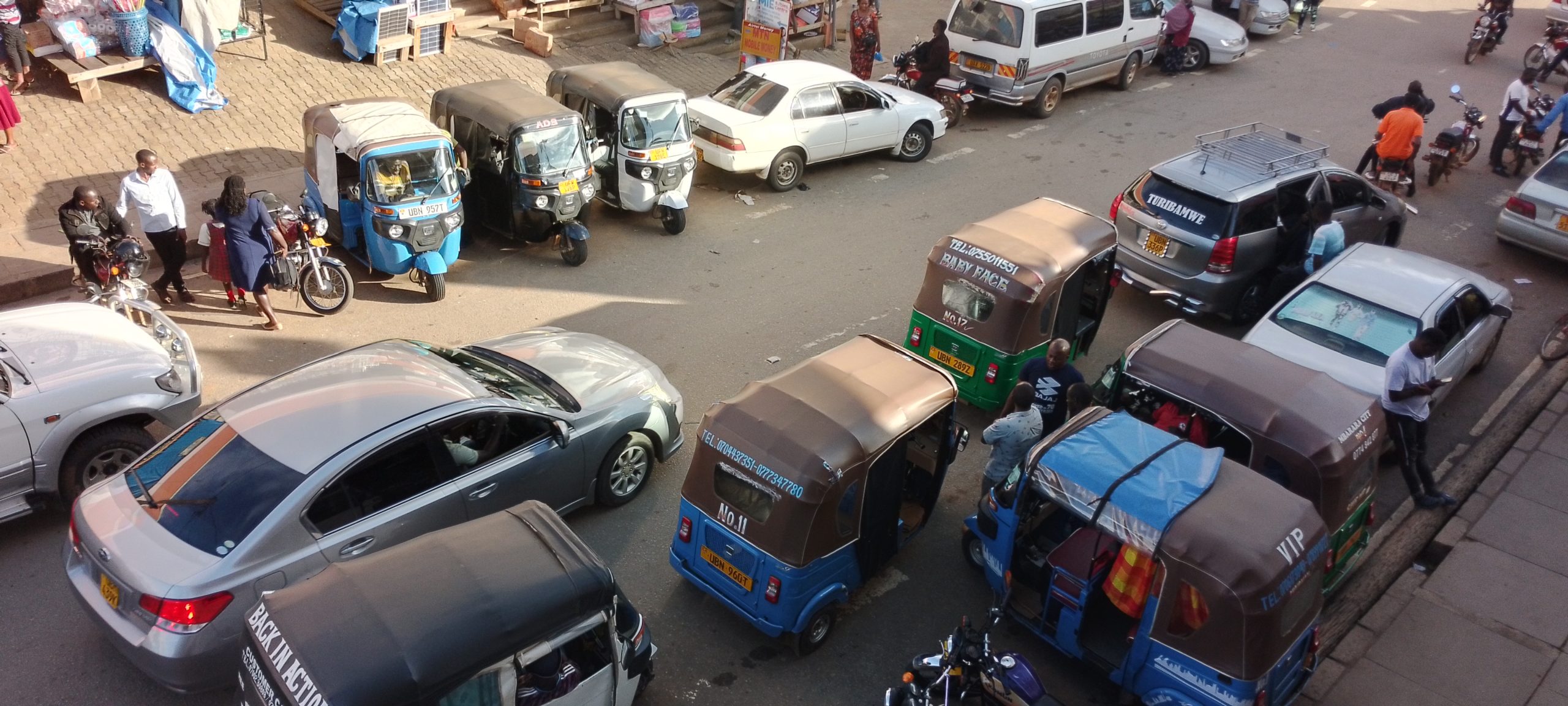
    Mbarara: When Mbarara was elevated to a City status two years ago, new kinds of businesses started coming in including Tukutuku Motorcycle business operation which was not common before in the City. However its existence has caused caos between their operators and the Bodaboda riders who never wanted to share Parking stages with Tukutukus.

    A few months ago, about 18 Tukutukus were brought to Mbaraara City by individuals to start operating in the same business as Bodabodas, but these were resisted and harassed by the Bodaboda riders arguing that Tukutukus should be separated from Bodaboda business, that they should not mix up with Bodabodas in the same packing stages.  They added that Tukutukus should be categorised as Taxis, so they should be put in the Taxi park or the City authority must create for them a gazetted area where they can better be  accommodated.

    Mbarara City has registered more than 50000 bodaboda riders and over 700 stages in the whole City. Apparently, City authorities through the office of the Commercial Officer have registered at least 18 Tukutukus owned by Individuals to carry passengers.

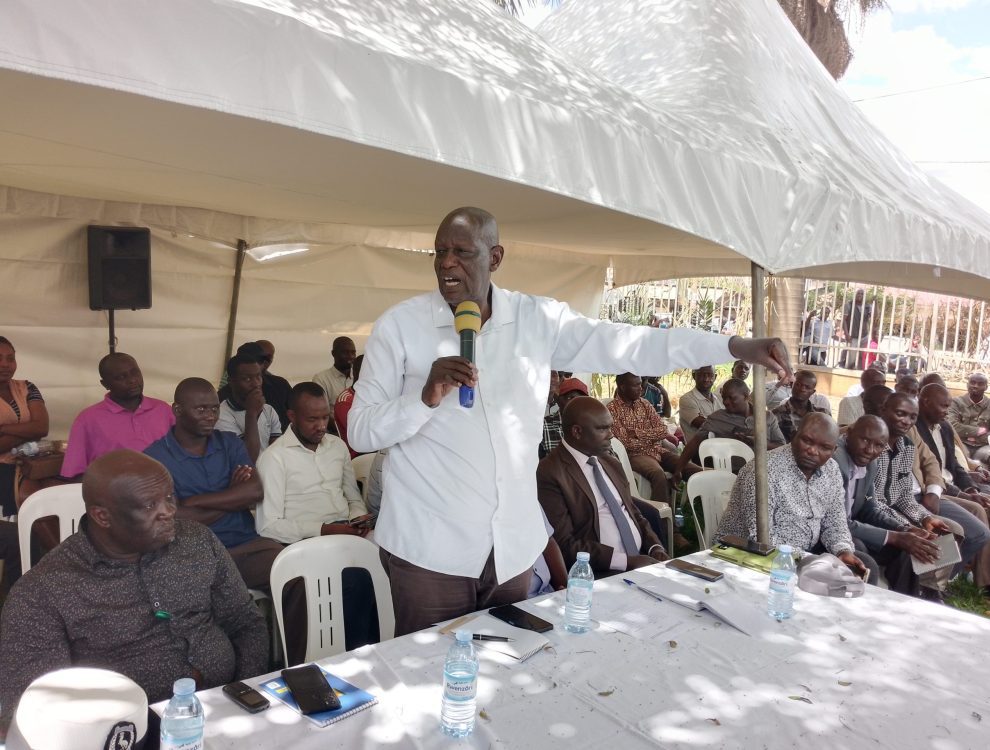
    As a result of this fight between the Bodaboda and Tukutuku Operators, the City Authorities and the office of the RCC have caused a meeting between the  Bodaboda and Tukutuku operators to stop their conflict in this business.

    However, during the meeting a group of Bodaboda operators told the City Authorities including the representative of the president that as Bodaboda Riders they are not ready to work together with Tukutuku Motorcycle operators in the same business.

    One Mubiru, a  bodaboda Rider  from Kakoba in Mbarara City South challenged the City Authorities that some of the are conniving with the Tukutuku Motorcycle Owners to be fixed in Bodaboda parking stages when as Bodobdas are not ready to work with them.

    “I must tell you that there are some Officials in Mbarara City Council who are conniving with the Tukutuku owners to fix their Tukutukus motorcycles into our stages. We own our Bodaboda stages in a legalized manner, as city authorities, why are  you making us conflict with the Tukutuku operators? Why don’t you get them  some space either in Independence Park or any other area where they can easily operate from instead of  fixing them for us?  We know there are some Individuals in Mbarara City Council who were compromised so that they can allow Tukutukus to start operating in our stages but we shall not allow that. Stop confusing us” said Mubiru.

    According to Didas Muhanguzi, the Mbarara City South Division Town Clerk said that in their role as leaders of the City they want to have an organised City with an organised transport Sector.  He said that as Mbarara growS fast, they have had the issue of Tukutukus motorcycles which the City Authority must embrace to also do their business, so the City  will have to integrate Tukutuku operators also into the transport system of the City. He pledged that the authorities will look into the issue of Bodabodas and Tukutuku and be well gazetted in separated areas so that they operate smoothly without conflicts and collision.

    “If the Bodaboda operators and their leadership protest against our policies or fail to agree with us on some of the issues between them and Tukutuku operators we shall enforce law” said Muhanguzi.

    About Post Author

  • Lydia Jazmine: ‘If You Rehearse for My Concert, You Must Perform’

    Lydia Jazmine: ‘If You Rehearse for My Concert, You Must Perform’

    Ugandan singer Lydia Jazmine has no intention of dealing with the kind of last-minute drama that surrounded Karole Kasita‘s concert.

    After rapper Feffe Bussi rehearsed for The Power Within but missed the show itself, Lydia says she has adopted a simple rule for her own headline concert: if you rehearse, you perform.

    Speaking on Galaxy TV, the singer questioned why any artist would commit to rehearsals without intending to honour that commitment.

    I saw that, and I do not know why it happened. That was so bad because why show up for rehearsals if you are not going to perform at the concert? The earlier you tell me, the better.

    Lydia believes rehearsals for collaborative performances create expectations long before the concert begins.

    Once fans see two artists preparing to perform together, they naturally expect to see them share the stage on concert night.

    That is why she would rather adjust a collaborative performance in advance than scramble for solutions on the day of the concert.

    Lydia Jazmine Nikkah

    If you are not going to come to the concert, I would rather prepare to perform the song alone. I will rehearse with the band and figure out how to perform it by myself.

    To remove any doubt, Lydia plans to share rehearsal sessions ahead of The One & Only Concert, saying fans can trust that every artist they see rehearsing a collaboration with her will also appear on stage on September 4 at Lugogo Cricket Oval.

About UGNEWS24

UGNEWS24 is a Uganda local news service, a product of SOLAVIA GROUP LIMITED, Reg. No. 80048169153974.

Registered office

Plot 2335, Buwambo-Katadde-Najjo Road,
Nansana Municipality, Wakiso District, Uganda
P.O. Box 214231, Kampala

© 2026 SOLAVIA GROUP LIMITED. All rights reserved.