King Michael has revealed his top five best Ugandan artists and songs, highlighting some of the musicians he believes have made an impact on the country’s music industry.
Speaking during an interview with Sanyuka TV, King Michael showed that he closely follows the work of fellow artists and remains invested in the growth of Uganda’s music scene.
When asked to name his favourite Ugandan artists, the singer placed A Pass at the top of his list, followed by Spice Diana, Bebe Cool, veteran singer Ragga Dee, and Ziza Bafana.
In the early 1990s, the world started to witness the dismantling of one of the most antediluvian official racist regimes ever assembled. Nelson Mandela, leader of the African National Congress would be released from prison in 1990 after 27 years of inhumane confinement on Robben Island. A new South Africa was on the horizon. Mandela would win the country’s first multiracial presidential elections in 1994 after his ANC won a large majority of parliamentary seats.
Mandela and his ANC’s victory marked the end of official apartheid in South Africa. Mandela mentioned from the beginning that he wasn’t replacing official white racism with official black racism. He called the new South Africa, a rainbow nation. A country that embraced you regardless of the color of your skin. Unlike the majority of the so-called revolutionaries, Mandela ruled for one term. He ended up as one of the world’s most revered statesmen and even became a celebrity!
At home, after the euphoria of the 1994 elections, many black South Africans realized that the end of apartheid didn’t mean that they would move from their shebeens in the townships to white homes in leafy suburbs and take over white businesses and send the whites to wherever. South Africa wasn’t Idi Amin’s Uganda. They realized that the rainbow mantra meant co-existence. They rejected it but they were still a bit hopeful.
The ANC understood the sentiments of many black people and created policies like black economic empowerment (BEE), which provided opportunities for blacks and other people of color. If a white owned a business, they needed some black people in top management and on the board. Some black people also needed to own shares. Government tenders were reserved for business that embraced BEE. But such opportunities were of course reserved for elite blacks — educated in Europe, America or even in the exclusive South African universities. The majority of the beneficiaries of BEE were ANC stalwarts and that is how they became billionaires and today’s captains of industries. Others became tenderprenuers (influencing government tenders).
Apartheid had denied the majority of blacks quality education and other opportunities. They didn’t have skills. The apartheid regime preferred to import professionals from elsewhere to work in black communities or do jobs the whites didn’t want to do. That is how Ugandan teachers and medical doctors ended up in South Africa in the 1980s.
They settled there quickly and established themselves as hard working, set up private practices and generally built better lives than many of those they left at home. South Africa had (still does) world class universities and when they opened up the country in 1994, many people started attending school there. I would also end up at an elite South African university 10 years after Mandela had been elected for my graduate education.
South Africa was and remains the continent’s most sophisticated and largest economy. As economies of many African nations crumbled, South Africa’s soared. Many Africans unable to be externalized to America or Europe for kyeyo saw it as the next perfect frontier and arrived in droves. Many had seen the doctors and teachers who had migrated earlier living better lives. Those who visited Johannesburg, Cape Town, Durban or Pretoria saw a modern country where they wished to work and live. South African TV soap operas Egoli, Generations and Isidingo created a desire that many people wanted to experience themselves.
Those who had made it to South Africa arrived back in Kampala every December with fancy cars and threw white-dress themed parties. Another Bantu migration of sorts had to happen but this time to kuyiriba (hustle) including becoming Sangomas (fake traditional healers).
In South Africa, ANC riddled with corruption forgot to create jobs for the majority of blacks who were largely uneducated and unskilled. Populist politicians like Julius Malema saw an opportunity and fanned the flames that lead to today’s xenophobic attacks against blacks from outside South Africa.
Hundreds have been evacuated back home in Uganda. They are now chilling in Kyankwanzi, ostensibly undergoing orientation. I am not sure what that means. But the xenophobic attacks should be a wake up call for migrants as well as governments of their home countries. People largely migrated to South Africa to find better opportunities for themselves. If we created jobs here, the majority wouldn’t have left.
There must be a deliberate way to encourage migrants to invest back home. NSSF should be pushing them for voluntary savings. Capital Markets Authority should be doing drives for collective investments. National Housing should be building houses they can buy. Uganda Investment Authority should be making presentations on where to invest. It used to happen until when politicians hijacked platforms like the Uganda North American Association Convention. Buganda Kingdom is trying with its Buganda Bumu Convention but it is a drop in the ocean. If we refocused, people wouldn’t be evacuated or even deported and returned home with nothing. And lastly an enabling environment that enables businesses to thrive.
The writer is a communication and visibility consultant. [email protected]
Do you have a story in your community or an opinion to share with us: Email us at Submit an Article
A bitter multi-million land wrangle in Mbarara City has taken a dramatic twist after one of the rival claimants rushed to court seeking the cancellation of what he describes as an illegally acquired land title, deepening a dispute that has already attracted the attention of security authorities.
The contested property, measuring about two hectares and located in Kacence Cell, Mbarara City North Division, has become the centre of an escalating ownership battle between businessman Robert Kamugisha and James Kenyatta Shaban.
Kamugisha maintains that he legally purchased the land from the Sisters of Kenyatta for UGX 70 million, insisting that at the time of purchase, the land had no registered title. Kenyatta, however, claims the land was family property left by his late father, Shaban Gawite, and therefore belongs to his family.
The dispute had earlier forced Mbarara City North Deputy Resident City Commissioner (RCC) Jackline Kankunda to intervene, ordering both parties to maintain the status quo and leave the matter to court.
Shaban-Kenyatta
During a mediation meeting convened by the Deputy RCC, Kenyatta was reportedly asked to present documents proving ownership of the land but allegedly failed to produce them.
Despite the matter already being before the High Court after Kenyatta sued Kamugisha, fresh controversy has now emerged after Kamugisha discovered that a land title had allegedly been processed and issued over the same disputed property.
The businessman accuses Kenyatta of secretly obtaining the title while the ownership dispute was still pending before court.
Kamugisha has now filed a fresh application seeking cancellation of the title, arguing that it was fraudulently and illegally acquired.
“I bought this land for UGX 70 million. It had no title and I have all the sale agreements from the people I bought it from. Mr. Kenyatta was not even the owner of this land,” Kamugisha said.
He went further to allege that Kenyatta is being assisted by individuals he describes as notorious land grabbers in Mbarara.
“He is being aided by people who are well known for land grabbing in Mbarara, including Nice, Kakiga and David Buryo. They want to push me off my land and share it among themselves. They are the same people who helped him obtain this land title illegally. The title is fake and that is why I have gone to court seeking its cancellation,” Kamugisha alleged.
He added that he has already registered a caveat on the land to prevent any transactions until court determines the matter.
On her part, Deputy RCC Jackline Kankunda reiterated that security agencies will not allow either side to use violence while the case remains before court.
“Our role as security is to maintain peace. We warned both parties against fighting over this land. Let court determine who the rightful owner is. We shall not tolerate any violence or illegal actions on the land,” Kankunda said.
She added that security remains committed to protecting lives and property while condemning acts of land grabbing within Mbarara City.
GOT A HOT STORY? LET US KNOW!
Got breaking news, explosive secrets, or hard evidence?
A fresh storm is brewing in Bugisu after the spokesperson of the Bugisu Cultural Institution, Steven Masiga, accused a section of Members of Parliament of plotting to strip Umukuka Jude Mike Mudoma of his cultural authority, warning that the region will not tolerate what he described as a repeat of the infamous 1966 Buganda crisis.
Addressing the media, Masiga alleged that some legislators under the Bugisu Parliamentary Caucus have been moving around government offices in an attempt to prevent the Umukuka from presiding over the official launch of this year’s Imbalu circumcision ceremonies.
“We cannot allow a scene reminiscent of the 1966 Kabaka crisis in which cultural and traditional institutions were abolished in Uganda,” Masiga said.
He urged the people of Bugisu to remain vigilant against what he termed attempts to weaken the institution of the Umukuka through political manoeuvres.
“We totally reject any form of caucusing and clique formations meant to undermine cultural institutions, whether in Bugisu or elsewhere. Our people must remain on the highest cultural alert to avert this,” he said.
According to Masiga, the plan allegedly involved assigning the launch of the Imbalu season to district chairpersons instead of the Umukuka. However, he claimed the LC 5 chairpersons have since acknowledged that the cultural leader is the rightful person to preside over the ceremony.
“I am happy to report that the LCV chairpersons who had erroneously been drafted into that task have realised its impossibility. They now agree that the Umukuka is the rightful person to preside over Imbalu and appoint the team to oversee the launch,” he said.
Masiga further alleged that the campaign against the cultural leader is being spearheaded by some MPs affiliated with the National Unity Platform (NUP), together with “one or two misguided NRM MPs,” while claiming that several other ruling party legislators have distanced themselves from the alleged scheme.
He also said several district chairpersons in the region continue to support the Umukuka’s leadership.
Calling for restraint, Masiga urged politicians to respect existing legal processes instead of attempting to resolve cultural disputes through political pressure.
“Whenever there is conflict in society, the best remedy is the courts. Let us respect those mechanisms instead of allowing a group of parliamentarians to ignore them,” he said.
He warned that voters are closely monitoring the actions of their elected leaders ahead of the next electoral cycle.
“The next elections are about 1,500 days away, and our people are watching with suspicion,” he said.
The remarks come amid ongoing disagreements over the organisation and leadership of this year’s Imbalu cultural ceremonies, although the MPs mentioned in the allegations had not publicly responded by the time of publication.
GOT A HOT STORY? LET US KNOW!
Got breaking news, explosive secrets, or hard evidence?
Seven staff members of Mbarara Regional Referral Hospital have been arrested over the alleged mismanagement and diversion of public funds following an audit into the hospital’s financial operations.
The arrests follow investigations conducted over one month and two weeks by the State House Health Monitoring Unit into the hospital’s human resource, clinical and financial management systems. According to the Unit, the investigations uncovered cases of alleged diversion and mismanagement of public funds across several departments.
Speaking during a health baraza organised by the hospital on Wednesday, the Director of the State House Health Monitoring Unit, Dr Warren Namara, said investigators found that some drivers and an electrician had allegedly diverted fuel meant for hospital vehicles and the standby generator by using fraudulent fuel vouchers for fuel that was never accounted for.
Those arrested are Alex Byaruhanga, Francis Kayangiire, Eliasam Mutongole, Lauben Mugasiira, Edgar Mugizi, Principal Hospital Administrator Sarah Mulongo and radiologist David Mugisha. Dr Namara said the drivers and the Principal Hospital Administrator are accused of failing to account for 549 million Shillings.
He alleged that they fraudulently obtained fuel vouchers, which were used to divert fuel, resulting in significant financial losses to the hospital. He added that Mulongo also failed to establish effective internal controls to safeguard hospital funds and property.
She is expected to face charges of facilitating corruption and neglect of duty. Radiologist David Mugisha was separately arrested over allegations of extorting money from patients and referring them to private health facilities for MRI and CT scan services for personal financial gain.
Dr Namara said the suspects are expected to face charges including failure to account and neglect of duty. He added that investigations are still ongoing and that additional arrests or charges could follow depending on the findings.
Meanwhile, the Acting Hospital Director, Dr Deus Twesigye, acknowledged the challenges facing the facility, saying it is struggling to provide quality services due to budget constraints and critical staffing shortages.
He said the hospital is operating with only 26 per cent of its required workforce, well below the recommended staffing level of at least 36 percent, a situation that continues to strain service delivery.
GOT A HOT STORY? LET US KNOW!
Got breaking news, explosive secrets, or hard evidence?
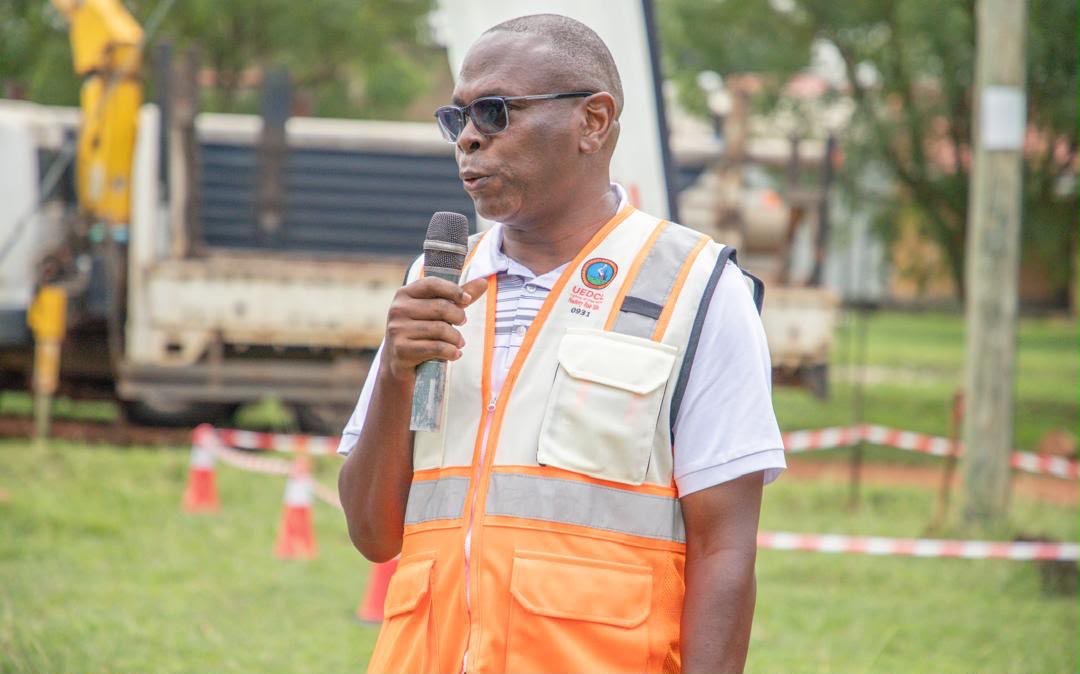
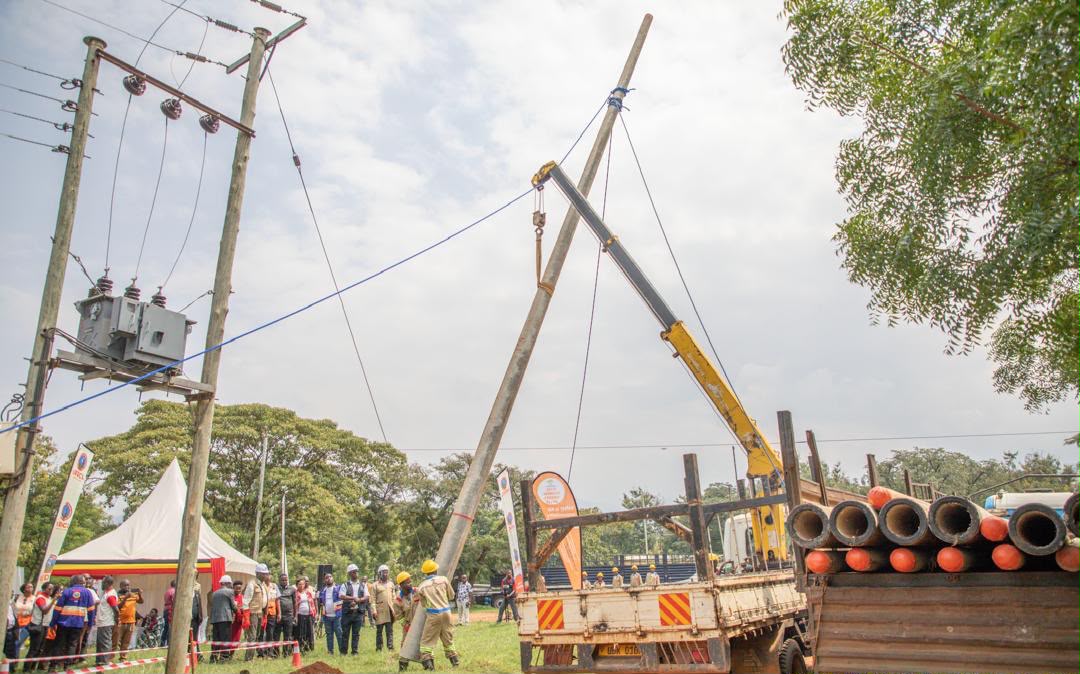
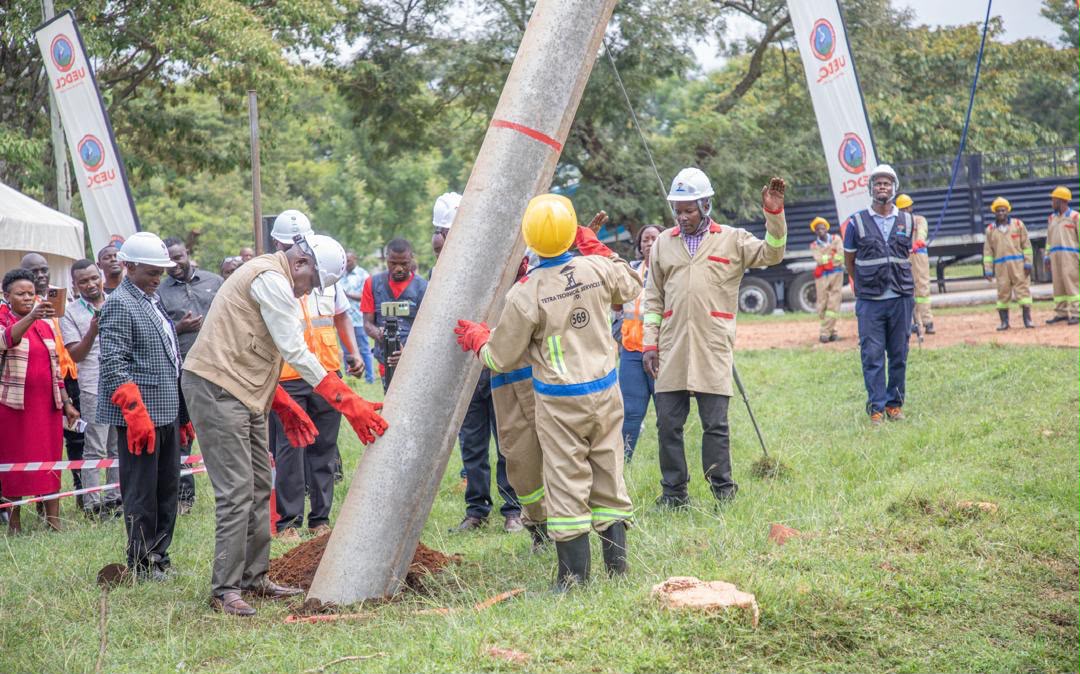
The Uganda Electricity Distribution Company Limited (UEDCL) has commenced the refurbishment of the Nkenda–Ishaka distribution line to improve power supply reliability across Kasese, Rubirizi and Bushenyi Districts.
The UGX 16 billion project involves the upgrade of two 33kV distribution feeders; Nkenda–Kasese and Nkenda–Ishaka which have experienced frequent power outages since 2022, affecting electricity consumers across the three districts.
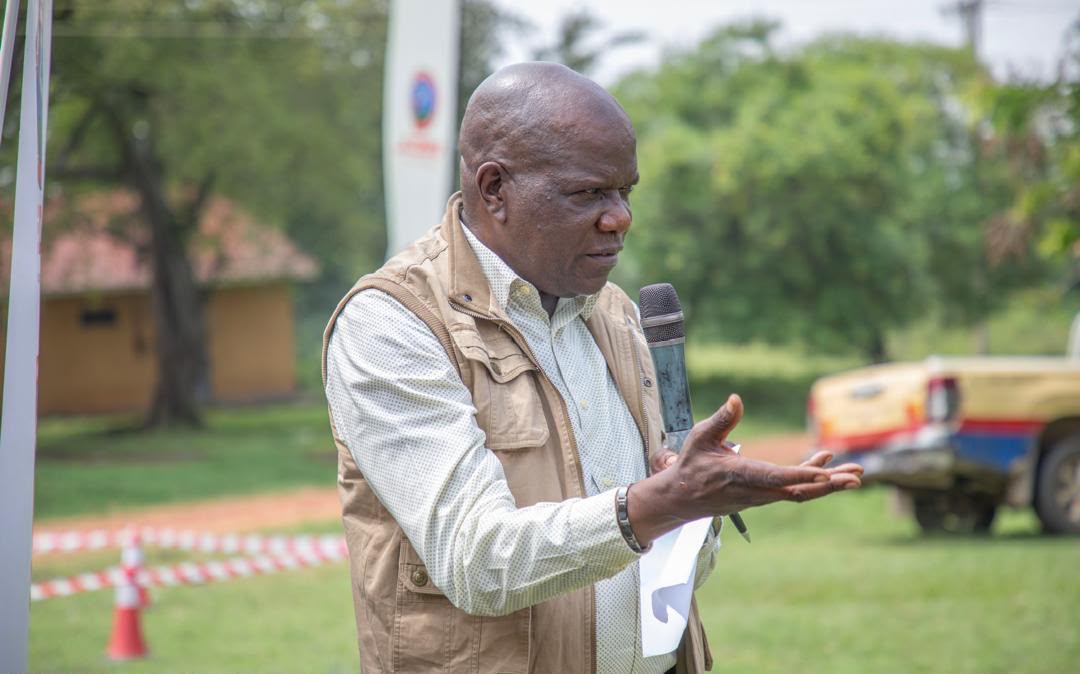
Speaking during the groundbreaking ceremony, the Resident District Commissioner (RDC) Kasese District, Lt. Joe Walusimbi, commended UEDCL for investing in critical electricity infrastructure and pledged the district’s support in safeguarding the network against vandalism.
“This intervention is timely and we are positive that it will greatly improve electricity reliability for our communities and support economic activities in the region. I pledge to work with UEDCL to ensure that this critical infrastructure is protected from vandalism,” he said.
He urged the public to join the fight against the vandalism vice “so that everyone can benefit from reliable electricity.”
Johnson Okochi, the project manager, said Nkenda-Ishaka was identified amongst the worst-performing distribution lines in 2022, recording more than 500 hours of outages annually.
He attributed this to bush burning activities, particularly within the Queen Elizabeth National Park, which have caused premature deterioration of wooden pole structures. He added that the commissioning of the Kyambura, Lubilia, and Nyamagasani I & II small hydropower plants, with a combined installed capacity of 34 MW, further strained the network due to the limited capacity of the existing conductors.
“To improve the reliability of both Nkenda –Kasese and Nkenda Ishaka feeders, we will replace deteriorated wooden pole infrastructure and reinforce critical sections of the network to accommodate the growing electricity generation from Independent Power Producers,” Okochi said.
He explained that as part of the project, UEDCL will upgrade the capacity of more than 100 kilometers of conductor, replace over 1000 wooden poles with concrete ones, install auto-reclosers and motorized air-break switches.
He said this would improve network reliability, increase power evacuation capacity, reduce technical losses, and enhance the quality of electricity supply.
“Once completed, the project is expected to significantly reduce power outages and unplanned power failures on both the Nkenda–Ishaka and Nkenda–Kasese 33kV feeders. The upgraded network will also enable the efficient evacuation of electricity generated by hydropower plants within the Rwenzori region,” Okochi observed.
UEDCL’s Territory Manager, Rwenzori Region, Marion Ninsiima, said customers in the affected districts should expect more stable and reliable electricity services once the project is completed.
“The upgraded infrastructure will improve switching operations and stability of the network. Our customers should expect fewer interruptions, improved voltage stability and more reliable power supply,” she said.
Ninsiima, however, advised customers that planned outages will be necessary during the project implementation period.
She explained that customers may experience temporary power supply interruptions on Tuesdays, Thursdays and Saturdays over the next 8 months.
“Unfortunately, during the repair period, there may be intermittent supply as a result. We appeal to our customers to bear with us during this period for a great and better service delivery at the end of the day,” Ninsiima said.
The Nkenda- Ishaka capacity and reliability improvement project forms part of UEDCL’s intensified efforts to invest in critical distribution infrastructure in order to improve the quality and reliability of power supply across its footprint.
GOT A HOT STORY? LET US KNOW!
Got breaking news, explosive secrets, or hard evidence?
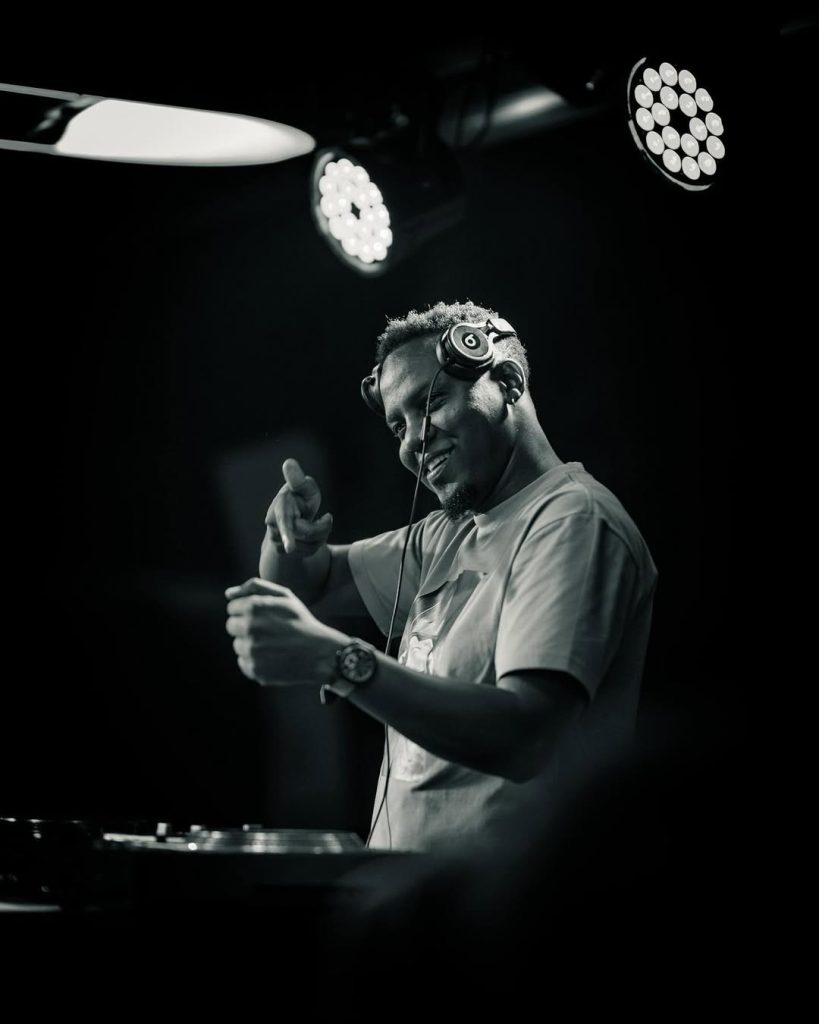
For many DJs, weekends are not for resting or catching up with family. They are for chasing the next booking, entertaining crowds, and earning a living.
After years behind the turntables, he understands how easily another gig can take priority over the people waiting at home.
That is what inspired a heartfelt message to fellow DJs, encouraging them not to let busy schedules keep them away from life’s most important moments.
We spend most of our lives working weekends, chasing the next booking and the next paycheck.
Sir Aludah believes some invitations are worth more than another night’s work.
Family gatherings, birthdays, weddings, and other milestones, he says, are moments that cannot simply be rescheduled.
When a friend invites you to a family gathering, birthday, wedding, or celebration… make the time. The money will come again. Some moments will not.
The same perspective also shapes the way he measures success.
While a packed calendar may reflect a booming career, Sir Aludah believes the people who stand by you deserve just as much of your time as the crowds in front of the DJ booth.
Success is not just about a full calendar of gigs… it is also about showing up for the people who have shown up for you. Years from now, they will remember your presence far more than another set you played.
DJs,
We spend most of our lives working weekends, chasing the next booking and the next paycheck. But when a friend invites you to a family gathering, birthday, wedding, or celebration… make the time.
At least 70 families in Byakabanda Sub-county, Rakai District, have appealed to President Yoweri Museveni to intervene in a 20-year land dispute that threatens to leave them homeless.
During a joint meeting led by their village chairpersons, the affected families, all residents of Lugongo, Lwannamboga and Katerero villages, resolved to petition the President over a contested 200-hectare piece of land, saying they have exhausted all other avenues without finding a lasting solution.
Eriya Bukenya, the Chairperson of Lugongo Village, says that the dispute stems from what the residents believe is public land that Mutebi allegedly obtained lease offers for in 2006. He claims Mutebi has since been allocating portions of the land to other individuals, despite the presence of long-time occupants whom the law recognises as bona fide tenants.
Bukenya further alleges that Mutebi, also known as Soroweni and described as a land agent, works with influential security officials to intimidate residents, adding that their crops have been destroyed on several occasions and replaced with eucalyptus trees without any compensation.
He says the residents have unsuccessfully sought help from local authorities and have now decided to seek direct intervention from the President. Bukenya adds that although they previously resisted attempts to evict them, they have recently been served with notices requiring them either to buy the land or vacate it. Siraje Mujuzi, the Chairperson of Katerero Village, says many of the affected families never obtained formal sale agreements for the land they occupy, leaving them vulnerable if the matter proceeds to court. He wants President Museveni to order investigations into how lease offers were issued to Mutebi, whom he says was not originally a resident of the area.
The residents also resolved to ask their area Members of Parliament to deliver the petition directly to President Museveni. They say they previously reported the matter to the Ministry of Lands and the Inspector General of Government, but no conclusive action has been taken.
However, Jamadah Mutebi maintains that he legally owns the land and possesses valid ownership documents. He questions why the occupants have refused to engage him to resolve the dispute. Mutebi also accuses the residents of preventing him from surveying the land, alleging that local leaders have mobilised mobs to frustrate his efforts to access and develop his property.
He says he has instructed his lawyers to take legal action against occupants who refuse to recognise him as their landlord or pay rent. Meanwhile, Rakai Resident District Commissioner Sarah Kiyimba says her office recently sought guidance from the State House Land Protection Unit regarding the dispute. She wonders why the residents did not wait for the Unit’s response before deciding to petition the President directly.
GOT A HOT STORY? LET US KNOW!
Got breaking news, explosive secrets, or hard evidence?
The commissioning of the NEC Tinned Beef and Beans Factory in Gomba District has prompted President Yoweri Museveni to direct all government agencies responsible for licensing investments to ensure that approved projects receive the essential infrastructure and services needed to become fully operational.
Speaking during the commissioning of the factory on Wednesday, Museveni said investors continue to face unnecessary delays because some government institutions issue licences without coordinating with other sectors responsible for providing critical utilities such as electricity, water and transport infrastructure.
He cited the NEC Tinned Beef and Beans Factory as an example, noting that its operations had been delayed due to the lack of electricity despite being a licensed investment. The President attributed such challenges to poor coordination among government institutions, saying this informed his decision to appoint new leaders in the investment sector, including State Minister for Investment Hajjat Aminah Mukalazi, to improve service delivery and eliminate bottlenecks affecting investors.
The factory is a joint venture between the National Enterprise Corporation (NEC) and Lagwa Company Limited. It is expected to process beef for both domestic and export markets, with the capacity to slaughter up to 150 head of cattle daily. The facility will also produce canned beef and beans for local and international markets. Museveni praised private investor Francis Lagwa for partnering with NEC to establish the factory, describing the investment as a strategic addition to Uganda’s agro-industrialisation agenda. He pledged government support to mobilise sufficient cattle supplies to sustain the factory’s operations. He said Uganda’s investment ambitions require stronger organisation and strategic planning across sectors, pointing to reforms in the coffee industry that have increased annual production from about three million bags to nine million bags, with a target of over 12 million bags. He also cited growth in milk production to 5.4 billion litres annually and an increase in the national cattle herd from about three million in 1986 to approximately 16 million today.
According to Museveni, continued investment in value addition and better organisation of the livestock sector will create more opportunities for farmers, processors and exporters while contributing to Uganda’s target of growing the economy to USD 500 billion. State Minister for Energy Sidronius Opolot Okasai assured the President that plans are underway to improve electricity supply to support the factory’s operations and other investments in the area. Defence and Veteran Affairs Minister Kiryowa Kiwanuka said the ministry is considering procuring canned beef products from the factory to supply dry rations for the Uganda People’s Defence Forces (UPDF). He said the ministry is increasingly investing in production and value addition projects that contribute directly to national economic development. Kiwanuka added that the defence sector is supporting Uganda’s economic transformation agenda by investing in the government’s four priority sectors for wealth creation.
NEC Managing Director Lt. Gen. James Mugira appealed to the Ministry of Defence to prioritise local suppliers when procuring the approximately two million annual beef rations required by the UPDF. Mugira said the Gomba factory meets international quality standards and has the capacity to handle large procurement orders. He added that the facility will provide a reliable market for commercial cattle farmers while boosting Uganda’s meat processing and export industry.
GOT A HOT STORY? LET US KNOW!
Got breaking news, explosive secrets, or hard evidence?
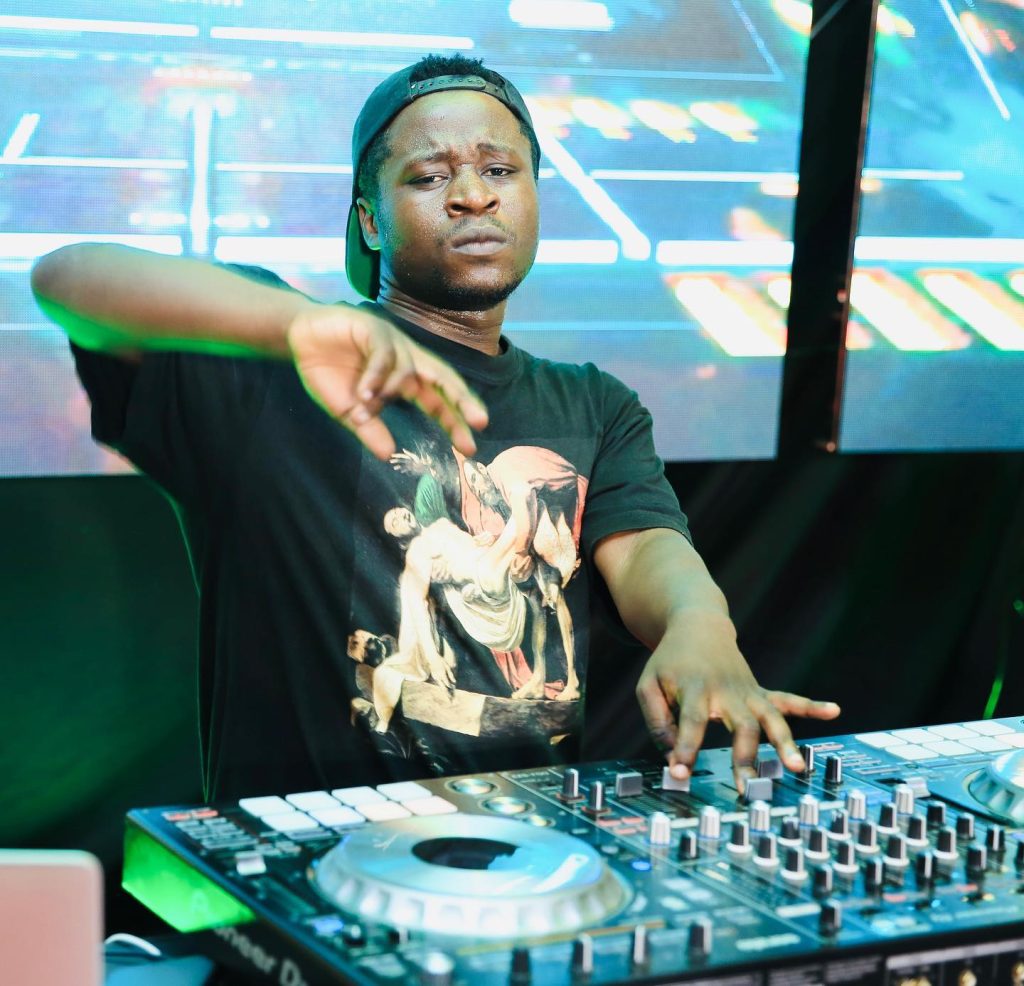
Selecta Jeff has challenged fellow DJs to keep their feet on the ground, arguing that the profession is bigger than any one individual.
In a post on X, he reminded fellow entertainers that every generation builds on the work of those who came before, leaving little room for inflated egos.
Whatever we are doing today, thousands of other people have done it before, just in a different era… it is just a quick reminder, you are not as special as you think you are.
Selecta Jeff also took aim at what he sees as unnecessary theatrics, urging DJs to concentrate on the work instead of creating larger-than-life personas.
Stop covering yourself with masks, sun glasses at night, no one really cares.
He instead urged fellow DJs to do their job well, earn their money and head home, stressing that the work itself should always matter more than appearances.
Dear DJs.. Male or Female, Whatever we are doing today, thousands of other people have done it before, just in a different era… it’s just a quick reminder, you are not as special as you think you are.. Calm down, be humble, do your set, go home.. Stop covering yourself with…